
0-0x0-0-0-{}-0-0#
By Gabriel Ameh
The League of Women Voters of Nigeria (NILOWV) has expressed concern over the continued exclusion of women from leadership and decision-making positions across Nigeria, saying the country’s democracy cannot reach its full potential while women remain underrepresented in governance.
In a Democracy Day message issued on June 12, 2026, the President of NILOWV, Irene Awunah-Ikyegh, described the situation as “another June 12 without women in leadership and decision-making rooms,” noting that women remain largely absent from critical political and governance structures despite constituting nearly half of Nigeria’s population.
According to the organization, women continue to face significant barriers in accessing elective and appointive positions at all levels of government, including the National Assembly, State Houses of Assembly, local government councils, and executive offices.
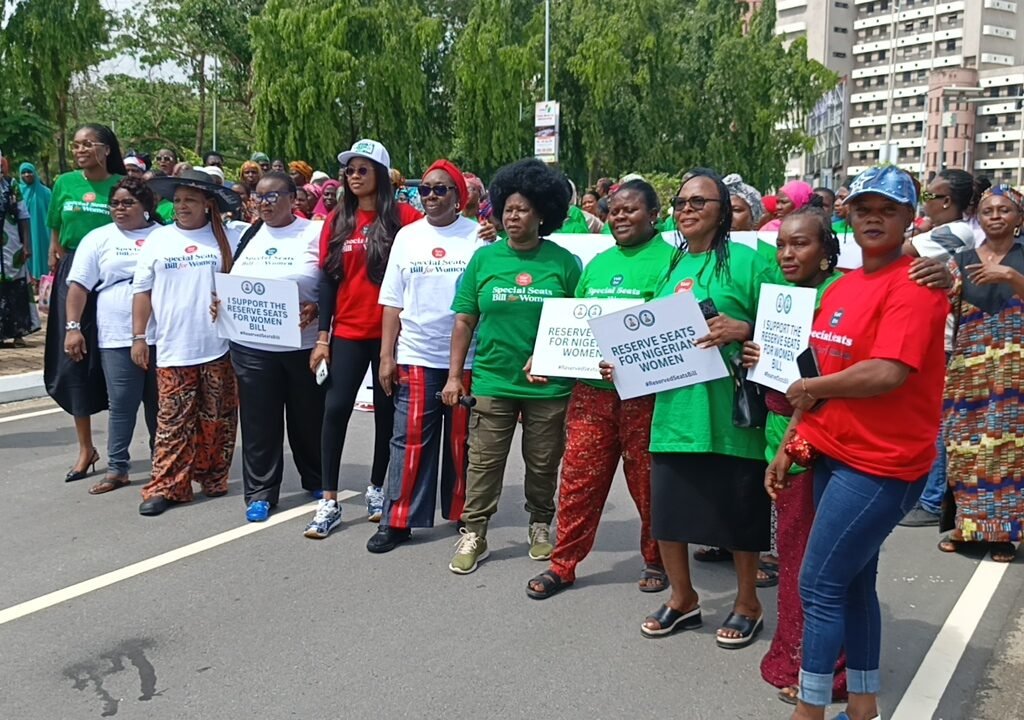
NILOWV stated that the recently concluded political party primaries further highlighted the gender imbalance within Nigeria’s political system, as only a limited number of women emerged as candidates for upcoming elections.
The group observed that although women actively participated as voters, campaigners, mobilizers, financiers, and party supporters, very few secured party nominations to contest elective positions.
Awunah-Ikyegh said the persistent underrepresentation of women weakens democratic governance and undermines the principles of inclusion, equity, and justice that form the foundation of democracy.
She emphasized that women’s political participation should not be viewed solely as a women’s issue but as a critical national development priority, adding that countries with stronger female representation in governance often record improved democratic outcomes, better policymaking, and stronger economic growth.
The organization also identified several factors limiting women’s participation in politics, including discriminatory political practices, financial constraints, violence against women in politics, and entrenched patriarchal norms.
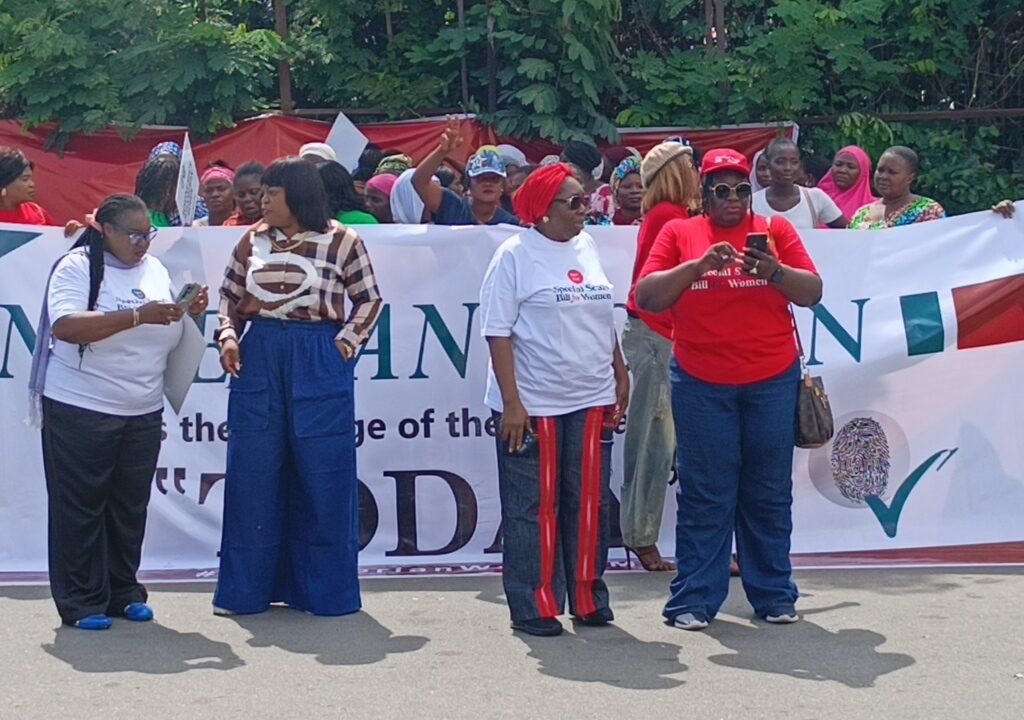
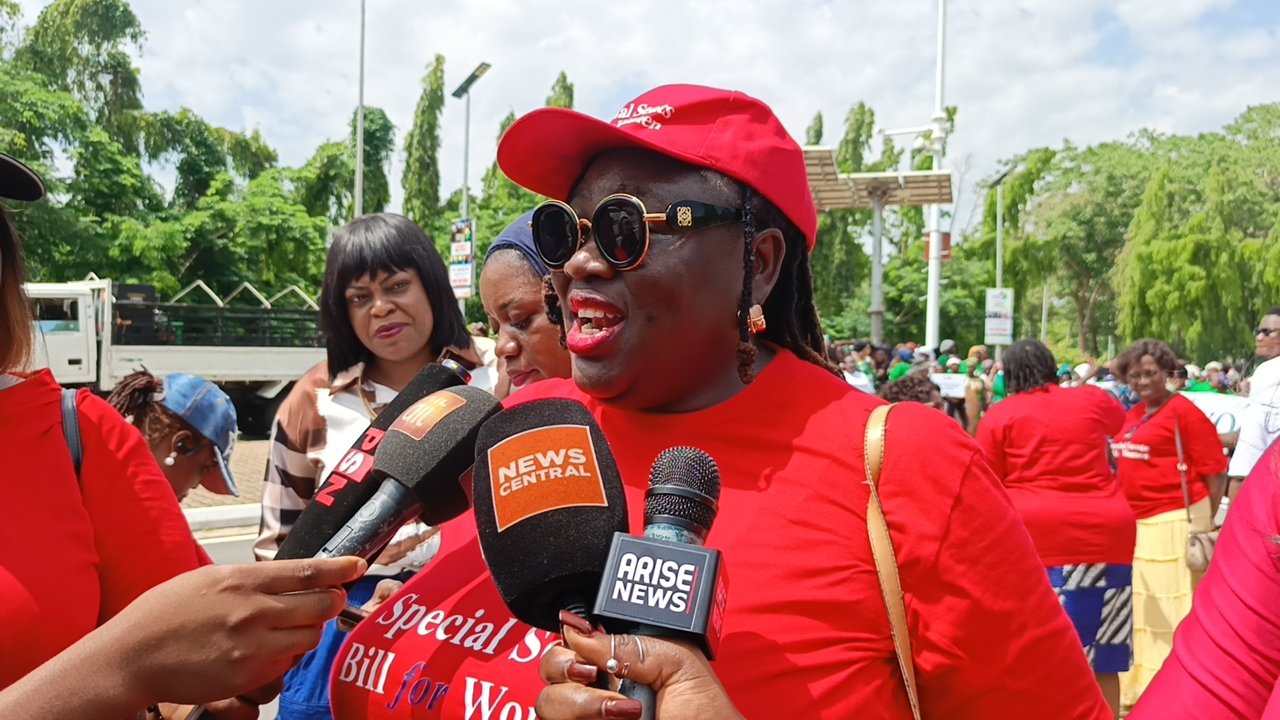
As part of its recommendations, NILOWV renewed its call for the passage and implementation of the Special Seats Bill for Women, describing the proposed legislation as a practical solution to address decades of gender imbalance in governance.
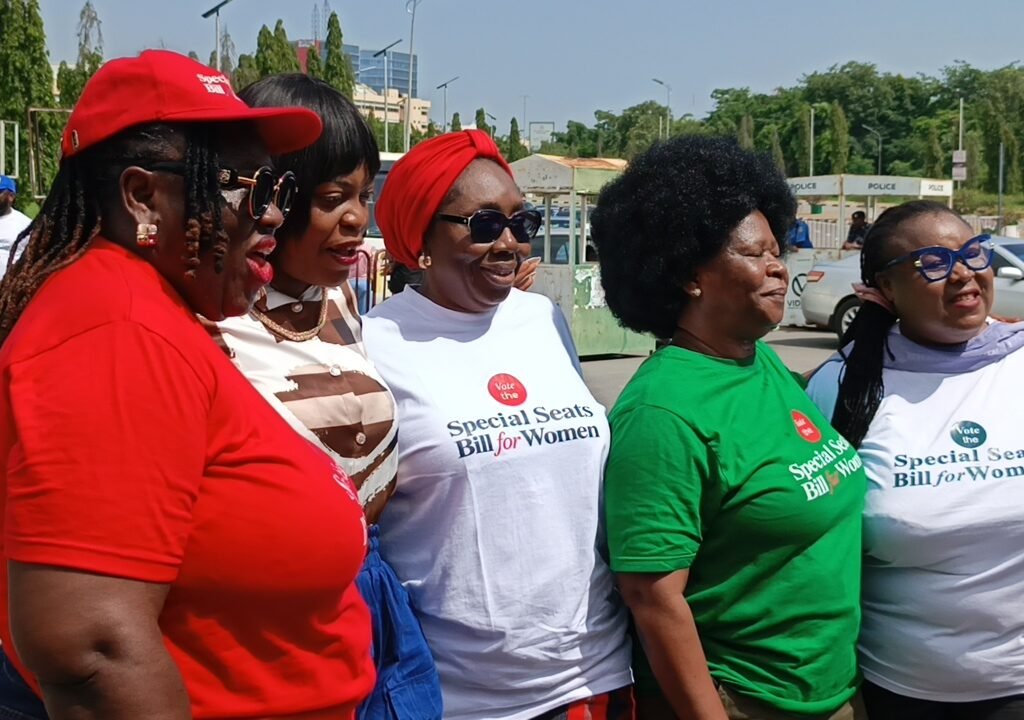
The group urged lawmakers to support the bill, arguing that increased representation of women in legislative institutions would strengthen democratic legitimacy and ensure broader inclusion in national decision-making.
NILOWV further called on government institutions, political parties, traditional rulers, civil society organizations, the media, and development partners to support measures aimed at improving women’s participation in politics and governance.
The organization maintained that Nigeria’s democratic journey remains incomplete until women are fully represented in leadership and decision-making spaces, stressing that future Democracy Day celebrations should reflect greater inclusion, equality, and shared national progress.
The League of Women Voters of Nigeria (NILOWV) has called for greater representation of women in leadership and decision-making positions, urging lawmakers to pass the Special Seats Bill for Women to strengthen democratic inclusion and governance.