
By Gabriel Ameh
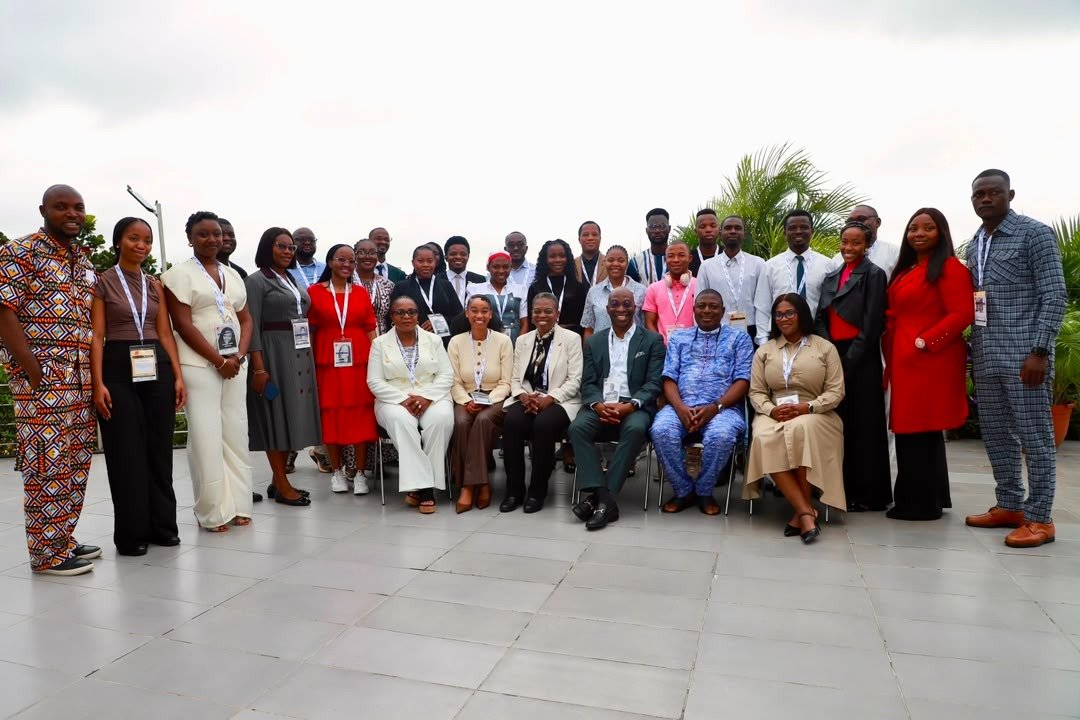
LAGOS, Nigeria – Public health advocates, researchers, government officials, journalists, and civil society representatives from across Africa have converged in Lagos for the third edition of the Africa Centre for Tobacco Industry Monitoring and Policy Research (ATIM) Tobacco Industry Monitoring (TIM) training, aimed at strengthening the continent’s capacity to detect, expose, and counter tobacco industry interference in public health policies.
The five-day training, hosted in Nigeria for the first time, brings together participants from 12 African countries, including Nigeria, Kenya, Benin, Botswana, South Africa, Sierra Leone, Côte d’Ivoire, Ethiopia, Uganda, Zambia, Senegal, and Zimbabwe.
The programme is led by renowned tobacco control expert, Professor Lekan Ayo-Yusuf, Director of ATIM and Head of the School of Health Systems and Public Health at the University of Pretoria. Facilitators also include academics from the University of Bath, England, alongside policy experts and researchers from Nigeria, the United States, Brazil, and Togo.
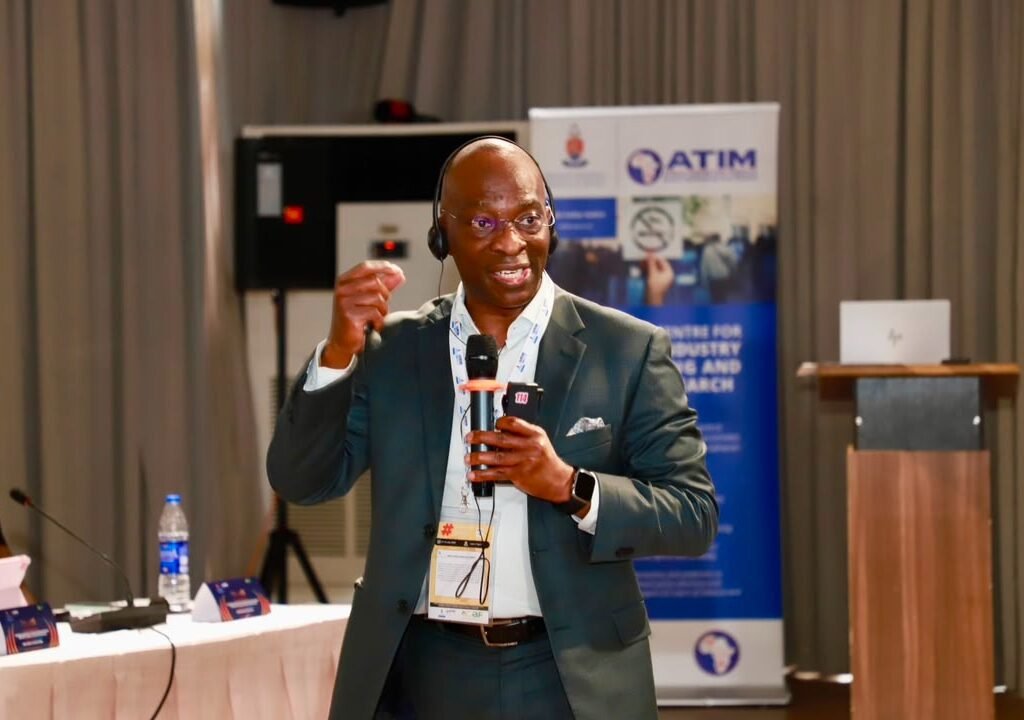
Speaking during the opening session, Prof. Ayo-Yusuf said tobacco industry interference remains one of the biggest threats to effective tobacco control across Africa, undermining public health policies and contributing to preventable deaths.
According to him, the training is designed to shift advocates from reacting to industry tactics to proactively identifying, monitoring, and countering them through evidence-based research and strategic advocacy.
“The course is intended to strengthen the capacity of tobacco control advocates to effectively monitor and counteract tobacco industry interference in public health policies in Africa,” he said.
He noted that participants would acquire practical skills to identify and document industry interference, analyse emerging strategies, investigate tobacco industry documents, uncover front groups and third-party allies, and generate evidence that supports stronger tobacco control policies.
Ayo-Yusuf added that participants would also be equipped to develop effective tobacco control policies and advocacy strategies tailored to their countries and organisations.
Executive Director of Corporate Accountability and Public Participation Africa (CAPPA), Akinbode Oluwafemi, described the training as timely, noting that the tobacco industry continues to evolve its strategies to influence public policy and attract new users.
He stressed the importance of building a new generation of tobacco control advocates capable of sustaining the campaign for improved public health across the continent.
“Some of us have been in tobacco control advocacy for close to three decades, and we recognise the need to build the next generation of advocates,” Oluwafemi said.
He warned that the industry’s promotion of so-called “harm reduction” products and misleading narratives increasingly targets young people and children, making stronger enforcement of the WHO Framework Convention on Tobacco Control (WHO FCTC) and national tobacco control laws more critical.
Participants praised the initiative for providing practical knowledge and valuable networking opportunities.
Jackline Mbone Juma, a youth tobacco control advocate with the Kenya Tobacco Control Alliance and Health Promotion, said the training had significantly improved participants’ understanding of tobacco industry monitoring.
“We’ve gained hands-on skills on conducting industry monitoring, researching tobacco industry documents, and deepening our understanding of the WHO Framework Convention on Tobacco Control,” she said.

Also speaking, Emmanuel Onwuka, Communications Officer of the Nigeria Tobacco Control Alliance (NTCA), described the programme as timely, particularly as tobacco companies continue introducing new products and marketing strategies aimed at young people.
He said the knowledge acquired during the training would strengthen his ability to monitor, document, and report tobacco industry interference more effectively.
Based at the University of Pretoria, ATIM is a specialised African centre dedicated to tobacco industry monitoring, intelligence gathering, policy research, and capacity building. The centre supports governments, researchers, journalists, and civil society organisations in protecting public health policies in line with the WHO Framework Convention on Tobacco Control.
The Tobacco Industry Monitoring course is delivered in both English and French and is open to tobacco control advocates, researchers, academics, journalists, and government policymakers from across Africa.