

By mmedia360impact
The Federal Government has reaffirmed its commitment to restoring lasting peace and security in Nigeria’s South-East, calling for stronger collaboration among governments, security agencies, traditional institutions, religious leaders, civil society organisations and citizens to address the region’s security challenges.
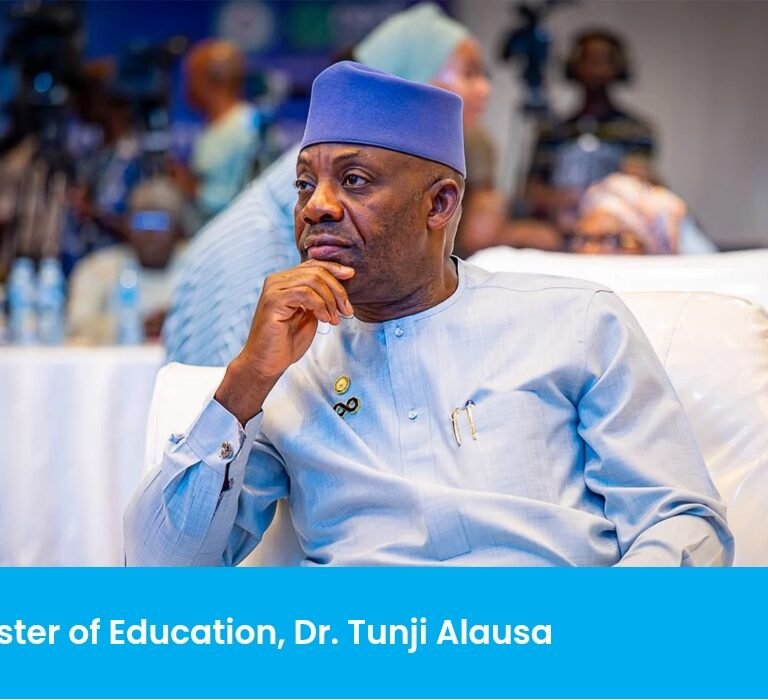
Minister of Information and National Orientation, Mohammed Idris, made the call on Thursday while delivering his keynote address at the 2026 South-East Regional Security Summit held at the International Conference Centre in Umuahia, Abia State.
Speaking on the theme, “Collaborative Approaches to Strengthening Security and Regional Stability,” the minister said security remains the foundation of national development, stressing that no government can successfully combat insecurity without the active participation of citizens and communities.
He commended the Minister of Defence, General Christopher Gwabin Musa (Rtd.), and the Office of the Senior Special Assistant to the President on Community Engagement (South-East) for convening the summit, describing it as timely in view of the nation’s evolving security landscape.
Mohammed Idris said President Bola Ahmed Tinubu’s administration has continued to prioritise the protection of lives and property through a comprehensive security strategy that combines military operations, intelligence-led policing, judicial accountability, economic development and strategic partnerships.
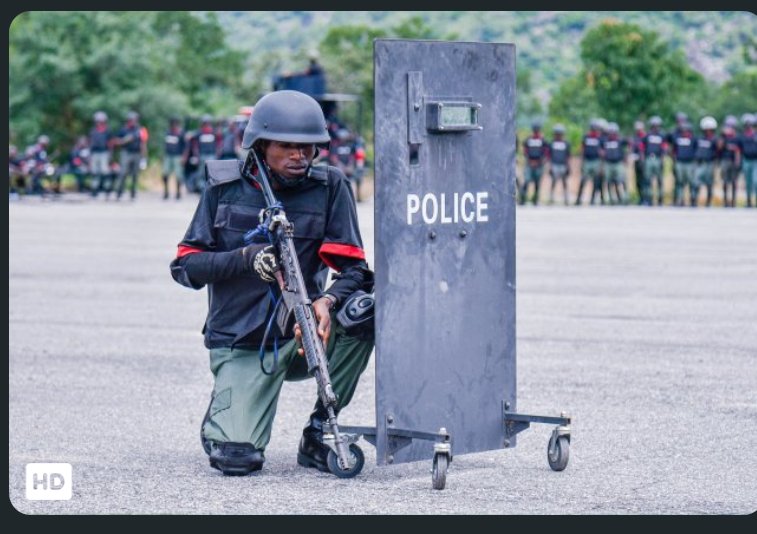
According to him, the Federal Government has strengthened the operational capacity of the Armed Forces and other security agencies through improved intelligence sharing, enhanced inter-agency collaboration, acquisition of modern equipment and continuous training of personnel.
He noted that security agencies have recorded significant gains against terrorists, kidnappers, bandits, oil thieves and other criminal groups by dismantling criminal hideouts, rescuing victims and restoring normalcy in several affected communities.
The minister also highlighted Nigeria’s growing partnerships with the United States and other friendly nations in tackling terrorism and transnational crimes through intelligence sharing, specialised training, counter-terrorism operations and efforts to disrupt terrorist financing.
On the rule of law, Idris said the Federal Government has intensified terrorism prosecutions under the Terrorism (Prevention and Prohibition) Act, reaffirming the administration’s resolve to ensure that criminal elements are brought to justice through due process.
He explained that the Renewed Hope Agenda recognises the strong link between security and development, noting that investments in roads, rail transport, electricity, digital infrastructure, education, youth empowerment and support for Micro, Small and Medium Enterprises (MSMEs) are all designed to create economic opportunities while reducing crime and violent extremism.
The minister cited initiatives such as the Nigerian Education Loan Fund (NELFUND), digital skills programmes and entrepreneurship support as strategic investments aimed at empowering young Nigerians and reducing their vulnerability to criminal recruitment.
Addressing the role of information in national security, Idris warned against the growing threat of misinformation, disinformation and hate speech, saying criminal groups increasingly exploit false narratives to create fear and undermine national unity.
He said the National Orientation Agency (NOA) and the International Media and Information Literacy Institute (IMILI) are promoting media literacy and responsible digital citizenship to help Nigerians identify and reject fake news and extremist propaganda.
The minister also urged journalists to uphold professionalism by avoiding sensational reports capable of amplifying criminal activities or creating unnecessary panic.
On the ongoing debate over state policing, Idris described the constitutional amendment process as an important opportunity to strengthen grassroots policing and improve community-based security.
He called on governors, state legislatures, traditional rulers, religious leaders, civil society organisations, professional bodies and the media to participate constructively in the constitutional process, with the goal of building a policing system that is more responsive, accountable and effective.
Reaffirming the Federal Government’s commitment to the South-East, the minister said the Tinubu administration would continue to partner with the region to promote peace, economic growth and sustainable development.
He added that a peaceful and secure South-East would strengthen national unity, deepen democracy and unlock greater economic opportunities for Nigeria.