
By Gabriel Ameh
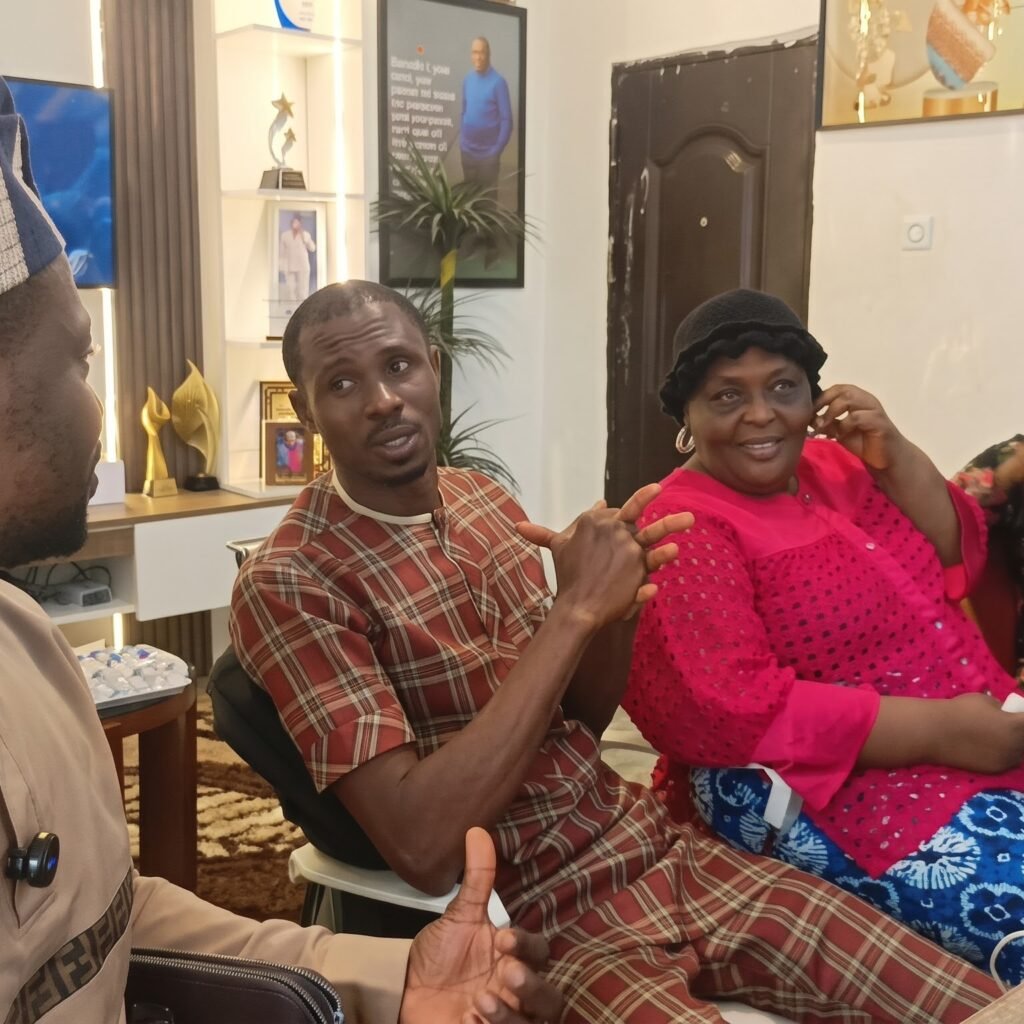
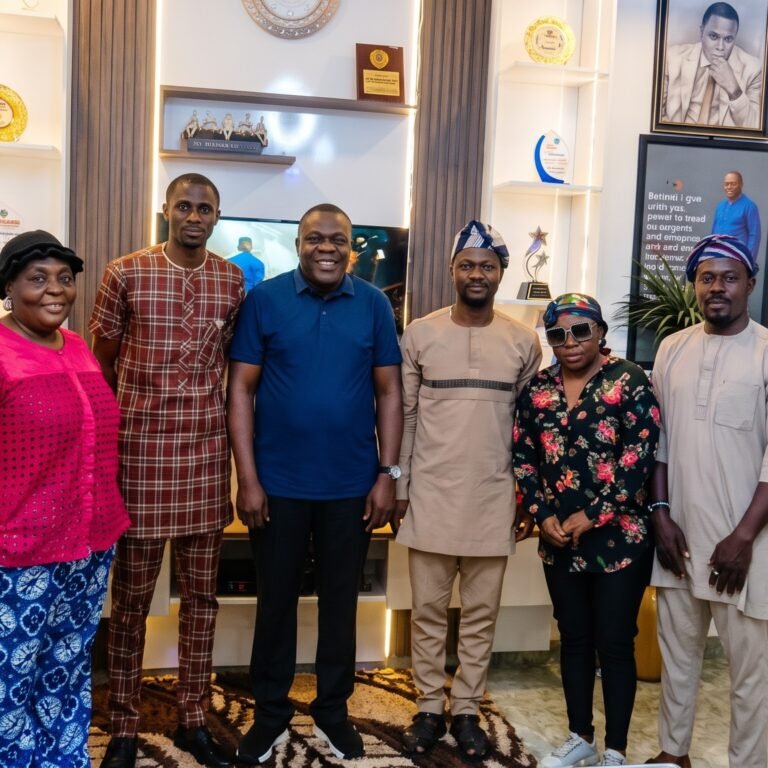
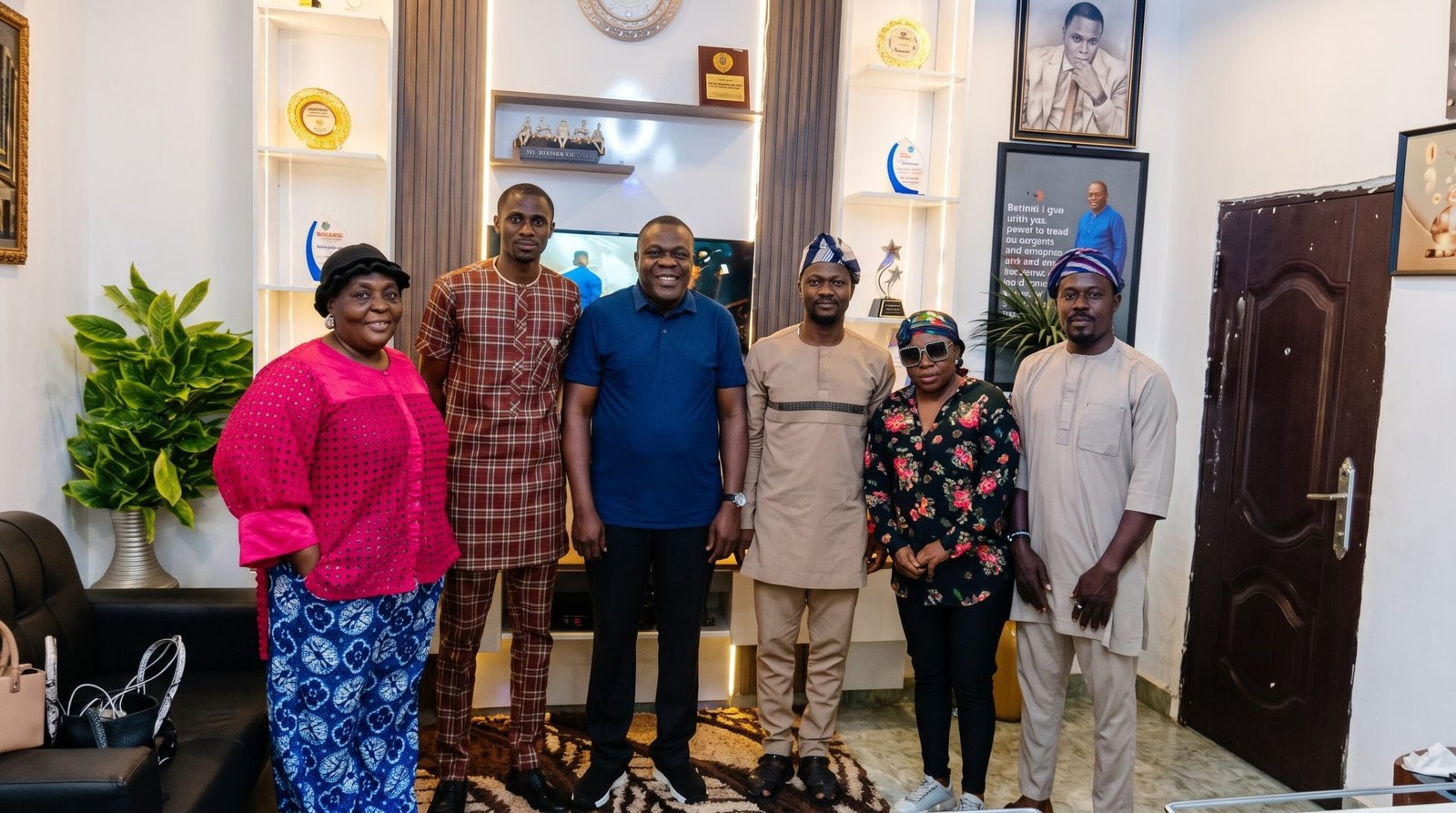
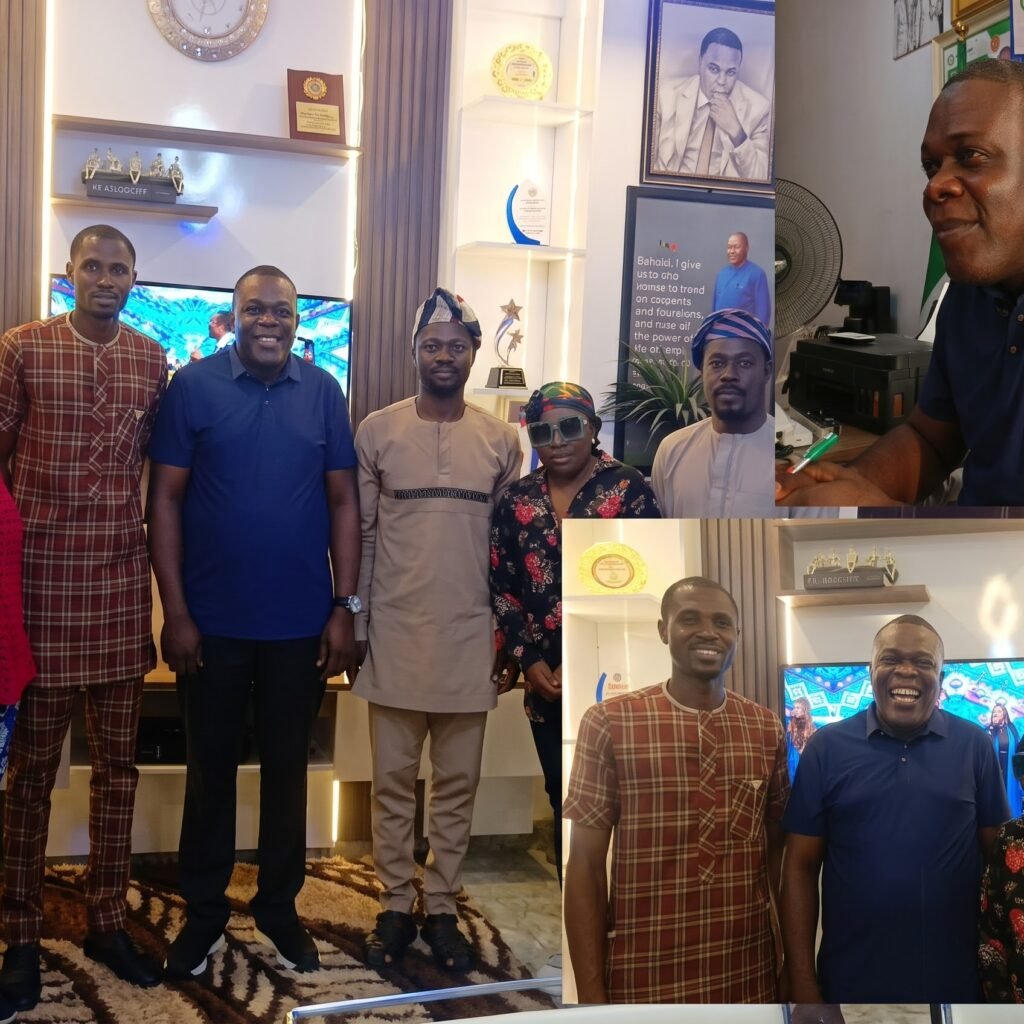
The Nigeria Union of Journalists (NUJ), Correspondents Chapel, Utako, Abuja, has paid a courtesy visit to the Executive Director of Still Waters Foundation and Pastor of Jesus Praise Evangelical Ministry International Dr Femi Lanre-Oke, commending his humanitarian work and support for vulnerable women, girls and widows.
The delegation, led by the chapel’s chairman, Comrade Felix Ojo, also congratulated Lanre-Oke on the 10th anniversary of Jesus Christ Evangelical Ministry, describing the milestone as an opportunity to recognise his contributions to society.
Ojo said the visit was intended to celebrate Lanre-Oke’s achievements in humanitarian services, community development and efforts to improve the welfare of disadvantaged Nigerians.
He noted that the work of the foundation reflected the ideals of democracy by addressing the needs of ordinary citizens and supporting people whose challenges often receive limited attention.
According to the NUJ chairman, Lanre-Oke’s contributions have also extended to the union, where he has offered encouragement and welfare support to journalists.
Ojo said the chapel considered it important to recognise individuals whose activities contribute to public welfare and improve the lives of people across communities.
Still Waters Foundation Targets Vulnerable Women and Girls
Responding, Lanre-Oke said Still Waters Foundation was committed to supporting disadvantaged members of society, particularly women, adolescent girls, widows and children from low-income households.
He disclosed that the foundation had supported some students with scholarships and provided assistance to women seeking to improve their livelihoods.
He also announced plans for a menstrual hygiene initiative aimed at distributing sanitary pads to 2,000 girls, particularly those from rural communities who struggle to afford menstrual hygiene products.
According to him, the initiative is intended to reduce the challenges faced by girls who lack access to basic menstrual hygiene supplies.
Lanre-Oke said the foundation’s focus on girls and women was informed by the discrimination and social disadvantages they continue to face, including barriers to education and economic opportunities.
He argued that investing in women was essential to national development because of their significant role in raising children, strengthening families and shaping society.
“When you empower a woman, you empower the nation,” he said in explaining the foundation’s approach to women’s development.
Foundation Supports Widows Through Skills Acquisition
Lanre-Oke also described some of the foundation’s interventions for widows and economically disadvantaged women, including skills acquisition, business start-up support and the distribution of essential food items.
He recalled an empowerment programme involving about 200 women in Lugbe, Abuja, where participants received training in the production of items such as perfume, insecticides and groundnut snacks.
According to him, the programme went beyond training, as participants were provided with materials to help them establish small businesses and begin earning an income.
He explained that the approach was designed to equip beneficiaries with practical skills they could use to support themselves and their families.
The foundation has also provided assistance to widows through food distribution, clothing materials and other forms of support.
Lanre-Oke said some beneficiaries received additional business-related assistance, while the foundation continued to support children from disadvantaged households with educational needs.
He identified widows as particularly vulnerable, noting that some face the loss of their homes and property following the death of their husbands.
He said the foundation intended to continue supporting vulnerable women through interventions that address both immediate needs and longer-term economic challenges.
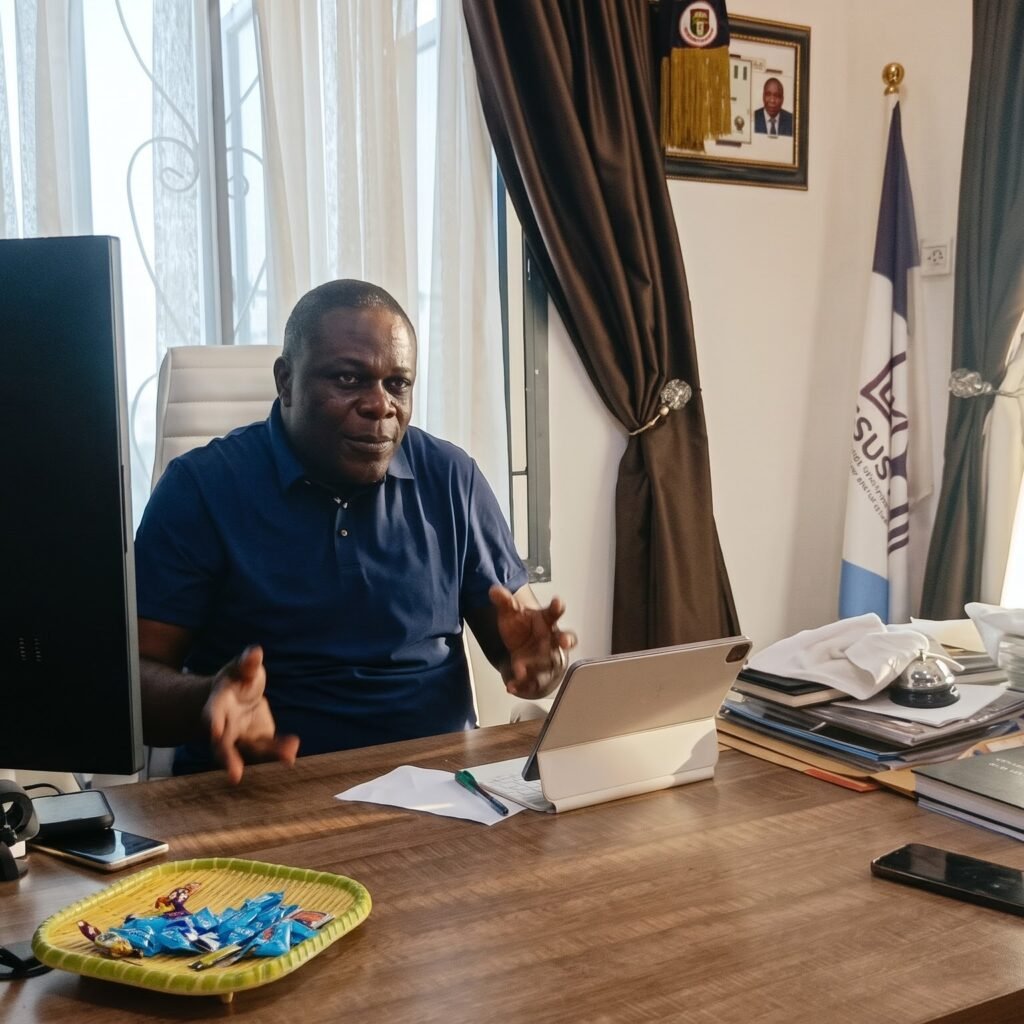
Lanre-Oke Challenges Media on Insecurity, Public Accountability
The foundation’s executive director also challenged Nigerian journalists to strengthen their reporting on insecurity, poor public services and other issues affecting ordinary citizens.
He questioned whether the media was doing enough to hold public institutions accountable and ensure that the concerns of Nigerians received sustained attention.
Citing a kidnapping incident involving members of a church community in Kaduna State, he described allegations that security personnel had advised victims’ relatives to pay ransom as troubling.
He recounted that the families were reportedly struggling to secure the release of abducted relatives despite informing security agencies.
He further alleged that information passed to the families suggested that the abductors had postponed a planned release because they were preparing to carry out another kidnapping operation.
The account, as presented by Lanre-Oke, could not be independently verified. The specific incident and the alleged conduct of security personnel would require confirmation from the affected families and relevant authorities.
He said such incidents demonstrated the need for sustained public attention to kidnapping and the difficulties families encounter when seeking help.
Calls for Action on Abuja’s Environmental Challenges
Lanre-Oke also raised concerns about waste disposal and poor environmental sanitation in parts of Abuja, including the Airport Road corridor.
He said the condition of some roadsides and accumulated refuse in the city raised questions about the effectiveness of public services and the response of relevant authorities.
According to him, he had made efforts to draw attention to the problem and press for action from responsible agencies.
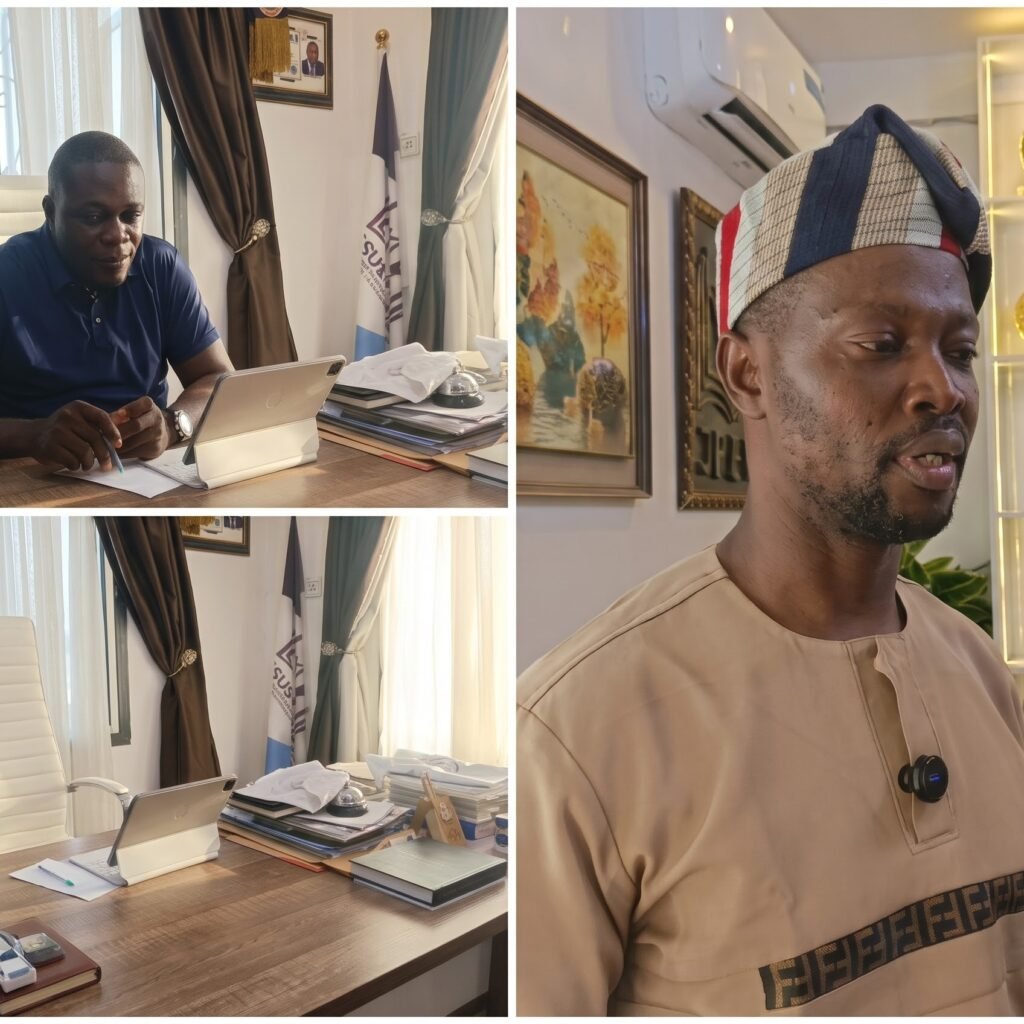
He suggested that the media could help drive accountability by documenting environmental problems in affected communities and consistently reporting whether the relevant authorities were responding.
He urged journalists to use their platforms to highlight issues that directly affect residents, rather than limiting public discourse to political disagreements.
Lanre-Oke called for greater cooperation among citizens, journalists and public institutions to address the country’s challenges.
He argued that building a better Nigeria required people and institutions to take responsibility for their respective roles in improving society.
The visit by the NUJ Correspondents Chapel, Utako, provided an opportunity to recognise the foundation’s humanitarian activities while drawing attention to the role of journalism in promoting public accountability and addressing challenges affecting vulnerable Nigerians.
Source: Media360Impact, based on remarks made during the NUJ Correspondents Chapel, Utako, courtesy visit to Dr Femi Lanre-Oke.