
By Gabriel Ameh
Nigeria’s National Register of Voters has crossed 103 million as the Independent National Electoral Commission (INEC) intensifies preparations for the 2027 general elections.
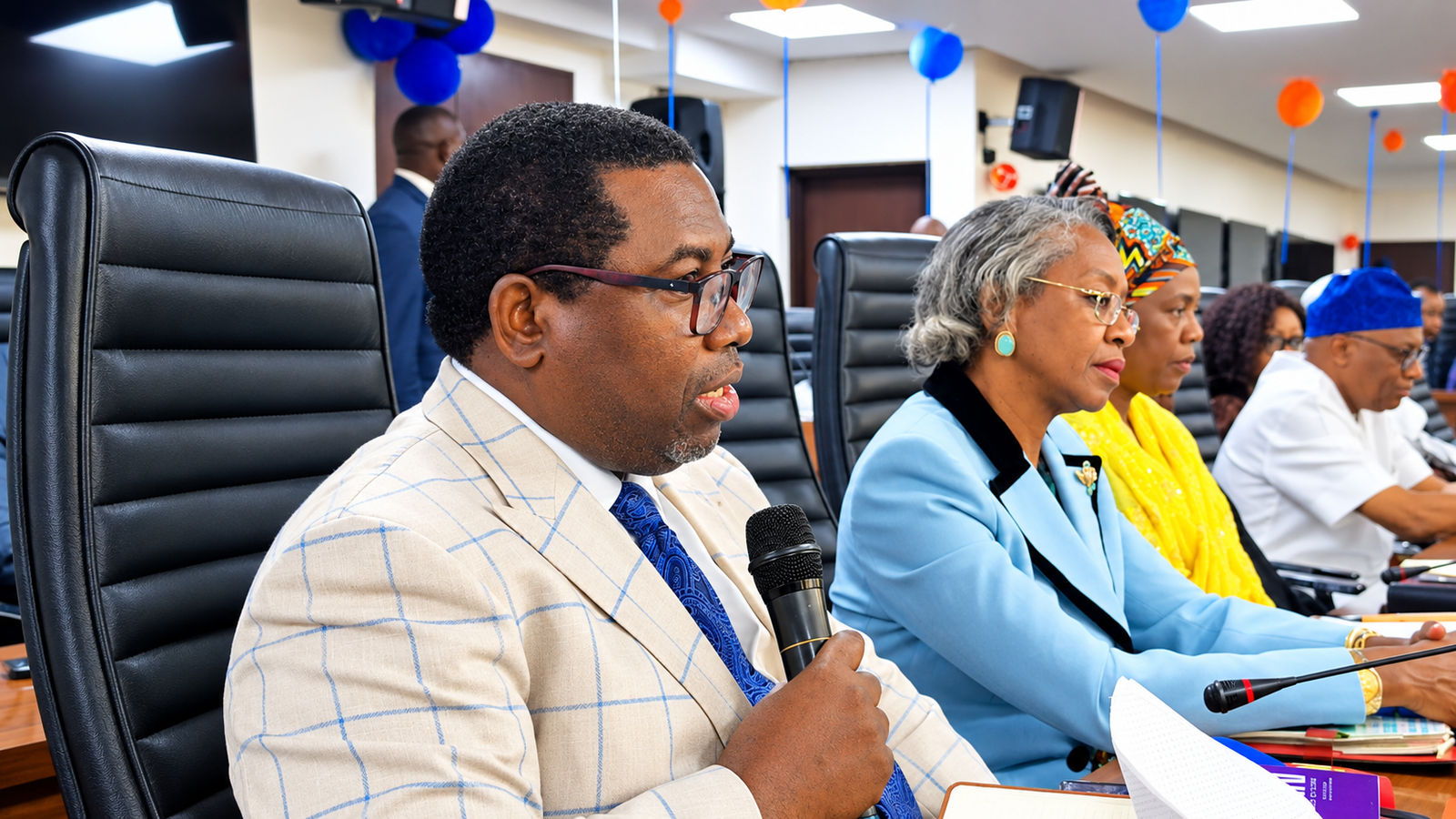
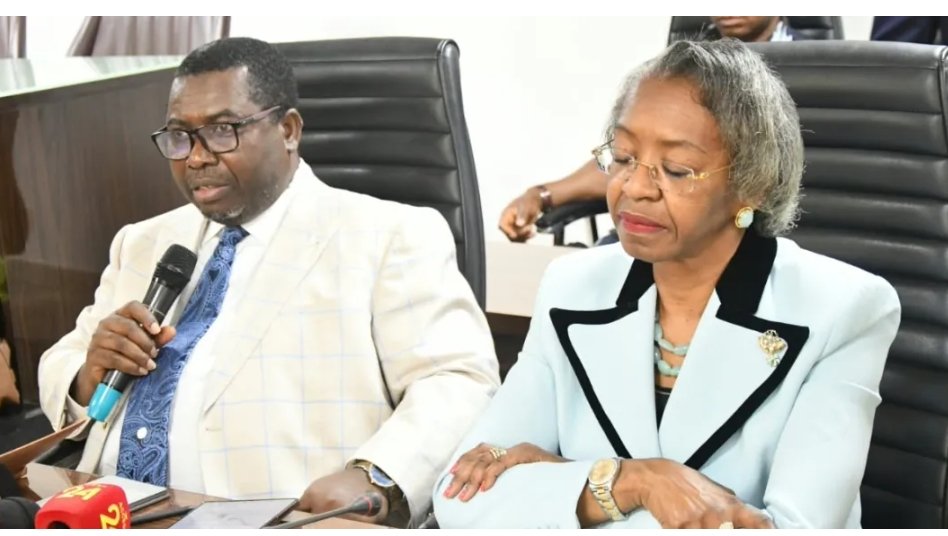
INEC Chairman, Prof. Joash Amupitan, SAN, disclosed this on Friday in Abuja while receiving the ECOWAS Pre-Election Fact-Finding Mission at the Commission’s national headquarters.
Amupitan described the 2027 elections as a significant milestone in Nigeria’s democratic journey since the return to civilian rule in 1999, stressing that credible, transparent and peaceful elections in Nigeria would be crucial to democratic stability across West Africa.
According to him, the Commission is preparing to conduct elections across the 36 states and the Federal Capital Territory, covering 774 Local Government Areas, 8,809 Registration Areas and 176,846 polling units.
He announced that the Presidential and National Assembly elections are scheduled for Saturday, January 16, 2027, while the Governorship and State Houses of Assembly elections will take place on Saturday, February 6, 2027.
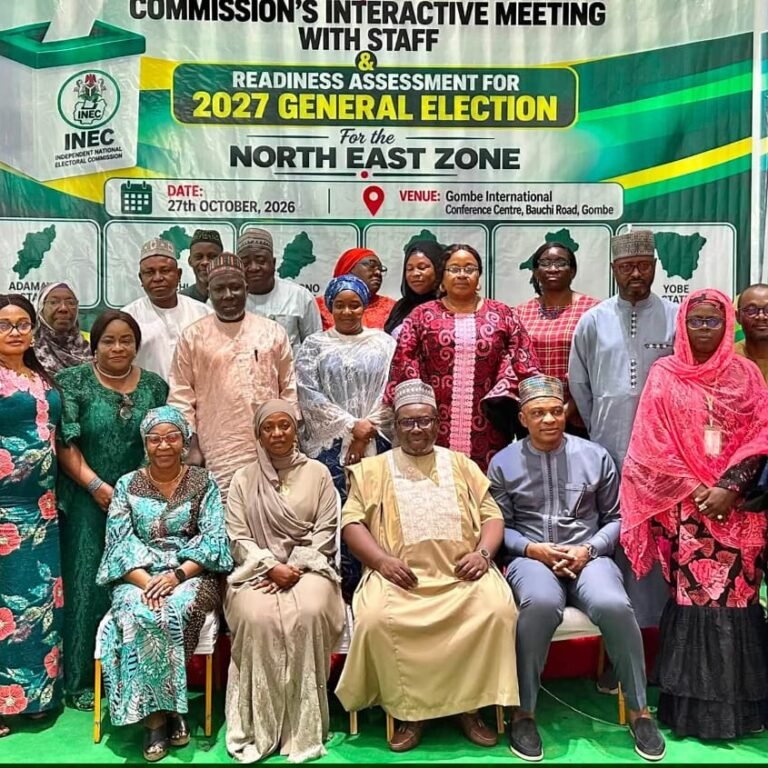
The INEC chairman disclosed that the Commission had adopted a field-based approach to electoral preparations, including Zonal Readiness Assessment Tours across the six geopolitical zones to evaluate operational capacity and identify possible challenges.
He said assessments had been completed in the South-West, North-West, South-East and North-East zones, while the exercise for the South-South was scheduled to take place in Port Harcourt, Rivers State.
Amupitan explained that the assessments allowed INEC to engage directly with field officials, inspect logistics and infrastructure, and consult traditional rulers and community leaders on preparations for the elections.
On its statutory obligations, the chairman revealed that INEC had successfully completed nine of the 14 major milestones outlined in its revised timetable and schedule of activities for the 2027 elections.
He added that the Commission had completed three phases of the Continuous Voter Registration exercise and concluded the physical display of the Preliminary Register of Voters at Registration Areas nationwide.
According to him, the preliminary register had also been uploaded to INEC’s dedicated online portal to allow Nigerians scrutinise their registration details, make claims and raise objections before the certification of the Final Register of Voters scheduled for December 15, 2026.
Amupitan further disclosed that INEC was strengthening its technological infrastructure to improve transparency, accountability and public confidence in the electoral process.
He said the Bimodal Voter Accreditation System (BVAS) would be deployed for biometric accreditation through fingerprint and facial recognition.
The Commission’s electronic result management systems, including the newly introduced eEC8A electronic verification platform, will also complement the existing INEC Result Viewing Portal (IReV) in strengthening the verification and transmission of election results.
However, the INEC chairman cautioned that technological improvements alone could not guarantee credible elections without the commitment, preparedness and welfare of personnel responsible for conducting the polls.
He assured the ECOWAS delegation that the Commission was prepared to provide detailed briefings on its electoral preparations and operational readiness during technical sessions.
The ECOWAS Pre-Election Fact-Finding Mission was led by former Sierra Leone Vice-President, Victor Bockarie Foh, while former ECOWAS Executive Secretary and former Speaker of the Parliament of Sierra Leone, Dr Abbas Chernor Bundu, served as Co-Head of Mission.
Other members included ECOWAS Commissioner for Political Affairs, Peace and Security, Ambassador Francess Piagie Alghali, alongside other officials and technical experts.
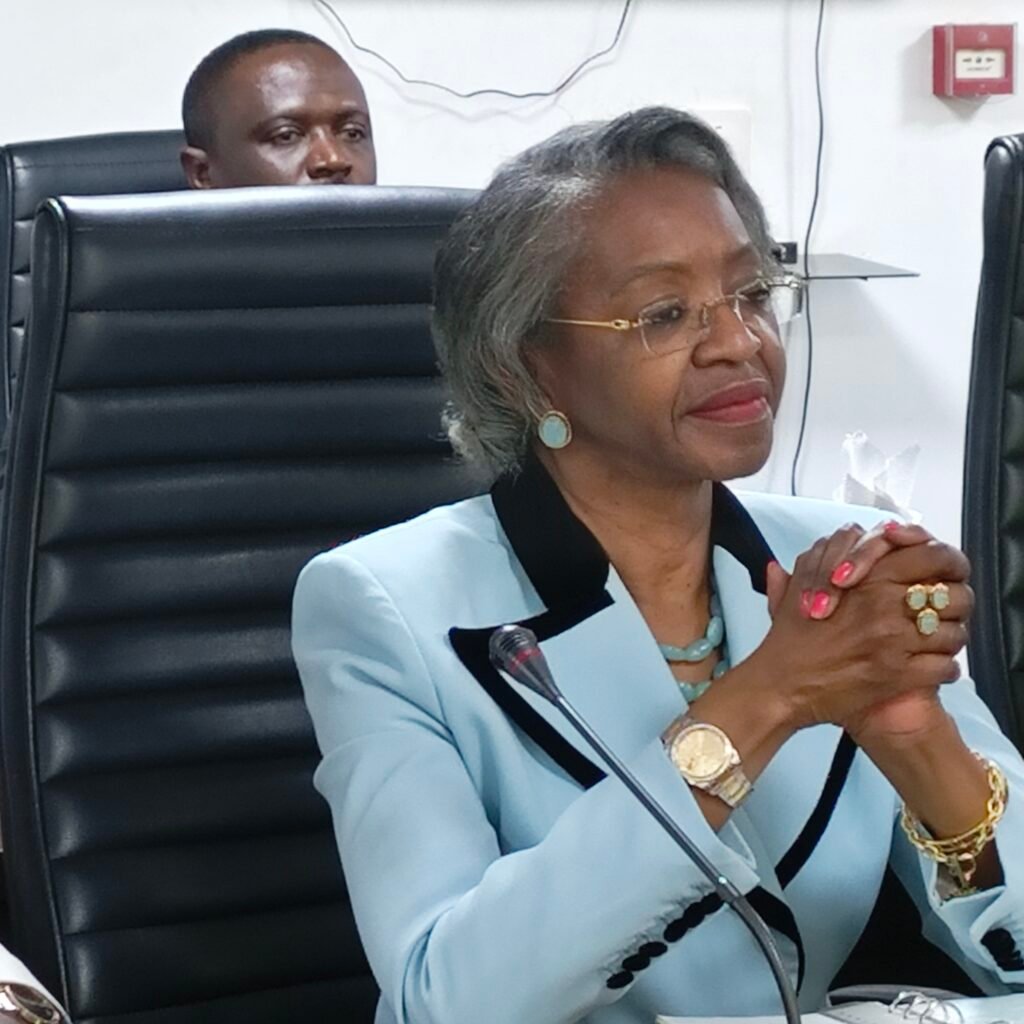
Welcoming the delegation, Amupitan described the visit as evidence of the shared commitment of Nigeria and ECOWAS to constitutional governance, democratic integrity and regional accountability.
He noted that Nigeria’s democratic stability was closely connected to the peace, security and prosperity of the West African sub-region.
Reaffirming the Commission’s neutrality, the INEC chairman maintained that the electoral umpire had no preferred candidate or political party ahead of the forthcoming elections.
“Our sole allegiance is to the rule of law, the sovereign will of the Nigerian electorate, and the democratic progress of our nation,” he said.
He appreciated ECOWAS for its continued partnership and support for democratic governance in West Africa, while expressing hope for a successful continuation of the delegation’s fact-finding mission.
With the voter register crossing 103 million and nine major electoral milestones completed, attention will increasingly focus on INEC’s ability to deliver credible, transparent and peaceful elections in January and February 2027.