
By Gabriel Ameh
The Nigeria Immigration Service (NIS) has called for stronger collaboration among government agencies, security institutions, development partners, community leaders and the media to combat irregular migration, human trafficking, migrant smuggling and travel fraud.
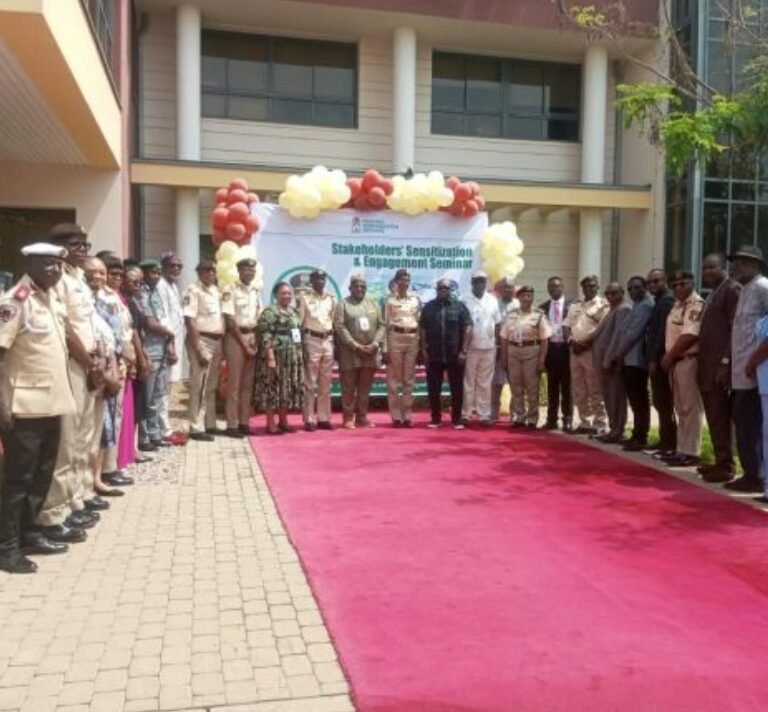
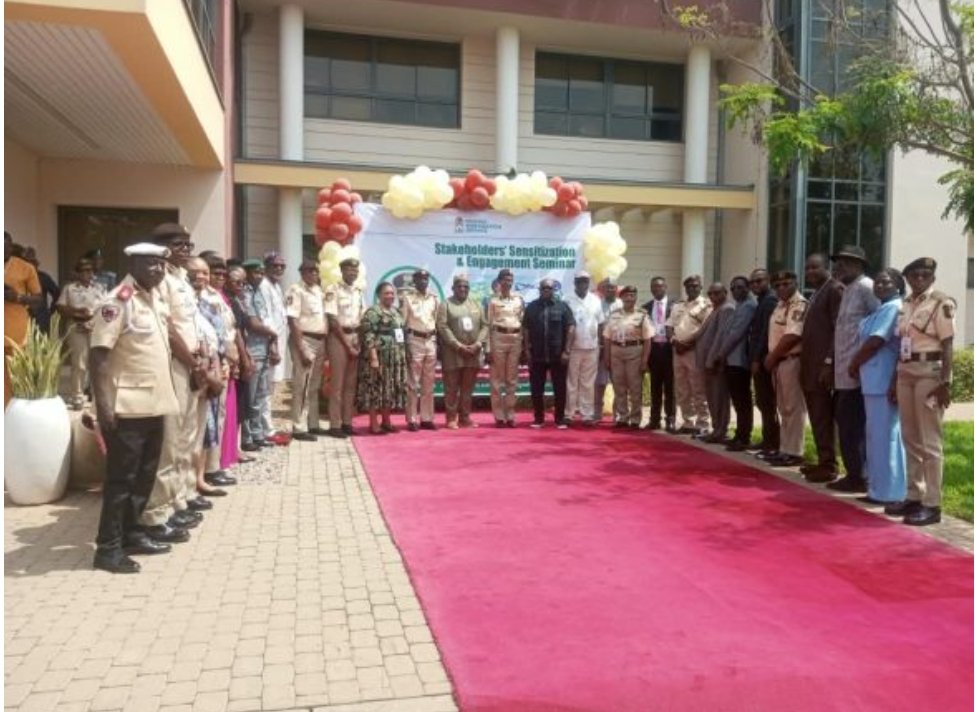
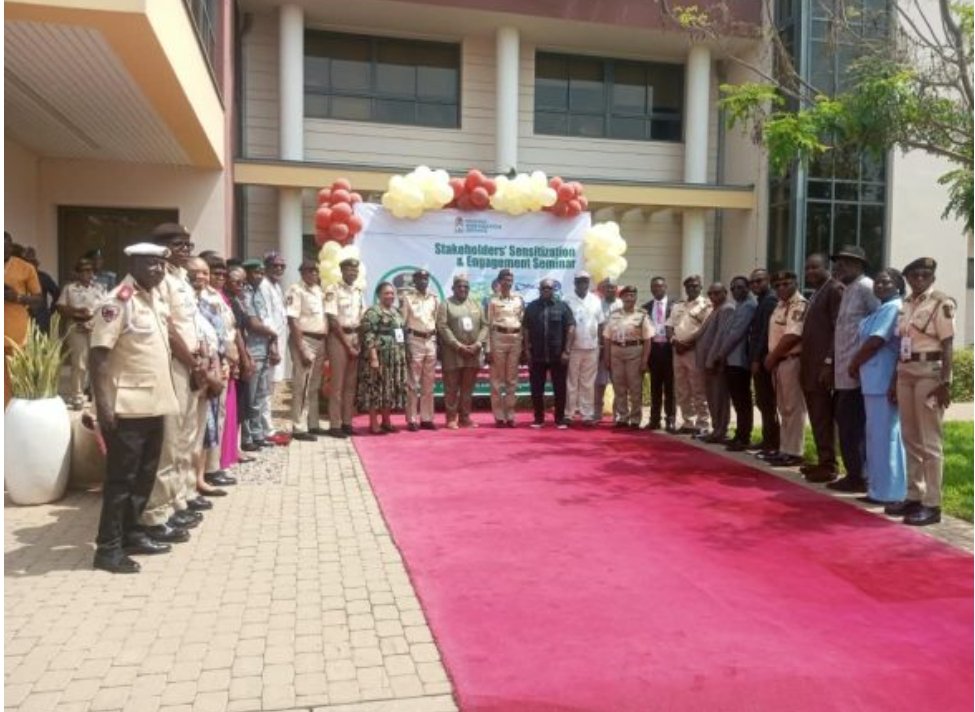
The Comptroller-General of the NIS, Kemi Nandap, made the call on Wednesday at a stakeholders’ sensitisation and engagement seminar themed “Bridging the Information Gap: Promoting Informed, Safe and Regular Migration.”
Nandap, represented by the Deputy Comptroller-General in charge of the Visa and Residence Directorate, Franca Nwanneka, said access to accurate and timely migration information was essential to protecting prospective migrants from exploitation.
She explained that inadequate information and poor intelligence sharing could expose Nigerians to human trafficking, migrant smuggling, travel fraud and other dangers associated with irregular migration.
According to her, tackling these challenges requires more than border restrictions, stressing the importance of equipping prospective migrants with reliable information about safe and lawful migration routes.
NIS Strengthens Border Management
The NIS chief said the service was improving its operational capacity through institutional reforms, modern border management technologies, intelligence gathering and better service delivery.
She identified the deployment of the Border Control and Immigration Management System and other technology-driven platforms as part of efforts to establish a modern, responsive and intelligence-led immigration service.
However, she noted that technology alone could not address all the factors driving irregular migration.
She stressed that public sensitisation, community engagement and cooperation among relevant institutions remained essential to effective migration management.
Nandap urged stakeholders to move beyond discussions and adopt practical measures to combat misinformation and ensure that reliable migration information reaches communities, particularly those vulnerable to exploitation.
She also encouraged participants to contribute their experiences and expertise during presentations, roundtable discussions and technical sessions to identify institutional gaps and develop workable solutions.
The Comptroller-General expressed appreciation to partner institutions, development partners, resource persons and participants for their continued support towards improving migration governance in Nigeria.
She subsequently declared the seminar open, expressing confidence that its deliberations would produce actionable recommendations for a safer and better-coordinated migration management system.
IOM, NiDCOM Call for Stronger Partnerships
In her goodwill message, a Senior Project Associate of the International Organization for Migration (IOM), Lady Lena Onoaha, reaffirmed the importance of collaboration in addressing irregular migration.
She described the seminar as an opportunity for stakeholders to examine practical ways to make regular migration more accessible and improve migration management in Nigeria.
Onoaha conveyed the goodwill of the IOM to participants and expressed hope that the discussions would produce practical recommendations and meaningful outcomes.
Also speaking, the Assistant Director and Head of Department at the Nigerians in Diaspora Commission (NiDCOM), Abiodun Akanbi, who represented the commission’s head, described irregular migration as a serious challenge requiring collective action from government institutions and society.
Akanbi called for stronger partnerships between NiDCOM, the NIS and other relevant organisations to address migration-related challenges.
He observed that the desire for better opportunities was often a major factor influencing migration decisions.
He also clarified the distinction between migration and diaspora, noting that although diaspora communities consist of people living outside their countries of origin, not every migrant necessarily belongs to a diaspora community.
He urged stakeholders to sustain their cooperation to strengthen migration management and ensure that relevant policies and interventions achieve their intended objectives.
Other participants also emphasised the need for sustained partnerships among government institutions, security agencies and other stakeholders to address irregular migration.
The seminar brought together relevant stakeholders to examine existing migration management approaches, address information gaps and explore practical ways to improve institutional cooperation.
The discussions focused on promoting informed migration decisions, expanding access to reliable information and strengthening efforts to protect Nigerians from exploitation associated with irregular migration.
The outcome of these engagements is expected to contribute to more coordinated approaches to migration governance and the promotion of safe, informed and regular migration in Nigeria.
Source: Nigeria Immigration Service (NIS) seminar proceedings and statements by participating institutions.