
By Media360Impact
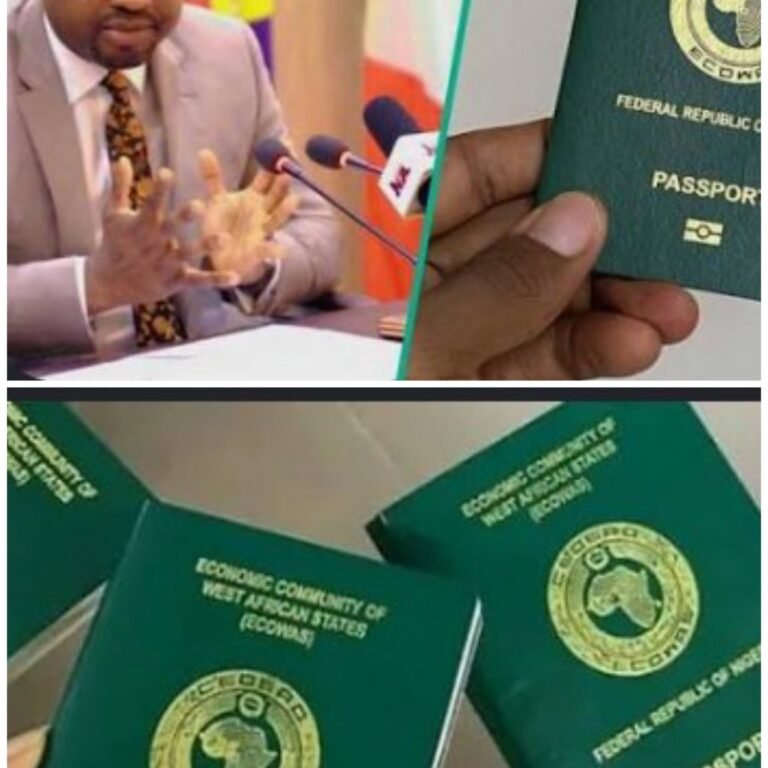
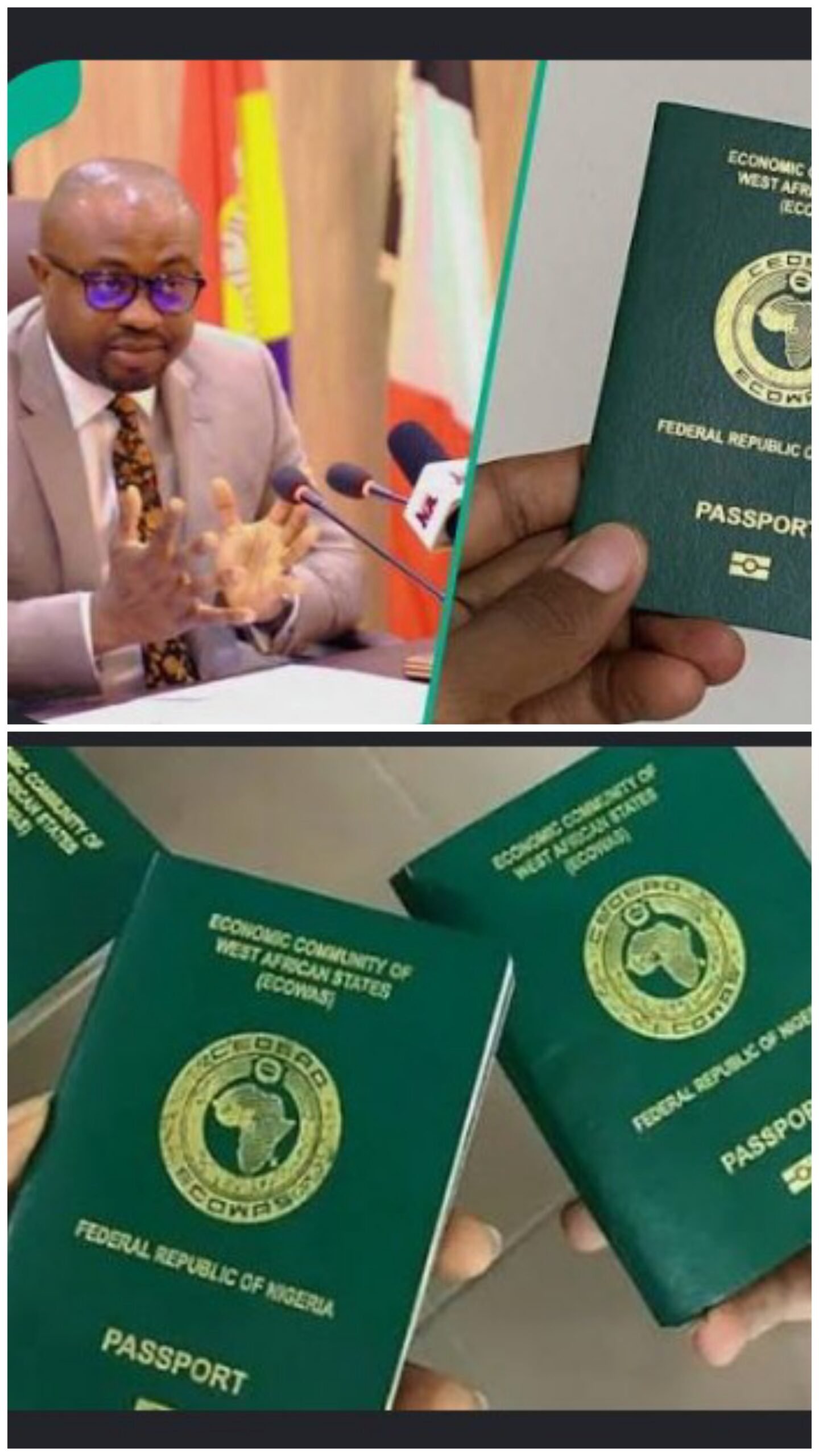
For millions of Nigerians, the Nigeria Immigration Service is associated with one thing: the passport.
You need a passport to travel. You apply through an Immigration office. You provide your documents, submit your biometrics and wait for the booklet.
But that familiar picture is changing.
Behind the passport application portal, airport immigration desks and border checkpoints, the Nigeria Immigration Service (NIS) is building a more technology-driven system for managing travel, identity, migration and Nigeria’s borders.
From biometric passports and contactless applications to electronic gates, passenger information systems, digital landing cards, cybersecurity and automated border controls, the transformation is already underway.
And it could change the experience of travelling into, out of and across Nigeria.
Immigration is no longer just about passports
The Nigeria Immigration Service has a much broader legal responsibility than issuing passports.
Under the Immigration Act, the Service is responsible for controlling people entering and leaving Nigeria, issuing Nigerian travel documents, issuing residence permits to foreigners, conducting border surveillance and patrol, and enforcing immigration laws.
That makes NIS an important institution at the intersection of travel, national security, migration, identity and technology.
Its current organisational structure reflects this wider responsibility.
The Service has dedicated directorates for Border Management, Migration, Visa and Residency, Passport and Other Travel Documents, Investigation and Compliance, and ICT and Cyber Security. It also has a specialised Innovation/Electronic Passport Management System unit.
In other words, technology is no longer an add-on to immigration operations.
It is becoming part of the core infrastructure.
The passport itself has been evolving
Nigeria’s move toward digital immigration did not begin yesterday.
The NIS introduced the Machine Readable Passport in 1998, the Combined Expatriate Residence Permit and Aliens Card in 2001, and later introduced online payment systems.
In 2007, Nigeria launched its biometric e-Passport, which the NIS describes as the first e-Passport introduced in Africa and one of the earliest globally.
The Service has continued to upgrade the passport.
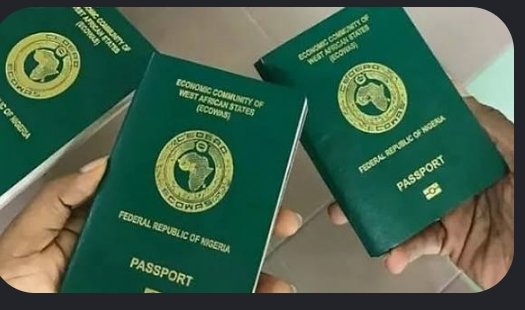
The Enhanced e-Passport introduced features including stronger security technology, polycarbonate construction, longer validity options, online processing and an electronic document-management system intended to allow applicants to track applications and improve communication.
For the ordinary traveller, however, the significance is simple:
Your passport is increasingly becoming a digital identity document, not merely a booklet containing your photograph.
A central passport factory is changing production
One of the biggest reforms has been the establishment of the Centralised Passport Personalisation Centre in Abuja.
The Federal Government says the facility is designed to dramatically increase passport production capacity.
According to the Ministry of Interior, the new system can raise production capacity from roughly 250–300 booklets per machine per day to more than 4,500–5,000 passports daily, with approved passports targeted for collection within 24 hours.
The idea is to move passport personalisation into a more centralised, automated environment.
That has two major implications.
First, it can increase production capacity.
Second, it can improve standardisation and security by reducing the dependence on fragmented manual production.
But the real test will not simply be how many passports a machine can produce.
The real test is whether Nigerians experience fewer delays, clearer communication and more predictable service.
Technology only becomes meaningful to the citizen when it solves a problem.
Nigerians abroad are also entering a new era of passport applications
Another significant innovation is the Contactless Biometric Passport Application System.
The system is designed particularly to make passport services more accessible to Nigerians living outside the country.
Instead of requiring every stage of the process to be completed through a conventional physical application experience, eligible applicants can use the digital system for parts of the process.
But the journey has not been entirely without challenges.
In September 2025, NIS acknowledged technical difficulties experienced by some Nigerians using the contactless system and said it had upgraded the payment gateway while addressing problems affecting applicants.
At the same time, the Service said the system had already processed and issued more than 15,000 passports to Nigerians abroad.
This highlights an important reality about digital government.
A digital platform can remove distance and reduce bureaucracy.
But if the platform has technical problems, payment failures or difficulties with authentication, the technology can create a different kind of frustration.
The lesson is that digital transformation must be accompanied by reliable infrastructure and responsive customer support.
The Nigerian passport is also getting stronger international digital authentication

One of the less visible developments could have a major impact on Nigerians travelling abroad.
In July 2026, Nigeria completed the importation of its Country Signing Certificate Authorities into the International Civil Aviation Organization’s Public Key Directory, known as the ICAO PKD.
According to NIS, this establishes a digital chain of trust that allows Nigerian passports to be verified by border-control systems in ICAO PKD member states. The Service said the move was intended in part to address passive-authentication challenges experienced by some Nigerian passport holders at foreign border-control points.
What does that mean in ordinary language?
When a Nigerian traveller presents an electronic passport abroad, the immigration system of another country needs to establish that the document is genuine.
Digital certificates help foreign border systems verify the authenticity of the electronic passport.
The traveller may never see this technology.
But it is working behind the scenes.
The airport immigration desk is also changing
Another major development is the increasing use of electronic immigration gates, commonly called e-gates.
The concept is straightforward.
Instead of every passenger being processed manually by an immigration officer, eligible travellers can be processed through automated systems that use travel-document and biometric information.
The aim is to make legitimate travel more efficient while allowing immigration officers to focus attention on passengers who require additional checks.
This represents a fundamental change in border management.
The question is no longer simply:
“Who is standing in front of the immigration officer?”
It is increasingly:
“What does the available information tell us about this traveller before and during the border process?”
That brings us to another major technology: passenger information systems.
Immigration can increasingly know about a traveller before arrival
Modern border management does not necessarily begin when an aircraft lands.
The Advanced Passenger Information System, or APIS, allows relevant passenger information to be transmitted electronically to authorities.
This can allow immigration authorities to conduct checks and risk assessment before passengers reach the border.
The Federal Ministry of Interior has said Nigeria’s use of passenger information systems has strengthened border control and contributed to the interception of persons appearing on INTERPOL Red Notices at Nigerian entry points.
That demonstrates how technology is changing the role of an immigration officer.
Instead of relying only on what happens at the immigration desk, officers can increasingly use information collected before the traveller arrives.
Landing and exit cards are going digital
Another part of the changing immigration process is the use of digital landing and exit cards.
The NIS currently identifies landing and exit cards as mandatory travel documents for passengers entering or departing Nigeria.
The broader move toward digital processing means passenger information can be collected electronically rather than depending entirely on traditional paper forms.
That may sound like a small administrative change.
It is not.
Digital forms can make information easier to store, retrieve and analyse while reducing the amount of manual paperwork involved in border processing.
For an ordinary traveller, it could eventually mean completing immigration information before reaching the border rather than filling forms during the journey.
Nigeria is also moving toward smarter visa processing
Technology is changing how Nigeria deals with foreigners coming into the country.
The government’s immigration reform agenda includes efforts toward automated visa processing and stronger pre-arrival screening.
The objective is to make legitimate travel easier while allowing authorities to conduct more effective security checks before a foreign traveller reaches Nigeria.
That could have implications for tourism, business travel, international investment and Nigeria’s wider image as a destination.
But once again, the balance matters.
A modern visa system has to achieve two things at the same time:
make legitimate travel easier and maintain effective security controls.
What happens at Nigeria’s land borders?
Nigeria’s immigration technology story is not limited to airports.
The country has extensive land borders with neighbouring countries, making border management a major operational challenge.
The NIS Border Management Directorate covers land border control and patrol, airport control and aerial patrol, seaport control and marine patrol.
Technology is increasingly being used to strengthen these operations.
One important system is MIDAS — the Migration Information and Data Analysis System.
It forms part of the broader digital architecture being used to improve border management, identity verification and migration control.
The goal is to move away from a system that depends overwhelmingly on paper documents and manual checks toward one where information can be captured, verified and shared electronically.
This is also about human trafficking and irregular migration
Border control is not simply about preventing foreigners from entering Nigeria.
It is also about protecting people.
NIS operations deal with issues including irregular migration, migrant smuggling, document fraud and human trafficking.
The Service has reported operations at border points involving people denied entry or exit because of inadequate travel documentation or suspected irregular migration, as well as the rescue of people affected by trafficking and child labour.
This is particularly important in the context of the growing “Japa” conversation.
Leaving Nigeria to seek better opportunities abroad is not itself an immigration offence.
The danger comes when people become dependent on smugglers, fraudulent documents, unsafe migration routes or trafficking networks.
That is why the modern immigration debate is increasingly about safe, orderly and regular migration, not simply stopping people from crossing borders.
The biggest transformation may be happening inside the data
There is another side of digital immigration that ordinary travellers may not immediately see.
Every digital passport, biometric verification, visa application and passenger-information system produces or processes sensitive information.
That makes cybersecurity a national-security issue.
NIS now has a dedicated ICT and Cyber Security Directorate responsible for cybersecurity, communications and hardware maintenance, as well as software and IT management.
And this issue is becoming increasingly visible.
In September 2026, NIS received a delegation from TrendAI/Trend Micro to explore possible collaboration around cybersecurity architecture, artificial intelligence integration and protection of NIS digital infrastructure.
The discussions included data privacy, system compatibility, capacity building and cybersecurity protection.
This is important because the more immigration services become digital, the more valuable the underlying data becomes.
A modern immigration system therefore has to defend not only physical borders but also digital borders.
Artificial intelligence is entering the conversation
The NIS’s engagement with technology companies around AI and cybersecurity shows where the next phase of immigration management could be heading.
Artificial intelligence could potentially support areas such as document analysis, anomaly detection, risk assessment and cybersecurity.
But AI also creates questions that cannot be ignored.
How is sensitive personal information protected?
How are automated decisions checked?
What happens when a system incorrectly flags a legitimate traveller?
Who remains responsible when technology makes an error?
These questions will become increasingly important as automation expands.
Technology can make immigration faster and potentially more secure.
But human oversight remains important.
Nigeria’s borders are becoming part of a regional digital system
Nigeria’s transformation is also taking place within a wider West African effort.
ECOWAS has been working toward stronger regional border management, including improved interoperability between border-management information systems and the use of biometric identity systems.
The wider objective is to make legitimate regional movement easier while strengthening the ability of authorities to detect irregular movement and cross-border crime.
For Nigeria, which sits at the centre of West Africa’s population and economic activity, this has significant implications.
The future border may therefore be less about a physical checkpoint alone and more about how different identity, travel and security systems communicate with one another.
But there is one question Nigerians will ultimately ask
All of these systems sound impressive.
Centralised passport production.
Biometrics.
Contactless applications.
ICAO authentication.
E-gates.
Passenger information.
Digital landing cards.
Smart border systems.
Cybersecurity.
Artificial intelligence.
But Nigerians will ultimately judge the transformation by a much simpler measure:
Does the service work?
Can someone apply for a passport without unnecessary stress?
Can an applicant track the application accurately?
Can a Nigerian abroad renew a passport without travelling long distances unnecessarily?
Can a legitimate traveller move through an airport efficiently?
Can a foreign visitor obtain a visa through a transparent process?
Can border officers detect genuine security threats without unnecessarily inconveniencing legitimate travellers?
And can the government protect the enormous amount of personal information being collected?
Those questions matter because digital transformation is not successful simply because a government launches an app, installs machines or introduces an electronic gate.
It succeeds when technology produces a better, safer and more reliable experience for people.
The bigger picture
The Nigeria Immigration Service is moving beyond its traditional image as the agency that issues passports.
Its role increasingly touches digital identity, cybersecurity, international travel, migration management, border security, biometrics, data and artificial intelligence.
The transformation is already visible.
The passport is becoming more secure and digitally connected.
Passport production is becoming more centralised.
Nigerians abroad are gaining access to contactless application systems.
International authentication of Nigerian e-passports is being strengthened.
Airports are moving toward automated border processing.
Passenger information is increasingly being used before travellers reach immigration desks.
Land borders are being supported by digital information systems.
And the Service is beginning to explore how AI and advanced cybersecurity can protect its growing digital infrastructure.
The real story, therefore, is not simply about a new passport machine or an electronic gate.
It is about something much bigger:
Nigeria is building a digital border.
And for ordinary Nigerians, that could eventually mean that the next time they travel, much of what happens at the border will take place not just in front of an immigration officer, but inside a network of biometric, digital and data-driven systems working behind the scenes.
The challenge for the Nigeria Immigration Service will be ensuring that this technological transformation delivers what citizens ultimately want:
secure borders, faster services, reliable systems and an immigration experience built around people.
Media360Impact will continue to track how these reforms affect Nigerians at home and abroad.