

By Gabriel Ameh
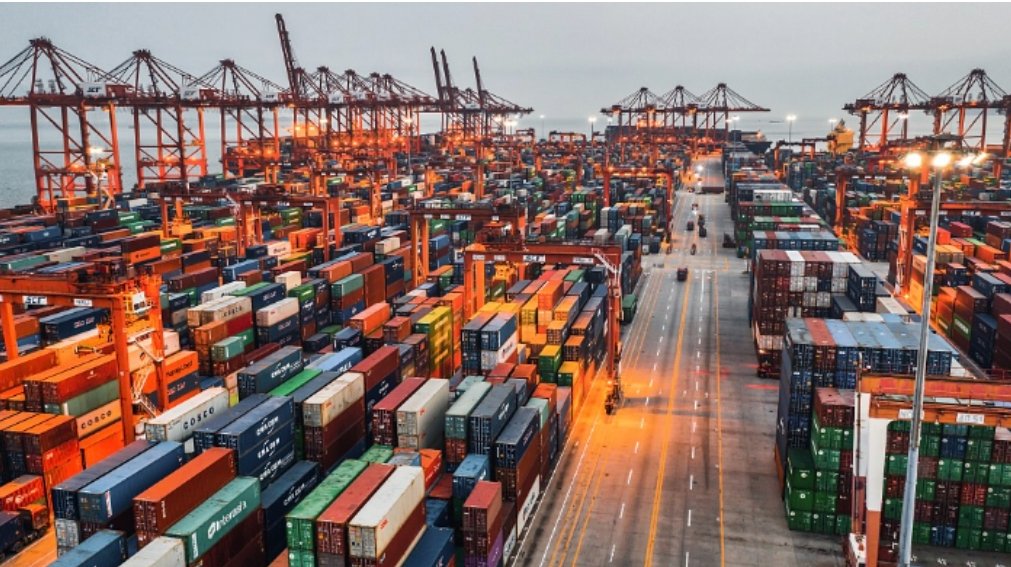
China’s total imports and exports of goods climbed 17.3 percent year-on-year to 30.13 trillion yuan, equivalent to about $4.2 trillion, in the first seven months of 2026.
The figure was contained in official data released by China’s General Administration of Customs on Friday, highlighting the continued strength of the world’s second-largest economy in global trade.
Trade activity maintained strong momentum through July, although growth moderated slightly from the faster pace recorded in June.
AI and Technology Demand Support Growth
The sustained expansion was partly driven by strong global demand for technology and artificial intelligence-related hardware.
Growing investment in AI infrastructure worldwide continued to support Chinese exports of chips, computers and other high-value mechanical and electrical products.
The technology-driven demand has provided an important boost to China’s export sector as businesses and governments globally increase spending on AI computing infrastructure and related technologies.
Exporters Respond to Tariff Changes
Another factor supporting trade growth was the acceleration of shipments ahead of anticipated changes in international tariff policies.
Chinese exporters reportedly brought forward delivery schedules as businesses sought to manage potential increases in foreign tariffs and other changes in global trade conditions.
The strategy helped sustain export activity despite continuing uncertainty in international markets.
Weather Disruptions Pose Minor Challenge
China’s trade operations also faced some logistical challenges during the period, including seasonal extreme weather.
Regional typhoons affected port operations and throughput in some areas, creating temporary disruptions to the movement of goods.
Despite these challenges, China’s overall trade performance remained resilient during the first seven months of the year.
The latest figures underline the continued importance of China in global supply chains, particularly in technology, manufacturing and other high-value goods, while also reflecting the growing influence of AI-related demand on international trade.