
By Gabriel Ameh
The Nigerian Meteorological Agency (NiMet) is advancing a digital platform designed to give farmers, livestock keepers and agricultural advisers easier access to location-specific weather and climate information.
Known as the NiMet Data Hub, the platform is being developed in partnership with the International Livestock Research Institute (ILRI) and Crea2Solutions.
The project has progressed from its initial design and mock-up stage to an advanced Minimum Viable Product (MVP), with NiMet’s weather and climate services currently undergoing testing.
Work on the platform began in February 2026 under the Climate Services for Youth (CS4Y) and Alliance for a Green Revolution in Africa (AGRA) programmes. By July, the project had moved from early design into a testable product.
The Data Hub is intended to improve access to historical, monitored and forecast climate information while supporting risk assessment, seasonal planning and climate-informed decisions across Nigeria’s agricultural sector.
Bridging Nigeria’s Climate Information Gap
Project officials and partners say the platform is being developed in response to challenges affecting agricultural climate services, including fragmented data, limited coordination among information providers and difficulties translating technical weather forecasts into practical advice for farmers and other users.
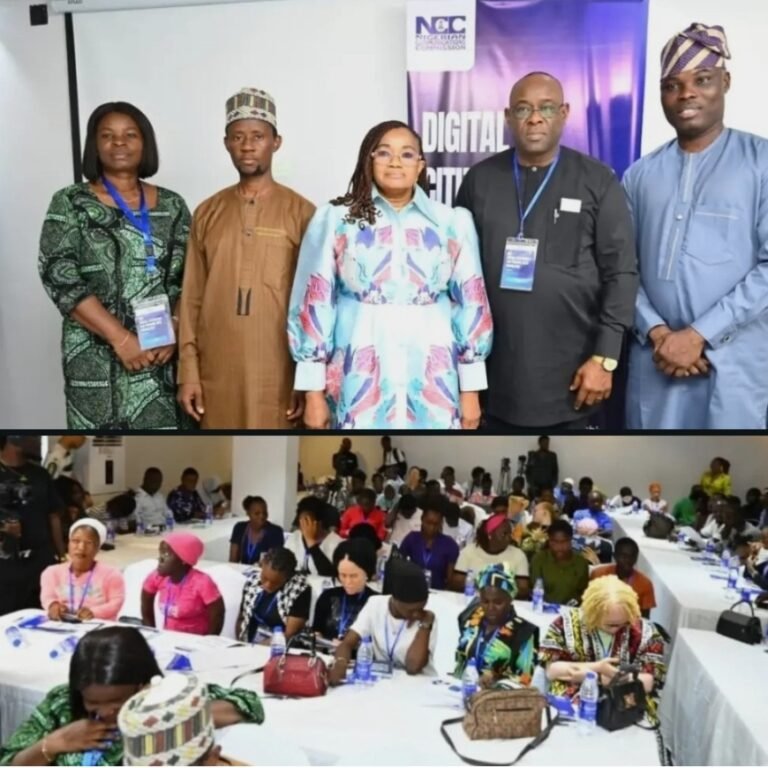
Stakeholder engagements co-hosted by NiMet and ILRI have focused on mapping Nigeria’s agro-meteorological data and advisory ecosystem, identifying information and delivery gaps and strengthening links among institutions providing climate information.
The engagements have also examined ways to improve last-mile communication and ensure that climate services take gender and social inclusion into account.
Who Will Use the NiMet Data Hub?
The platform is expected to serve a broad range of users, including farmers, pastoralists, agricultural extension professionals, researchers, government agencies and private-sector advisory providers.
NiMet’s existing resources, including online map rooms and agricultural climate products, are expected to contribute data to the system.
This could enable the development of more context-specific agro-weather advisories, allowing agricultural producers and advisers to access information that is more closely aligned with local weather and climate conditions.
ILRI’s role is linked to its broader work in organising research data, developing digital tools and making scientific information more accessible to partners and decision-makers.
Supporting Climate-Smart Agriculture
The initiative aligns with Nigeria’s broader priorities around food security, climate-smart agriculture and digital services under the Renewed Hope Agenda of President Bola Ahmed Tinubu.
By improving access to usable weather and climate information, the Data Hub is intended to help farmers and other agricultural stakeholders prepare for weather-related risks, support better planning and potentially reduce climate-related losses.
As testing continues, the platform represents an effort to move climate information beyond technical datasets and into more practical digital services for Nigeria’s agricultural communities.