By Gabriel Ameh
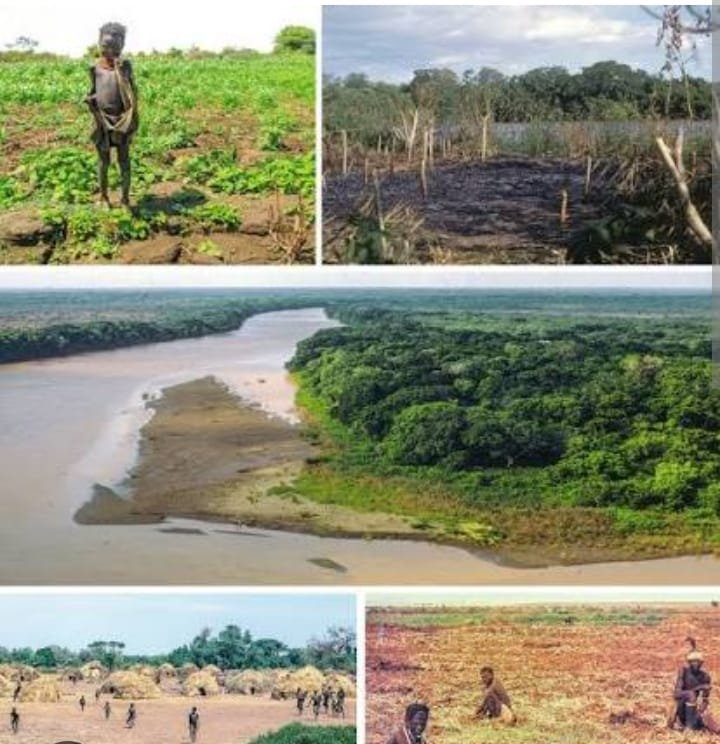
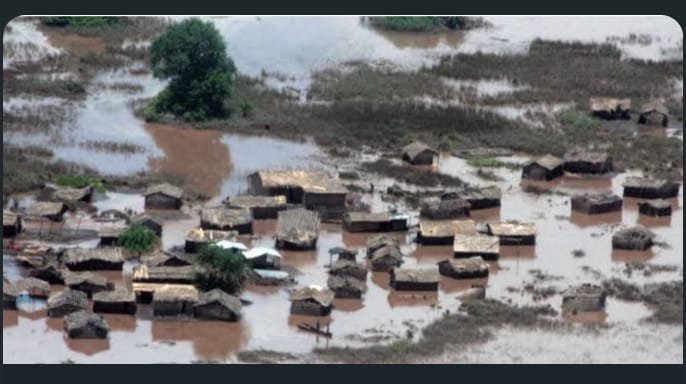
On a humid August morning in 2024, 62-year-old Musa Abdullahi stood barefoot at the edge of what used to be his farmland in Koton Karfi, Kogi State. The maize he planted with borrowed money had vanished overnight. In its place was a swollen, fast-moving river that smelled of rot and loss.
“I have farmed this land since I was a boy,” he said, shaking his head. “The rain never behaved like this before.”
Across Nigeria, that same sentence is being repeated in different languages, in different states, by people who have never met but are losing the same fight.
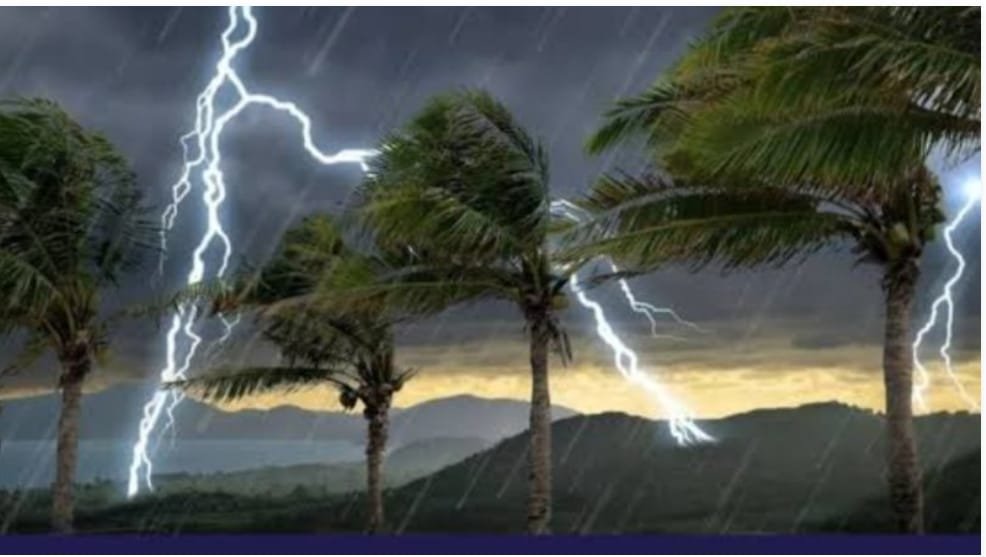
THE NEW NORMAL NIGERIANS WERE NEVER WARNED ABOUT
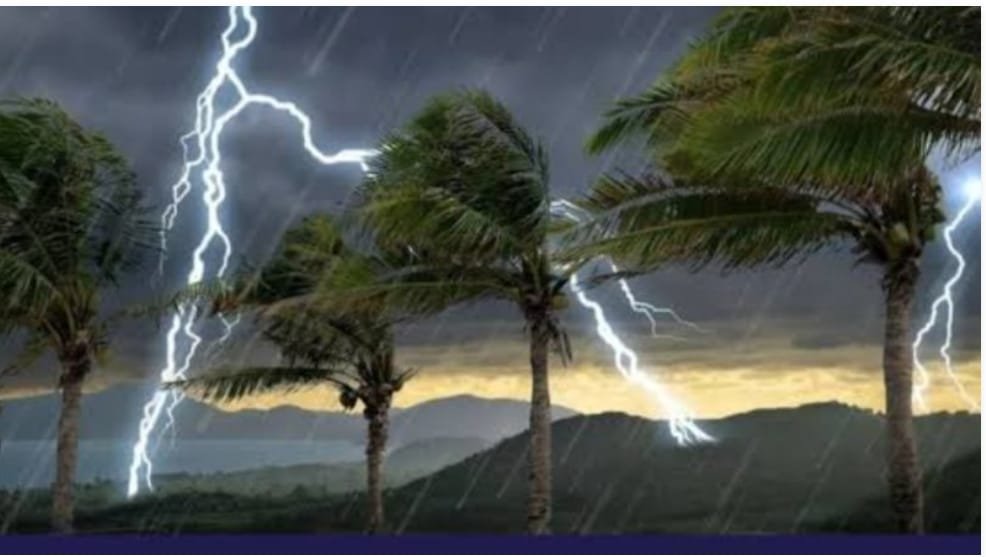
Nigeria’s rainfall patterns have changed sharply over the last two decades. According to climate researchers, rainfall intensity has increased even as predictability has declined. When it rains now, it pours often overwhelming rivers, dams, drainage systems, and communities within hours.
In 2022, flooding displaced more than 1.4 million Nigerians and killed over 600 people, making it one of the country’s worst climate disasters in recent history. By 2024 and into 2025, the scale of destruction has continued less dramatic on paper, but no less devastating for those affected.
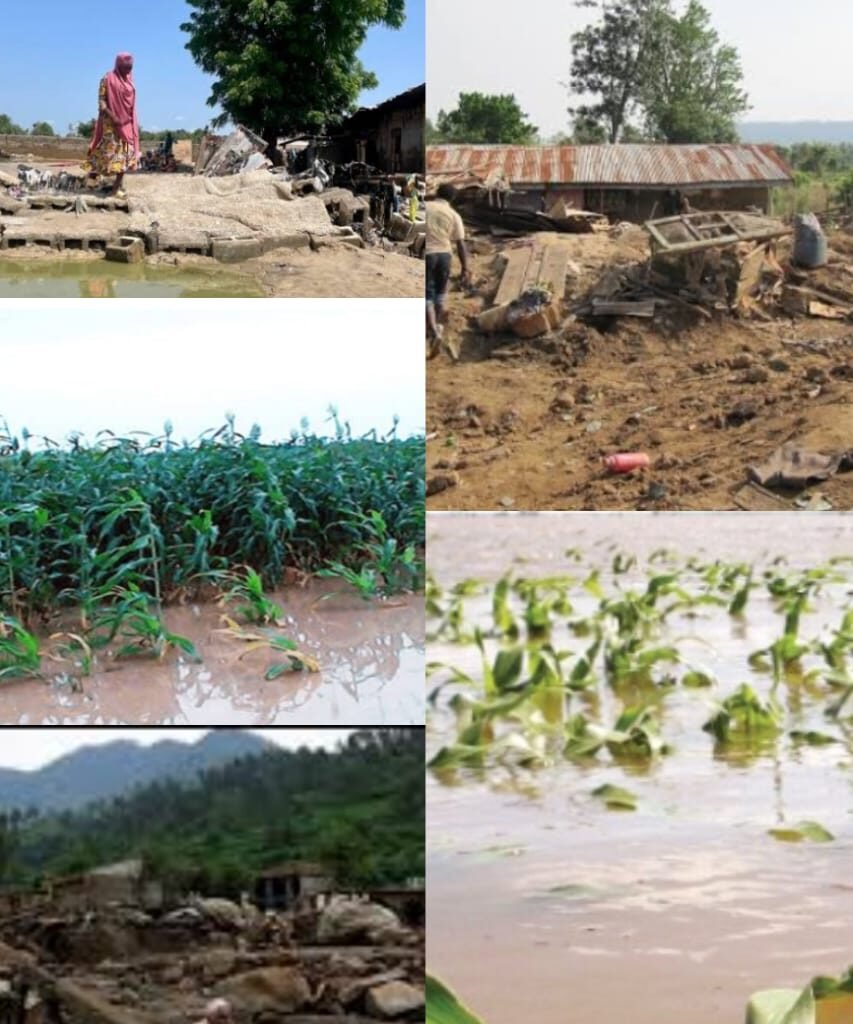
Flooding has now become seasonal in states like Kogi, Anambra, Bayelsa, Niger, Adamawa, Benue, and parts of Lagos. What was once described as an “emergency” is quietly turning into a permanent condition.
In Ogbaru Local Government Area of Anambra State, entire communities now plan their lives around water levels.
“We don’t ask if flooding will happen again,” said trader Ifunanya Okorie, whose shop has been submerged twice in three years. “We only ask when.”
FOOD, WATER, AND THE SLOW COLLAPSE OF RURAL LIFE
Agriculture employs more than one-third of Nigeria’s workforce and feeds millions beyond that number. Yet smallholder farmers who produce the majority of Nigeria’s food are also the least protected against climate shocks.
Erratic rainfall ruins planting calendars. Floods wash away topsoil built over generations. Prolonged dry spells follow heavy rains, killing crops that somehow survived the water.
In Benue State, farmers report declining yields year after year. In Kebbi and Jigawa, rice farmers say unpredictable floods now destroy seedlings before maturity. The result is less food, higher prices, and deeper poverty.
“When the crops fail, everything fails,” said Sunday Terna, a farmer in Guma. “School fees, hospital bills, food everything depends on the farm.”
Flooding also contaminates drinking water sources, triggering outbreaks of cholera, typhoid, and malaria, especially in overcrowded displacement camps. Women and children are the most exposed. After floods, girls are more likely to drop out of school, while women spend longer hours searching for clean water and food.
Climate change, in effect, is quietly reversing development gains.
WHEN CITIES FLOOD, POVERTY RISES FASTER
Climate change is no longer confined to rural Nigeria.
In Lagos, Africa’s largest city, heavy rainfall now routinely brings traffic to a standstill, floods homes, and shuts down businesses. In July 2024, just a few hours of rain submerged parts of Ajegunle, Lekki, Ikoyi, and Agege, stranding residents and damaging properties worth millions of naira.
Experts warn that rising sea levels and the destruction of wetlands are turning Lagos into a climate trap. Coastal erosion threatens communities, while poor drainage and uncontrolled construction worsen every rainfall event.
“The city is expanding into areas meant to absorb water,” said an environmental planner in Lagos. “Nature always collects its debt without negotiation.”
For low-income residents, flooding means lost income, damaged goods, health risks, and repeated rebuilding with no insurance and little government support.
POLICIES ON PAPER, PAIN ON THE GROUND
Nigeria has climate policies, early warning frameworks, and an Ecological Fund designed to respond to environmental crises. It has signed global climate agreements and pledged adaptation measures.
Yet in many flood-prone communities, residents say they receive no early warnings, no evacuation support, and little or no relief after disasters strike.
Local leaders complain that emergency responses are reactive, not preventive. Environmentalists argue that deforestation, illegal mining, blocked waterways, and weak urban planning continue unchecked, turning heavy rain into catastrophe.
“Climate change is treated as a future issue,” said a climate policy analyst in Abuja. “But people are already paying with their lives and livelihoods.”
ADAPTATION WITHOUT SUPPORT
Across Nigeria, communities are adapting on their own.
In Bayelsa, houses are built on stilts. In flood-prone villages, farmers plant early, late, and sometimes twice hoping one harvest survives. Youth groups clear drainage channels abandoned by local authorities.
But adaptation has limits.
Migration is increasing as families abandon farmland and move into already overcrowded cities. Competition for jobs and resources deepens insecurity. Climate pressure quietly fuels conflict.
Climate change is no longer just an environmental issue. It is a food crisis, a health emergency, an economic threat, and a security risk.
A QUESTION THAT CAN NO LONGER WAIT
As the clouds gather again this rainy season, millions of Nigerians listen anxiously to the sky uncertain whether the rain will nourish or destroy them.
Climate change did not start in Nigeria. But its consequences are now firmly rooted in Nigerian soil.
The real question is no longer whether climate change is real.
It is whether Nigeria will keep reacting to disasters or finally prepare for them.
For Musa Abdullahi in Koton Karfi, the future feels dangerously uncertain.
“If the rain comes again like last year,” he said quietly, “I don’t know where my family will go.”