
By Nankpak Cirfat
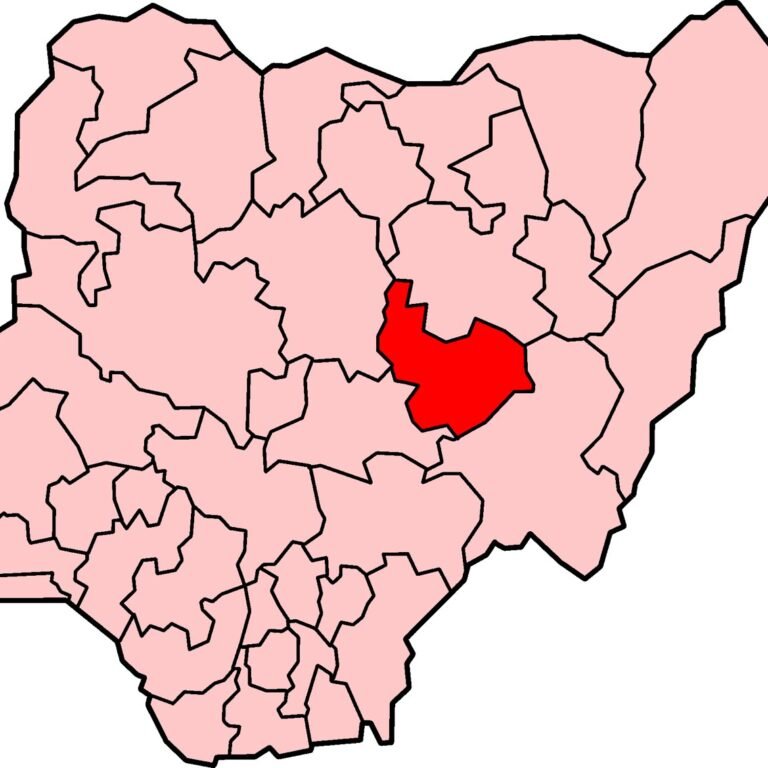
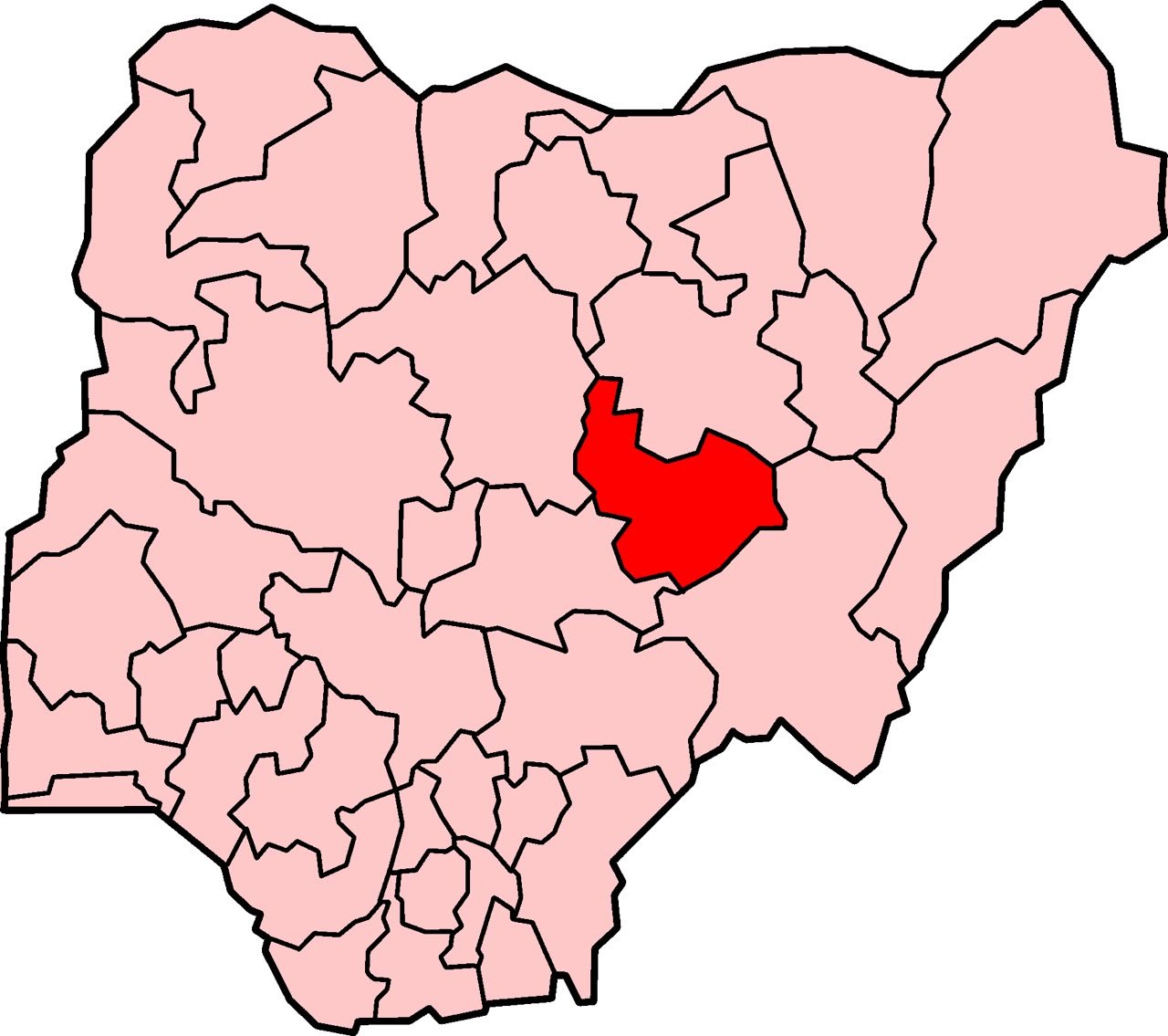
Fourteen years after fleeing terror attacks, displaced families in Plateau State are still struggling to rebuild their lives, with questions mounting over the implementation of the state’s resettlement plan.
Fourteen Years Away From Home
For Danladi, the hope of returning home remains unfulfilled.
Displaced from his village of Dogo in 2012 following terror attacks, Danladi has spent 14 years living with his family in a rented apartment in Barkin Ladi town, Plateau State.
When he first arrived, someone helped him secure accommodation. Today, he bears the cost himself, despite being unable to return to his ancestral home.
His experience reflects the prolonged hardship faced by thousands of internally displaced persons (IDPs) across Plateau State, many of whom continue to live away from their communities because of insecurity.
According to the International Organization for Migration (IOM), approximately 55,000 internally displaced persons were registered in Plateau State as of early 2025. However, the actual number may be higher because some displaced families live in rented accommodation or with relatives rather than in formal displacement camps, leaving them potentially underrepresented in official figures.
Across Nigeria, the country has more than 3.6 million internally displaced persons, placing it among the countries with the largest internal displacement populations worldwide, according to the IOM.
The scale of insecurity in Plateau State further illustrates the challenge. Data compiled by the Armed Conflict Location and Event Data Project (ACLED) recorded 282 security incidents and 737 fatalities in the state between January 2024 and August 2025.
For affected families, displacement means more than losing their homes. It can also mean losing access to farmland, livelihoods, family connections and the opportunity to rebuild their lives independently.
Years after fleeing violence, many continue to ask a fundamental question: when will they be able to return home safely?
The Resettlement Plan That Has Yet to Deliver Clear Answers
On March 25, 2024, the Plateau State Government inaugurated a task force to coordinate the resettlement of internally displaced persons in Barkin Ladi, Bokkos, Riyom, Mangu and Bassa local government areas.
The task force was mandated to identify displaced communities, determine resettlement requirements and establish the security measures needed to support safe returns. It was expected to complete its assignment within eight weeks.
Following assessment visits, the task force submitted a report to Governor Caleb Mutfwang in May 2025.
The report recommended a phased return of displaced residents, security arrangements and the provision of materials to support reconstruction. The governor was reportedly expected to seek assistance from the Federal Government to implement the recommendations.
These steps established a framework for addressing the displacement crisis. However, affected families and the wider public still need clear information about what has happened since the report was submitted.
Which recommendations have been approved? What funding has been released? Which communities have received assistance? And when can displaced residents expect to return safely?
These questions are particularly important given the length of time many families have spent away from their ancestral homes.
Zang Apollos, chairperson of the Plateau Youth Council in Barkin Ladi, said that, to the best of his knowledge, no community in the local government area had received the tractors, housing assistance or economic empowerment support expected under the resettlement initiative.
His assessment has not been independently verified across every community. Nevertheless, it highlights the need for the government to publish information that would allow residents to establish what has been delivered and what remains outstanding.
Making the task force’s report publicly available, alongside an implementation update, would help clarify the situation.
Communities Taken Over, Families Still Displaced
The concerns surrounding resettlement are compounded by reports that armed groups have taken over several communities in Plateau State.
Governor Mutfwang has said publicly, including during an interview on Channels Television, that at least 64 communities across Bokkos, Barkin Ladi and Riyom have been taken over by armed groups, renamed and occupied by people who displaced their original residents.
For families from affected communities, the prospect of returning home is complicated by questions of security, access to land and the ability to resume normal life.
Jerry Pam, who is from Gana Ropp community in Barkin Ladi but now lives in the Niger Delta, was displaced following an attack on his community between June 23 and 24, 2018.
During the attack, his family house and his father’s house were partially burned.
Pam said he was unaware of any state government intervention directed at his family since the incident.
Although he and other members of his community have made attempts to return, persistent killings and the occupation of much of their farmland have made it difficult to remain permanently.
“Their illegal settlements are spreading like wildfire,” he said.
When