
0-0x0-0-0-{}-0-0#
By Gabriel Ameh
📍Abuja | Media360Impact Report
Nigeria’s path to sustainable socio-economic development lies not in natural resources alone but in a deliberate return to core values, professionalism, and collective responsibility, the National Orientation Agency (NOA) has said.
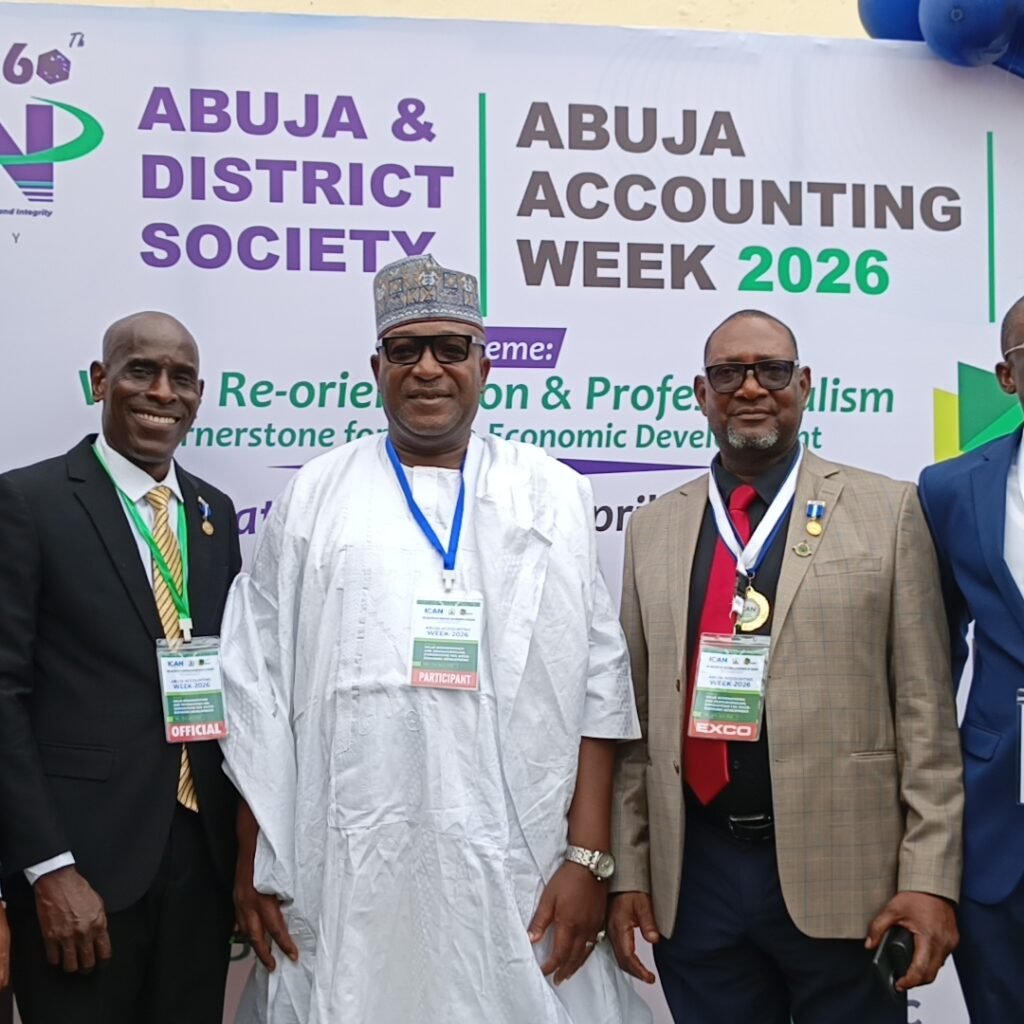
This formed the central message at the 3rd Edition of Abuja Accounting Week (AAW) 2026, organised by the Institute of Chartered Accountants of Nigeria (ICAN), Abuja and District Society, in collaboration with key stakeholders.
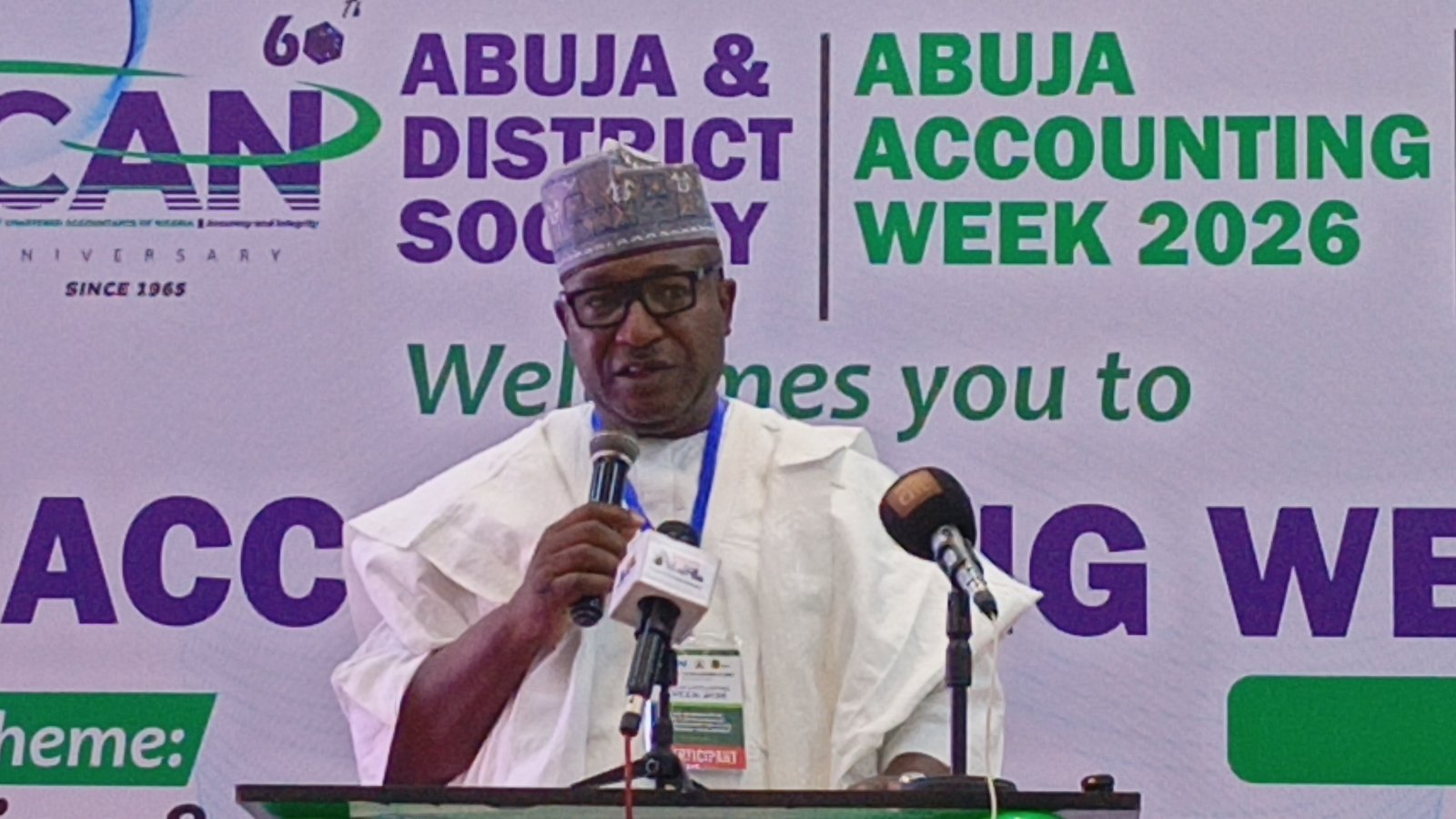
Delivering the keynote address on behalf of the Director General of NOA, Mallam Lanre Issa Onilu, the Director of Media and Communication, Bala Musa, stressed that Nigeria’s development challenges are deeply rooted in a crisis of values rather than capacity.
According to him, “No nation can rise above the quality of its values. When integrity fails, systems collapse; when discipline is ignored, institutions falter.”
He explained that the theme of the conference, “Value Re-orientation and Professionalism: Cornerstone for Socio-Economic Development,” reflects the urgent need for Nigerians to reconnect their daily conduct with national aspirations.
Values as Foundation for National Growth
The NOA highlighted that corruption, inefficiency, and declining public trust are symptoms of a deeper disconnect between shared national goals and individual behavior.
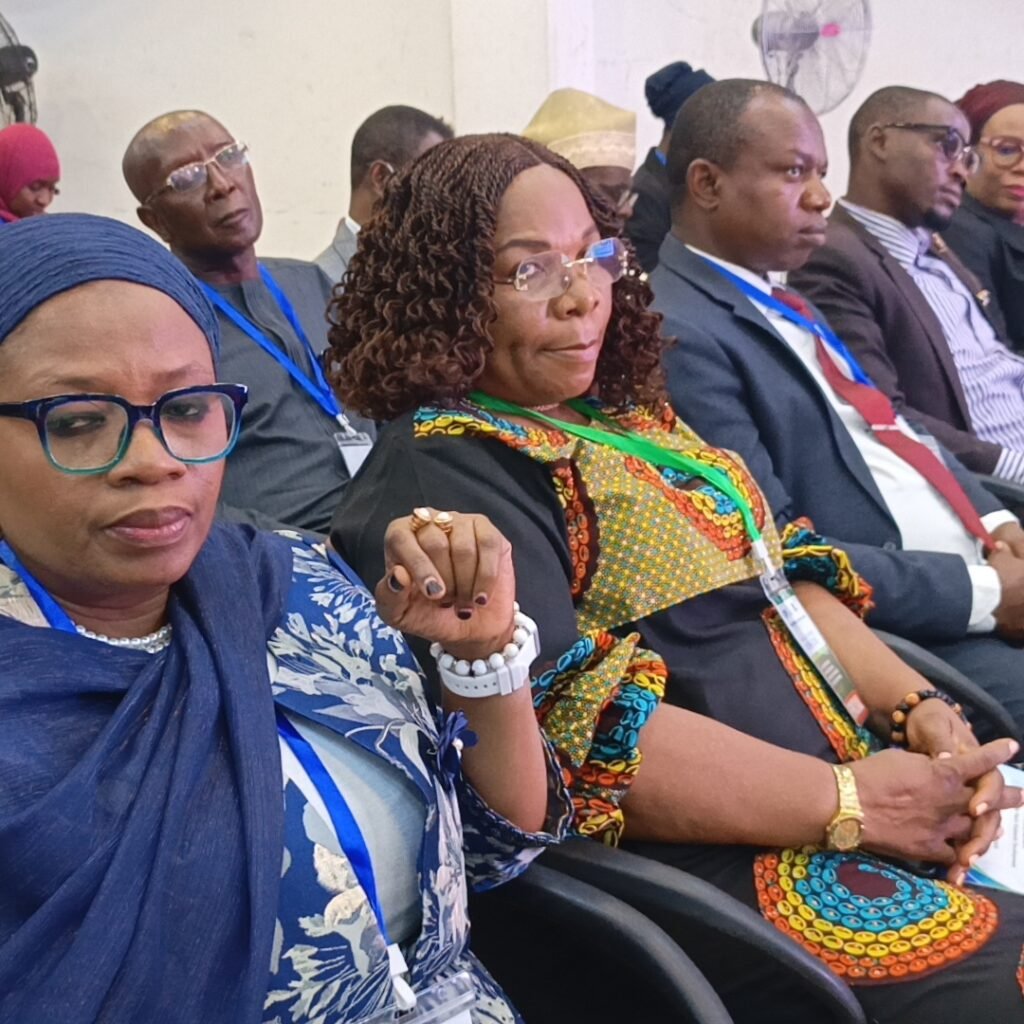
Mallam Onilu emphasized that professionalism must go beyond technical competence to include ethical conduct, transparency, accountability, and discipline.
“Accountants are not just record-keepers; they are custodians of trust and stewards of national confidence,” he said.
He further unveiled the agency’s ongoing Nigerian Identity Project, anchored on the National Values Charter, describing it as a renewed social contract between government and citizens.
Under this framework, citizens are expected to uphold integrity and responsibility, while government must demonstrate fairness, justice, and accountability.
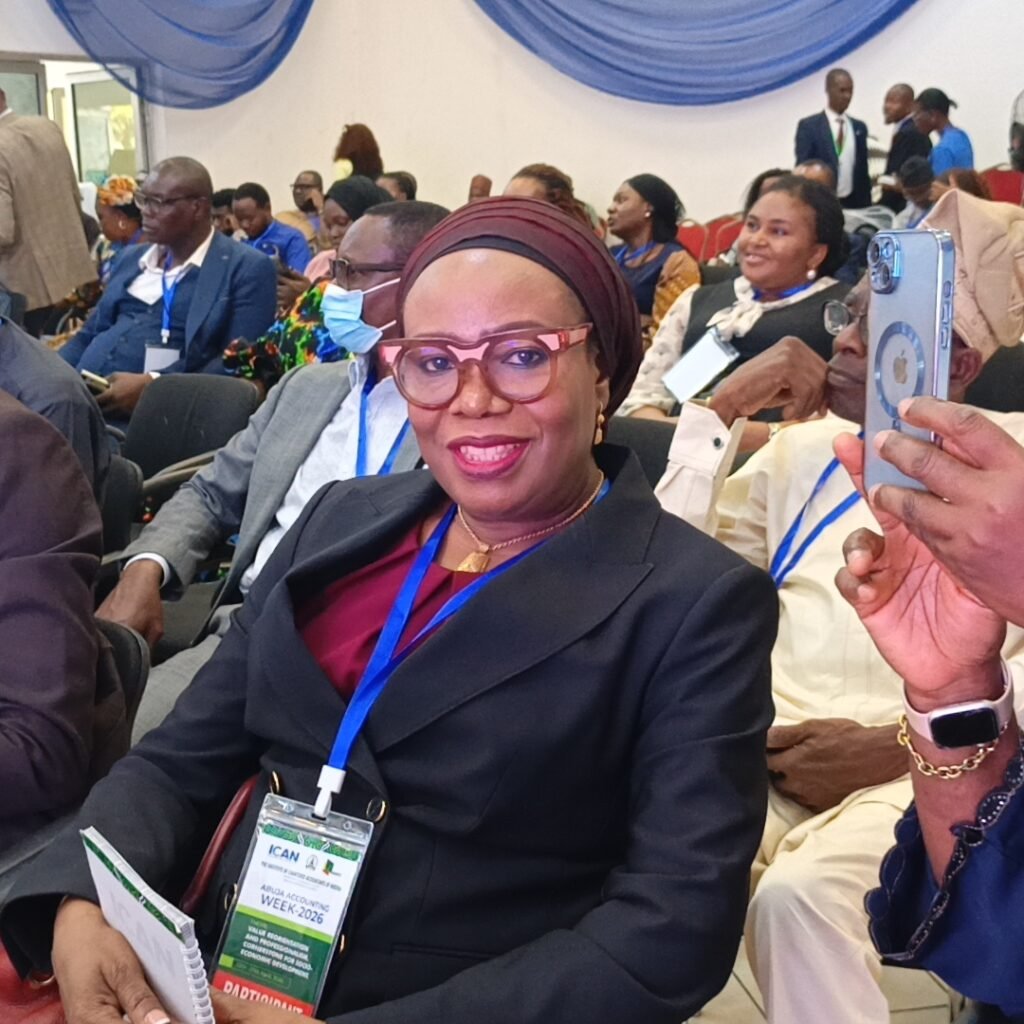
NOA Intensifies Tax Sensitisation, Tackles Misinformation
Speaking with journalists, Bala Musa revealed that NOA has already taken aggressive steps to address misinformation and improve public understanding of taxation.
He disclosed that the agency conducted nationwide sensitisation campaigns across all 774 local government areas, engaging citizens on the benefits of tax reforms and the importance of compliance.
“We have consistently engaged Nigerians on why they should pay taxes. Behavioural change is not a one-off effort it requires continuous engagement,” he said.
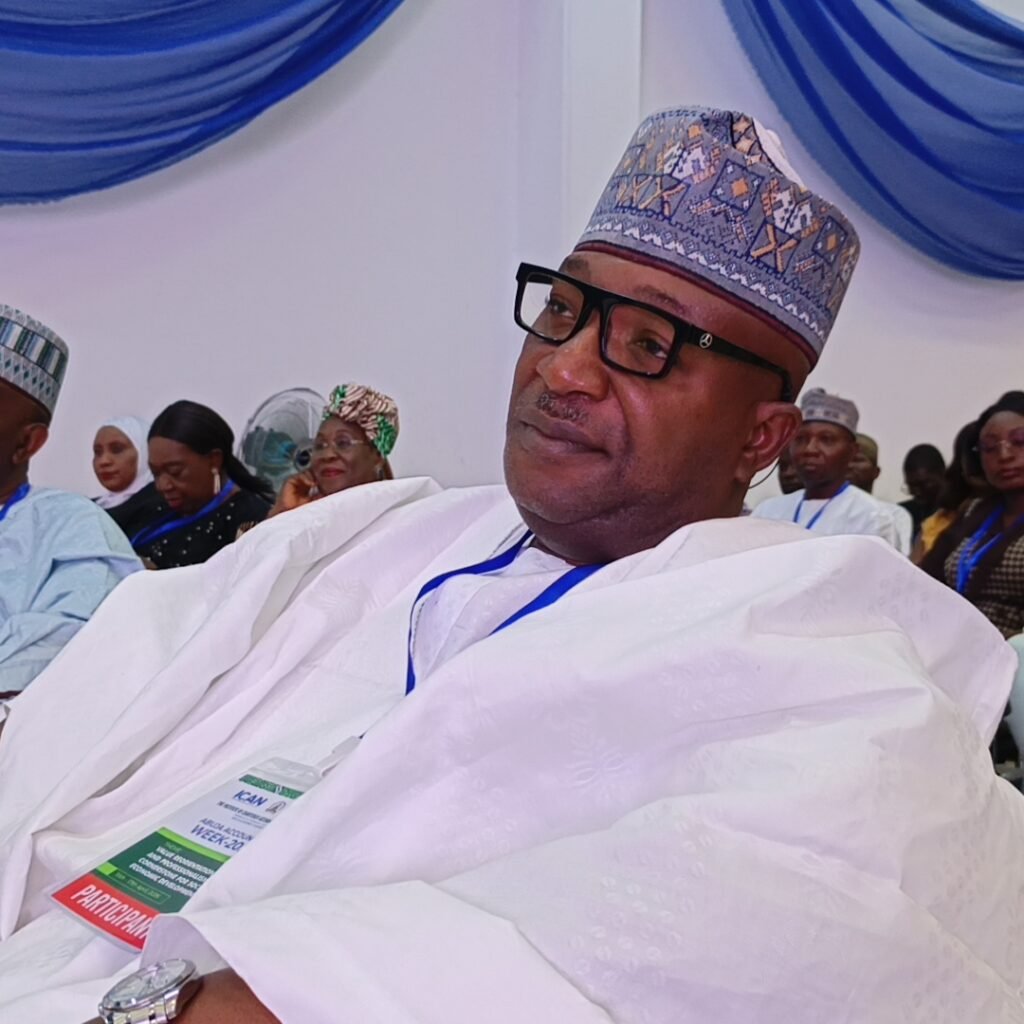
Musa also addressed widespread skepticism about taxation, attributing it partly to misinformation and weak value systems.
He noted that visible public projects such as roads, hospitals, and infrastructure are funded through tax revenues, stressing the need to clearly communicate this link to citizens.
To strengthen trust, he proposed practical measures such as labeling public projects as “funded by taxpayers” to reinforce accountability and public ownership.
He also advocated for integrating tax education into Nigeria’s school curriculum to instill civic responsibility from an early age.
ICAN Calls for Moral Reset and Professional Discipline
In his opening remarks, Chairman of the 2026 Abuja Accounting Week, Alhaji Abdulrazak Aliyu, described Nigeria’s situation as one marked by moral decline, weak institutional trust, and professional lapses.
He called for urgent value reorientation across all sectors from families and schools to government and religious institutions.
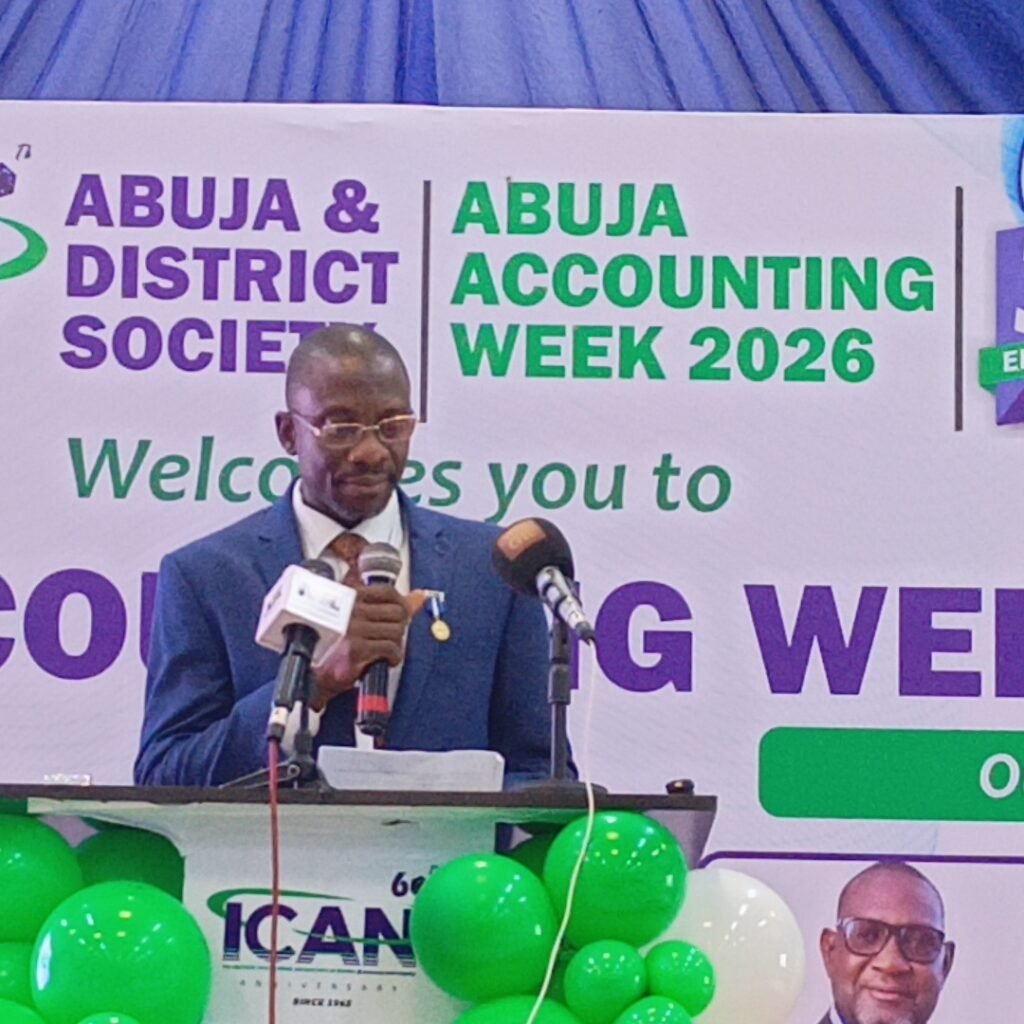
Aliyu referenced Nigeria’s constitutional core values, including discipline, integrity, dignity of labour, social justice, and patriotism, urging professionals to embody these principles in their daily work.
“As chartered accountants, we must place public interest above personal gain and uphold the highest standards of excellence and ethics,” he said.
Tax Reform Hinges on Trust and Mindset Shift
Also speaking, Air Vice Marshal Abubakar Adamu, a member of ICAN’s governing council, emphasized the importance of aligning citizen responsibility with government accountability.
He noted that while the government must demonstrate transparency in the use of tax revenues, citizens must also fulfill their obligation by paying taxes promptly.
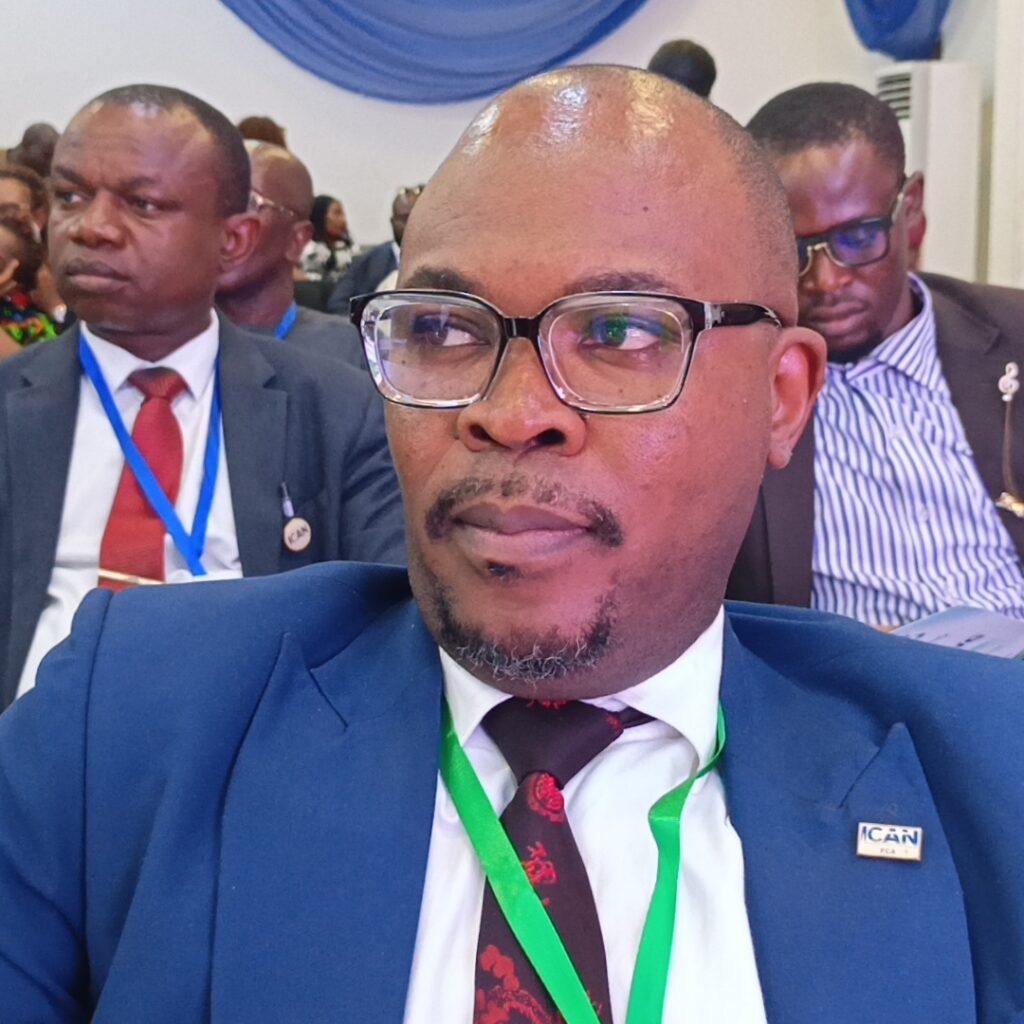
“There is no disconnect; it is an evolving process. Trust must be built through visible governance and responsible citizenship,” he said.
Adamu highlighted ICAN’s role in shaping national policies, revealing that the institute contributed to the development of recent tax laws through formal submissions to the National Assembly.
Experts: Tax Reform Beyond Laws, Requires Behavioural Change
Delivering a lecture on taxation, Dr. Emamudu F. Benjamin stressed that successful tax reform goes beyond legislation to include a transformation in public mindset.
He explained that many Nigerians view taxation as a burden due to distrust and lack of awareness of its benefits.
“Tax reform is not just about changing laws; it is about changing how people think and respond. Without a mindset shift, even the best policies will fail,” he said.
Dr. Benjamin added that citizens must begin to see tax as a civic responsibility essential for funding public services such as healthcare, education, and infrastructure.

Call for Strategic Partnership Between NOA and ICAN
The NOA called on ICAN to champion the institutionalisation of the National Values Charter within the accounting profession by embedding it into training, ethics, and continuous professional development.
Such collaboration, according to the agency, would reinforce integrity, accountability, and merit as non-negotiable standards in Nigeria’s development journey.
A Collective Responsibility
Speakers at the event agreed that rebuilding Nigeria requires a shared commitment between government and citizens.
While government must ensure transparency and fairness, professionals and citizens must demonstrate discipline, honesty, and patriotism.
“The future of Nigeria will not be determined by policies alone, but by the values we live by daily,” Musa concluded.
As discussions at the Abuja Accounting Week continue, stakeholders are hopeful that renewed focus on values and professionalism will serve as a catalyst for restoring trust, strengthening institutions, and driving sustainable development across the country.