
By Gabriel Ameh
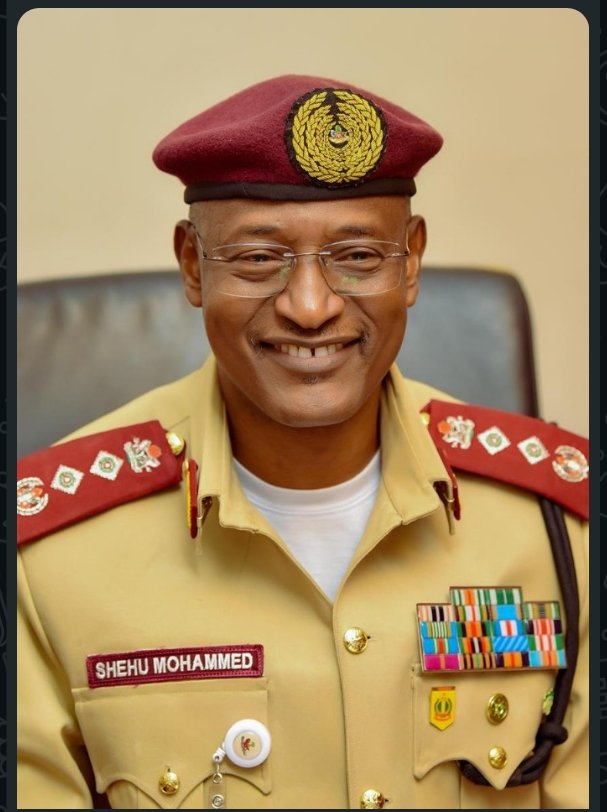
The Federal Road Safety Corps (FRSC) is witnessing one of the most significant institutional reforms in its history under the leadership of Corps Marshal Shehu Mohammed, whose administration is driving a renewed focus on professionalism, digital innovation, operational efficiency and public confidence.
As Nigeria continues to depend heavily on road transportation for commerce, mobility and national integration, the responsibility of ensuring safer highways remains enormous. From festive traffic congestion to reckless driving, overloading and emergency incidents, the nation’s highways present constant operational challenges.
Despite these realities, the FRSC under Shehu Mohammed has intensified efforts to reposition the Corps into a modern, technology-driven and citizen-focused road safety institution.
The ongoing nationwide Eid El-Kabir special patrol operation provides a strong reflection of that vision. Between May 25 and May 31, 2026, over 30,000 Regular and Special Marshals were deployed across the country to manage traffic flow, enforce safety regulations and respond rapidly to emergencies during the festive season
.
The operation includes the strategic deployment of patrol vehicles, ambulances, tow trucks, motorbikes, radar guns and breathalysers along critical highways including the Abuja-Kaduna-Kano corridor, Sagamu-Mowe-Lagos route and Akwanga-Lafia-Makurdi axis.
Mobile courts have also been activated to ensure swift prosecution of traffic offenders, while rescue teams remain on 24-hour standby to attend to emergencies.

Observers say the scale of coordination highlights FRSC’s gradual transition from a conventional traffic enforcement agency into a more sophisticated road safety management institution.
Since assuming office, Corps Marshal Shehu Mohammed has consistently promoted reforms centred on professionalism, discipline, digital transformation and institutional accountability.
Under his leadership, the Corps has expanded the use of technology in road safety management through improved crash data systems, biometric driver licensing processes and enhanced traffic information dissemination via National Traffic Radio 107.1FM and other media platforms.
The administration has also intensified public enlightenment campaigns and strengthened collaborations with security agencies and emergency response institutions nationwide.
In addition to operational reforms, Mohammed has repeatedly emphasised ethical conduct among officers and men of the Corps. Earlier in 2026, he declared the year as one of “renewed commitment, professionalism and improved service delivery,” while warning against extortion, abuse of authority and unethical practices.
To reinforce accountability, the Corps has introduced recognition and reward mechanisms aimed at promoting integrity and professionalism among personnel, a move analysts believe is gradually improving public trust in the institution.
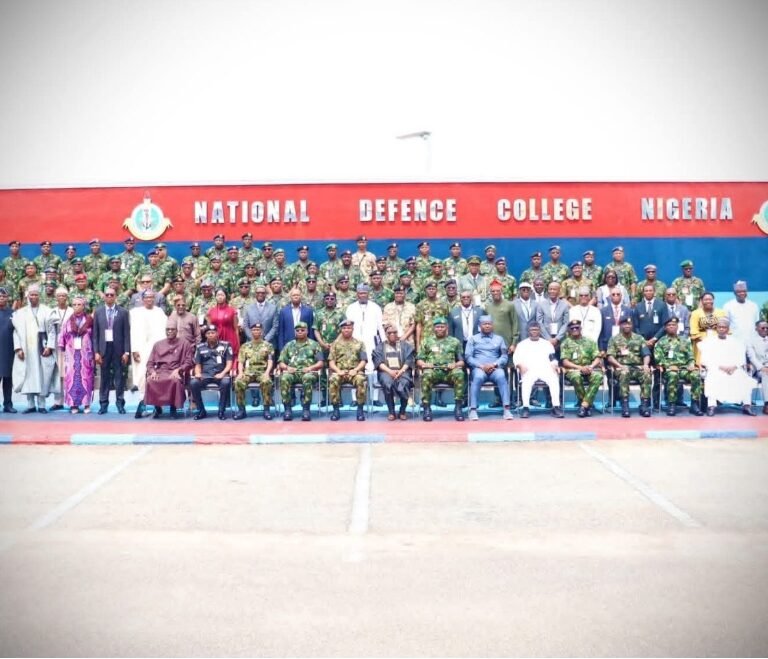
Human capital development has also emerged as a major pillar of the administration. Recently, the FRSC organised strategic leadership training for 305 senior officers across the country, focusing on emotional intelligence, operational coordination, adaptive leadership and modern traffic management realities.
The initiative reflects growing recognition within the Corps that contemporary road safety administration requires more than traditional enforcement methods.
The FRSC has equally strengthened inter-agency collaboration with the Nigeria Police Force, Nigeria Security and Civil Defence Corps, military formations and emergency management agencies to improve nationwide traffic control and emergency response systems.
Recent engagements between the FRSC and the National Identity Management Commission (NIMC) further underscore efforts toward data harmonisation and technology integration in support of road safety administration and national security coordination.
Since its establishment in 1988, the FRSC has evolved through several reform phases into one of Nigeria’s most visible public institutions with nationwide operational presence.
Under Shehu Mohammed, however, there appears to be a deliberate push to consolidate past achievements while introducing stronger institutional discipline, digital modernisation and proactive road safety management strategies.
His recent visit to the RS7 Zonal Command Headquarters in Abuja the last command where he served before becoming Corps Marshal was seen by many personnel as a morale-boosting move aimed at reconnecting with the operational roots of the Corps.
Although major challenges such as speeding, dangerous overtaking, poor road infrastructure and weak compliance with traffic regulations still persist, the FRSC leadership maintains that sustained reforms and proactive enforcement remain critical to reducing road crashes and fatalities nationwide.
For millions of Nigerians travelling during the Eid El-Kabir celebrations and beyond, the Corps’ evolving operational approach signals a broader commitment to safer roads, improved emergency response and strengthened public service delivery.
At a time when many public institutions face intense public scrutiny, the reform-driven posture of the FRSC under Shehu Mohammed is increasingly being viewed as a model of strategic leadership, institutional discipline and modern public sector transformation.