
By Adam John
A fragile ceasefire between the United States and Iran is showing signs of easing global tensions, following Iran’s decision to reopen the strategic Strait of Hormuz to commercial shipping during the truce period.
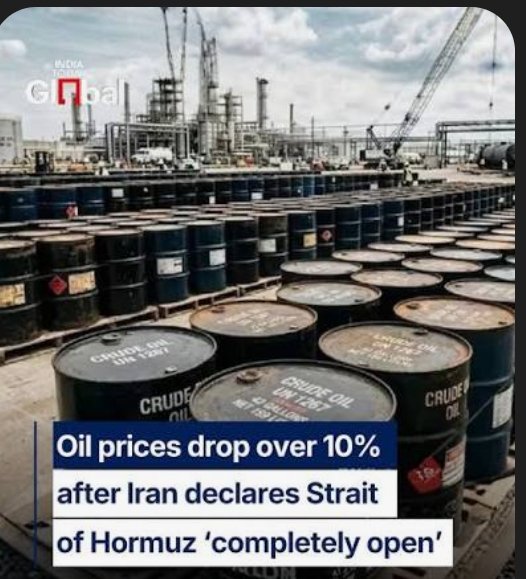
The development has already triggered positive reactions in global markets, with oil prices declining and investor confidence improving amid hopes of a broader diplomatic resolution.
The current ceasefire is set to expire on Tuesday, April 21, with reports indicating that both countries are working toward signing a new peace agreement next week in Islamabad, Pakistan, in the presence of a United Nations delegation.
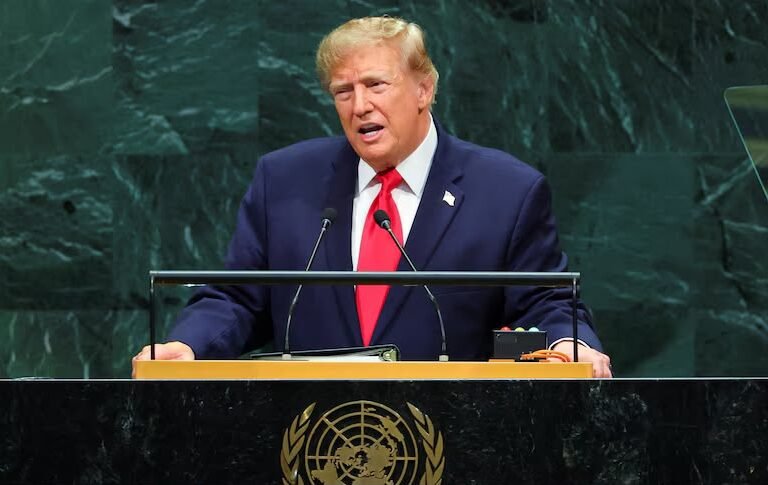
Former U.S. President Donald Trump has also indicated he may attend the signing.
According to emerging details, the proposed agreement would require Iran to suspend uranium enrichment activities for up to 20 years and remove highly enriched nuclear materials from its territory.
The deal also includes commitments to fully reopen the Strait of Hormuz and reduce involvement in regional proxy conflicts, including support for armed groups in the Middle East.
In return, the United States is expected to offer significant concessions, including sanctions relief, the unfreezing of over $20 billion in Iranian assets, and support for Iran’s civilian nuclear programme.
The deal may also include trade and tariff adjustments aimed at reintegrating Iran into the global economy.
Despite these developments, U.S. officials have indicated that certain military measures, including naval presence in the region, may remain in place until the agreement is formally signed.
Analysts note that both countries have faced mounting economic and political pressure during the standoff, particularly due to disruptions in global oil supply and rising energy prices. The reopening of the Strait of Hormuz a key global oil transit route is seen as a critical step toward stabilising the situation.
While negotiations remain ongoing, the potential agreement signals a shift toward diplomacy after weeks of heightened tensions, with global stakeholders closely monitoring the outcome.