
By Gabriel Ameh
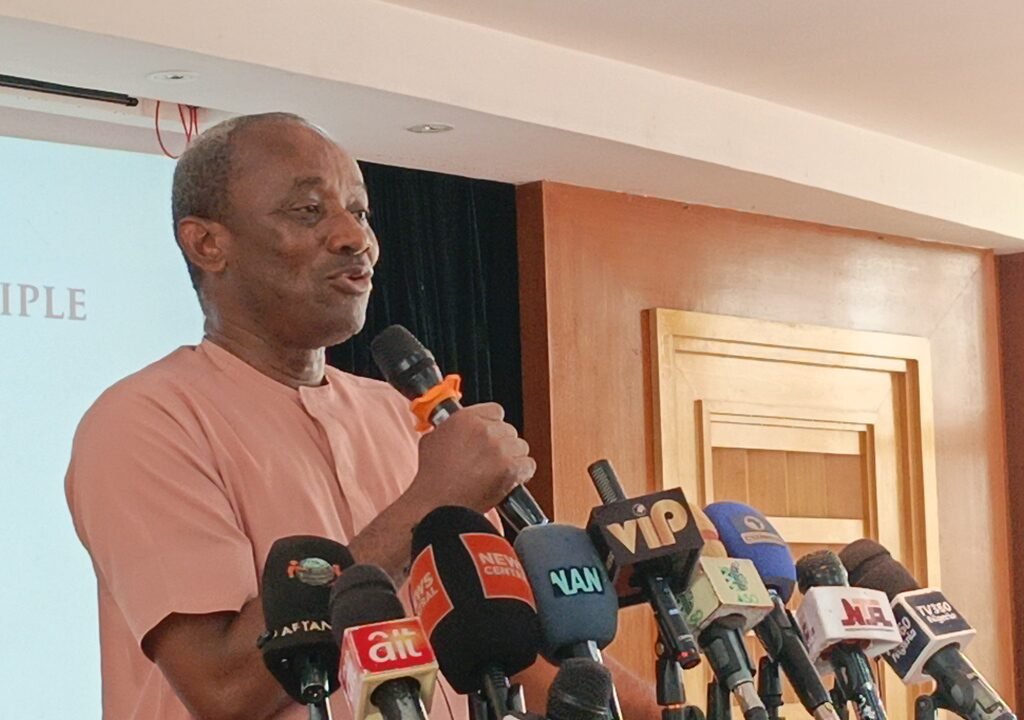
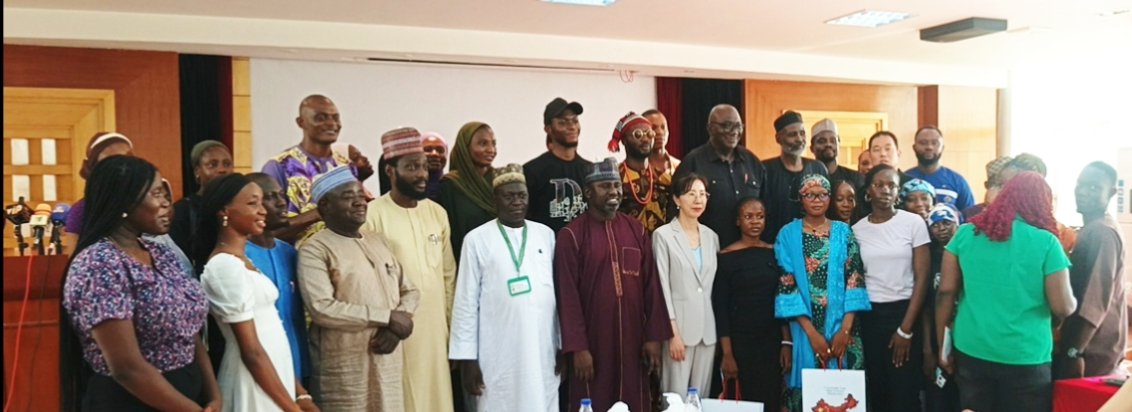
Abuja — Strong diplomatic messaging, geopolitical arguments and renewed calls for media responsibility shaped discussions at a high-level media salon in Abuja themed “Understanding the One-China Principle and Its Role in Deepening China-Nigeria Strategic Relations.”
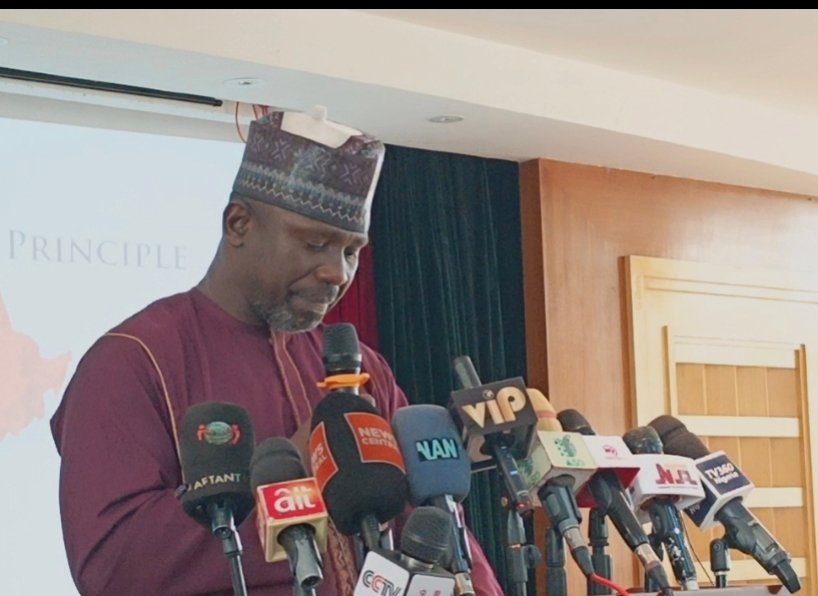
Speaking at the event, Counselor of the Embassy of the People’s Republic of China in Nigeria, Dong Hairong, defended China’s long-standing position on Taiwan, insisting that Taiwan remains “an inalienable part of Chinese territory” and warning against what he described as attempts to promote “Taiwan independence.”
The Chinese diplomat said recent international developments, including the Taiwan leader’s visit to Eswatini and engagements involving a group of Nigerian journalists in Taiwan, revealed what she called “misunderstandings” about the Taiwan question within parts of the international community.
According to her, the One-China principle remains the political foundation of China’s diplomatic relations globally and continues to guide China’s strategic partnership with Nigeria.
Hairong traced the historical roots of the Taiwan issue, arguing that historical records and international agreements after World War II affirmed China’s sovereignty over Taiwan.
She also referenced United Nations Resolution 2758, adopted in 1971, which recognized the People’s Republic of China as the legitimate representative of China at the United Nations.
“There is only one China and Taiwan is part of China. There is no such thing as ‘two Chinas’ or ‘one China, one Taiwan,’” he stated.
The envoy further praised Nigeria for consistently upholding the One-China policy since diplomatic relations between both countries were established in 1971, noting that Abuja had repeatedly reaffirmed its support for China’s territorial integrity.
She cited President Bola Ahmed Tinubu’s 2024 visit to China as a significant moment where Nigeria again reiterated support for China’s reunification efforts and opposition to Taiwan independence.
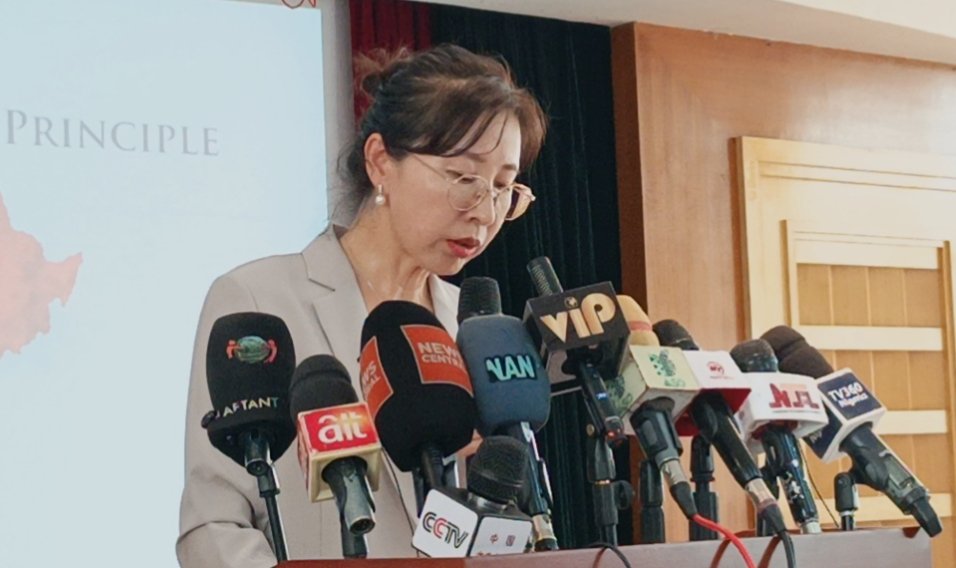
Hairong argued that adherence to the One-China principle has strengthened bilateral cooperation between both countries across infrastructure, trade and regional development initiatives.
She highlighted China’s role in constructing the new ECOWAS headquarters in Abuja and also referenced China’s recently announced zero-tariff policy for exports from 53 African countries, including Nigeria.
According to her, Nigerian products such as sesame, ginger, cocoa and cashew nuts now have wider access to the Chinese market, creating opportunities for Nigerian exporters and manufacturers.
The Chinese envoy also urged Nigerian media practitioners to avoid descriptions or terminologies that could imply recognition of Taiwan as a sovereign country, calling for what he described as “objective and impartial reporting” on Taiwan-related matters.
Also speaking at the event, Provost of the Anti-Corruption Academy of Nigeria and Director of the Centre for Contemporary China-Africa Research, Sheriff Ghali Ibrahim, strongly backed the One-China principle and criticized Taiwan’s international engagements.
Ghali described Taiwan’s diplomatic outreach to Eswatini as “thief-like diplomacy,” arguing that the overwhelming majority of African countries recognize only one China.
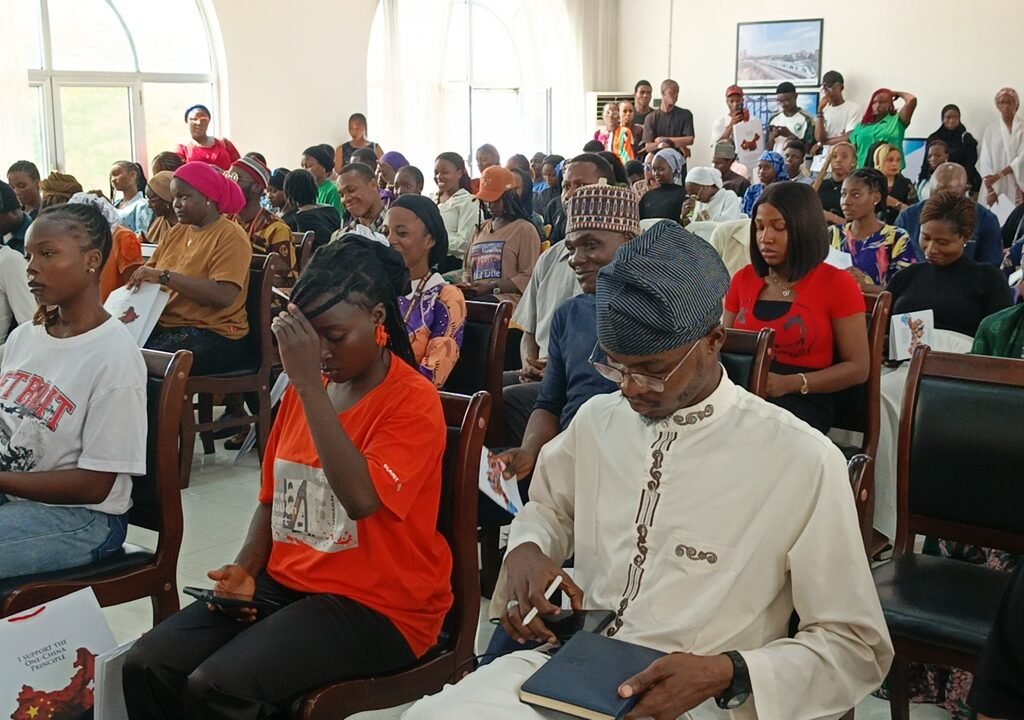
The professor maintained that Taiwan lacks sovereign recognition under international law and insisted that diplomatic relations should only exist between sovereign states.
Referencing the Treaty of Westphalia and principles of international relations, he argued that Taiwan does not qualify as an independent state capable of maintaining formal diplomatic ties.
He further commended China’s approach toward Taiwan, describing Beijing as “patient” despite rising tensions in the Taiwan Strait.
According to him, China has consistently pursued peaceful reunification rather than military action, even amid growing geopolitical tensions involving the United States, Russia, Iran and Ukraine.
Ghali also pointed out that 53 out of 54 African countries currently recognize the One-China principle, leaving Eswatini as the only African country maintaining diplomatic ties with Taiwan.
The media salon ended with renewed calls for stronger China-Nigeria cooperation, deeper media engagement and continued support for the One-China principle as both nations expand strategic ties in trade, infrastructure, diplomacy and regional development.