
By Gabriel Ameh
By Media360Impact
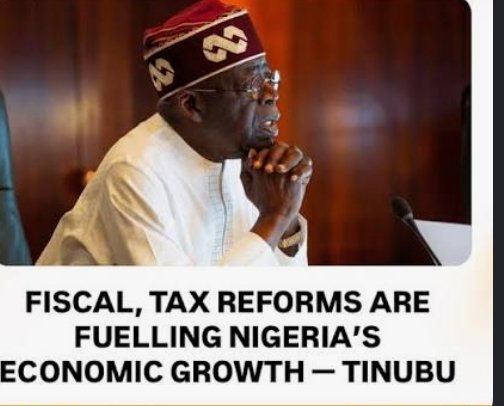
ABUJA — The Tinubu Support Group (TSG) has attributed Nigeria’s reported revenue growth to the fiscal reforms of President Bola Tinubu’s administration, saying the Federal Government generated more than ₦21.6 trillion in the first half of 2026.
The group’s Director-General, Dr. Umar Tanko Yakasai, made the assessment in a statement issued in Abuja, arguing that the figures reflected improvements in the country’s revenue collection system.
According to Yakasai, the administration’s fiscal policies and implementation of new tax laws have contributed to the reported increase in government revenue.
He cited tax revenue of ₦16.8 trillion in the first five months of 2026, compared with ₦10.6 trillion recorded during the corresponding period in 2025.
The figures represent an increase of ₦6.2 trillion year-on-year, according to the statement.
Yakasai commended revenue-generating agencies for their role in improving collections, particularly the Nigeria Revenue Service (NRS), formerly the Federal Inland Revenue Service (FIRS).
TAX REFORMS DRIVE REVENUE DEBATE
The TSG director-general said the transition from FIRS to NRS formed part of broader efforts to improve revenue administration, strengthen collection systems and expand the government’s revenue base.
He argued that a more coordinated revenue framework could improve efficiency and provide additional resources for infrastructure development and public services.
The transition to the NRS took effect on January 1, 2026, under the Nigeria Revenue Service (Establishment) Act, 2025, according to the statement.
Yakasai maintained that the reforms reflected Tinubu’s determination to improve government revenue beyond traditional sources.
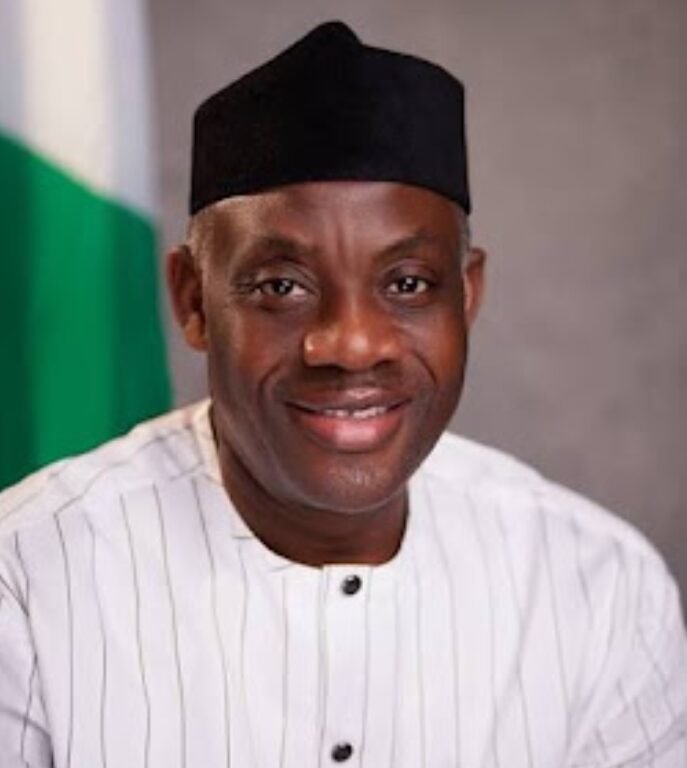
He also pointed to changes in economic leadership, including the appointment of Dr. Taiwo Oyedele as Coordinating Minister of the Economy and Minister of Finance, as evidence of the administration’s focus on fiscal policy.
However, the reported revenue increase does not, by itself, establish how much additional money is available for public spending after government obligations and other deductions.
FAAC ALLOCATIONS RAISE EXPECTATIONS FOR STATES
The support group also highlighted reported increases in allocations distributed to federal, state and local governments through the Federation Account Allocation Committee (FAAC).
According to the statement, gross statutory revenue in June 2026 increased by ₦1.05 trillion compared with May.
Yakasai said the reported growth in distributable revenue had increased the resources available to subnational governments.
He argued that state and local governments should use the additional funds to improve public services, strengthen social welfare programmes and address poverty.
The group noted that the impact of federal economic reforms would depend partly on how state and local governments deploy the resources available to them.
It urged governors and local government authorities to prioritise healthcare, education, infrastructure and other services that directly affect residents.
CALL FOR BETTER WELFARE OUTCOMES
The TSG said improved revenue collections and higher allocations should translate into tangible benefits for Nigerians, particularly people facing economic hardship.
Yakasai referenced concerns about poverty and the need for governments at all levels to do more to improve living conditions.
He argued that subnational governments had an important role to play because a large proportion of Nigeria’s population lives in the country’s 36 states.
The group maintained that effective spending on poverty reduction and public services would help citizens experience the benefits of the administration’s economic reforms.
It also urged state governments to demonstrate accountability in the use of public funds and ensure that increased allocations lead to measurable improvements in people’s lives.
REVENUE GROWTH AND THE COST OF LIVING
While the TSG welcomed the reported revenue increase, the figures raise a broader public-interest question: how much of the additional government revenue will translate into better living conditions for Nigerians?
Higher revenue and larger allocations can give governments greater capacity to finance public services and infrastructure. However, the actual impact depends on expenditure priorities, accountability and the effectiveness of government programmes.
The group’s position is that sustained revenue growth, combined with responsible spending by federal and state authorities, could support economic development and poverty reduction.
The revenue figures and the group’s assessment have not been independently verified for this report.
SOURCE CREDIT: Tinubu Support Group (TSG), based on a statement attributed to its Director-General, Dr. Umar Tanko Yakasai.