
By Gabriel Ameh
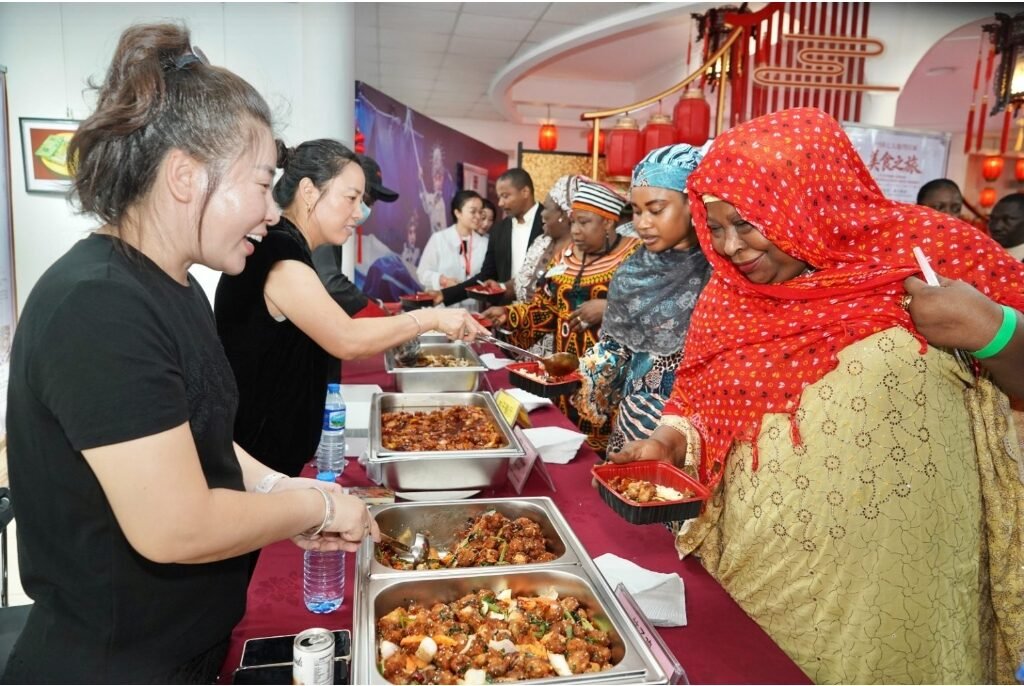
ABUJA — Nigeria and China have strengthened their cultural ties through food, as both countries hosted the 2026 Nigeria-China Food Festival at the China Cultural Centre in Abuja.
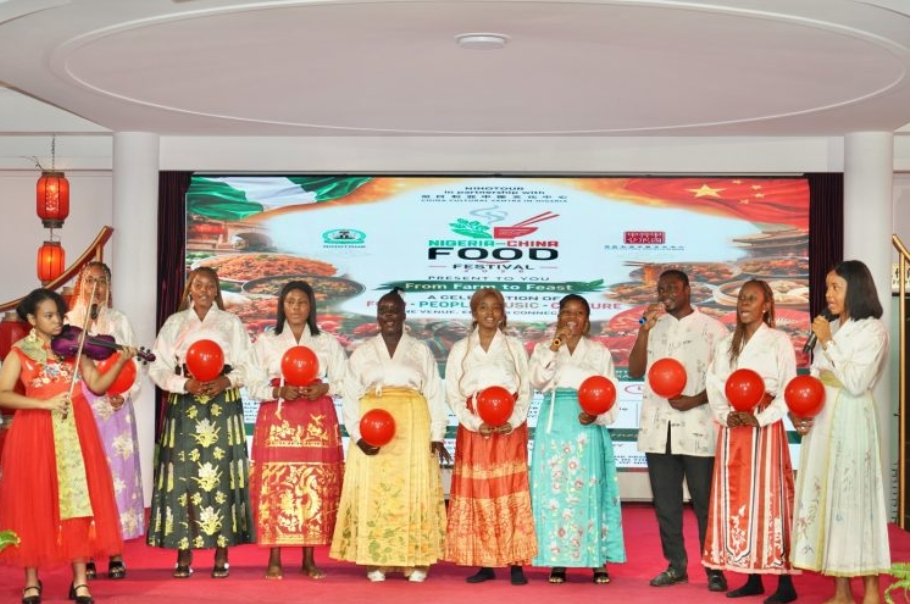
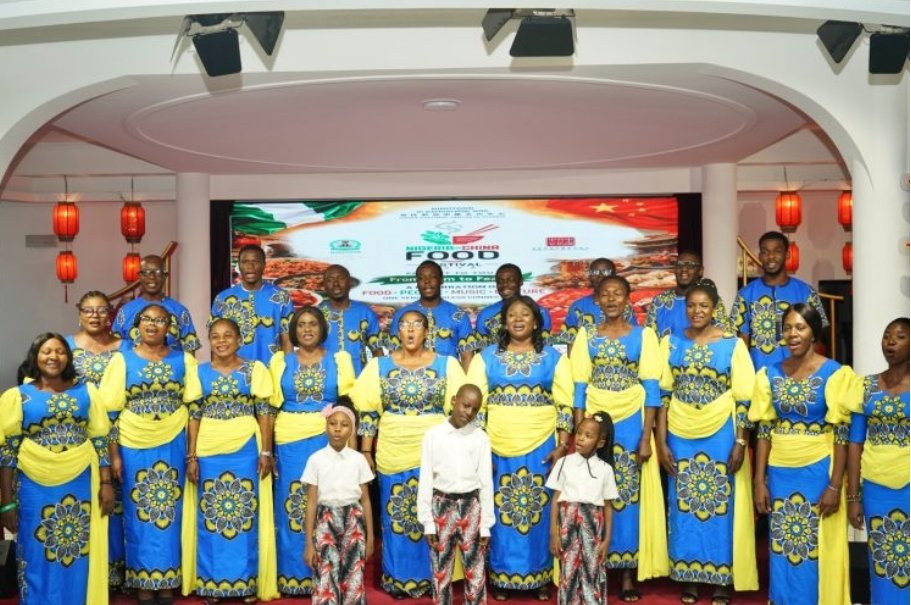
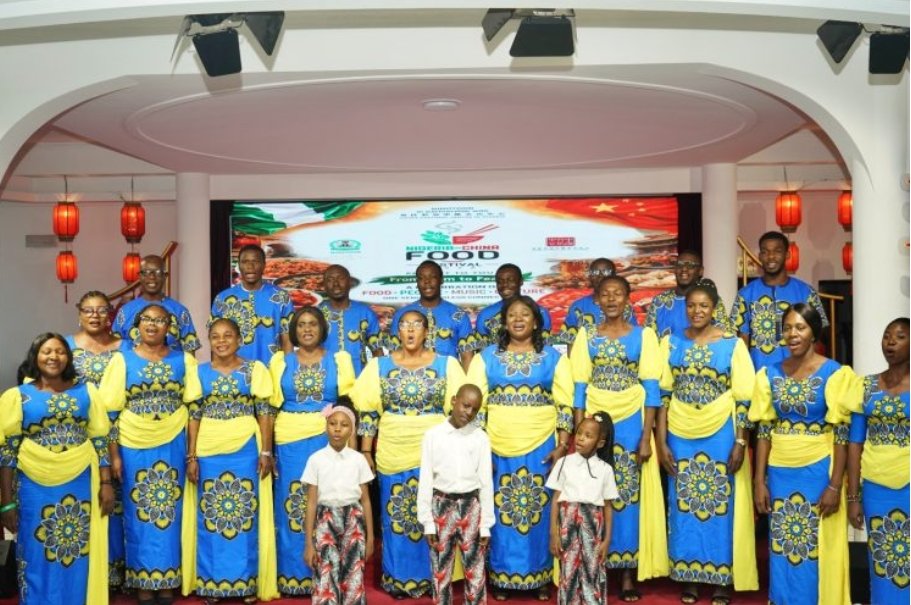
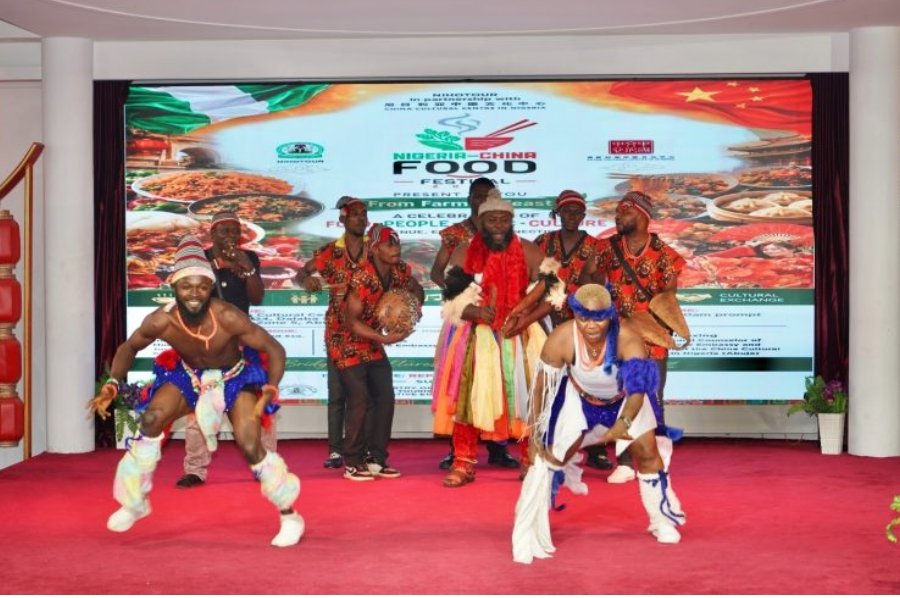
The festival, jointly organised by the China Cultural Centre and the National Institute for Hospitality and Tourism (NIHOTOUR), brought together Nigerian and Chinese cuisines, cultural performances and culinary displays aimed at promoting greater understanding between the two countries.
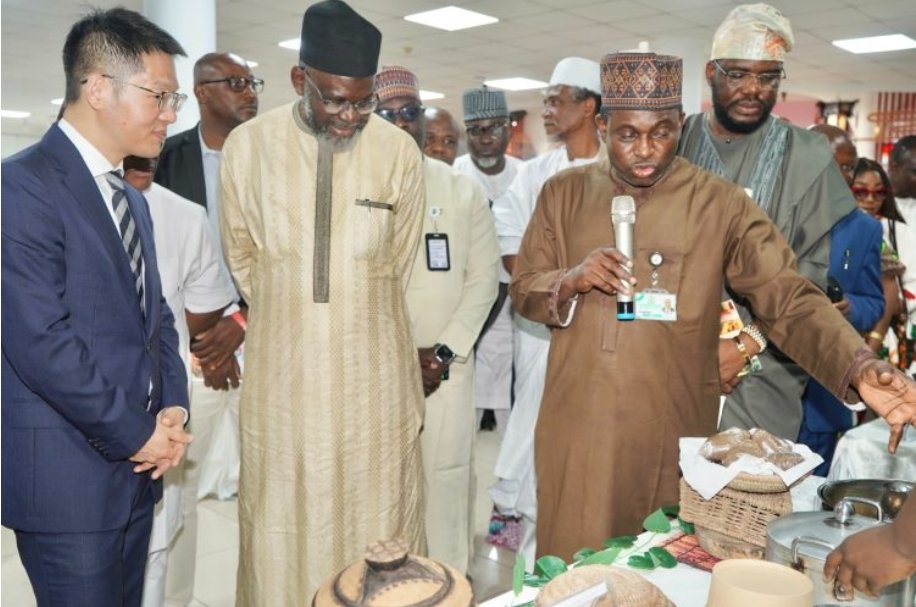
Speaking at the event, the Chargé d’Affaires ad interim of the Chinese Embassy in Nigeria, Mr. Zhou Hongyou, described food as an important bridge for cultural understanding and people-to-people relations.
“Today, we bring Chinese and Nigerian cuisines together. This is not just a feast for our taste buds, it is also a conversation and a meeting of our cultures,” Zhou said.
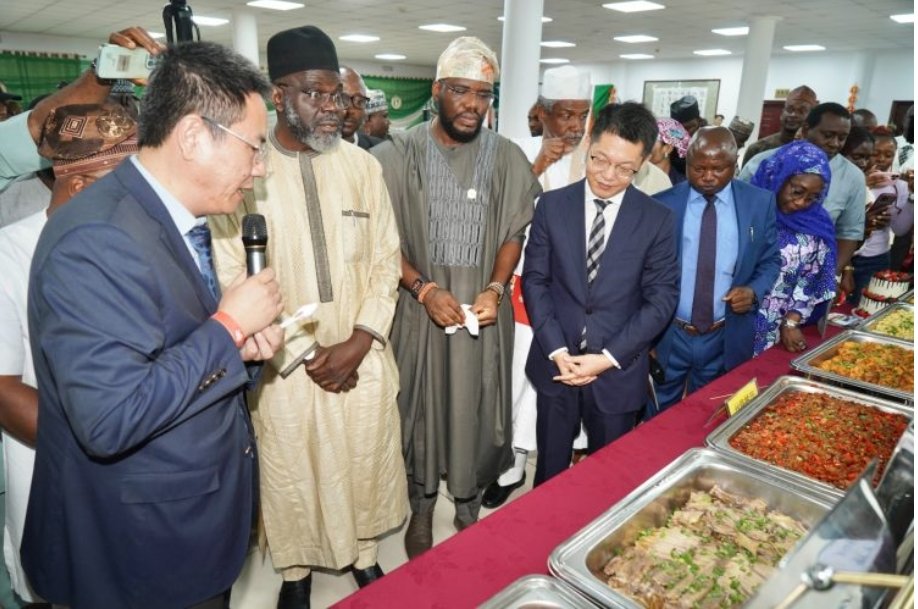
He said participants had the opportunity to experience 14 Chinese dishes from seven regions of China, while Chinese guests sampled 12 Nigerian dishes representing the country’s six geopolitical zones.
According to Zhou, China’s diverse geography, climate and lifestyles have shaped distinct regional food cultures, making cuisine an important window into the country’s traditions, geography and people.
He noted that the festival was particularly significant as Nigeria and China commemorate 55 years of diplomatic relations.
The Chinese envoy also highlighted the growth in bilateral trade, stating that China imported about $2.3 billion worth of Nigerian goods in the first half of 2026, representing an 80 per cent increase compared with the same period in 2025.
He added that total bilateral trade between both countries had reached $18 billion.
Zhou said Nigeria and China would continue to promote cooperation and exchanges in education, culture, arts, sports and youth affairs to strengthen relations between their peoples.
Also speaking, the Director-General and Chief Executive Officer of NIHOTOUR, Aare Abisoye Fagade, said the festival demonstrated the capacity of food to drive tourism, create jobs and generate economic opportunities.
Fagade said Nigeria’s diverse culinary heritage — including jollof rice, pounded yam, indigenous soups, spices, grains and seafood — could support the development of a globally recognised food-tourism industry.
He stressed the need to properly package, promote and commercialise Nigeria’s cuisine while preserving its authenticity.
The Minister of Art, Culture, Tourism and the Creative Economy, Hannatu Musa Musawa, represented by the ministry’s Permanent Secretary, Abdulkarim Ozi Ibrahim, said food remained an important tool for preserving cultural heritage, creating livelihoods and strengthening social connections.
She urged Nigeria and China to use the 55th anniversary of their diplomatic relations to identify new areas of cooperation in gastronomy, tourism, hospitality, culinary education and creative entrepreneurship.
The festival attracted government officials, Chinese and Nigerian representatives, culinary professionals, creatives and members of the diplomatic community, providing a platform for both countries to showcase their culinary traditions and strengthen cultural understanding.