
By Media360Impact | Abuja
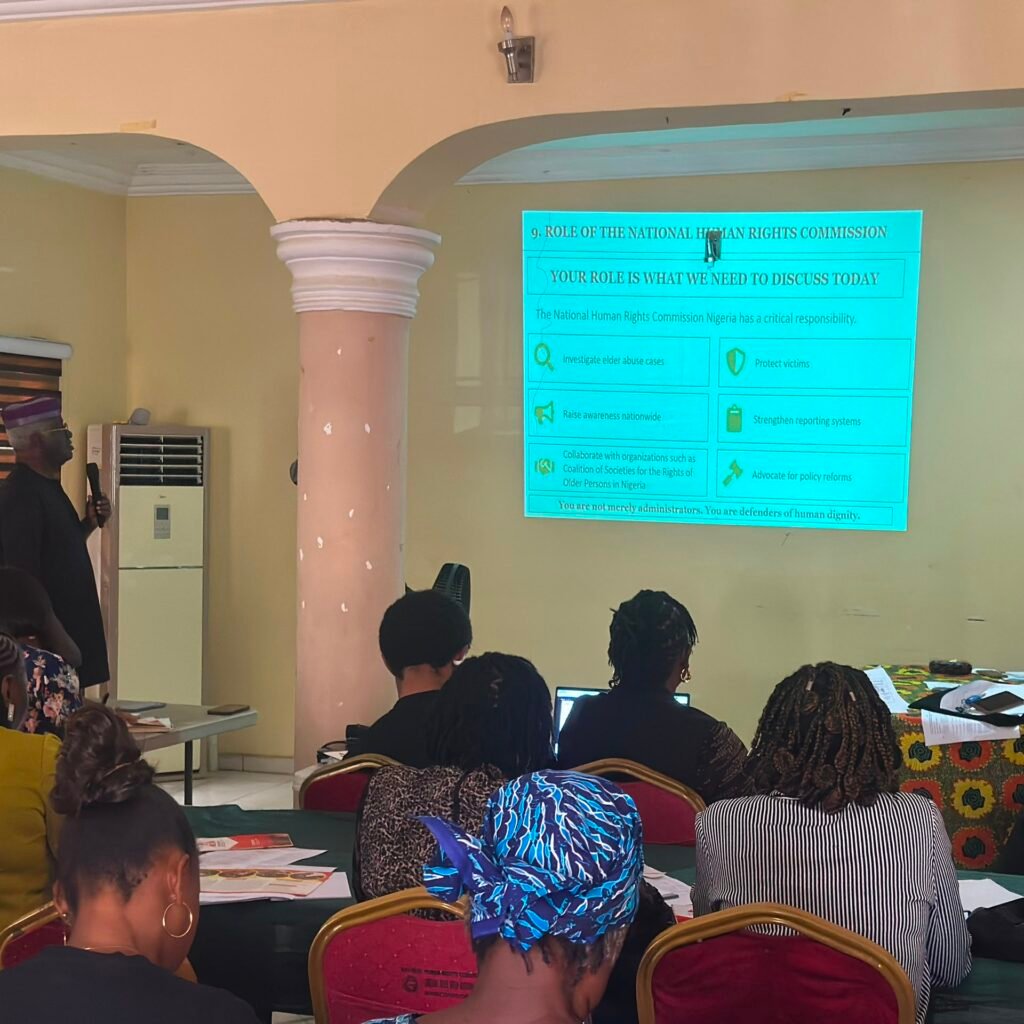
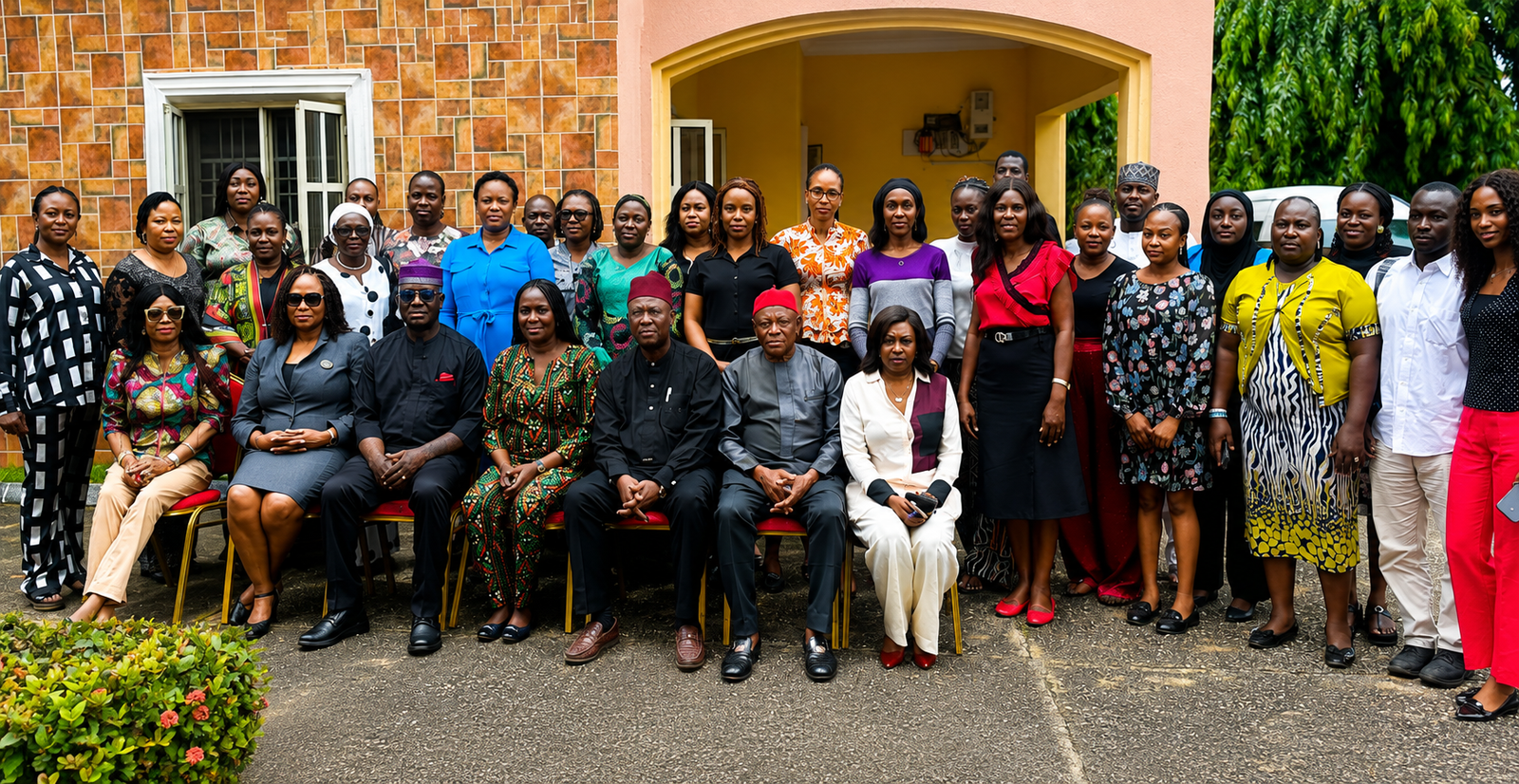
The National Human Rights Commission (NHRC) has intensified efforts to protect the rights of older persons by training its staff as human rights defenders and advocates to combat the growing challenge of elder abuse across Nigeria.
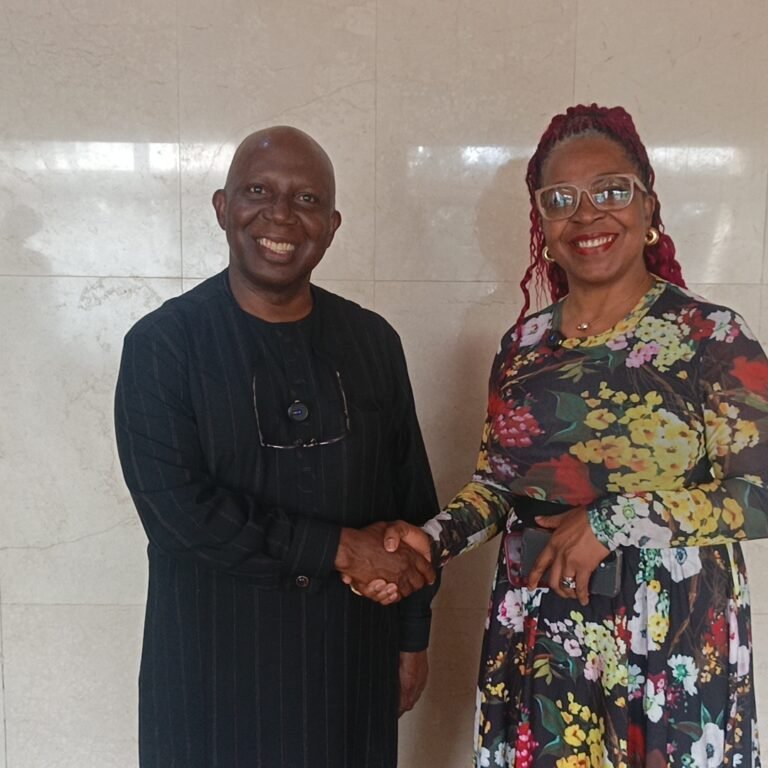
Speaking at the opening of the training held at the NHRC Council Chambers in Abuja, the Executive Secretary of the Commission, Dr. Tony Ojukwu, OFR, SAN, who was represented by Deputy Director Jennifer Asa, said the programme was designed to strengthen the Commission’s capacity to protect elderly Nigerians from abuse, neglect and discrimination.
According to him, Nigeria’s ageing population requires urgent attention as increasing life expectancy has also led to a rise in cases of physical abuse, psychological abuse, financial exploitation, neglect and harmful traditional practices affecting older persons.
He noted that older persons are entitled to dignity, equality and full protection under the law, stressing that many continue to suffer silently because their rights are often ignored.
“The Commission has the mandate to promote, protect and enforce the human rights of every Nigerian without discrimination. Older persons are rights holders whose dignity must be respected and protected,” he said.
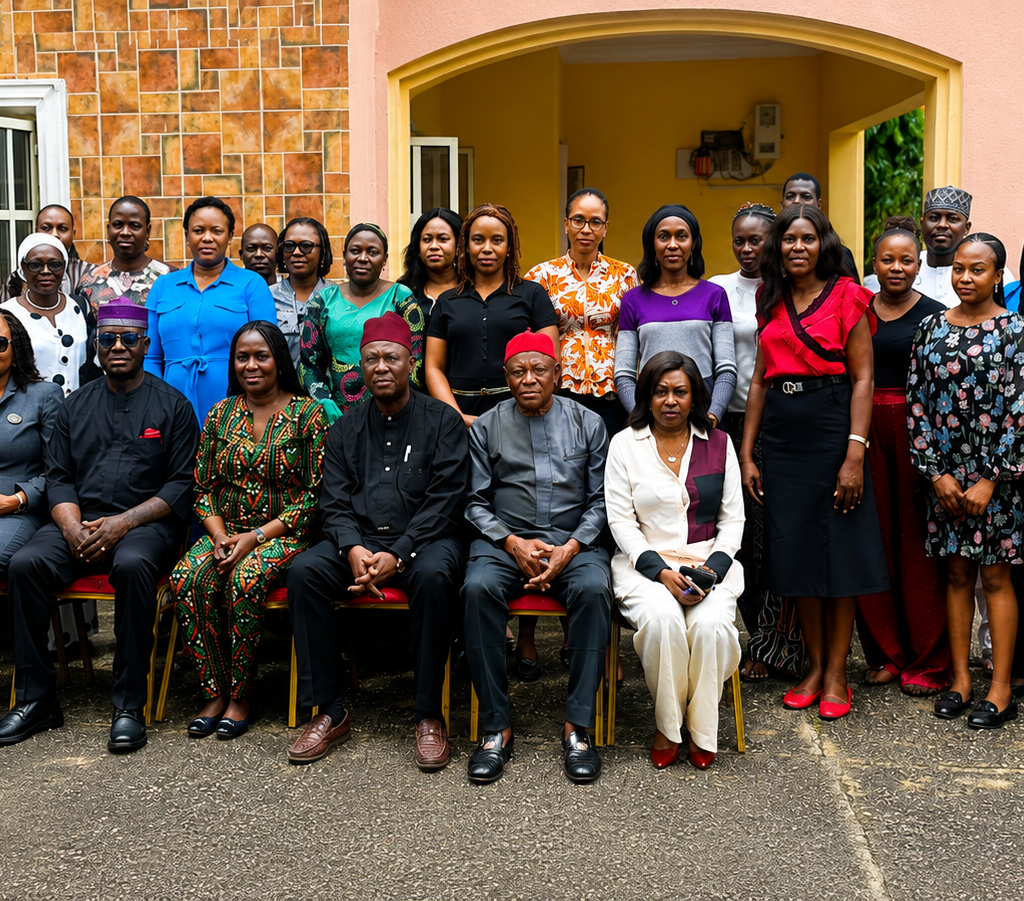
Ojukwu explained that the training would equip NHRC staff with the knowledge and practical skills needed to identify, document, investigate and respond effectively to cases of elder abuse while promoting a rights-based approach in all interventions concerning older persons.
He encouraged participants to actively engage throughout the programme and apply the knowledge gained in carrying out their responsibilities across the country.
He further stressed that protecting older persons is not merely a professional responsibility but a commitment to justice, compassion and human dignity.
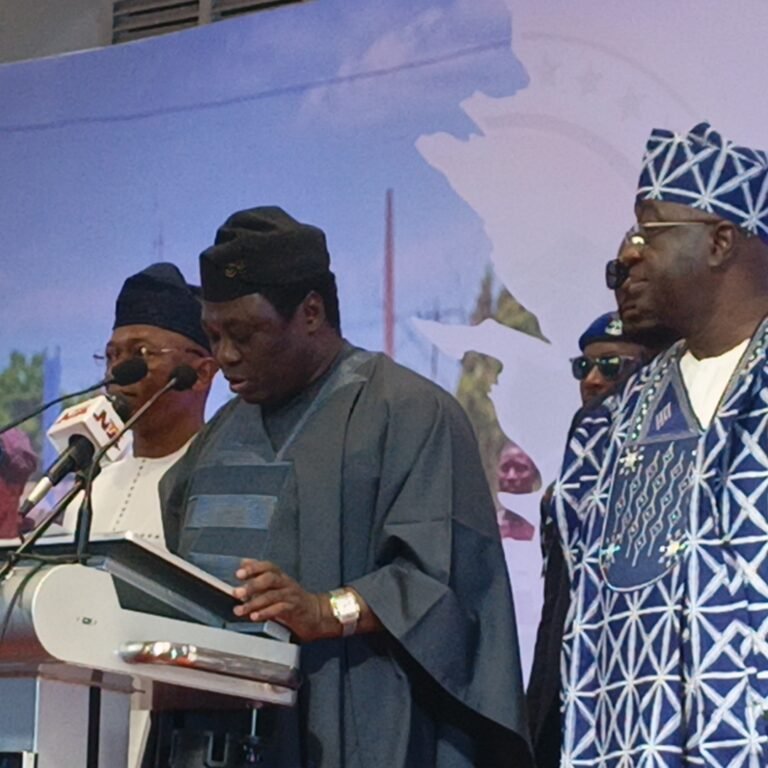
Delivering a goodwill address, former Senator Eze Ajoku, a leading advocate for the rights of older persons, lamented that elderly Nigerians are not suffering because of old age but because society has neglected them.
“They do not suffer because they are old. They suffer because society has forgotten them,” he said.
The 79-year-old advocate noted that many younger Nigerians show little interest in championing the welfare of older citizens, forcing elderly persons themselves to lead advocacy efforts.
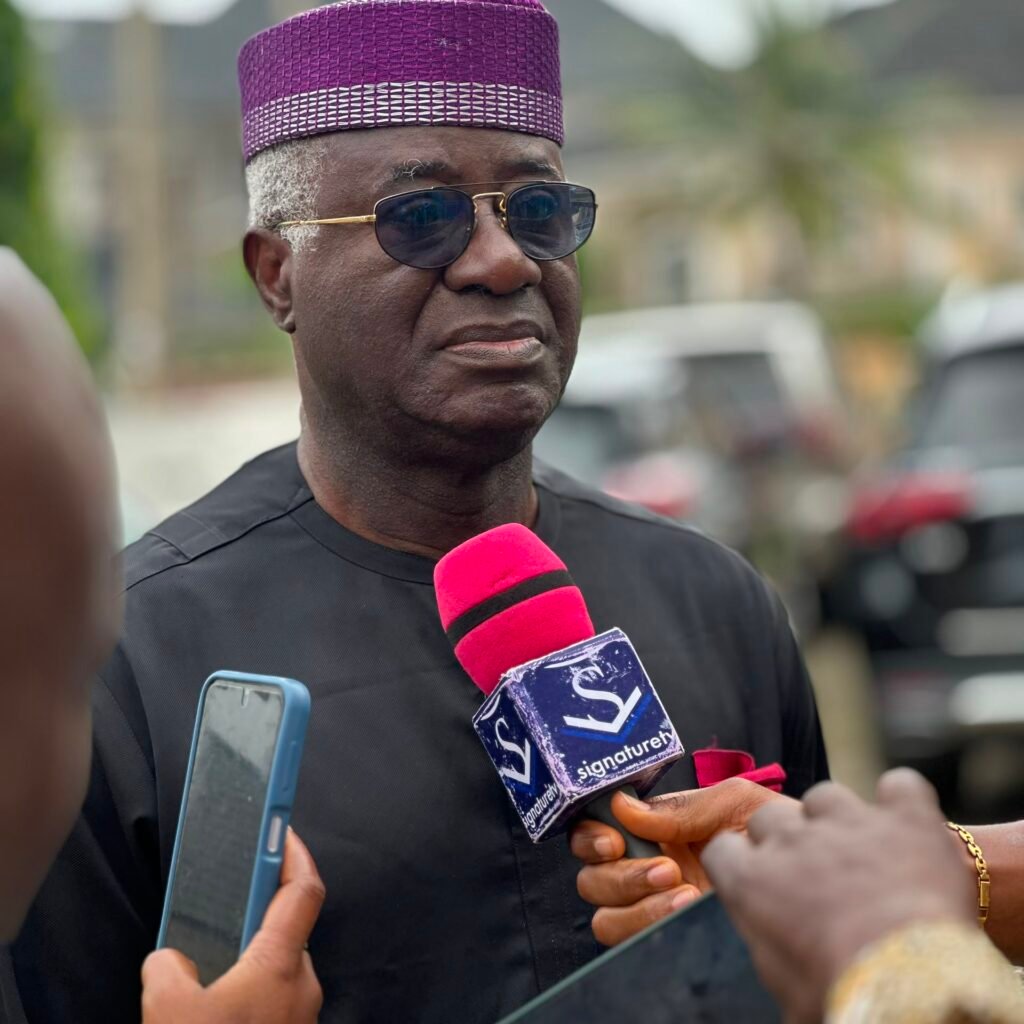
He observed that although Nigeria was built through the labour and sacrifices of today’s elderly population—including farmers, bricklayers, teachers, artisans, civil servants, transport workers and market women—many now live in poverty, loneliness, sickness and neglect.
According to him, Nigeria currently has between 14 and 16 million older persons, a number expected to continue growing as improved healthcare, nutrition and better living conditions increase life expectancy.
Ajoku expressed concern that despite this growing population, Nigeria still lacks comprehensive programmes and social protection systems specifically targeted at older persons.
He explained that while the country officially classifies anyone aged 60 years and above as an older person, ageing experiences differ depending on occupation, health status, economic condition and emotional wellbeing.
“The nature of work people do, their health, poverty level and living conditions determine how they age,” he said.
He highlighted the challenges faced by elderly Nigerians working in the informal sector, including farmers, artisans, fishermen, bricklayers and traders, noting that most retire without pensions, gratuities or access to healthcare.
He also pointed to the difficulties faced by retired civil servants, including delayed retirement benefits, inflation, rising healthcare costs, emotional stress and the loss of workplace relationships after retirement.
Ajoku urged Nigerians to support their ageing parents and relatives by maintaining regular contact, providing financial assistance and ensuring they are not abandoned.
He warned that many older persons who live alone due to widowhood, migration of children or weakened family ties face depression, loneliness, insecurity and heightened risks of abuse.
The senator called on government institutions, civil society organisations, communities and families to work together in building a society where older persons are respected, protected and allowed to live with dignity.
The NHRC said the staff training forms part of its broader commitment to strengthening institutional capacity to prevent elder abuse, improve human rights protection and ensure older Nigerians enjoy the respect and care they deserve.