
By Gabriel Ameh
ABUJA – Stakeholders have called for stronger implementation of Nigeria’s Disability Act, increased public awareness and collective action to eliminate discrimination against Persons with Disabilities (PWDs) across the country.
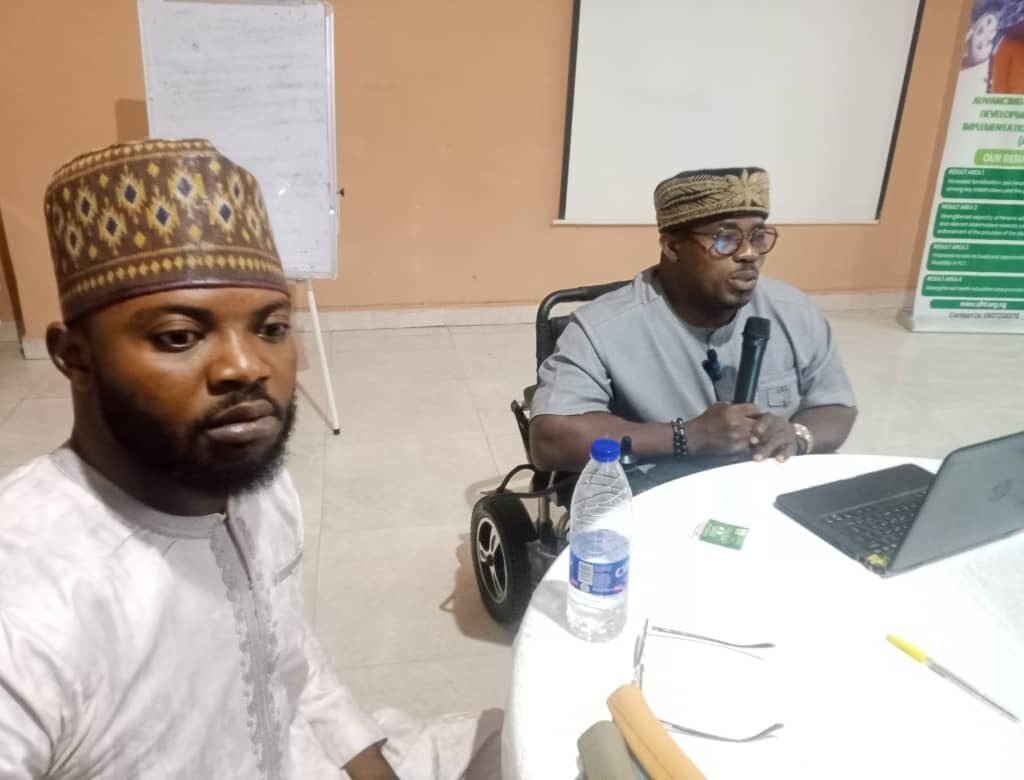
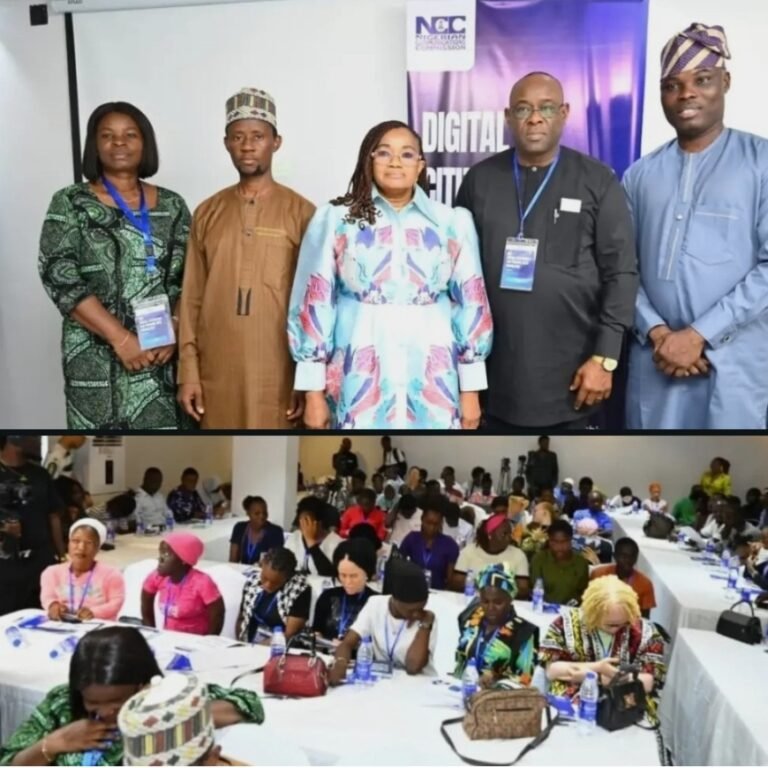
The call was made during the Bimonthly Media Awareness Programme on Disability Law held at Area 1, Abuja, on August 4, 2026, where media practitioners, disability advocates, civil society organisations and representatives of Organisations of Persons with Disabilities (OPDs) gathered to deepen public understanding of the rights guaranteed under the Discrimination Against Persons with Disabilities (Prohibition) Act.
The programme, organised by SFHF in collaboration with the Association of Lawyers with Disabilities in Nigeria (ADID), sought to strengthen media engagement in promoting disability inclusion and educating Nigerians on the provisions of the law.
The event began with registration of participants, followed by an opening prayer, welcome remarks and presentation of the meeting’s objectives by Project Coordinator, Mary Sunday, who emphasized the importance of sustained public education on disability rights.
She noted that although Nigeria has enacted a legal framework protecting persons with disabilities, many citizens remain unaware of its provisions, leading to continued discrimination and exclusion.
According to her, the media has a critical responsibility to bridge this knowledge gap by producing accurate, inclusive and rights-based reporting that challenges stereotypes and promotes equal opportunities.
Musa Muazu Highlights Key Provisions of Disability Law
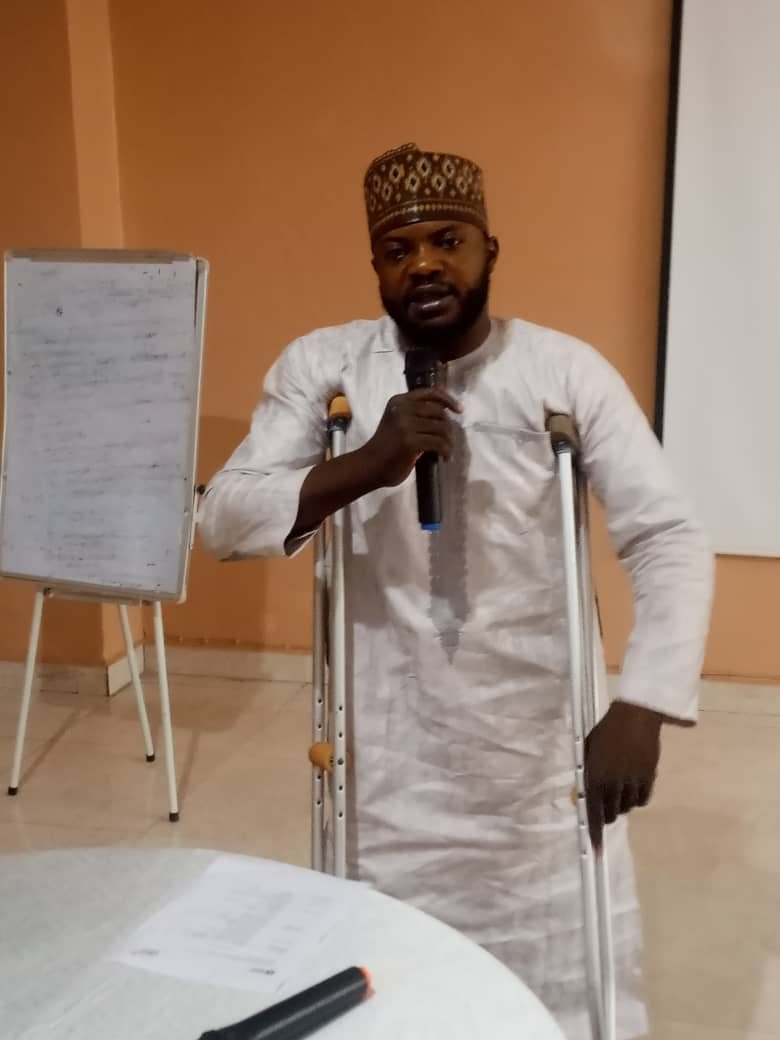
Delivering a presentation on the overview of the Disability Law and disability-inclusive policies, Musa Muazu explained that the Disability Act guarantees equal rights and opportunities for persons with disabilities while placing legal obligations on governments, institutions and individuals.
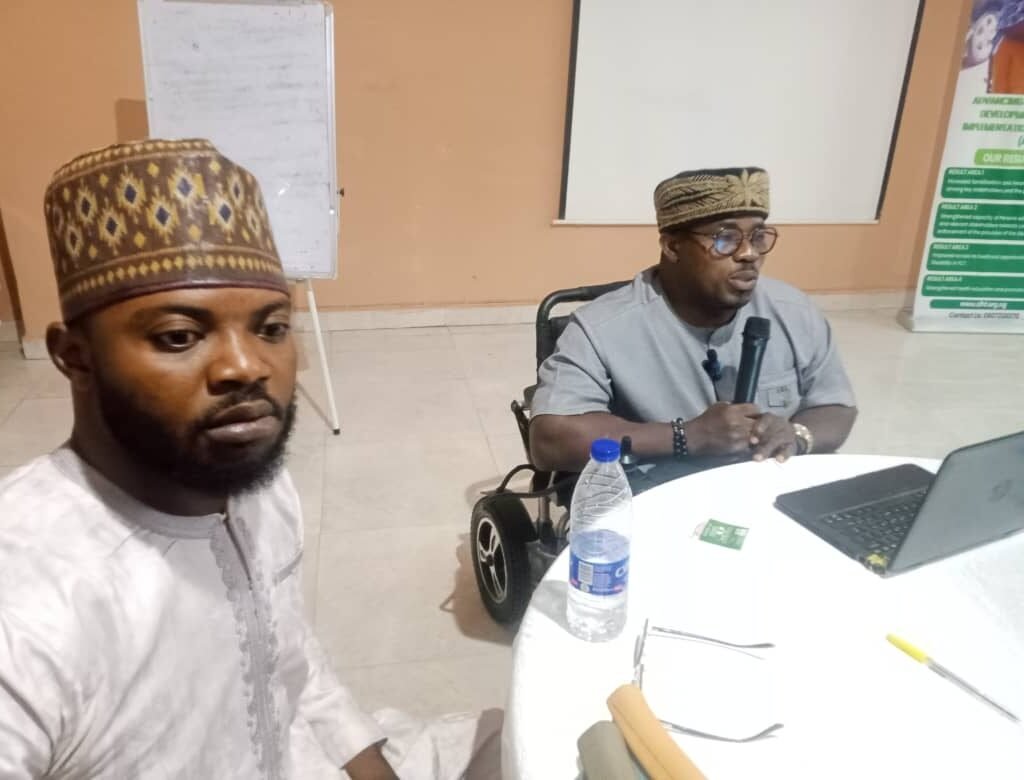
Muazu stressed that discrimination against persons with disabilities is not only morally wrong but also punishable under Nigerian law.
He explained that any organisation found guilty of discriminating against a person because of disability commits an offence and is liable to a fine of ₦1 million, while an individual offender risks a ₦100,000 fine, six months imprisonment, or both.
He further noted that prosecution under the Act does not prevent a victim from instituting a separate civil action to seek compensation or other legal remedies.
“The law is clear that every Nigerian deserves equal dignity regardless of disability. Inclusion is not charity; it is a legal right and a constitutional obligation,” he said.
Muazu also highlighted the responsibilities assigned to the Federal Ministry of Information, Federal Ministry of Justice, National Orientation Agency (NOA), Nigeria Bar Association (NBA), civil society organisations, the media and Organisations of Persons with Disabilities in ensuring widespread awareness of disability rights.
According to him, public enlightenment campaigns should consistently educate citizens that persons with disabilities deserve respect and possess valuable skills capable of contributing meaningfully to national development.
He also spoke extensively on accessibility, explaining that persons with disabilities have the legal right to enter and use public places without barriers.
He urged government agencies and private organisations to ensure that public buildings incorporate ramps, elevators, accessible walkways and other facilities that guarantee ease of movement.
Muazu added that roads, pedestrian bridges and other public infrastructure should also be designed to accommodate persons with disabilities in line with the Disability Act.
Chris Agbo Urges Media to Change Disability Narratives
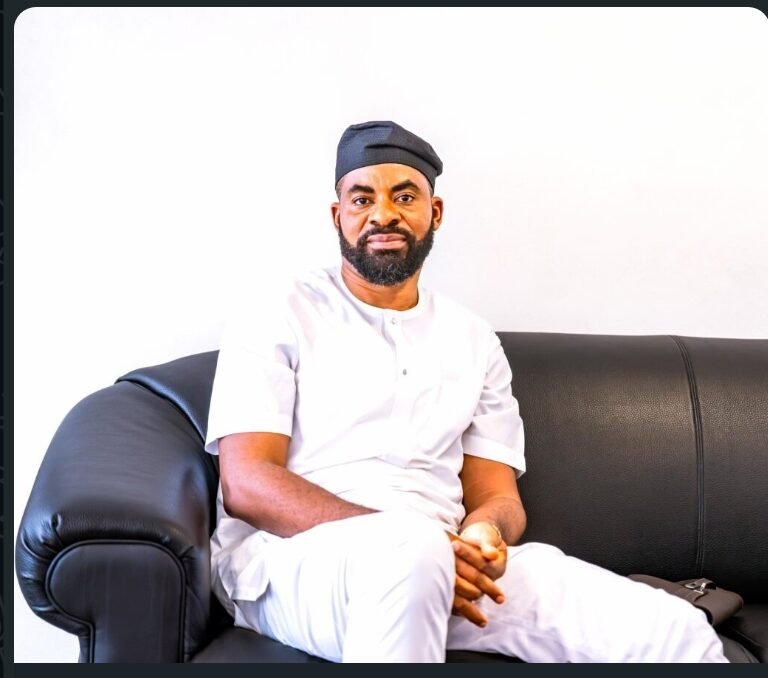
Leading the interactive session on Addressing Stigma and Promoting Positive Narratives on Disability Inclusion, Mr. Chris Agbo challenged journalists to abandon language and reporting styles that reinforce stereotypes about disability.
He observed that media narratives significantly influence public attitudes and urged journalists to portray persons with disabilities as active contributors to society rather than objects of sympathy.
Agbo encouraged media professionals to adopt people-first and rights-based language, highlighting the achievements, leadership and resilience of persons with disabilities.
“The media must move beyond stories of pity. Persons with disabilities are entrepreneurs, professionals, teachers, lawyers, innovators and leaders. They deserve balanced representation that reflects their capabilities and contributions,” he said.
He further urged newsrooms to intentionally include disability issues in mainstream reporting rather than limiting coverage to commemorative days.
According to him, inclusive journalism promotes accountability by drawing attention to inaccessible public infrastructure, discrimination and policy implementation gaps.
Agbo also called on government institutions to work closely with disability organisations and media practitioners to amplify awareness campaigns capable of changing public perception.
Persons with Disabilities Share Experiences
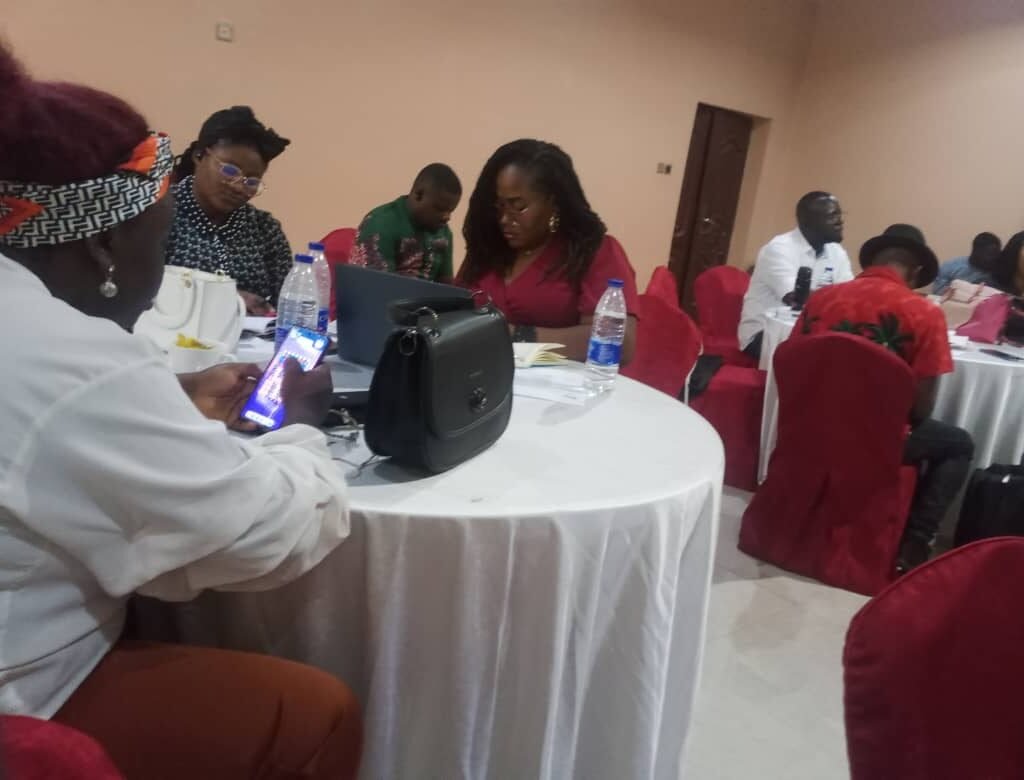
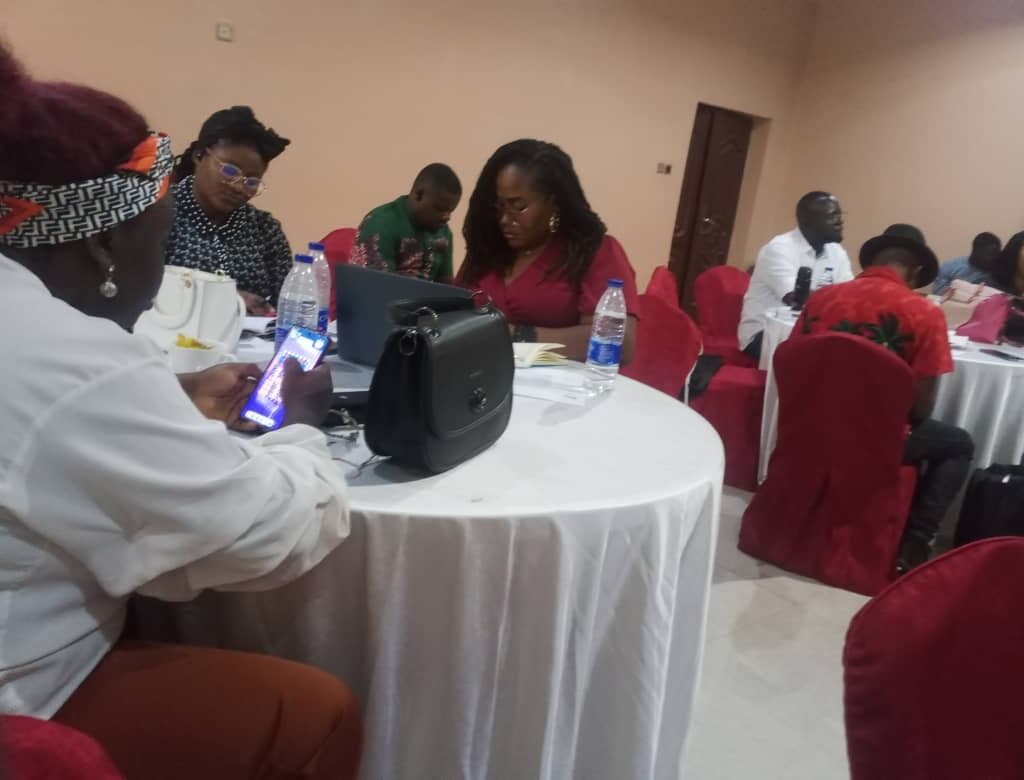
Participants also listened to testimonies from persons with disabilities and representatives of Organisations of Persons with Disabilities (OPDs), who shared personal experiences of discrimination, inaccessible infrastructure and exclusion from employment, education and public services.
They appealed to government institutions, private organisations and community leaders to ensure that disability inclusion becomes part of everyday governance and development planning.
Several participants stressed that effective implementation of the Disability Act requires stronger collaboration among government agencies, civil society, traditional institutions, development partners and the media.
Action Points
Participants resolved to strengthen public awareness campaigns, encourage responsible media reporting, promote accessibility in public infrastructure and support full implementation of the Disability Act.
They also agreed that journalists should continue highlighting disability issues to ensure greater accountability and sustained public engagement.
The programme ended with a summary of resolutions and next steps presented by the ADID Rapporteur.