
By Gabriel Ameh
The BRICS cooperation mechanism has opened new opportunities for stronger cooperation among emerging economies and is giving the Global South a greater voice in global affairs.
Established in 2006, BRICS has expanded significantly over the past two decades, growing from a grouping of major emerging economies into a broader platform for economic, technological and development cooperation.
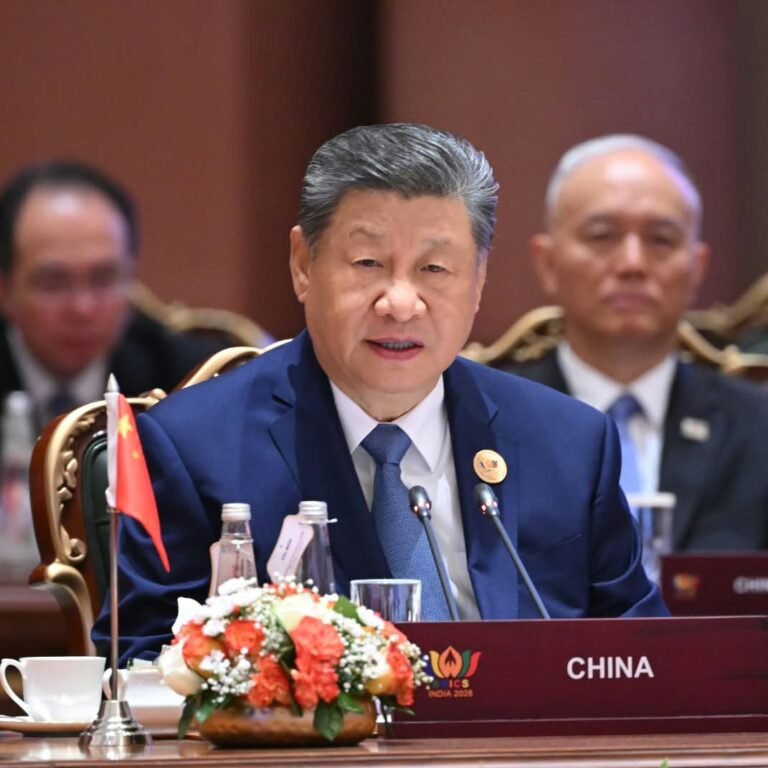
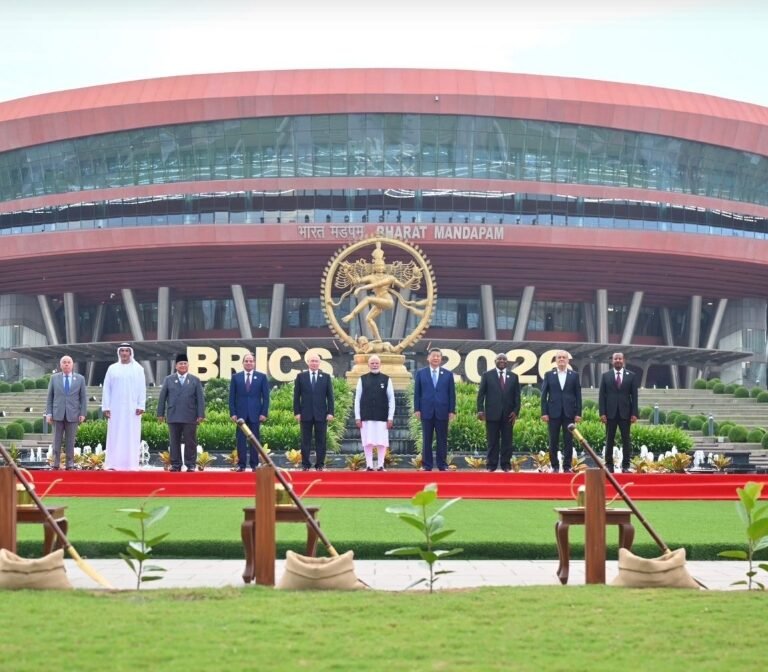
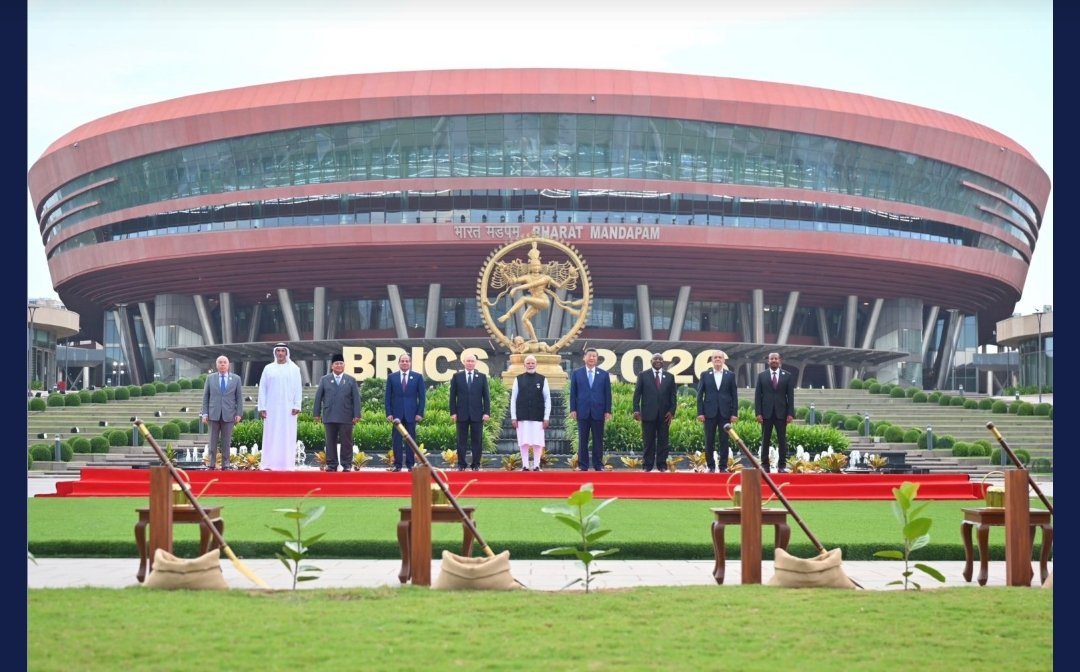
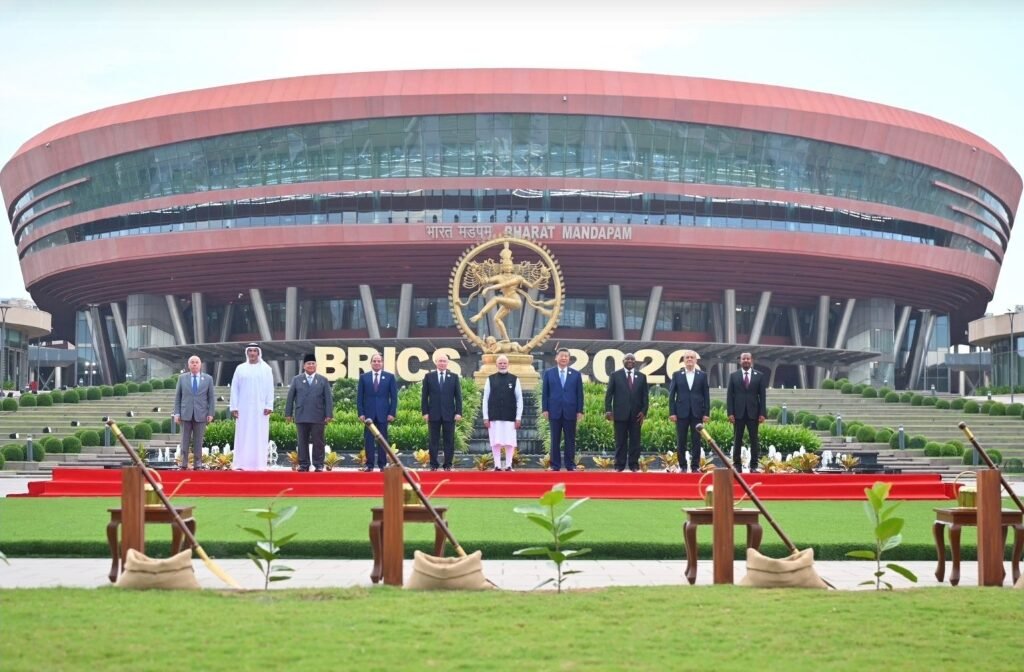
As BRICS leaders prepare to meet in New Delhi, India, the group is taking on a bigger role in promoting cooperation among developing countries at a time when the global economy is facing protectionism, trade tensions and increasing fragmentation.
The growing influence of BRICS is reflected in its economic and demographic strength. Member countries now account for about 40 percent of global GDP based on purchasing power parity and nearly half of the world’s population.
According to data released by UN Trade and Development in March, intra-BRICS merchandise trade has increased more than 13-fold since 2003, with exports reaching $1.17 trillion in 2024.
But BRICS is not only about economic strength.
Its growing importance also lies in how countries with different economic systems and development experiences are combining their resources, industries and technological capabilities to pursue shared development goals.
One major area is development financing.
For many developing countries, access to affordable and long-term funding remains essential for infrastructure and sustainable development. The New Development Bank (NDB), headquartered in Shanghai, has emerged as one avenue for such financing.
By the end of the first quarter of 2026, the NDB had approved $42.9 billion in financing for 140 projects, according to figures released by the bank.
The projects cover areas including infrastructure, clean energy and digital transformation, addressing some of the major development needs of countries in the Global South.
BRICS cooperation is also expanding into renewable energy, digital infrastructure, scientific research and technological innovation.
The BRICS Partnership on New Industrial Revolution Innovation Center in Xiamen, established in 2020, is one example. The platform supports cooperation in digitalisation, advanced manufacturing and technological innovation.
These initiatives highlight a broader role for BRICS: beyond giving developing countries a stronger voice, the bloc is creating practical opportunities for access to finance, technology and international cooperation.
This growing range of opportunities has contributed to BRICS’ appeal among countries seeking greater participation in global economic cooperation.
China, as a founding member, has supported platforms for practical cooperation while advocating broader participation and greater openness within an expanding BRICS framework.
Some critics in the West describe BRICS as an attempt to create a rival global bloc. Supporters, however, argue that the mechanism is built around openness, inclusiveness and mutual benefit rather than confrontation or exclusion.
As BRICS enters what could become its third decade of deeper cooperation, its members face the challenge of turning their growing collective influence into tangible benefits for developing countries.
Greater cooperation could help the Global South secure more opportunities in trade, investment, technology and sustainable development while contributing to a more balanced and inclusive global economic system.
The future of BRICS, therefore, may depend not simply on its size, but on how effectively its members translate their growing influence into practical cooperation and development opportunities for millions of people across the Global South.