
By Gabriel Ameh
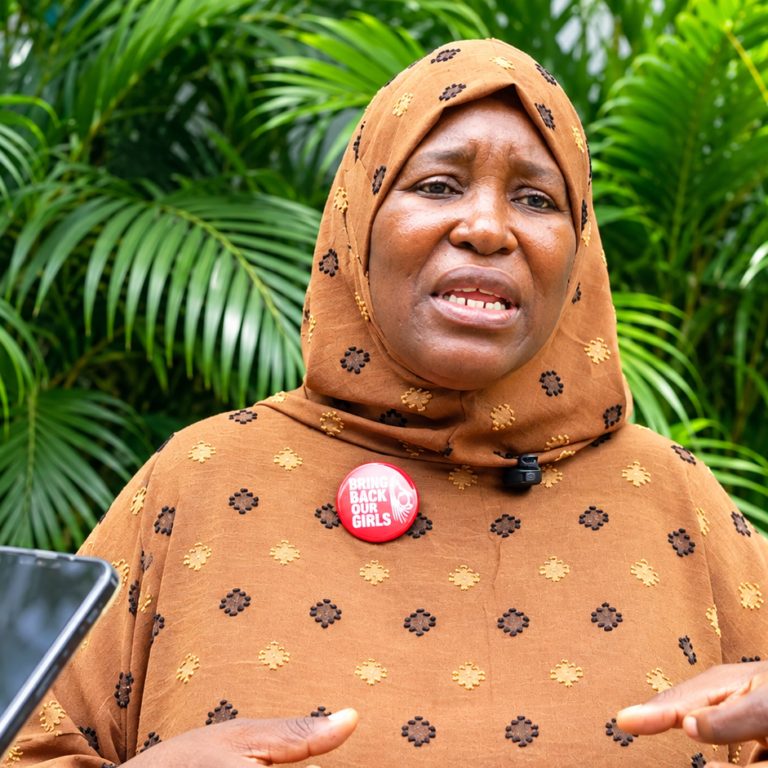
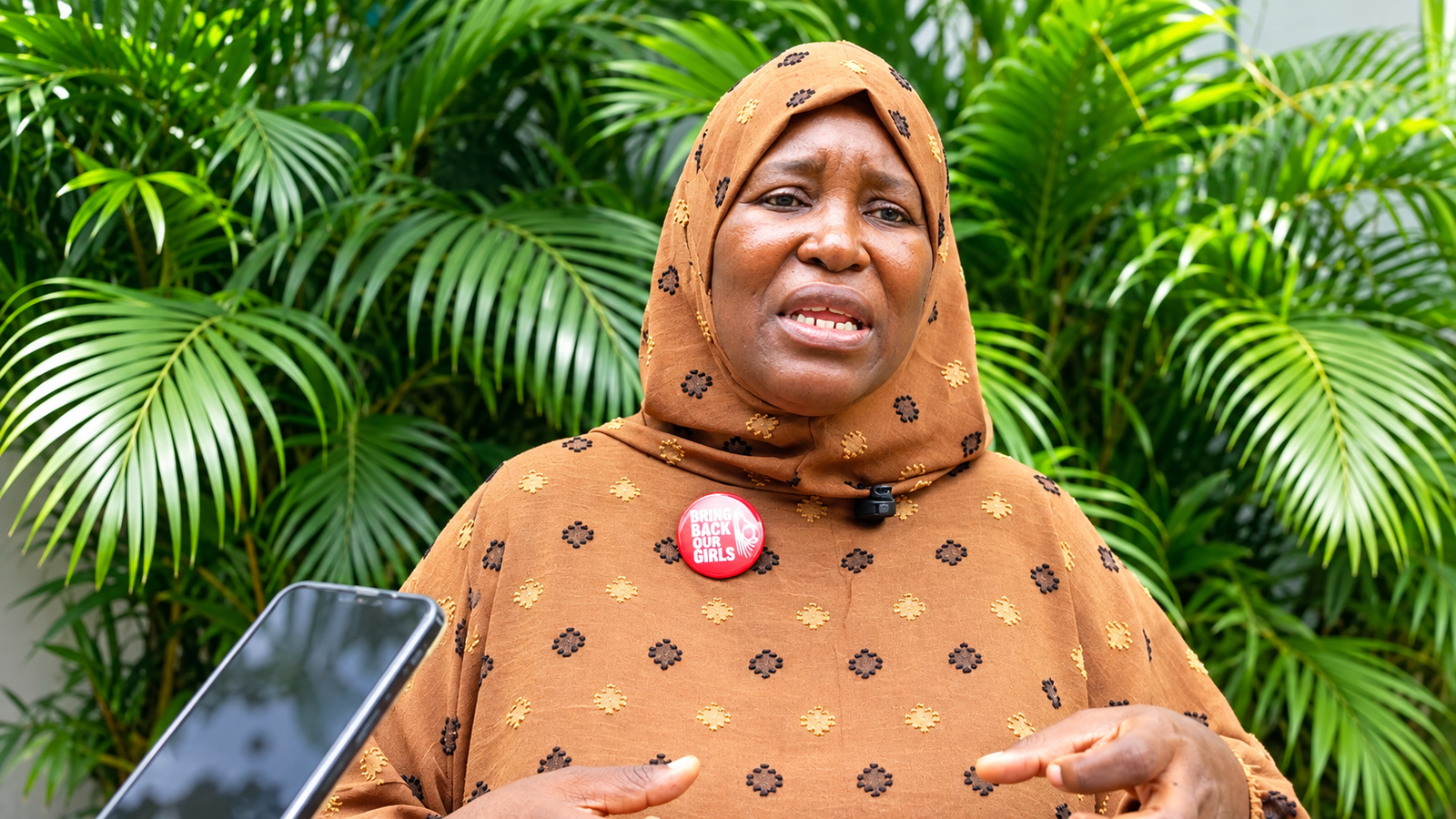
Human rights advocate, trader and public commentator Aisha Yesufu has challenged Nigerian women to reject self-imposed limitations, pursue ambitious goals, build financial independence and take a more active role in leadership and politics.
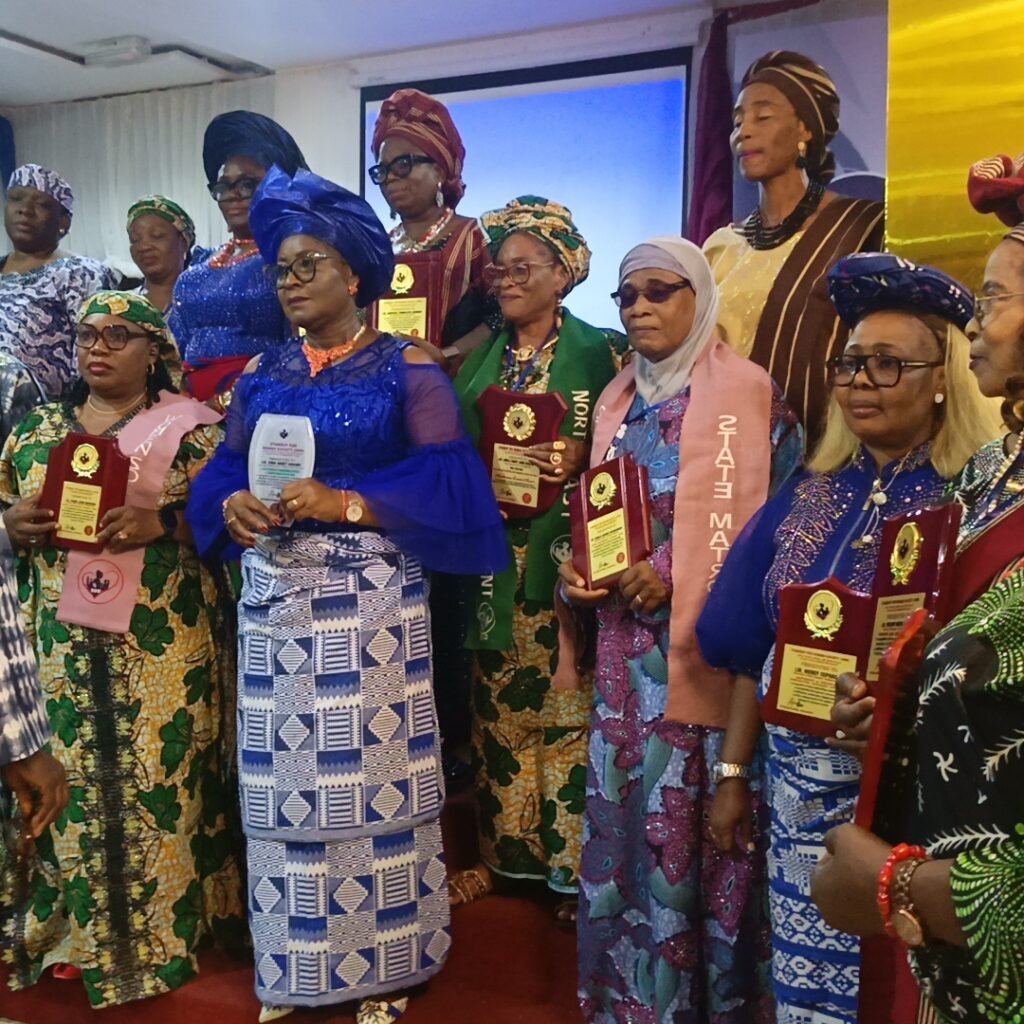
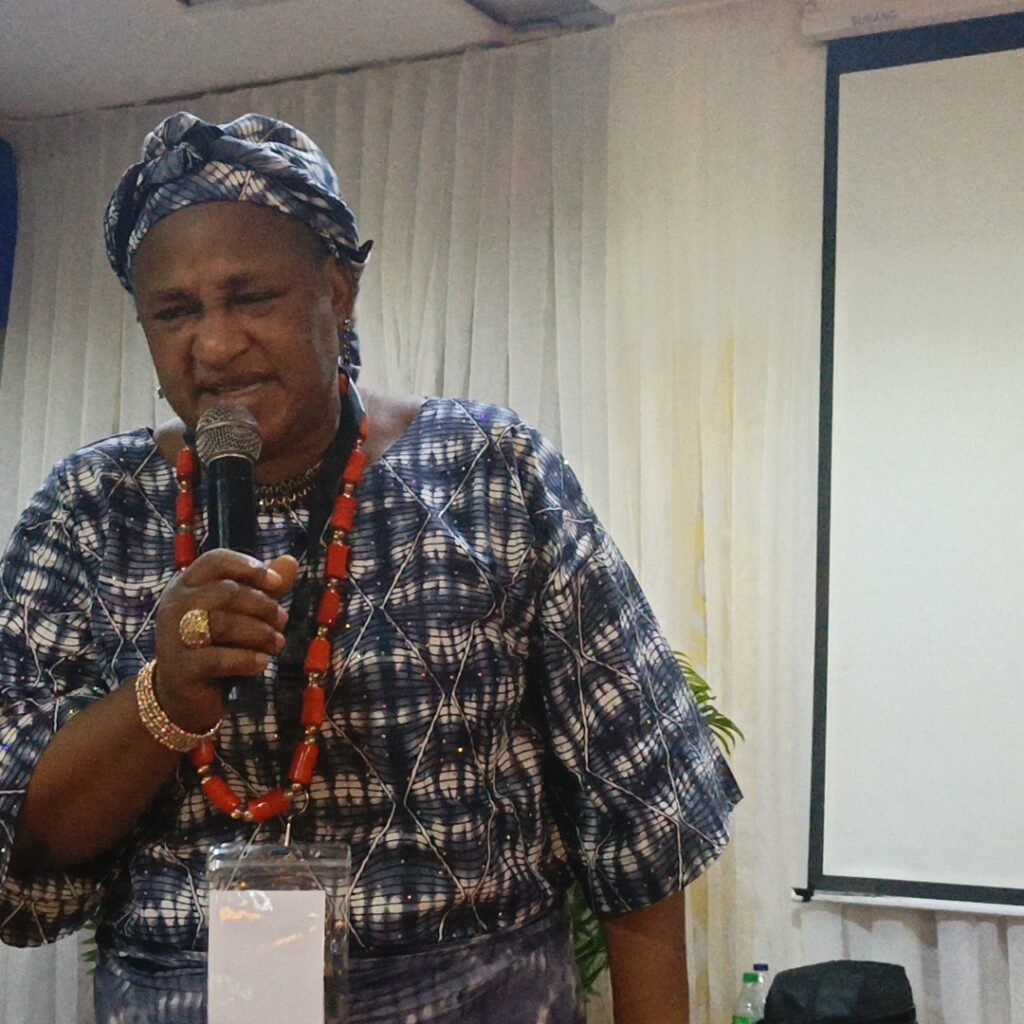
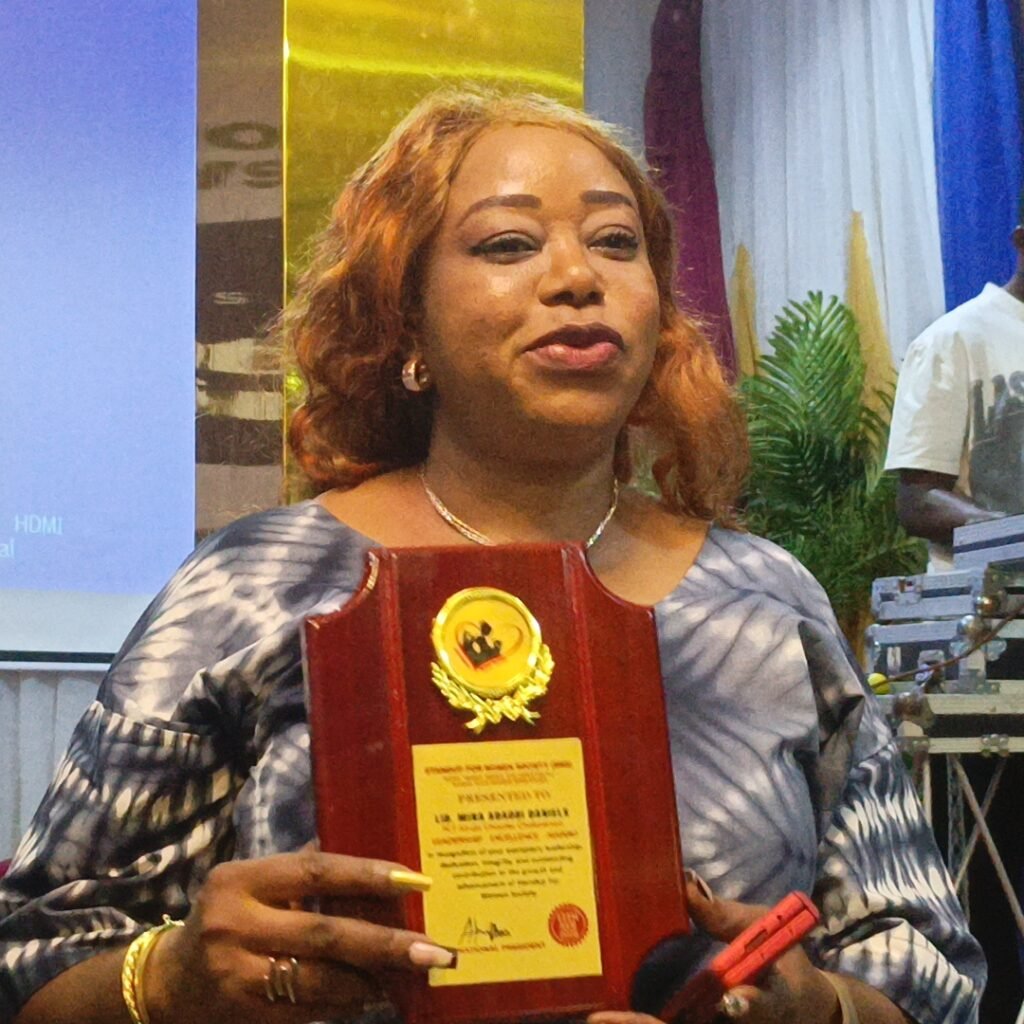
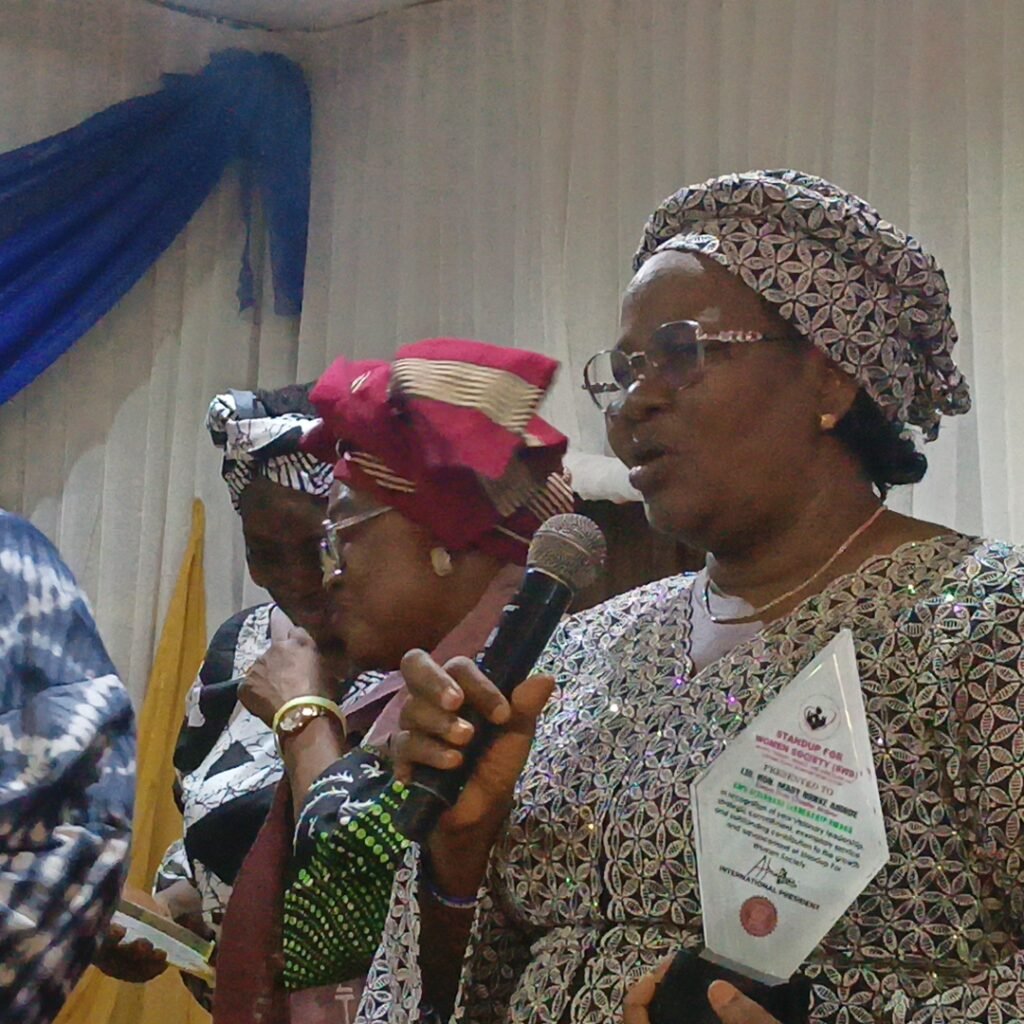
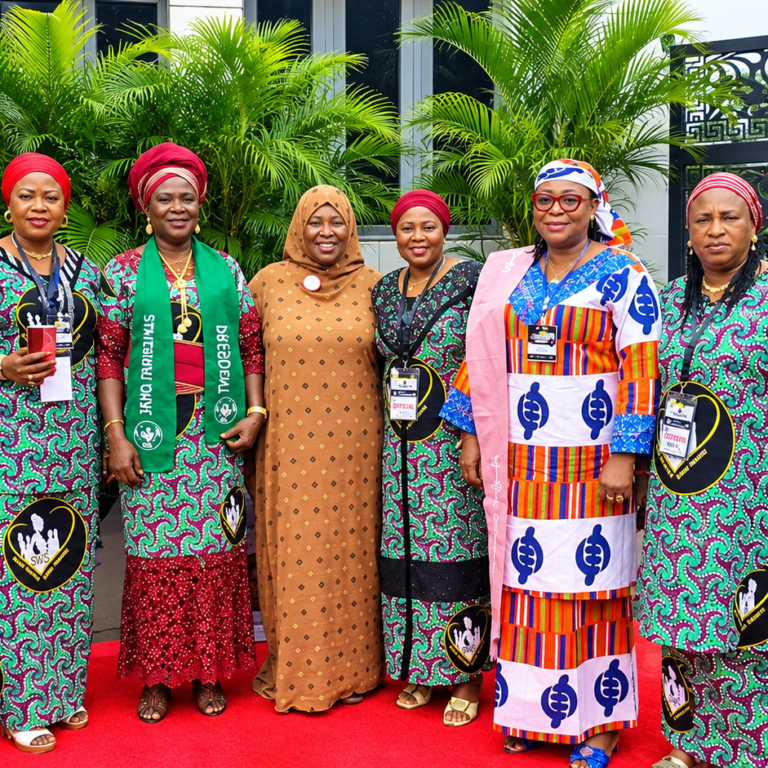
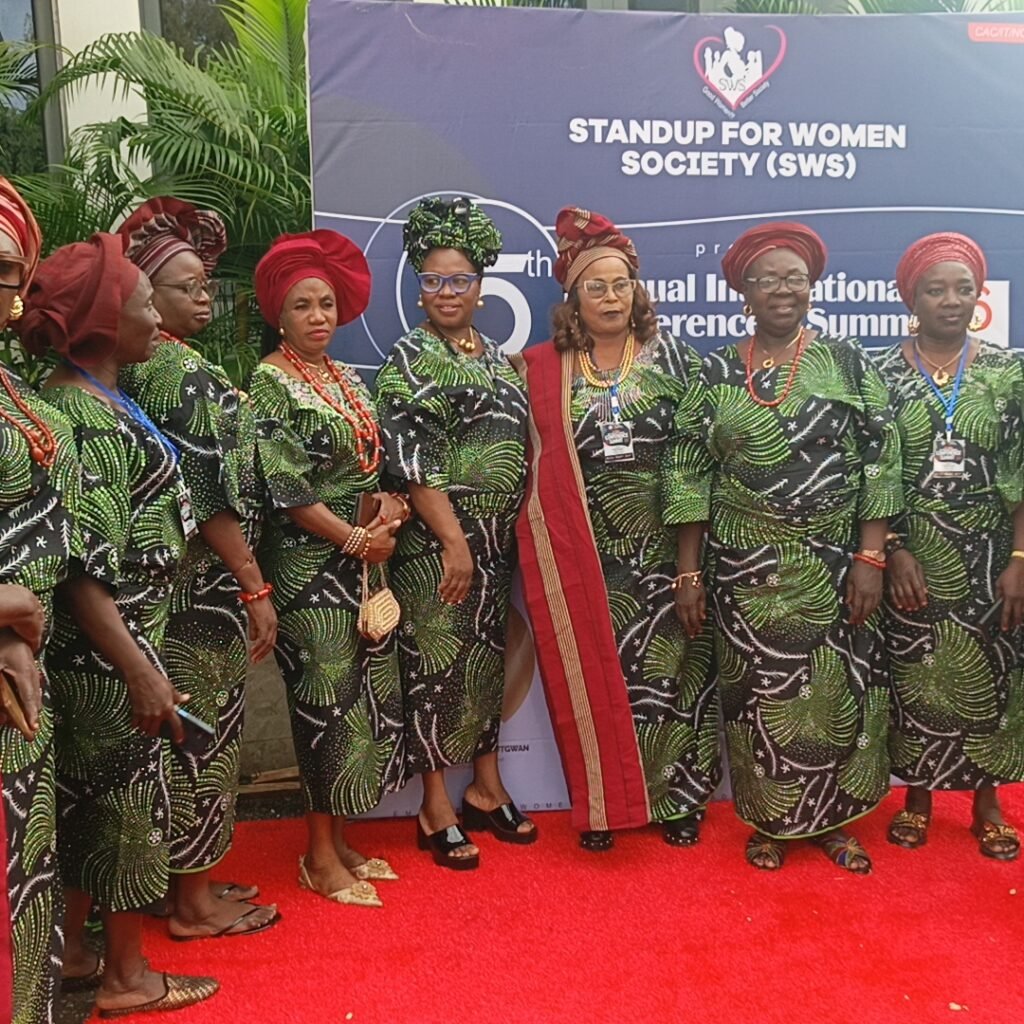
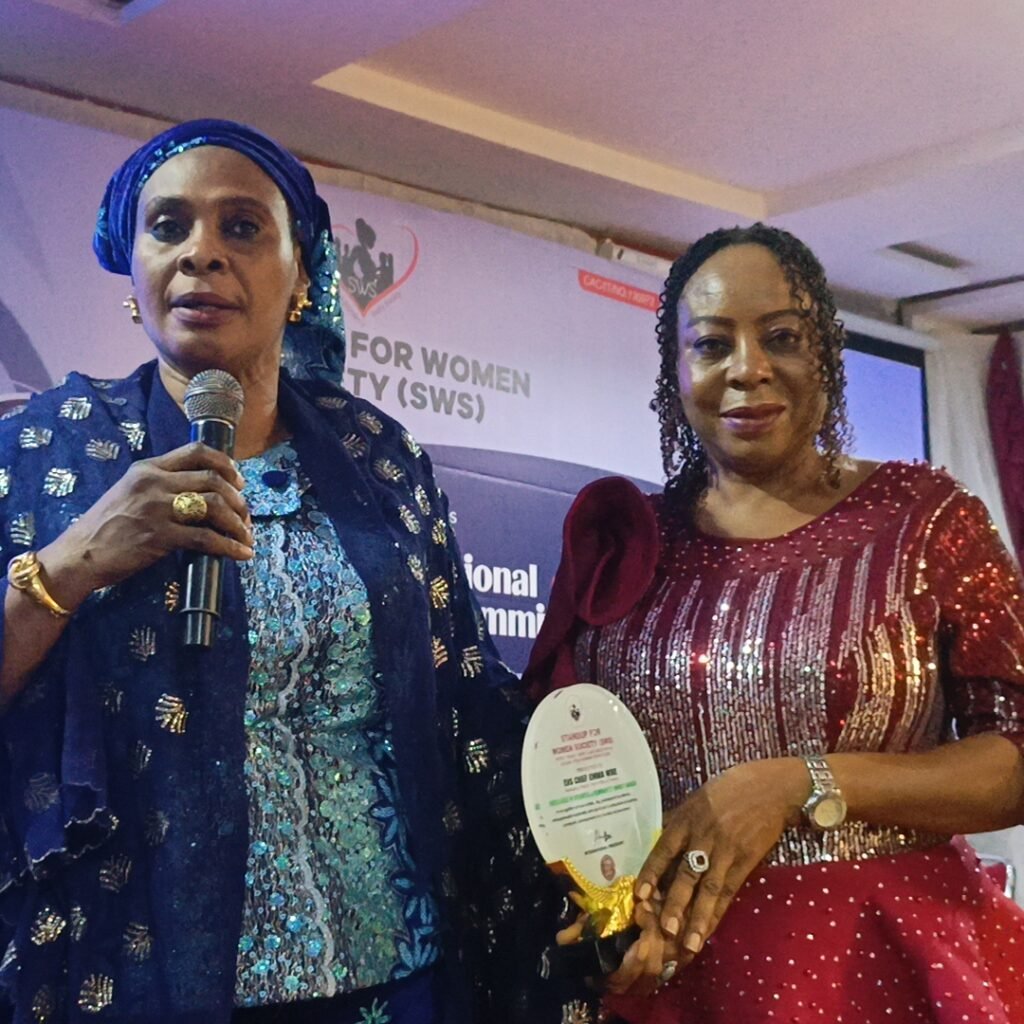
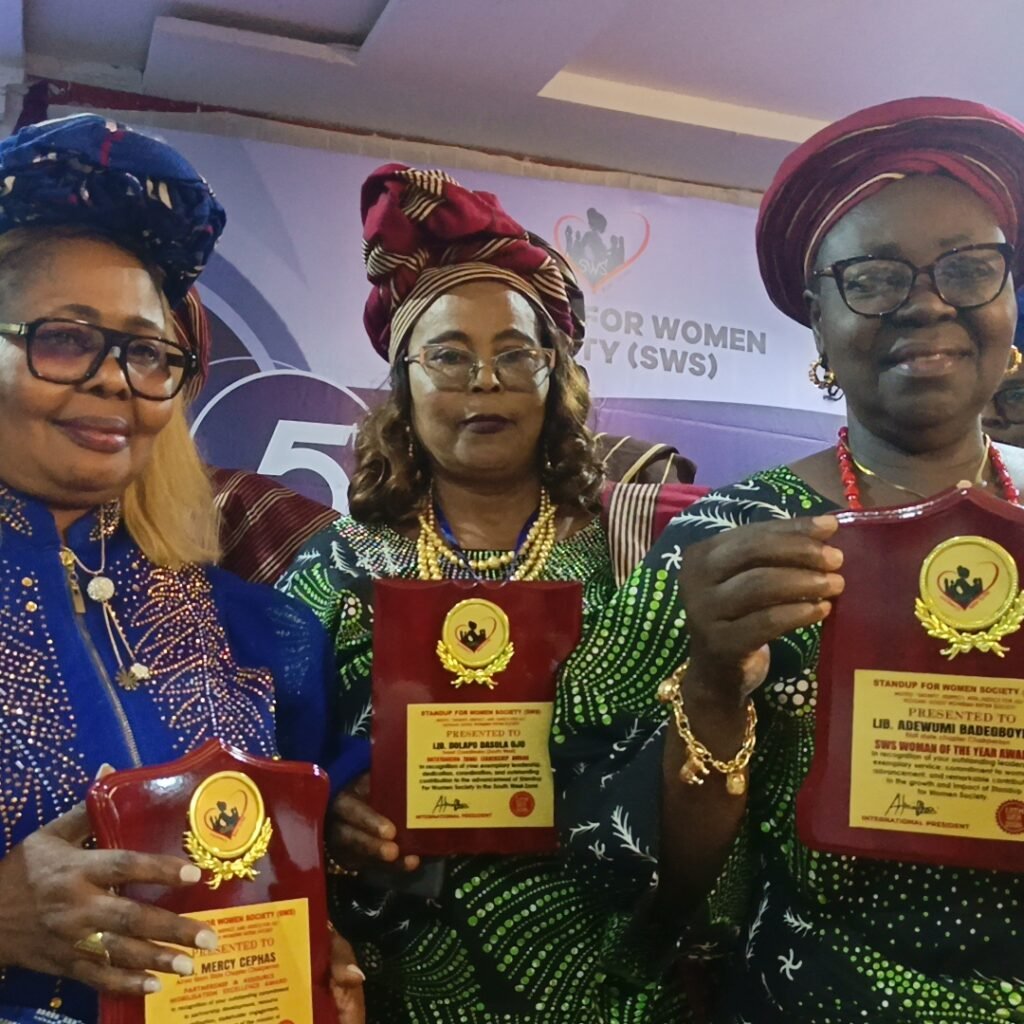
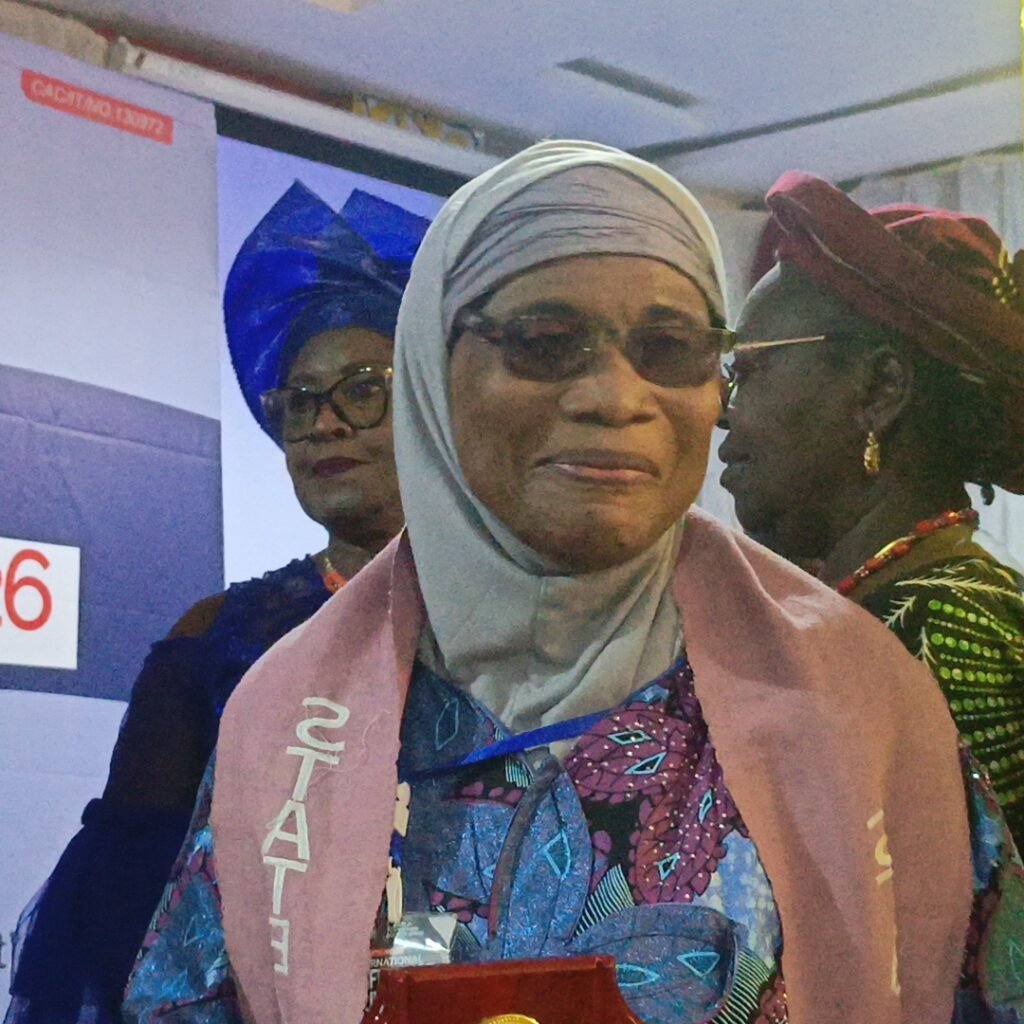
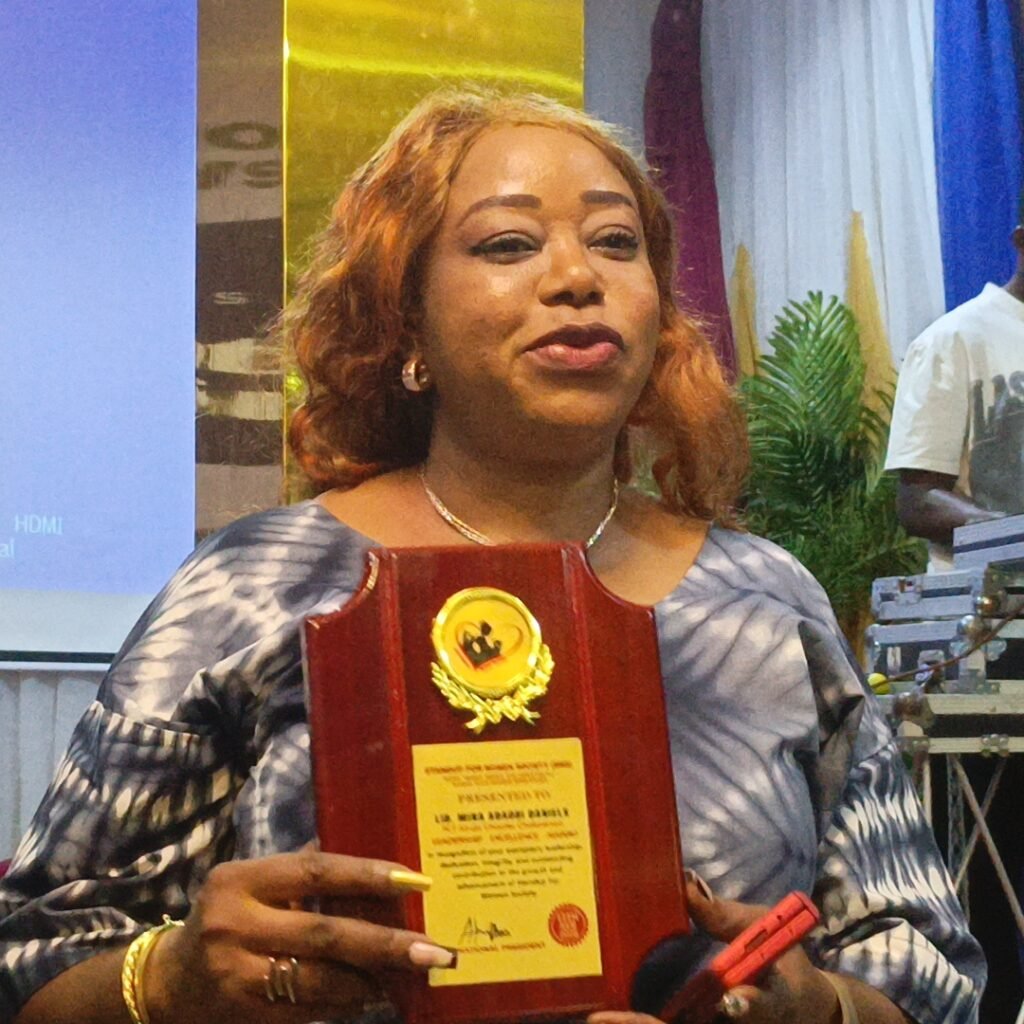
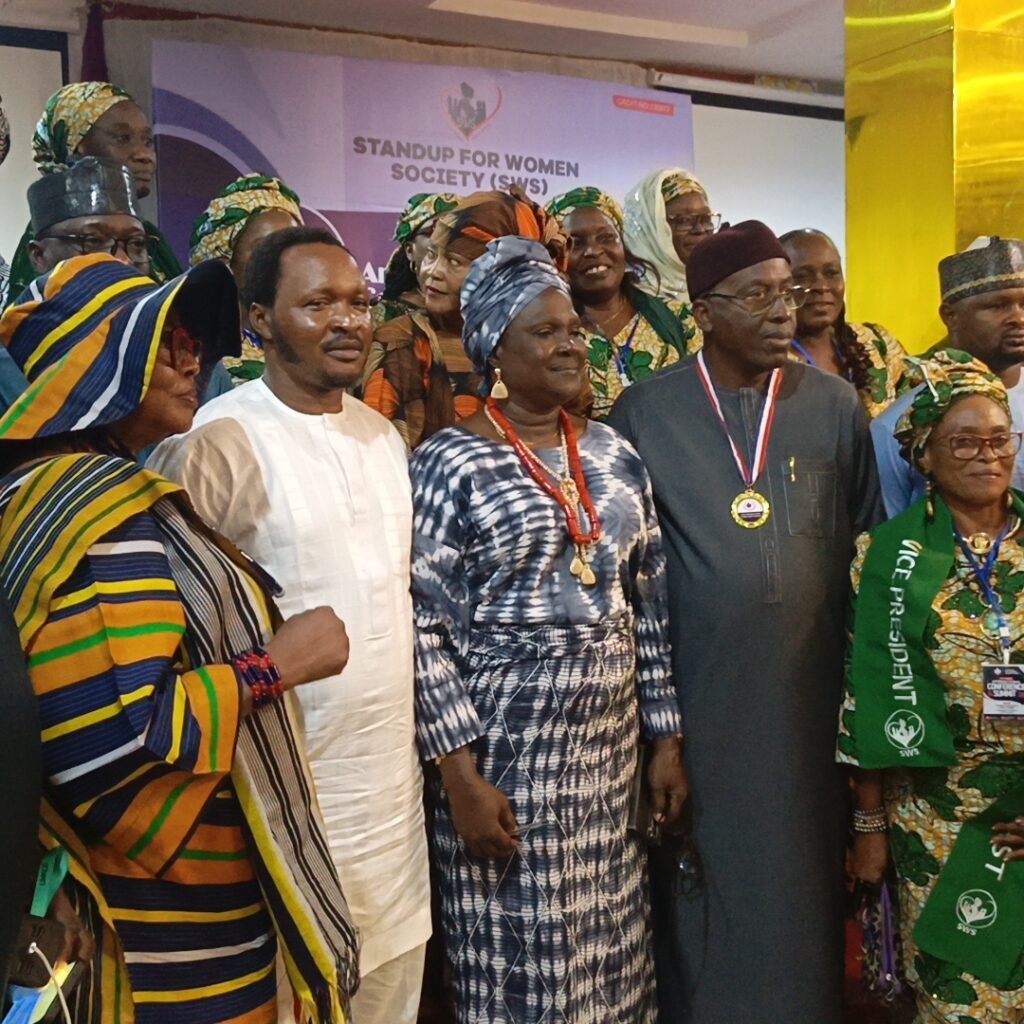
Yesufu spoke at the 5th Annual International Conference and Summit of the Standup for Women Society (SWS) in Abuja, held under the theme, “Women Securing the Future: Leadership, Prosperity & Global Impact.”
She urged women to stop allowing their present circumstances to determine the size of their dreams, stressing that people should set goals based on what they want to achieve rather than the obstacles currently standing before them.
According to her, women should write down at least 100 things they want to accomplish within the next 10 years, covering areas such as family, health, business, faith, career and life after retirement.
Yesufu said setting ambitious goals gives the mind a sense of direction and creates a deliberate focus towards achieving them.
She also encouraged women to understand the difference between effort and results, arguing that individuals can control their efforts but cannot always control the outcome.
“Your effort is what you have control over, not the result,” she said, urging women to concentrate on what they can do rather than becoming overwhelmed by the results they hope to achieve.
The activist further advised women to know their rights, exercise them and validate themselves rather than waiting for others to approve or recognise their worth.
She said women should not allow other people’s opinions to become their reality, adding that personal confidence and self-knowledge are essential to achieving meaningful success.
‘Your greatness does not diminish my greatness’
Yesufu also called on women to actively empower one another, particularly by helping younger women surpass the achievements of older generations.
She said older women should not expect younger women to experience the same struggles they endured before achieving success.
Instead, she urged them to create opportunities for younger women to go further.
According to her, women should see the success of other women as motivation rather than competition.
She encouraged older women to become a support system for younger women, saying the next generation should be able to “fly” on the shoulders of those who came before them rather than starting from the same difficult position.
Financial independence is key
A major part of Yesufu’s message focused on financial independence.
She described financial independence as one of the most important things women can achieve, warning against a culture that encourages women to depend entirely on others for their financial needs.
She encouraged women to develop financial literacy, build assets and create sources of passive income.
Yesufu explained that active income is money earned through work or business activity, while passive income comes from investments and assets that generate returns without requiring one’s constant physical involvement.
She urged women to regularly convert part of their active income into investments that can appreciate over time or generate additional income.
The activist said women should also learn to distinguish between assets and liabilities.
According to her, an asset is something that brings money into a person’s pocket, while a liability takes money away.
She advised women to ask themselves whether something they intend to buy is a need or a want before spending money.
Yesufu also encouraged women to invest in property and other productive assets, arguing that financial independence gives people greater freedom to make decisions and stand their ground.
Education over unnecessary spending
Using her family’s experience, Yesufu explained how financial priorities helped her provide specialised education for one of her children who has dyslexia.
She recalled having to make difficult financial decisions when the cost of educating her children increased after the family moved to Abuja.
Rather than allowing increased expenses to overwhelm her, she said she returned to her business and worked harder to generate the additional income required.
She also urged parents to prioritise the education of their children over unnecessary luxury spending.
Yesufu recalled that at a point, her family reduced expensive holidays because of increased school fees, choosing instead to focus resources on their children’s education.
She said the experience taught her children that family happiness was not necessarily determined by travelling abroad or displaying wealth.
Women must invest and build property
Yesufu encouraged women who earn salaries or operate businesses to put aside part of their income for investment.
She recommended that women consider saving and investment schemes and make regular contributions, suggesting that they should aim to invest at least 10 per cent of their income where possible.
She also spoke strongly in favour of property investment, encouraging women to acquire land and build houses where they have the financial capacity.
She argued that women should not assume that building houses or acquiring property is exclusively the responsibility of men.
Yesufu further encouraged women to think about inheritance and ensure that daughters are also provided for when family assets are being distributed.
‘Bring your own table’
On leadership, Yesufu said women should stop waiting for society to give them permission to lead.
She urged women to create opportunities for themselves rather than waiting for a seat at existing tables.
“You don’t need a place at the table. Bring your own table,” she said.
She also encouraged women to remain consistent, stay visible and ensure that their voices are heard in places where decisions are made.
Yesufu warned women against attributing every setback to gender.
Instead, she advised them to examine the reasons behind their failures, learn from them and continue working towards their goals.
She said women must refuse to disappear simply because they encounter resistance.
Women must participate in politics
Yesufu concluded by urging women to become more involved in politics and decision-making.
She said women should not wait for political structures to create space for them because existing systems may not automatically provide the opportunities they seek.
According to her, women must actively participate in changing the system and ensuring that more women are represented wherever important decisions are made.
She stressed that politics is everyone’s business and called on women to move beyond waiting for appointments or opportunities to be handed to them.
The message, she said, should be one of action, consistency, empowerment and collective progress as women work towards securing a better future for themselves and the next generation.