
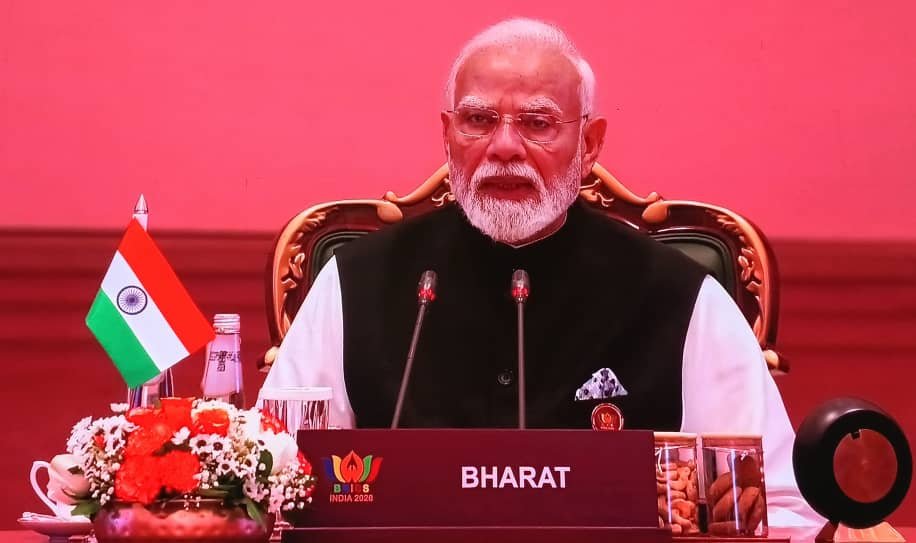
By Gabriel Ameh
India has clarified that there is currently no proposal within BRICS to create a common currency, while member countries continue discussions on using local currencies to settle trade and reduce transaction costs.
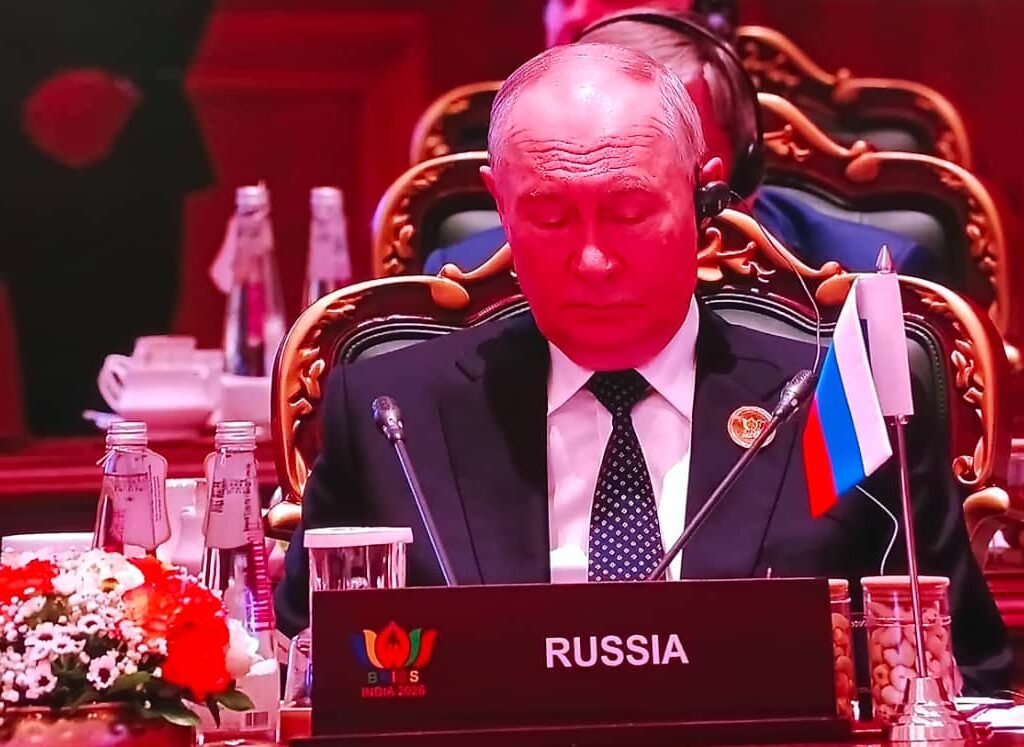
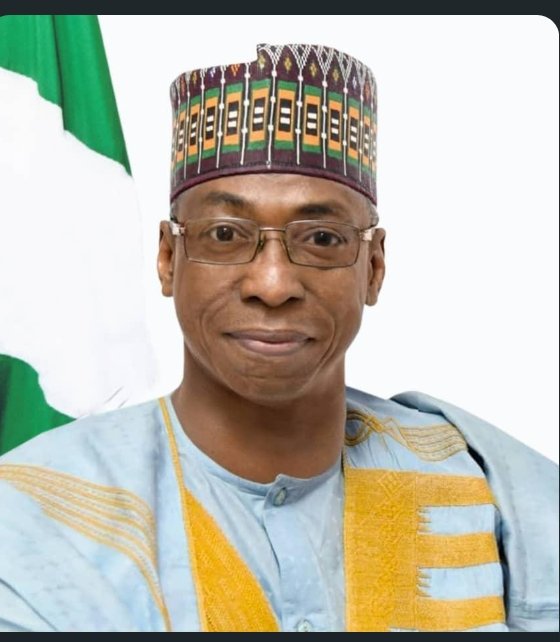
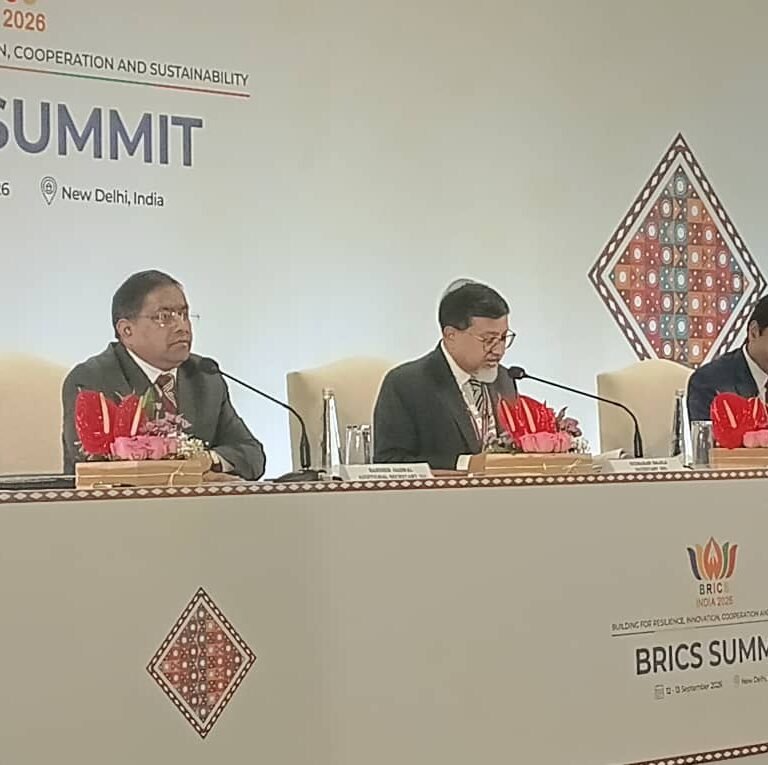
Briefing journalists on the outcome of the 2026 BRICS Summit, Secretary (Economic Relations) Shri Sudhakar Dalela said discussions on local-currency trade settlements had been ongoing for more than a decade.
“Discussion on trade settlement in local currency has been underway for some time. It is not a new subject,” Dalela said.
He explained that local-currency settlement is being considered as a practical mechanism to make bilateral trade more efficient, lower transaction costs and increase trade among BRICS members.
According to Dalela, discussions are taking place both bilaterally and within the BRICS framework, with the issue falling under the Finance Ministers and Central Bank Governors track.
He stressed that the initiative is not aimed at replacing existing international payment and settlement systems but at providing additional options that could facilitate trade among member countries.
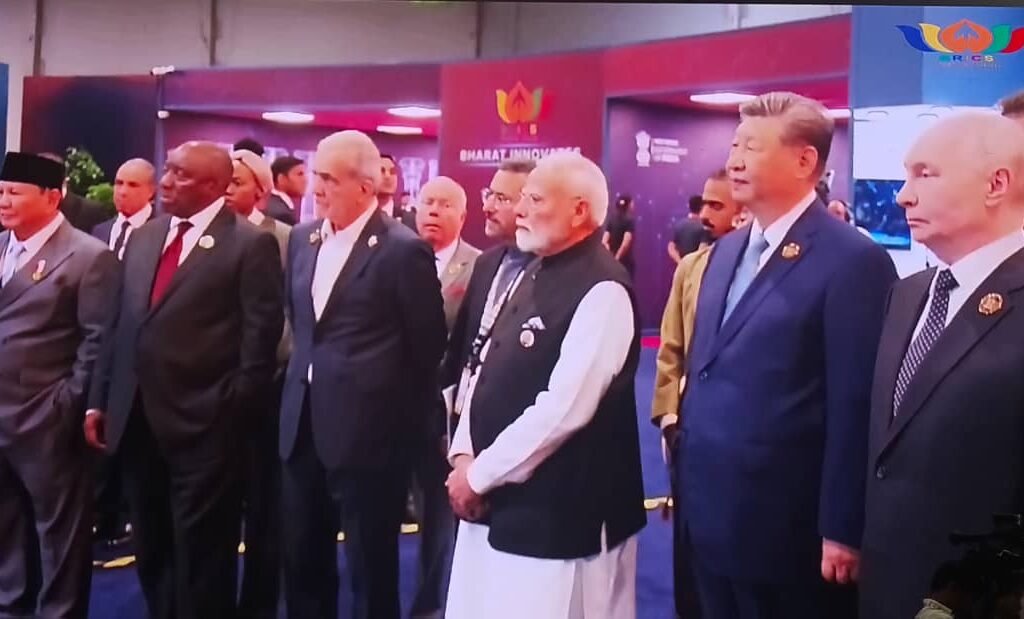
BRICS Focuses on Trade and Global South Cooperation
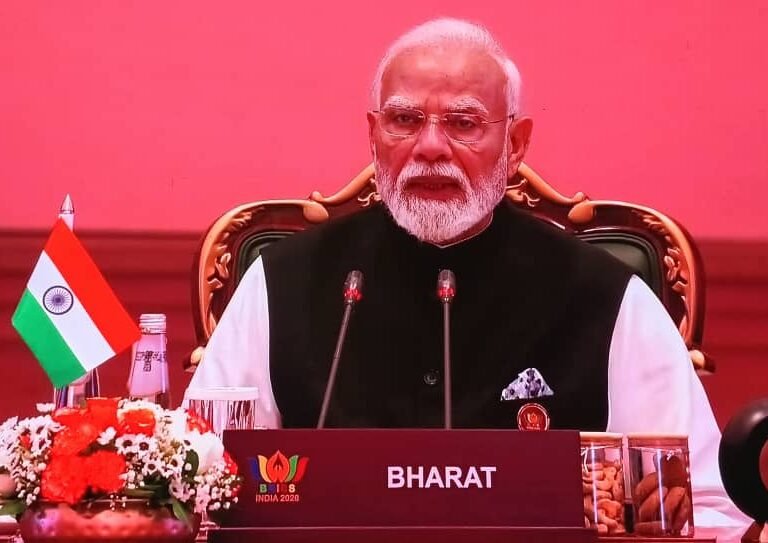
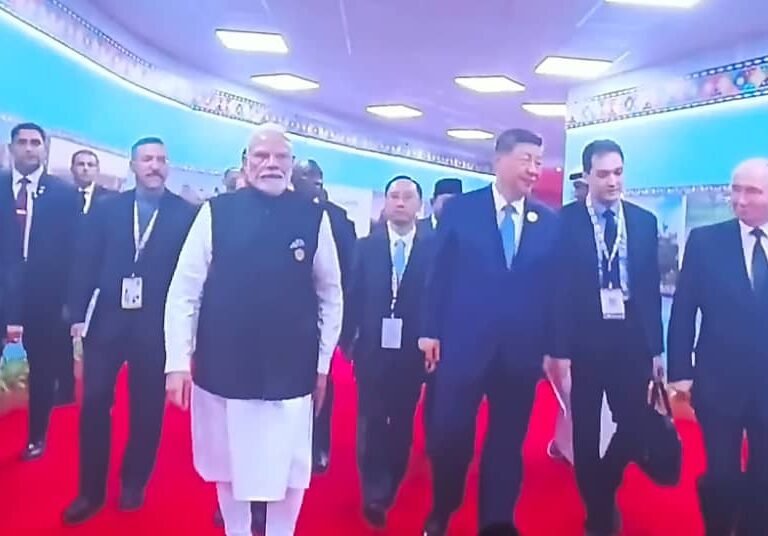
Dalela described BRICS as a major grouping of emerging markets and developing economies, saying consensus on major issues is reached through sustained consultations involving Sherpas, foreign ministers and national leaders.
He said the extensive engagement throughout India’s chairship helped members reach consensus on a broad range of issues reflected in the New Delhi Declaration.
The official also highlighted BRICS’ 20-year journey, noting that the grouping held its first meeting on the sidelines of the United Nations General Assembly in New York in 2006.
India marked the anniversary with the release of a commemorative postal stamp.
Dalela said each BRICS chairship builds on the work of previous presidencies while introducing new priorities. India’s chairship focused on “Resilience, Innovation, Cooperation and Sustainability”, with an emphasis on people-centred development.
BRICS Opposes Unilateral Trade Measures
On tariffs and other unilateral trade measures, Dalela said BRICS maintains that trade-related actions should comply with international law and World Trade Organization rules.
He pointed to the New Delhi Declaration’s opposition to unilateral measures that are inconsistent with international obligations.
Energy, Supply Chains and Innovation
The summit also addressed the impact of geopolitical tensions on energy security and global supply chains.
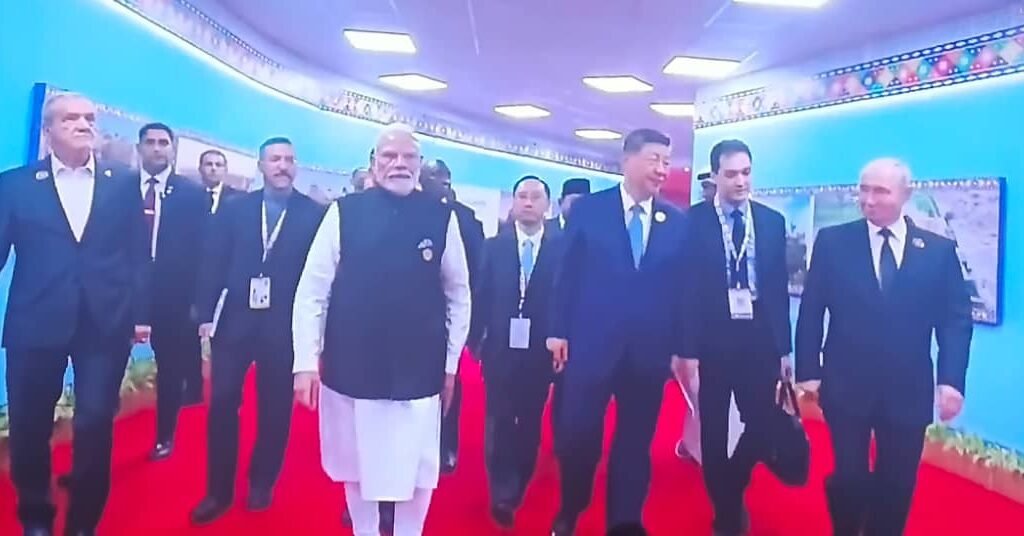
Dalela said BRICS members supported maintaining smooth global trade flows, resilient supply chains and reliable energy supplies in accordance with international law.
Innovation was another major focus of India’s chairship, with Dalela highlighting initiatives including the BRICS Incubator Network and a proposed BRICS Startup Innovation Fund.
He said India was interested in expanding innovation cooperation with China and other BRICS members.
India also proposed a mechanism to support seafarers in distress, an initiative Dalela said could receive broad backing from BRICS members and other countries.
BRICS Reaffirms Stand Against Terrorism
On terrorism, Dalela said BRICS leaders adopted a clear position condemning terrorism in all its forms, including cross-border terrorism.
He said the New Delhi Declaration reflects the group’s collective commitment to combating terrorism and strengthening international cooperation against the threat.
Overall, India said the BRICS agenda remains focused on practical economic cooperation, including measures to facilitate trade, reduce transaction costs and deepen economic ties among developing economies.
While local-currency trade settlement remains under discussion, India said there is currently no proposal for a common BRICS currency.