
By Gabriel Ameh
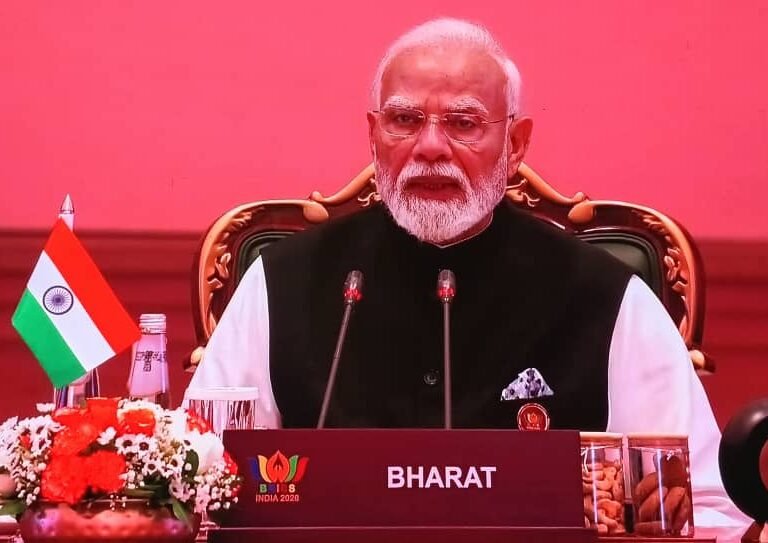
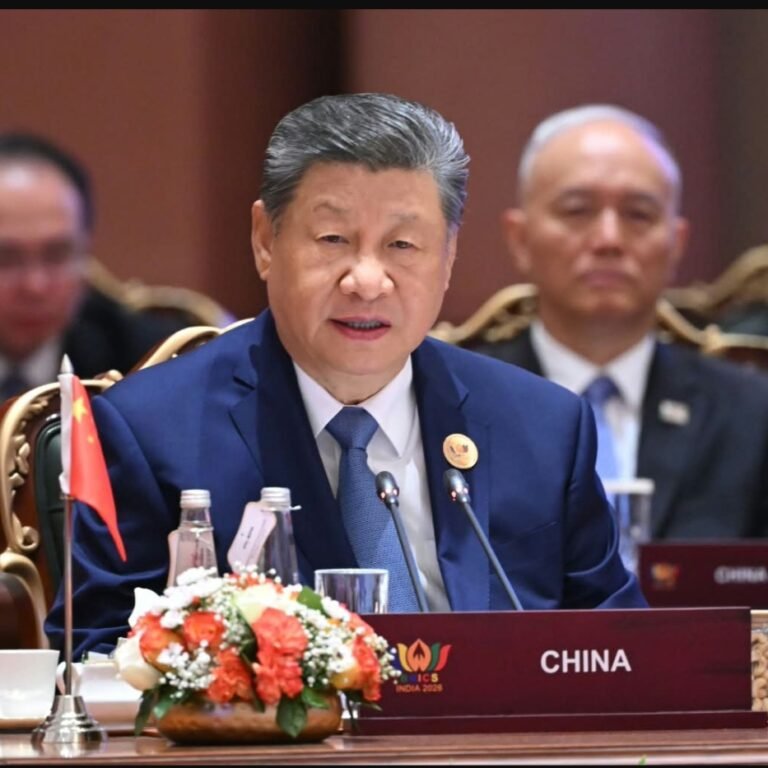
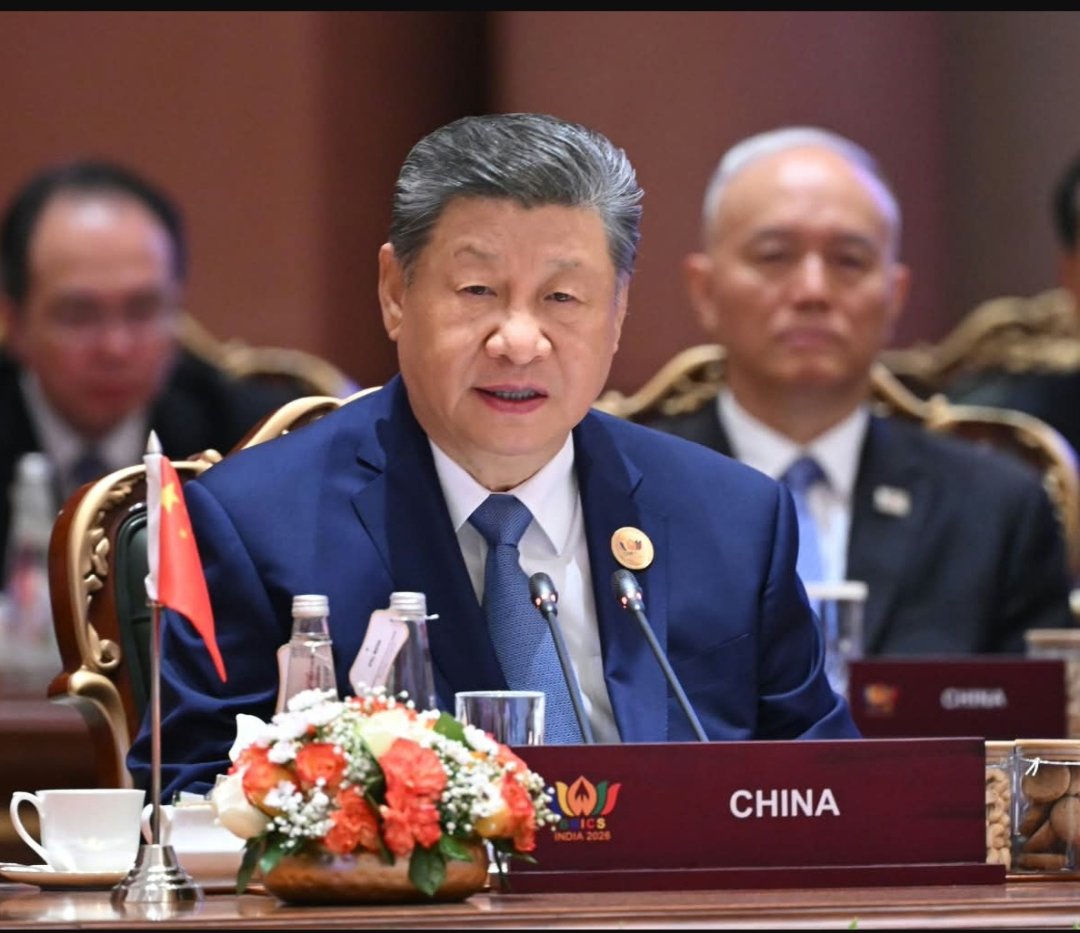
BRICS leaders have pledged to strengthen international efforts against racism, racial discrimination, xenophobia, hate speech and other forms of intolerance as China prepares to assume the bloc’s rotating presidency in 2027.
The commitment was contained in a resolution adopted at the 18th BRICS Summit in New Delhi, where leaders expressed concern over the growing spread of hate speech, disinformation and misinformation.
The resolution called for stronger international cooperation to address discrimination based on religion, faith and belief, as well as emerging forms of intolerance that continue to deepen social divisions.
BRICS leaders stressed the importance of mutual respect, inclusivity and dialogue in confronting discrimination and hate-driven narratives.
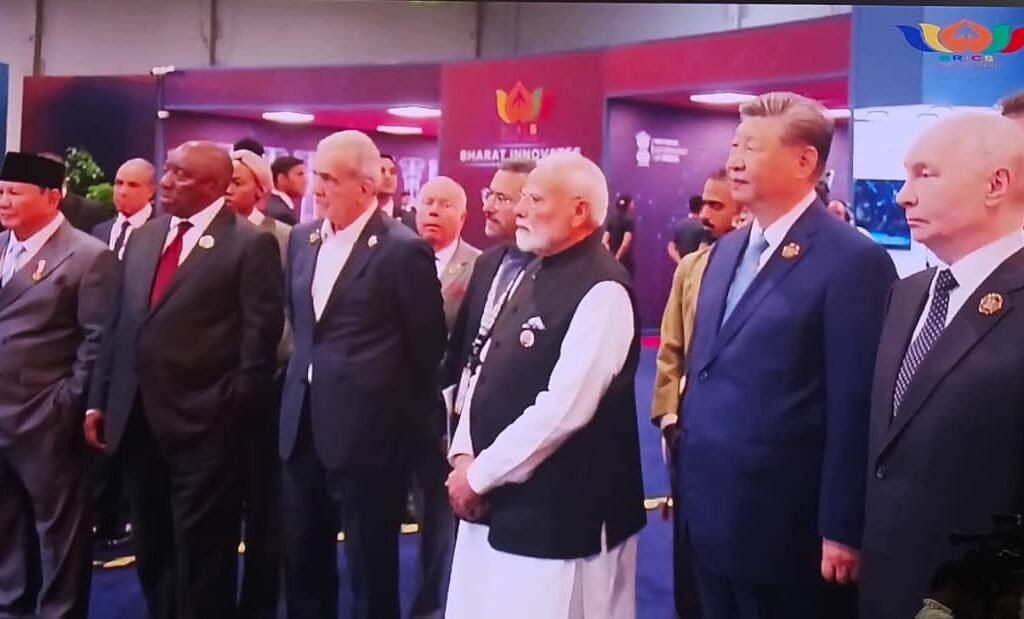
The commitments are expected to remain an important area of cooperation when China takes over the BRICS presidency in 2027.
BRICS Raises Concern Over Middle East Tensions
The summit declaration also expressed deep concern over escalating tensions in the Middle East and West Asia.
BRICS leaders, while reaffirming their respective national positions, called for maximum restraint and urged all parties to avoid actions that could further worsen the situation.
They stressed the need to protect civilians and civilian infrastructure in accordance with the purposes and principles of the United Nations Charter, including respect for the sovereignty and territorial integrity of states.
The leaders also encouraged greater reliance on dialogue and diplomacy as a pathway towards lasting peace, security and stability in the region.
The declaration further highlighted the importance of maintaining the smooth flow of global trade, supply chains and energy in line with international law.
BRICS leaders expressed serious concern over deliberate attacks against civilian infrastructure and peaceful nuclear facilities operating under International Atomic Energy Agency (IAEA) safeguards.
They said such attacks violate international law and relevant IAEA resolutions, stressing that nuclear safeguards, safety and security must be maintained at all times, including during armed conflicts.
According to the leaders, protecting nuclear facilities is essential to preventing harm to people and the environment.