
By Gabriel Ameh. Media360Impact
The Nigeria Immigration Service (NIS) has pursued reforms which aimed at improving passport services, strengthening border security and modernising immigration operations through technology, personnel training and international partnerships.
The developments has affect Nigerians applying for passports, citizens living abroad, international travellers and businesses that depend on efficient immigration services.
Here are five key areas to watch.
- PASSPORT REFORMS TARGET BETTER SERVICE DELIVERY
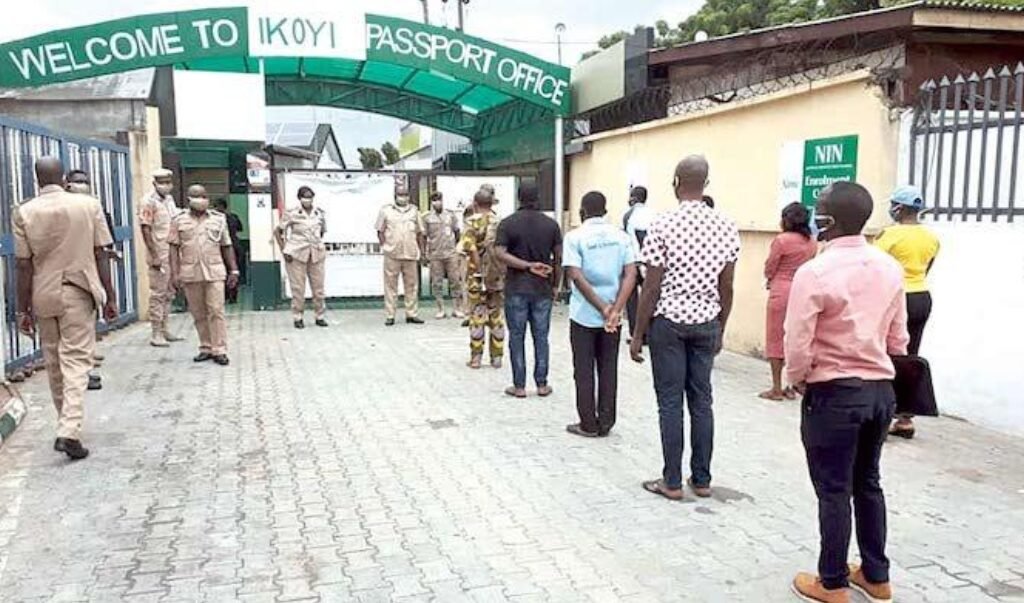
The NIS has introduced an enhanced e-passport system featuring improved security technology, online payments and an Electronic Document Management System designed to support application tracking and communication.
Eligible applicants can also access a passport booklet with 10-year validity, subject to the available options and applicable requirements.
The reforms aim to strengthen document security, improve transparency and reduce dependence on middlemen. However, their success will depend on whether applicants experience more reliable processing and timely delivery.
- CENTRALISING PASSPORT PRODUCTION
In August 2026, the NIS clarified that passport production was being moved in phases to its Central Personalisation Centre at the Service Headquarters in Abuja.
The Service said the reform was intended to improve security, consistency and accountability. It also clarified that passport applications would continue to be processed through designated offices in Nigeria and approved diplomatic missions abroad.

The key test is whether centralisation improves delivery times without creating new delays.
- DIASPORA SERVICES AND CONTACTLESS APPLICATIONS
The NIS has reported passport intervention exercises for Nigerians in countries including the United Kingdom, Canada, the United States and Qatar.
It has also promoted contactless passport applications for eligible Nigerians abroad, potentially reducing the need for some applicants to travel to enrolment centres.
However, the Service acknowledged technical challenges with its contactless system in September 2025. Reliable payment processing, clear eligibility rules and effective customer support remain important to its success.
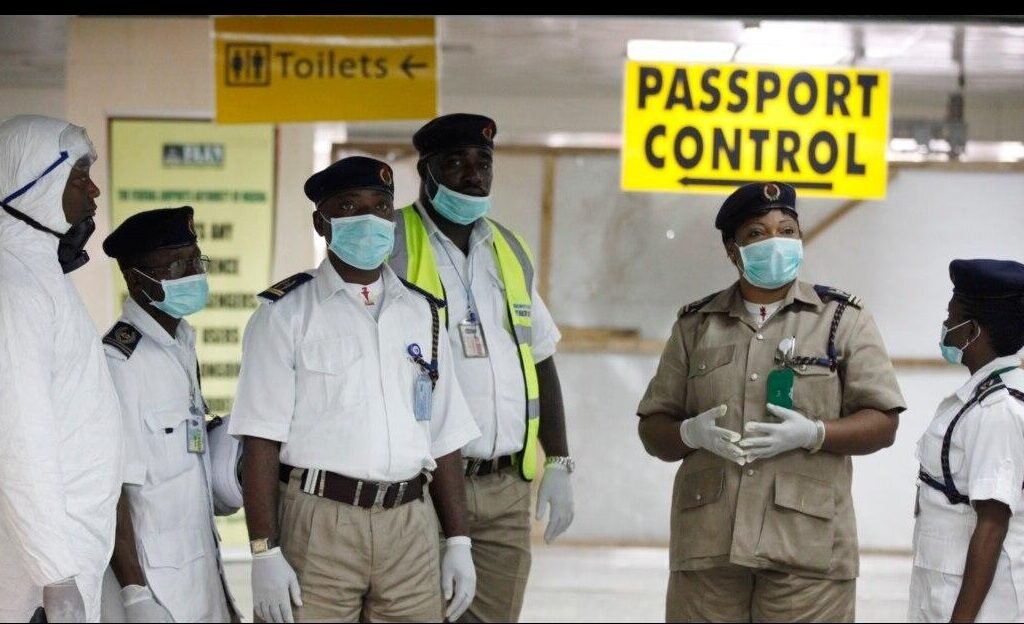
- AIRPORT OPERATIONS AND STAFF TRAINING

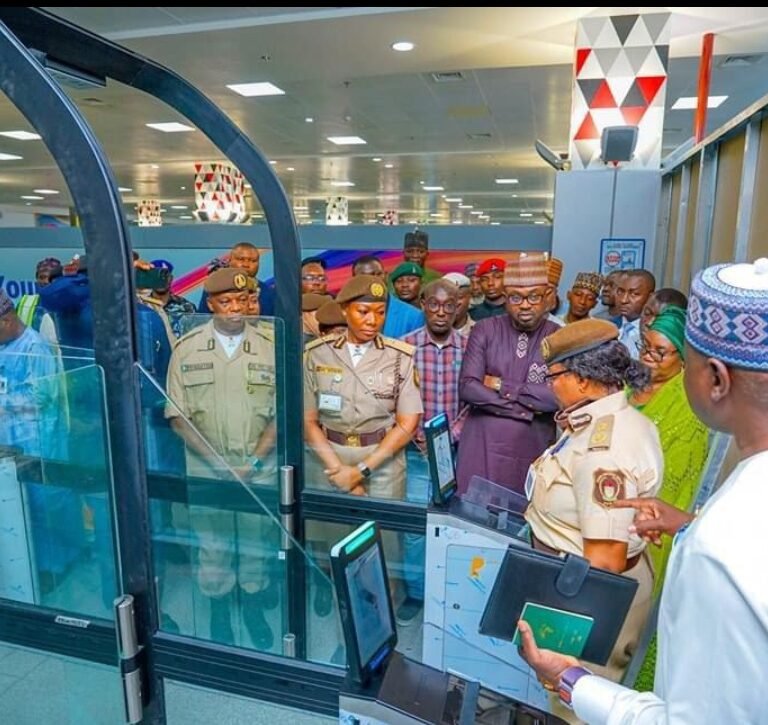
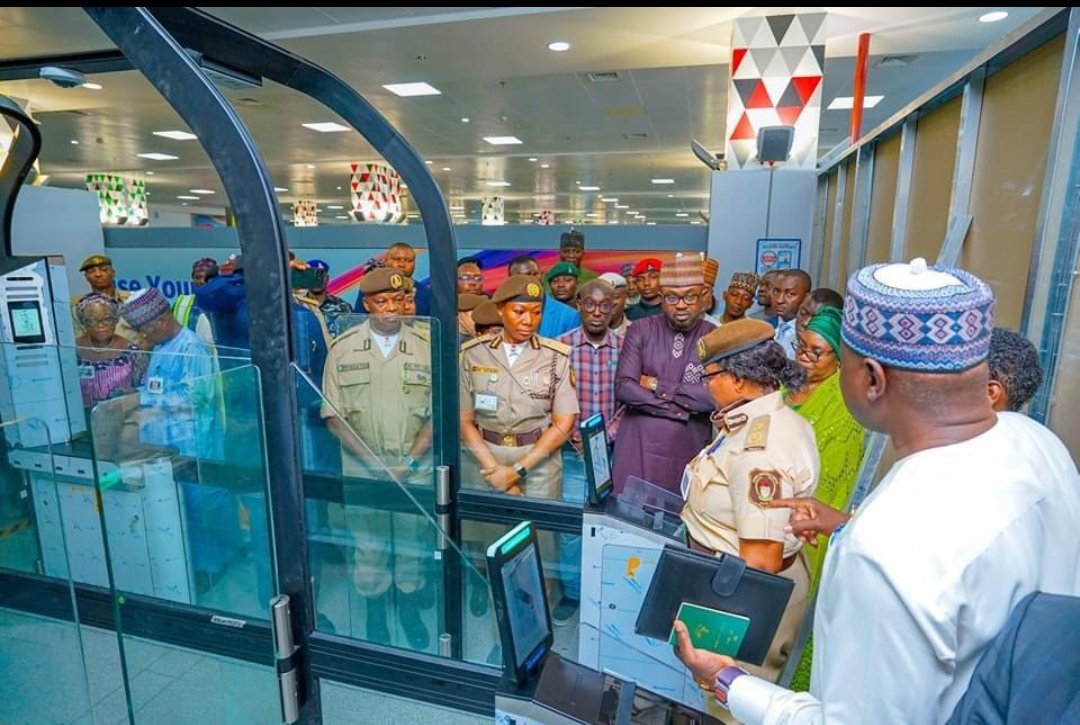
In August 2026, the NIS announced the completion of a two-week capacity-building programme for personnel of the Nnamdi Azikiwe International Airport Command in Abuja.
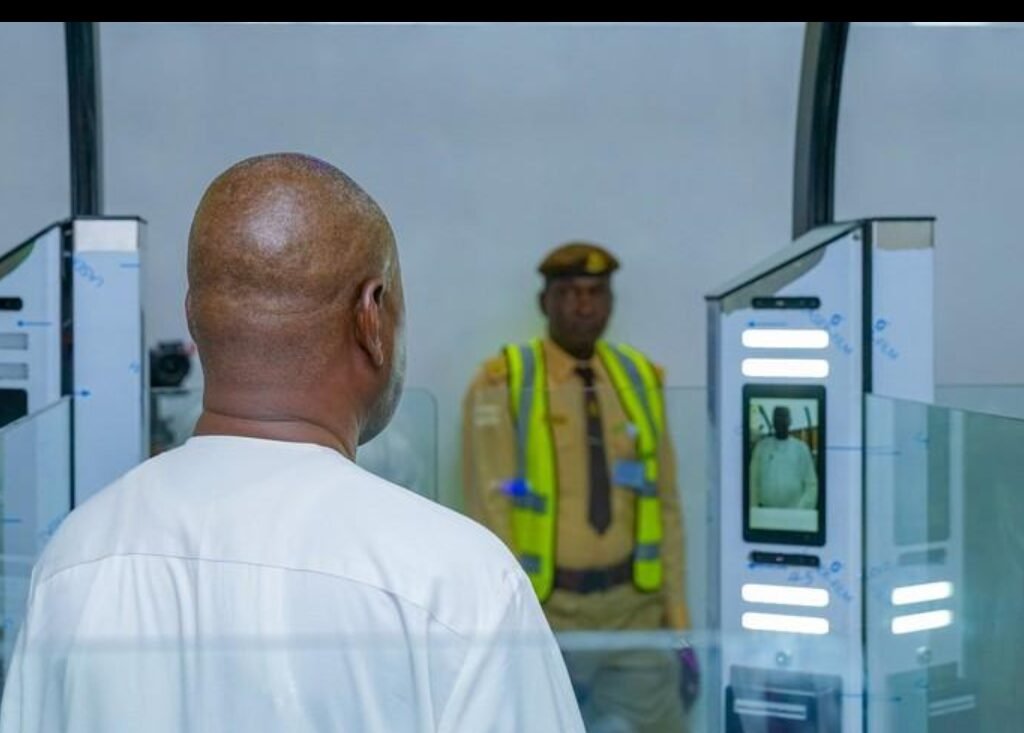
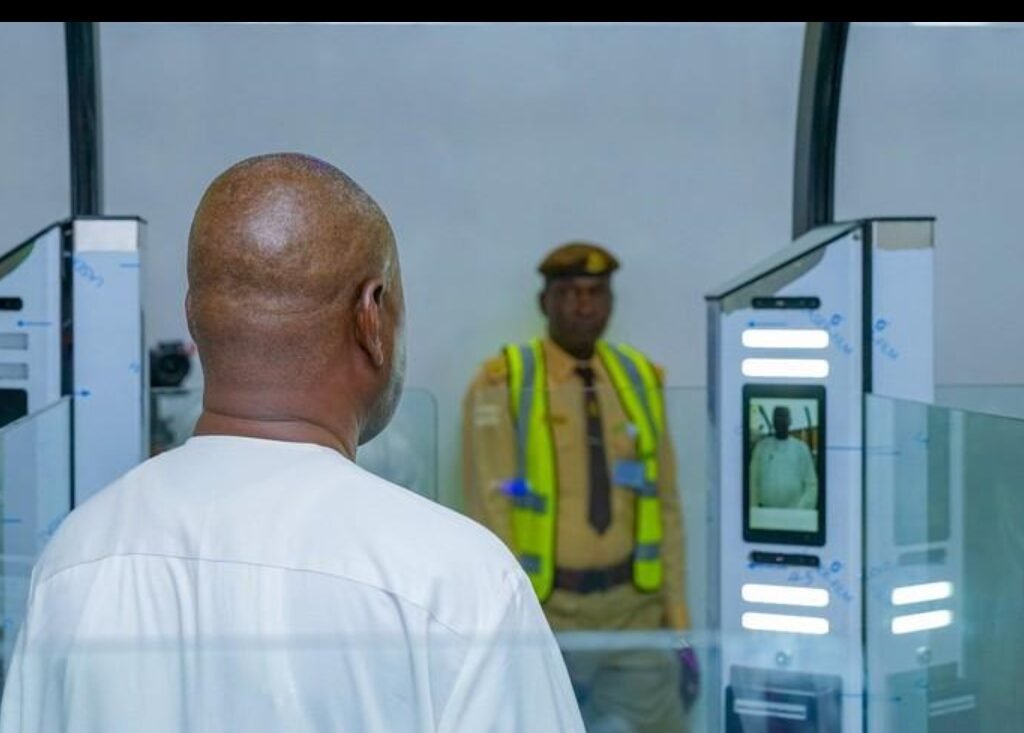
The training covered passenger profiling, visa and entry verification, queue management, electronic gates, passenger clearance, professional conduct and anti-corruption practices.
The Service said the programme was part of efforts to improve operational efficiency and passenger experience.
Its impact will need to be measured through practical outcomes, including passenger-processing times, complaint resolution and professional conduct.
- SMART BORDERS AND INTERNATIONAL COOPERATION
In October 2026, the NIS reported that it had worked with the International Organization for Migration (IOM), with European Union support, to review Nigeria’s 2019–2023 National Border Management Strategy.
The review is intended to inform a new policy framework for 2027–2031, with emphasis on credible migration data, effective implementation and cooperation among relevant agencies.
Separately, on 4 October 2026, the Service announced that 77 officers had graduated from its 14th Command Course in Sokoto. The course focused on using technology to improve migration control and border management.
These initiatives has strengthen institutional capacity, but their impact will depend on implementation, funding and measurable results.
WHAT SHOULD NIGERIANS EXPECT?
The reforms point towards a more technology-driven immigration system. However, announcements alone cannot establish whether services have improved across the country.
Important indicators include passport processing times, appointment availability, complaint resolution, the reliability of online applications and the effectiveness of border operations.
The NIS could strengthen public confidence by regularly publishing these figures and reporting progress against its service targets.
CONCLUSION
From enhanced passports and diaspora services to airport training and smart-border planning, the Nigeria Immigration Service has announced initiatives aimed at modernising its operations.
The real measure of success will be whether Nigerians receive passports more reliably, travellers experience efficient procedures, personal information remains protected and border management becomes more effective.
For citizens, the priority is clear: reforms must translate into practical improvements in service delivery and public accountability.
Media360Impact will continue to follow developments affecting ordinary Nigerians.