
By Dr. Emman Shehu
Nuhu Ribadu’s recent political challenges have triggered fresh conversations about power, loyalty, and influence within President Bola Tinubu’s administration and the ruling APC.
The appointment of retired Major General Adeyinka Famadewa into the nation’s security structure has been widely interpreted in political circles as a signal of shifting influence around the presidency. While no official statement suggests Ribadu has been sidelined, analysts argue that the move reflects the fluid nature of political power within the APC.
For much of Tinubu’s presidency, Ribadu, the former Chairman of the Economic and Financial Crimes Commission (EFCC) and current National Security Adviser (NSA), was seen as one of the administration’s most influential figures. His close access to the president and visible role in national security matters reinforced perceptions of his growing political weight.
However, observers note that Nigerian politics remains highly unpredictable, where influence can quickly change depending on alliances, perception, and internal party dynamics.
Political commentators have also linked Ribadu’s recent challenges to his long-standing political differences with former Kaduna State Governor Nasir El-Rufai. Though both figures remain influential in Northern politics, analysts believe the issue extends beyond personal rivalry and reflects broader calculations within the APC power structure.
Ribadu also faced criticism following his controversial “they are our brothers” remark while speaking about banditry in the Northwest, a statement opponents argue weakened public confidence in his handling of security issues.
The office of the National Security Adviser has historically been viewed as one of the most sensitive and politically demanding positions in government. Several occupants of the office have experienced rapid rises in influence followed by equally swift political setbacks.
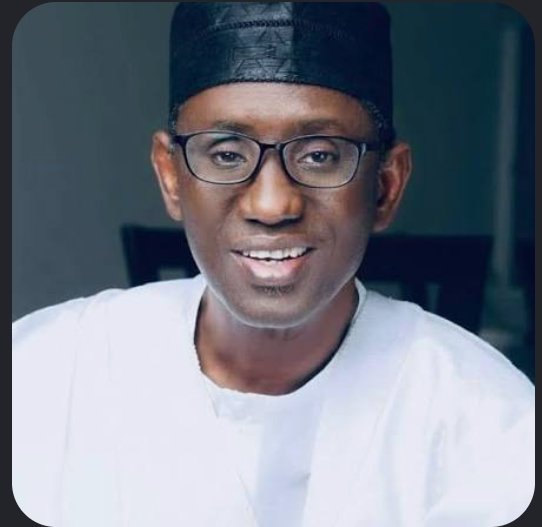
Analysts say Ribadu’s situation serves as another reminder of the realities of power within Nigerian politics, where loyalty and proximity to leadership do not always guarantee long-term relevance.
As political calculations ahead of 2027 continue to evolve, developments surrounding Ribadu may further shape conversations about influence, alliances, and the future direction of the APC under President Tinubu.