
By Center for Contemporary China-Africa Research in Nigeria
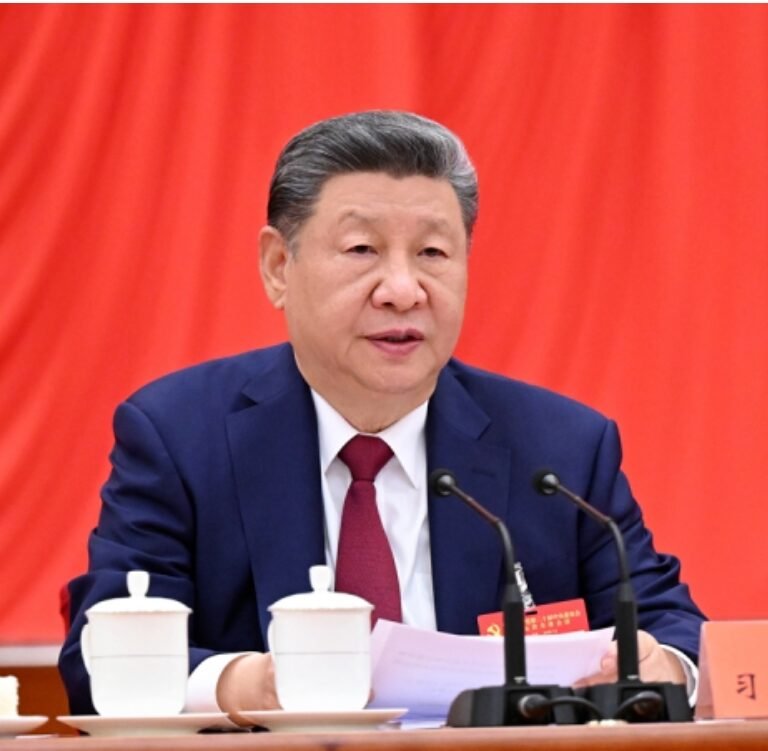
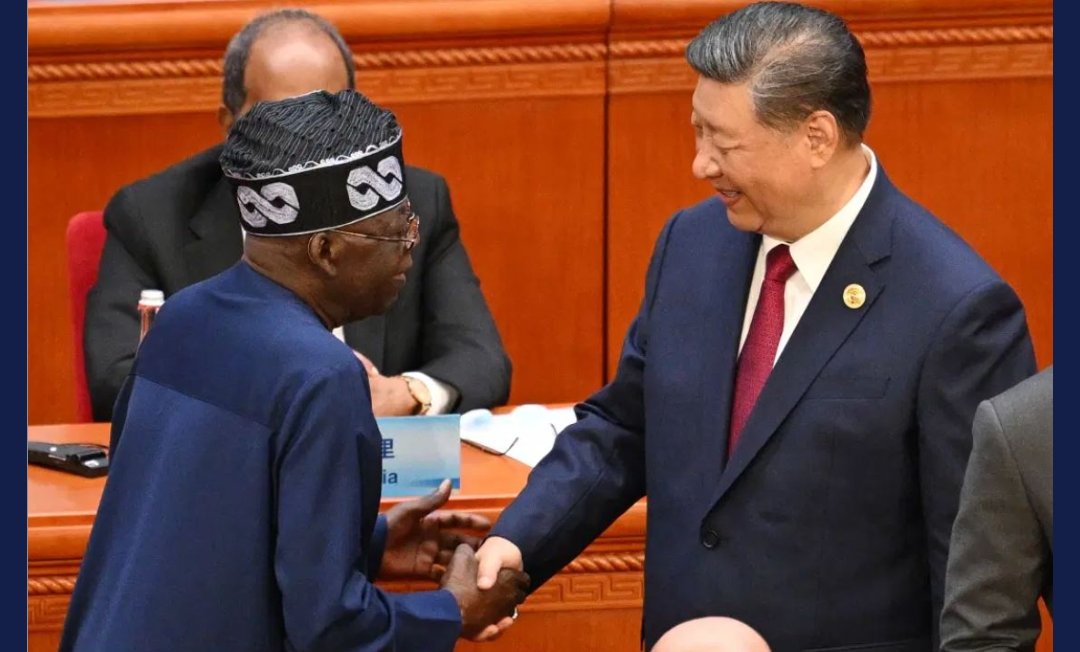
China’s growing relationship with Nigeria reflects a diplomatic strategy that goes beyond conventional political engagement, combining economic investments, infrastructure development and international cooperation to strengthen Beijing’s influence across Africa.
Under President Xi Jinping, China has increasingly used economic partnerships as an important instrument of diplomacy, supporting the development of transportation, energy, telecommunications and industrial infrastructure across Africa and other parts of the world.
Through these investments, Beijing has strengthened economic relationships with partner countries while creating opportunities for deeper political engagement and long-term strategic cooperation.
In Nigeria, Chinese-backed infrastructure projects, particularly in rail transportation, energy, telecommunications and industrial development, have contributed to improving connectivity and supporting economic activities.
These partnerships also demonstrate how economic cooperation can translate into diplomatic influence, as countries develop stronger relationships through trade, investment, technology transfer and infrastructure financing.
Another defining feature of Xi Jinping’s diplomatic approach is the promotion of the concept of a “Community with a Shared Future for Mankind.”
The initiative emphasises collective responsibility and international cooperation in addressing global challenges, including poverty, climate change, terrorism, public health emergencies and other threats to global stability.
Through this vision, China presents itself as a partner committed to inclusive development, international peace and shared prosperity.
The message has particularly resonated with developing countries seeking alternative development partnerships and greater representation in global decision-making.
China’s diplomatic philosophy also places emphasis on sovereign equality, non-interference in the internal affairs of other countries, mutual respect and cooperation based on shared interests.
These principles have helped shape its engagement with Nigeria and other African countries, where infrastructure development, trade, investment and technology partnerships remain important areas of bilateral cooperation.
Beyond bilateral relations, Xi Jinping’s diplomatic influence is also reflected in China’s growing participation in multilateral institutions and discussions on global governance reforms.
China has strengthened its presence in organisations and platforms such as the United Nations, BRICS, the Shanghai Cooperation Organisation and the G20.
Through these platforms, Beijing has advocated reforms to international institutions, arguing that developing countries should have greater representation and influence in decisions affecting the global economy and international relations.
This multilateral engagement has provided China with additional opportunities to strengthen its international standing, build diplomatic alliances and expand its relationships with countries across different regions.
For Nigeria, the growing relationship with China presents opportunities for infrastructure development, trade expansion, technology transfer and economic cooperation.
However, the long-term value of these partnerships will depend on transparency, sustainable financing, local economic benefits and the extent to which such investments support Nigeria’s development priorities.
Ultimately, Xi Jinping’s diplomatic style demonstrates how economic engagement, ideological messaging and multilateral cooperation can work together to advance a country’s international influence.
As Nigeria continues to strengthen its global partnerships, understanding China’s diplomatic strategy remains important in assessing the opportunities and implications of its growing presence in Africa.