
0-0x0-0-0-{}-0-0#
By Gabriel Ameh
The IdeaPlus Foundation has called for a more balanced approach to tax administration in Nigeria, one that strengthens domestic revenue mobilisation without weakening the sustainability of civil society organisations.
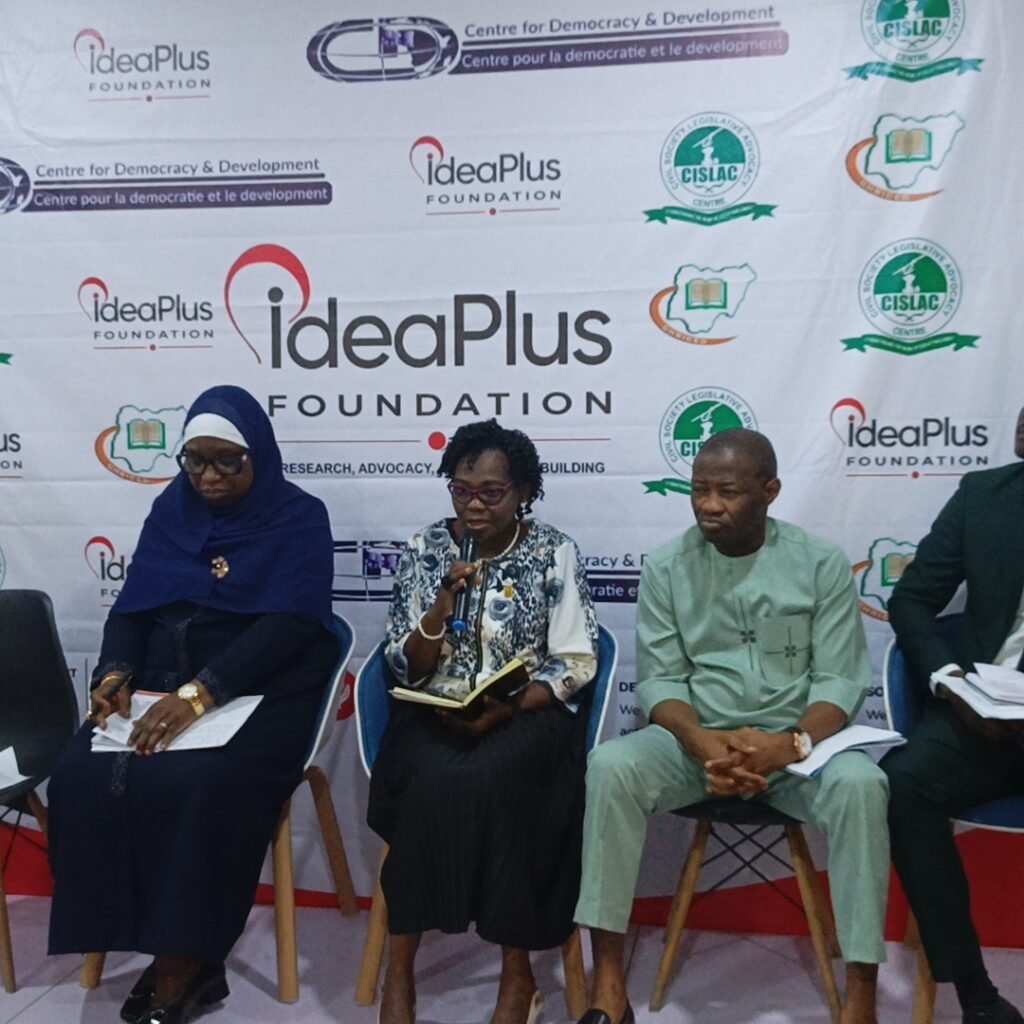
This was the central message at the National Policy Dialogue on Nonprofit Taxation in Nigeria, where the Foundation also launched its inaugural research report, Compliance or Constriction? Assessing the Nigeria Revenue Service Tax Drive and Its Impact on the Sustainability of Nigerian Civil Society.
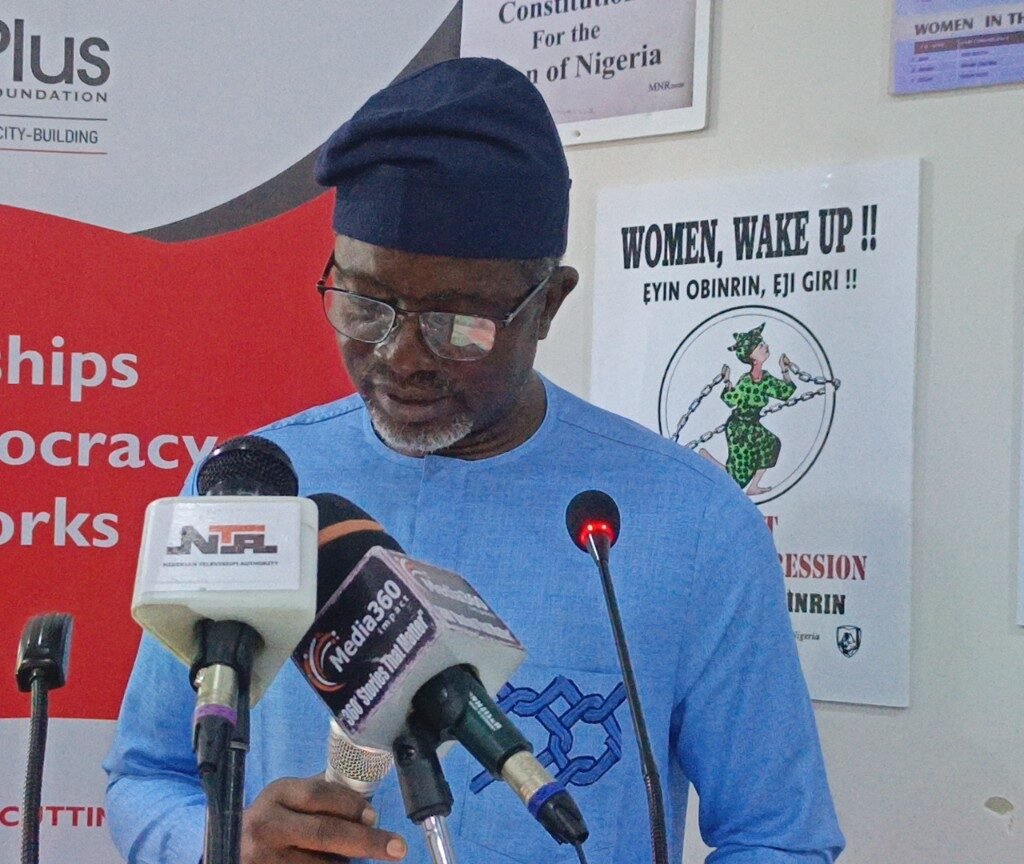
In his welcome remarks, Mr. Olalekan Saidi, Director Program Lead, IdeaPlus Foundation, said the dialogue was convened to create a space for evidence-based engagement on the future of nonprofit taxation in the country.
He noted that Nigeria needs both a modern, efficient and trusted tax system, and strong, accountable public-benefit organisations that continue to deliver value in education, health, humanitarian response, governance, community development and other sectors.
Saidi said the diversity of participants at the event reflected the importance of collaboration in addressing complex public policy issues. He welcomed representatives of the Nigeria Revenue Service, development partners, leaders of professional bodies, civil society actors and the media, describing their presence as a sign of shared commitment to constructive dialogue.
According to him, research remains central to improving public policy and strengthening institutions. He explained that IdeaPlus Foundation’s work is guided by the belief that open governance, accountable use of public resources and informed citizen engagement are essential to national development.
He added that the report was designed to contribute to the national conversation on how effective tax administration, regulatory clarity, voluntary compliance and institutional engagement can support both public revenue and public benefit.
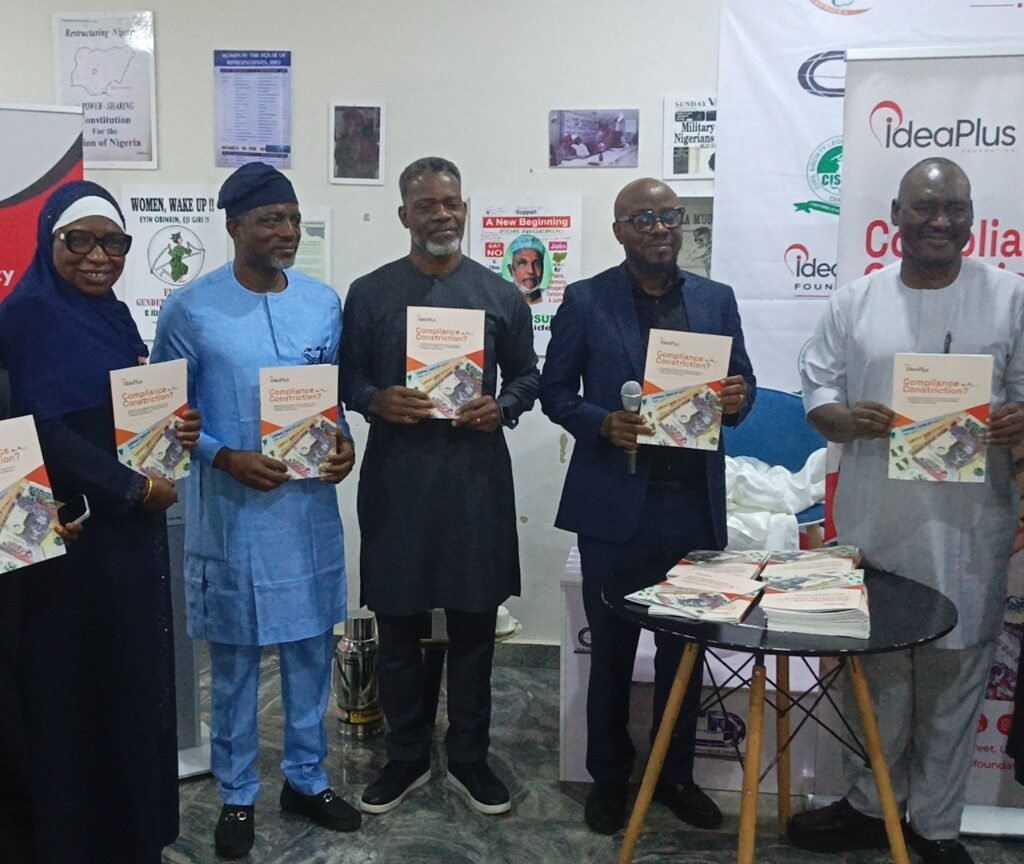
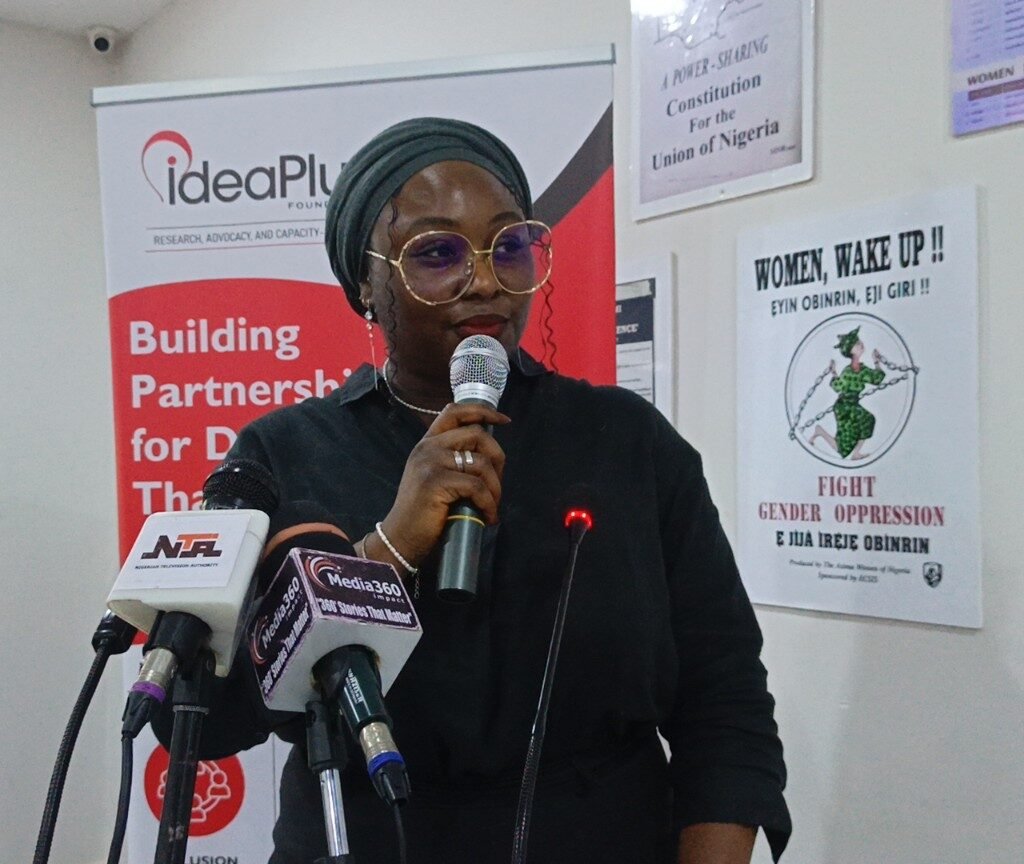
Delivering the presentation of the report, Mr. Dayo Olaide, Co-founder of IdeaPlus Foundation, said the study was prompted by concerns from several nonprofit organisations that had received tax demands and penalty notices from the Nigeria Revenue Service.
He said the foundation observed repeated cases in which civil society groups were confronted with large tax liabilities, including one demand of N157 million, another of more than N100 million, and a third of N37 million. According to him, the experiences raised questions about whether the issue was isolated or reflected a broader, ecosystem-wide pattern.
Olaide said the study used a simple Google survey developed with support from the Civil Society Legislative Advocacy Centre (CISLAC). The survey was circulated through NGO WhatsApp groups and other network platforms over a four-month period, from October 2025 to January 2026, targeting organisations working in governance, accountability, human rights, justice, women’s rights, youth development, health, environment, climate, media, education and peacebuilding.
He said the survey reached more than 400 NGOs, with 53 responses analysed from organisations in Abuja, Lagos, Kano, Port Harcourt, Uyo, Benue and Abia.
Findings from the report showed that withholding tax and VAT were the most common tax demands faced by respondents. It also found that larger organisations, particularly those working in governance, accountability, media and rights-based advocacy, especially in Abuja and Lagos, were more likely to receive complex combinations of tax demands, including withholding tax, VAT, stamp duties and back assessments.
The report further suggested that organisation size may influence exposure to tax audits and demands. Among organisations approached by the Nigeria Revenue Service, large and very large organisations accounted for more than 60 per cent of respondents.
Olaide said the study also found that 80 per cent of respondents in Lagos had been approached, while nearly 70 per cent of respondents in Abuja reported receiving a tax demand.
He added that many organisations said tax issues had affected their financial reporting to donor partners, while others described unclear and inconsistently enforced rules governing VAT, withholding tax and stamp duties for donor-funded humanitarian and public-interest activities.
According to the report, several respondents also reported multi-year back assessments, creating uncertainty and strain for nonprofit organisations already operating under limited resources.
The policy brief accompanying the report said Nigeria’s ongoing tax reforms are aimed at strengthening domestic revenue mobilisation, improving tax administration and broadening the tax base. It noted, however, that civil society organisations remain important partners in national development and require a predictable regulatory environment that supports accountability, clarity and sustainability.
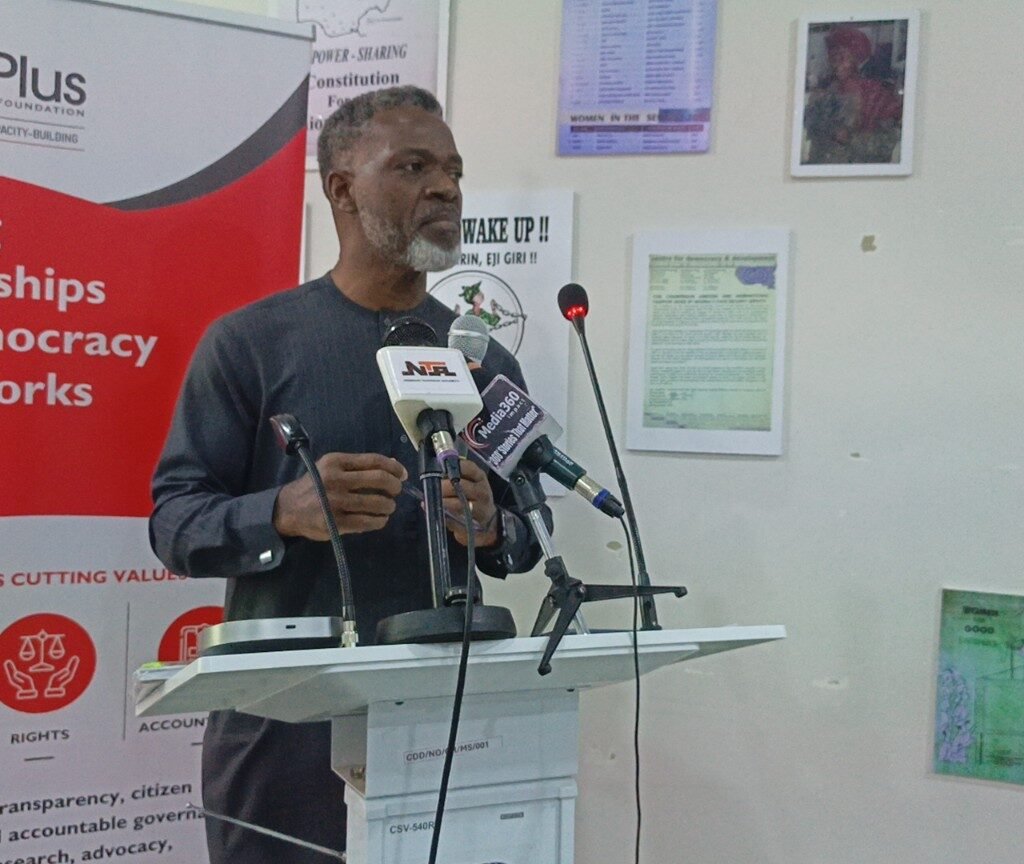
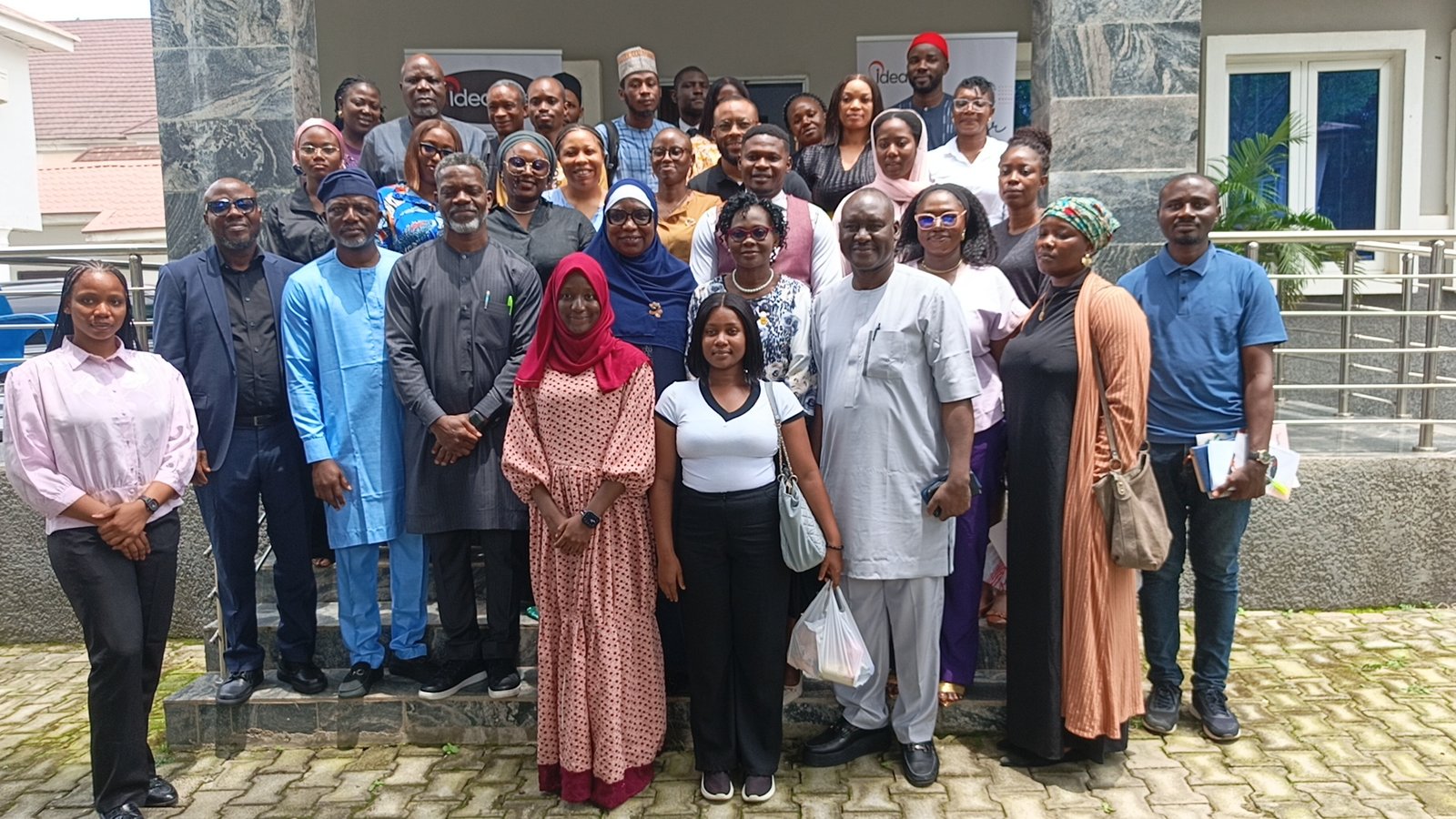
The dialogue brought together senior representatives from the Nigeria Revenue Service, professional bodies, civil society organisations, foundations, development partners, legal practitioners, policy analysts, academic institutions and the media.
The event featured a panel discussion on nonprofit taxation and its intersection with participation, inclusion and democracy, with contributions from civil society representatives, tax authorities, donor partners, professional bodies and NGOs.
IdeaPlus Foundation said the dialogue was expected to deepen understanding of emerging issues in nonprofit taxation, encourage constructive engagement among stakeholders, promote taxpayer education and voluntary compliance, and strengthen institutional collaboration around tax policy and civil society sustainability.