0-0x0-0-0-{}-0-0#
By Gabriel Ameh
ABUJA – Stakeholders drawn from government institutions, civil society organizations, security agencies, youth groups and development partners have called for urgent and coordinated action to address unemployment, violent extremism, terrorism, cybercrime, illegal mining, oil theft and human rights violations threatening Nigeria’s stability and development.
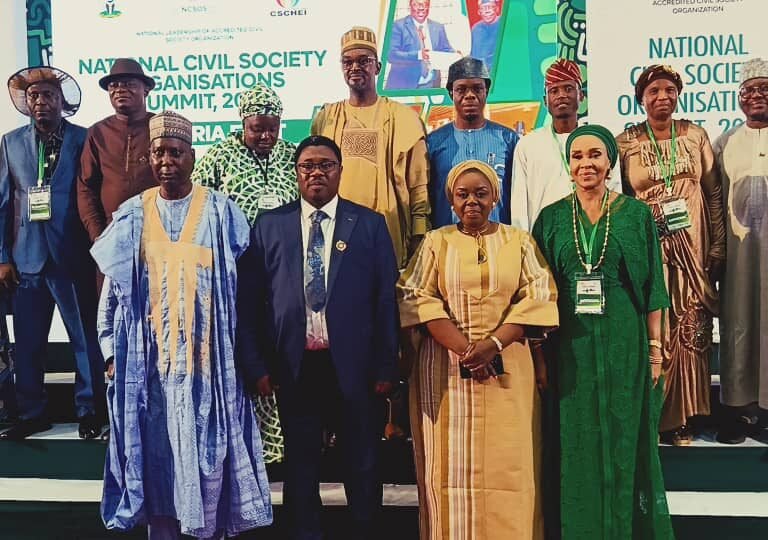
The call was made during the National Stakeholders, Civil Society and Youth Summit Against Unemployment, Deforestation, Terrorism, Oil Theft, Electricity Theft, Telecom Theft, Illegal Mining, Cybercrime, Kidnapping, Piracy, Smuggling, Violence Against Women, Violent Extremism and Human Rights Violations in Nigeria, organized by the National Council for Civil Society Organizations (NACCSO) in partnership with Vision-One Leadership Development Initiative (VOLDI).
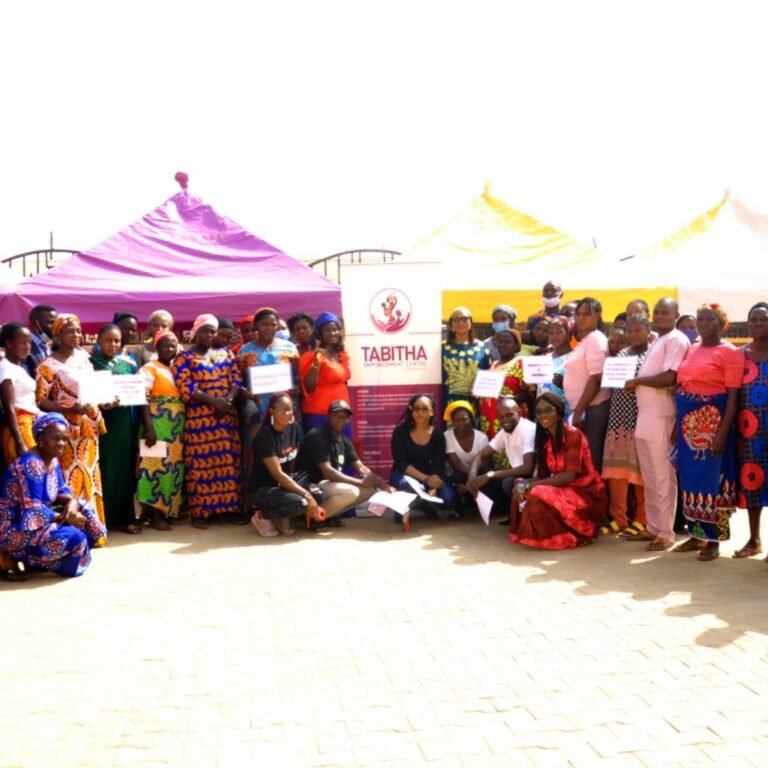
The summit brought together key government agencies, security institutions, human rights advocates, youth leaders and development practitioners to discuss sustainable solutions to Nigeria’s growing security, economic and social challenges.
Human Rights Commission Calls for Addressing Root Causes of Extremism
Chairman of the occasion and Executive Secretary of the National Human Rights Commission (NHRC), Dr. Tony Ojukwu, represented by Rabbi Auwalu Anwar, said Nigeria continues to grapple with the devastating effects of violent extremism, banditry, insecurity and widespread human rights violations.
He noted that thousands of lives have been lost while millions have been displaced as a result of violent conflicts across different parts of the country.
According to him, women and girls remain among the worst affected, facing abductions, sexual and gender-based violence, forced marriages, trafficking and other forms of exploitation, while children continue to suffer disruptions to education and exposure to violence.
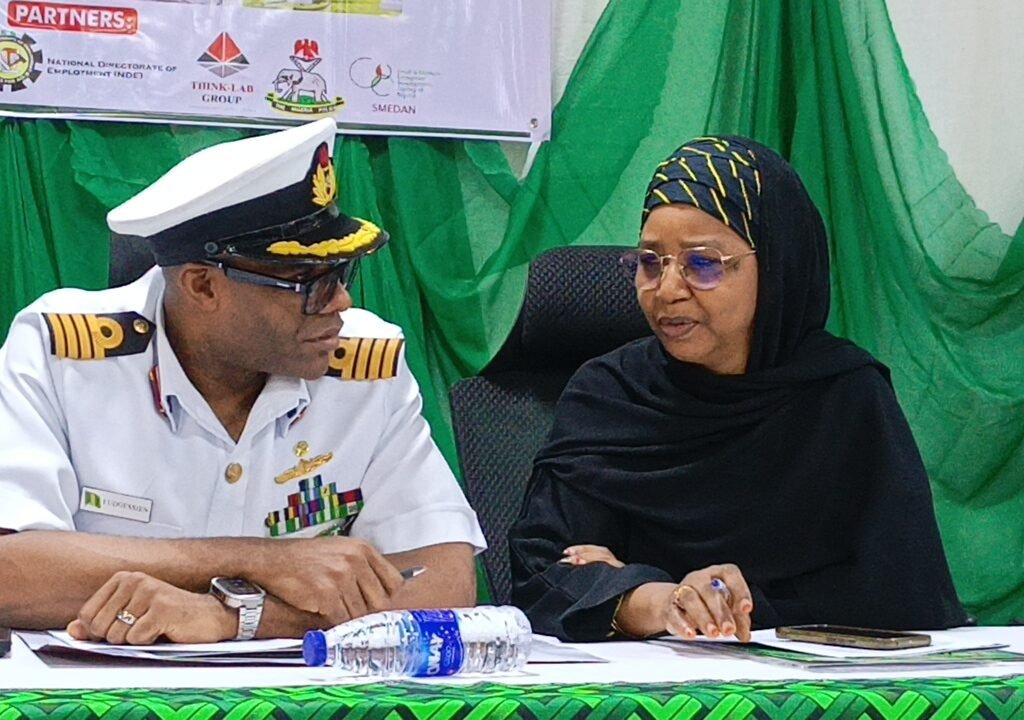
“The National Human Rights Commission remains steadfast in its commitment to promoting and protecting the rights of all persons, particularly those affected by conflict and insecurity,” he said.
He stressed that while security operations remain necessary, lasting peace can only be achieved through addressing poverty, unemployment, inequality, social exclusion, weak institutions and limited opportunities for young people.
The NHRC boss urged stakeholders to invest in education, leadership development and youth empowerment as tools for building resilient communities capable of resisting extremist ideologies.
SMEDAN Highlights Importance of Small Businesses
The Director-General and Chief Executive Officer of the Small and Medium Enterprises Development Agency of Nigeria (SMEDAN), Charles Odii, in his keynote lecture, emphasized the critical role of Micro, Small and Medium Enterprises (MSMEs) in driving economic growth and reducing unemployment.
Odii disclosed that Nigeria’s MSME sector suffered significant setbacks following the COVID-19 pandemic, with millions of businesses shutting down due to economic challenges.
He explained that the agency is undertaking another nationwide enumeration exercise to determine the current number of small businesses operating across the country.
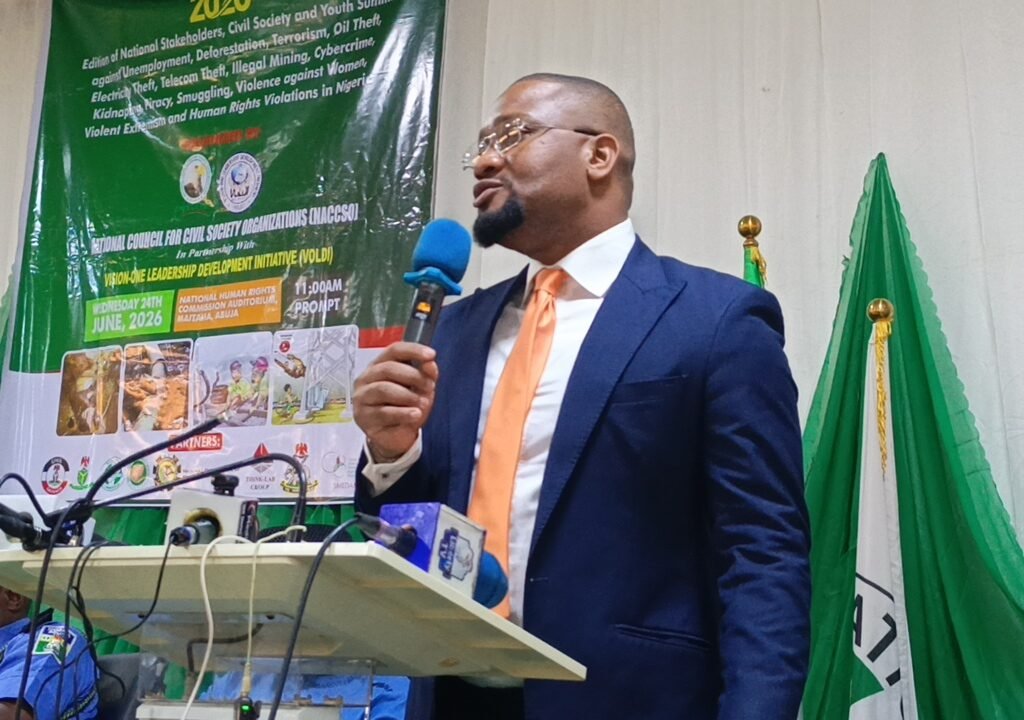
According to him, strengthening entrepreneurship and supporting small businesses remain essential strategies for reducing unemployment and creating sustainable livelihoods for millions of Nigerians.
He urged young people to embrace entrepreneurship, innovation and skills acquisition as pathways to economic independence and national development.
Convener Blames Negative Mindset for National Challenges
Earlier, Convener of the summit, Comrade Emmanuel Johnny, challenged Nigerians to look inward and take responsibility for the country’s challenges rather than placing all the blame on government.
He argued that many of the security and socio-economic problems confronting the nation are consequences of poor attitudes, greed and deliberate disregard for what is morally and constitutionally right.
“We know what is right but refuse to do it. We know the laws to enforce but refuse to act. We know those who violate the law but fail to hold them accountable,” he said.
Johnny lamented the increasing involvement of some youths in terrorism, cybercrime, illegal mining and other criminal activities instead of channeling their energies into innovation, entrepreneurship and productive ventures.
He stressed the need for behavioural change, patriotism and skills acquisition, urging young Nigerians to embrace education and vocational training as tools for personal and national transformation.
According to him, insecurity cannot be defeated without addressing the growing involvement of youths in cybercrime and other forms of criminality.
Defence Headquarters Reaffirms Commitment to National Security
Representing the Chief of Defence Staff, General Christopher Musa, Rear Admiral Olusanya Bankole (Rtd.) reaffirmed the commitment of the Armed Forces to protecting Nigeria’s territorial integrity and combating terrorism, banditry, kidnapping and other security threats.
He emphasized the importance of collaboration between security agencies, civil society organizations, communities and government institutions in addressing insecurity and violent extremism.
The retired naval officer noted that military operations alone cannot solve the country’s security challenges without addressing underlying socio-economic factors such as unemployment, poverty and youth disenfranchisement.
Correctional Service Advocates Rehabilitation and Reintegration
In his goodwill message, Controller Christopher Peter, representing the Controller-General of the Nigerian Correctional Service, said unemployment, terrorism, oil theft, illegal mining, cybercrime and violent extremism are interconnected national challenges requiring collective action.
Drawing from his experience overseeing correctional formations within the Federal Capital Territory Command, he said the correctional system witnesses firsthand the devastating impact of criminality on individuals, families and communities.

He however emphasized the importance of rehabilitation and reintegration programmes in transforming offenders into productive citizens.
Peter noted that many young Nigerians become vulnerable to recruitment by criminal networks due to unemployment, inadequate skills and limited economic opportunities.
He warned that crimes such as oil theft, illegal mining and cybercrime continue to deprive Nigeria of critical revenue needed for development while damaging the country’s international reputation.
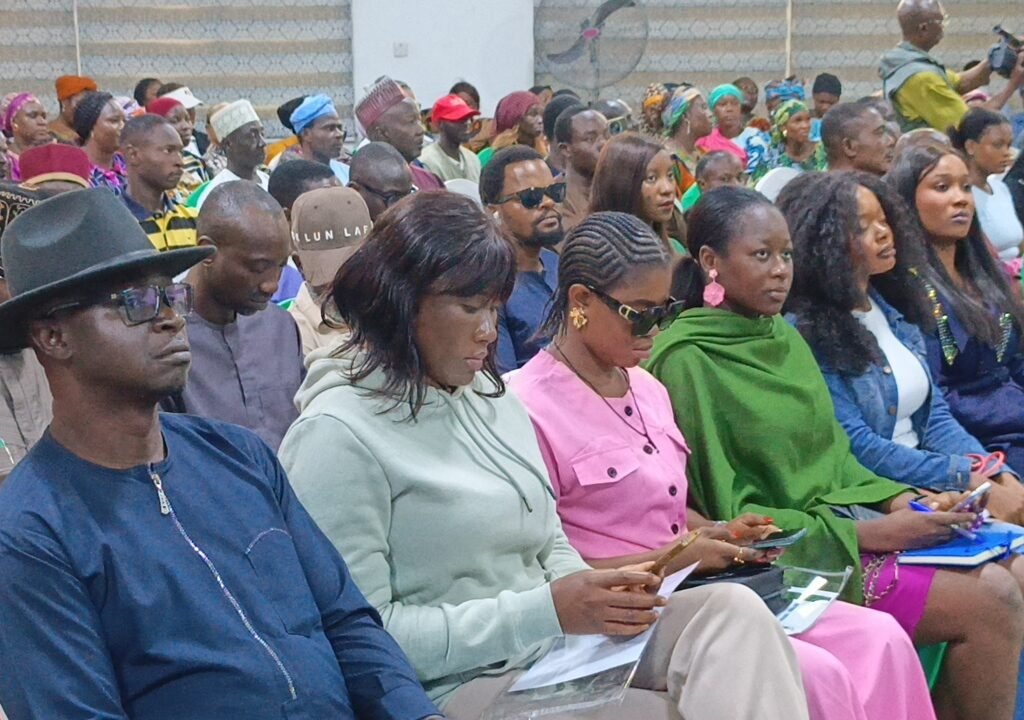
The summit concluded with a call for stronger partnerships among government agencies, civil society organizations, development partners, traditional institutions and young people to promote peace, security, human rights and sustainable development across Nigeria.