
By Gabriel Ameh
ABUJA, August 19, 2026 — The Federal Government has called for urgent and concrete measures to end xenophobic and Afrophobic attacks against Africans in South Africa, urging stronger migration governance, responsible political leadership and deeper continental solidarity.
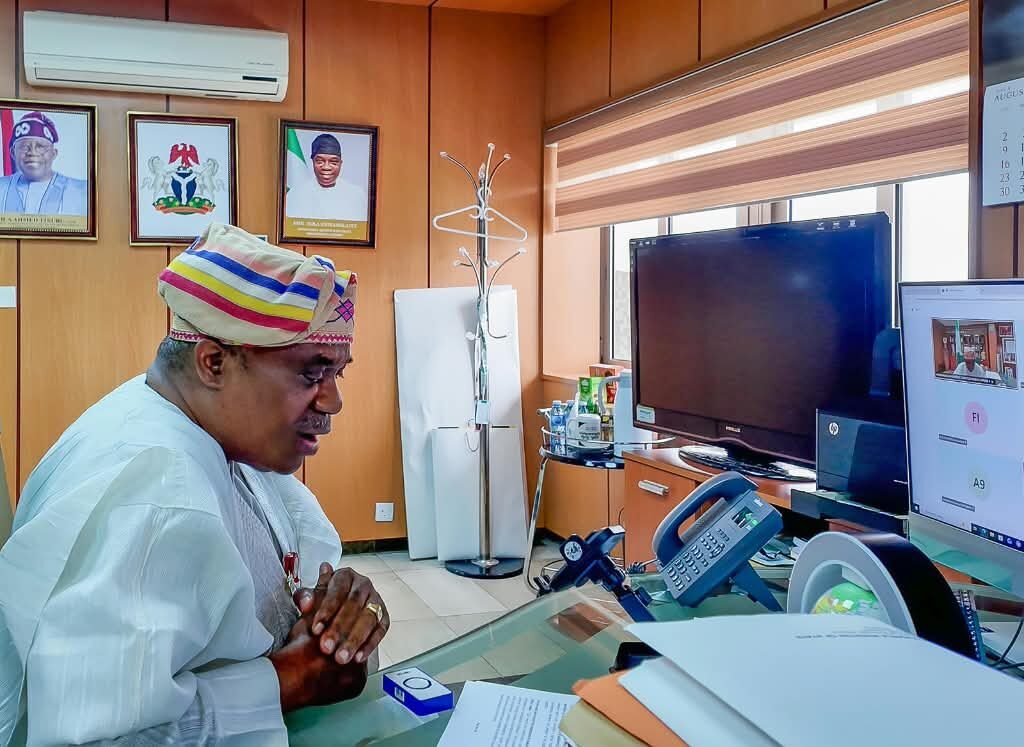
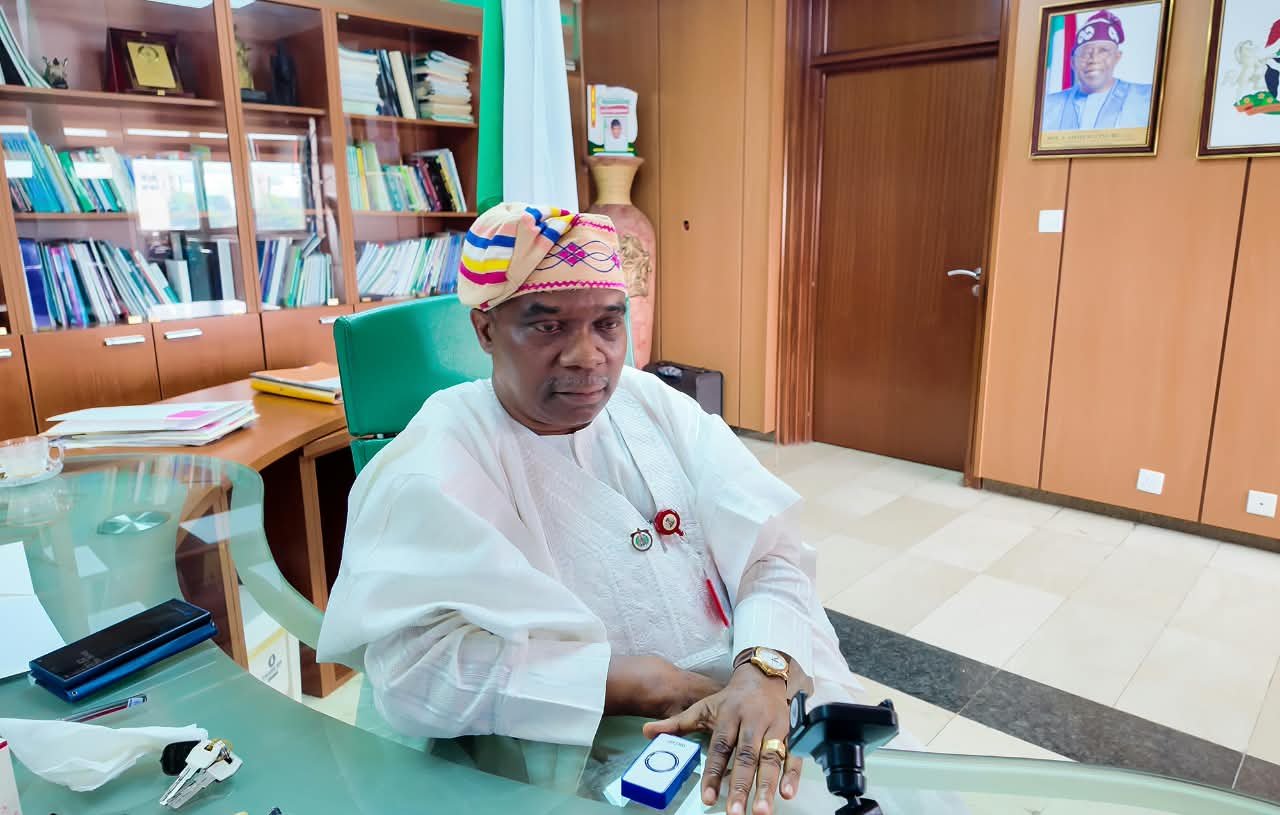
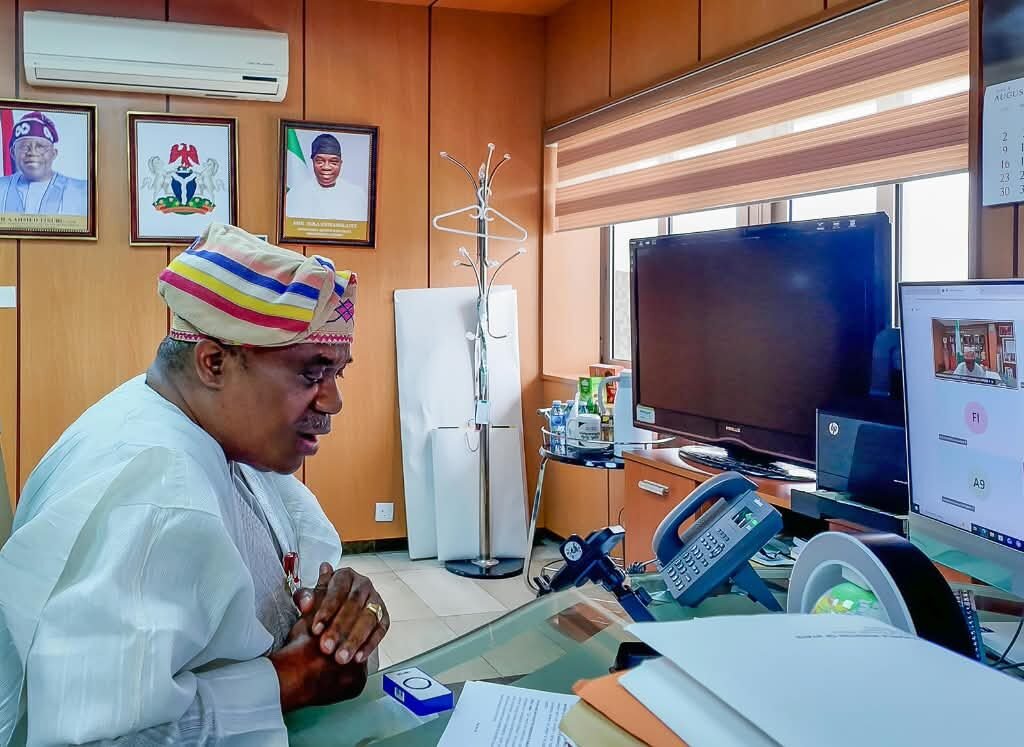
The Minister of State for Foreign Affairs, Ambassador Sola Enikanolaiye, made the call on Tuesday at a virtual roundtable on “South Africa’s Xenophobia in Comparative Perspective,” organised by the Nigerian Institute of International Affairs (NIIA).
Enikanolaiye said Nigeria believes the attacks must be confronted honestly and without either denial or exaggeration, arguing that the violence has a distinct African, post-colonial and post-apartheid dimension that makes “Afrophobia” a more appropriate description in some contexts.
The minister expressed concern over what he described as the contradiction of Africans from countries that supported South Africa’s liberation struggle being treated as unwanted outsiders in the post-apartheid era.
He disclosed that the Ministry of Foreign Affairs had directed the NIIA to undertake a comprehensive study documenting Nigeria’s contribution to the South African liberation struggle.
According to him, Nigeria’s support included substantial financial commitments estimated at more than $60 billion, the nationalisation of British Petroleum, scholarships and the hosting of South African leaders during the struggle against apartheid.
“The relationship between Nigeria and South Africa is not reducible to trade statistics or diplomatic communiqués. There is history in that relationship. There is blood, sacrifice and solidarity in that history.”
Nigeria Raises Concern Over Deaths
The minister said Nigeria was particularly concerned about the loss of lives linked to Afrophobic violence in South Africa.
He stated that about 90 Nigerians had been killed in Afrophobic violence since June 2022, with further attacks and displacement reported in 2026.
Enikanolaiye warned that continued attacks could damage South Africa’s international reputation, weaken investor confidence, undermine regional integration and erode the moral authority associated with the country’s liberation history.
He called on South African authorities to strengthen migration systems that are both transparent and humane, while ensuring that immigration enforcement remains the responsibility of the state.
The minister also warned against vigilantism and urged political leaders to avoid rhetoric that portrays migrants as “criminals” or “job thieves,” saying such narratives could create an environment conducive to violence.
Nigeria Calls for Stronger Early-Warning System
Nigeria also called for greater reliance on facts and credible data in public discussions about migration, rather than misinformation and unverified claims circulating on social media.
Enikanolaiye urged both countries to fully activate existing Nigeria-South Africa early-warning and rapid-response mechanisms to identify tensions and intervene before they escalate into violence.
He said tackling Afrophobia should not be left solely to governments, calling for businesses, universities, religious and traditional institutions, youth organisations, civil society groups and the media to play a greater role in rebuilding trust.
The minister said stronger people-to-people diplomacy was essential to promoting a shared African identity and strengthening relations between the two countries.
Nigeria, Ghana to Raise Issue at AU
Enikanolaiye further announced that Nigeria and Ghana would raise the issue of Afrophobic attacks at the next session of the African Union Assembly of Heads of State and Government.
While acknowledging South Africa’s willingness to discuss the “push and pull factors” behind migration, Nigeria maintains that priority must be given to addressing hate-driven violence against African nationals.
The minister argued that Africa’s response should go beyond tolerance towards a stronger sense of continental belonging, where Africans living in other African countries are treated with equal dignity.
He also reaffirmed President Bola Ahmed Tinubu’s commitment to protecting Nigerians abroad, citing the President’s intervention in the recent repatriation of Nigerians from South Africa.
Enikanolaiye commended Nigeria’s Heads of Mission in Pretoria and Johannesburg, as well as other stakeholders involved in ensuring the repatriation exercise was completed promptly.
He said the Federal Government would continue working with South Africa, the African Union, ECOWAS and other partners to ensure that the goal of African integration is matched by practical unity and protection for Africans across the continent.
This was contained in an E-Signed statement signed by Raphael Oni SA, Digital Media and Public Diplomacy Office of the Honourable Minister of State Ministry of Foreign Affairs