
By Uriel Ihotu
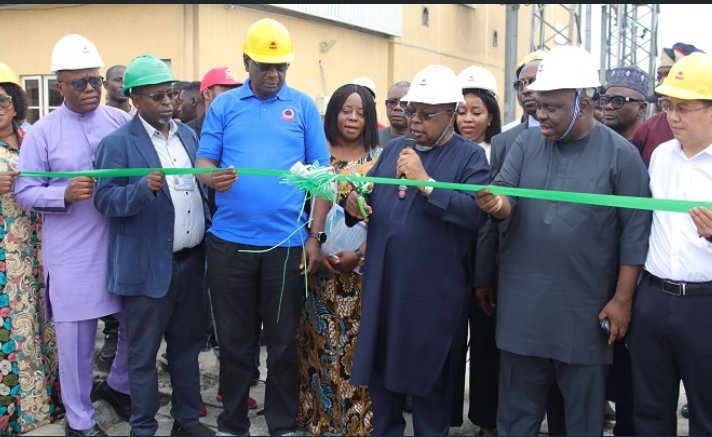
LAGOS, August 19, 2026 — The Federal Government has commissioned major transformer and substation projects across four transmission locations in Lagos State, adding significant capacity to the national grid and strengthening bulk electricity supply to businesses, industries and households.
The projects, commissioned on August 17 and 18, 2026, cover transmission substations in Apapa, Ijora, Lekki and Alausa and were delivered as part of efforts to remove transmission constraints and improve electricity supply across Lagos.
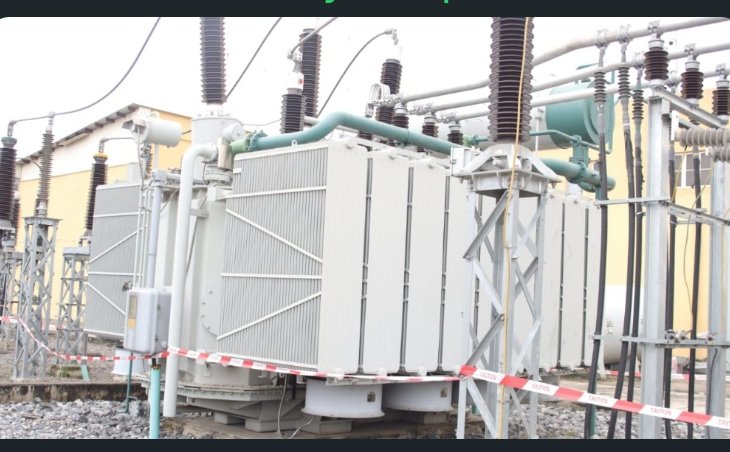
The interventions include a 300MVA, 330/132/33kV transformer at Lekki, two 60MVA transformers at the same substation, a 100MVA transformer at Alausa, two 60MVA transformers at Apapa and two 100MVA transformers at Ijora.
The Minister of Power, Engr. Joseph Olasunkanmi Tegbe, said the projects represent targeted investments designed to expand electricity capacity in areas with significant commercial, industrial and economic activity.
“They represent targeted investments in capacity for businesses to grow, capacity for industries to produce, and capacity for communities to prosper,” Tegbe said.
Lekki Transmission Capacity Doubled
At the Lekki Transmission Substation, the minister commissioned one 300MVA, 330/132/33kV transformer and two 60MVA, 132/33kV transformers.
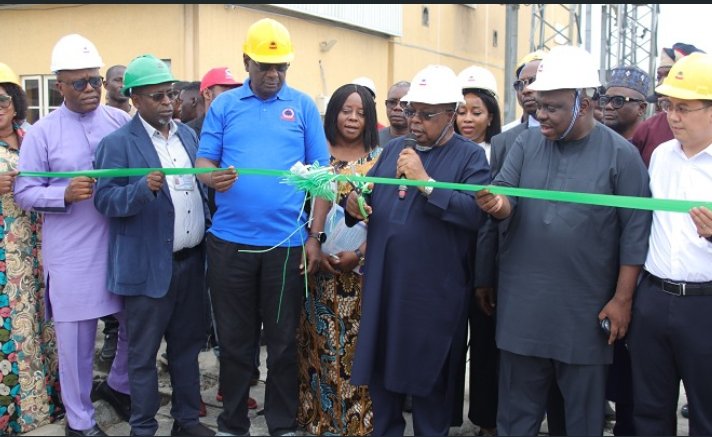
The intervention effectively doubles the substation’s transformer capacity at the 330/132kV level from 300MVA to 600MVA, equivalent to approximately 480MW.
At the 132/33kV level, capacity has increased from 120MVA to 240MVA, equivalent to approximately 192MW.
The project also includes nine new 33kV feeders, designed to improve the evacuation of bulk electricity into the Eko Electricity Distribution Company (EKEDC) network.
Tegbe said the investment was particularly important because Lekki is one of Nigeria’s fastest-growing industrial and commercial corridors.
He said adequate electricity infrastructure was essential to supporting investment, industrial production, employment and economic expansion in the area.
The minister added that the additional capacity would improve the reliability and availability of bulk electricity supplied to EKEDC for distribution to industries, businesses and households across Lekki and surrounding communities.
Alausa Gets 100MVA Transformer
At the Alausa Transmission Substation, the government commissioned a new 100MVA, 132/33kV transformer.
The project increased the substation’s total transformation capacity from 135MVA to 205MVA, equivalent to approximately 164MW.
It also increased the amount of bulk power available to Ikeja Electric Distribution Company (IKEDC) by about 80MW for onward distribution to consumers within its franchise area.
Tegbe described the Alausa intervention as a strategic investment in an area that combines government institutions, industrial estates, businesses and large residential communities.
He said the projects reflect the Federal Government’s policy of directing electricity infrastructure towards locations where additional power capacity can unlock economic activity.
Apapa, Ijora Projects Strengthen Industrial Corridor
On August 17, the minister commissioned a 2x60MVA Gas Insulated Substation (GIS) at the Apapa Transmission Substation.
The project, delivered through the Japan International Cooperation Agency’s (JICA) Official Development Assistance programme, features modern gas-insulated switchgear, two 60MVA transformers, a new control building and upgraded protection and control systems.
It also includes substation automation and SCADA infrastructure to improve monitoring and operational efficiency.
According to the Federal Government, the Apapa project has increased bulk power availability in the axis by approximately 96MW.
At the Ijora Transmission Substation, two existing 30MVA transformers were replaced with two modern 100MVA, 132/33kV transformers.
The upgrade increased the substation’s installed capacity from 90MVA to 230MVA, equivalent to approximately 184MW, while providing an additional 112MW of transmission capacity.
The minister said the additional capacity would improve electricity supply to Ijora, Costain, Oyingbo, Customs and adjoining communities, while supporting commercial activities across the EKEDC franchise area.
TCN: Projects Will Improve Lagos Power Supply
The Managing Director and Chief Executive Officer of the Transmission Company of Nigeria (TCN), Engr. Sule Ahmed Abdulaziz, said the projects would significantly improve power transmission and bulk electricity availability across Lagos.
At Apapa, Abdulaziz said the new transformers would increase the quantum of electricity available to EKEDC for distribution to communities and commercial areas including Apapa Causeway, Ijora, Amukoko, Ajegunle, Apapa Wharf and Tin Can Island.
He said the project would also improve the quality of electricity supply in one of Lagos’ major industrial corridors.
At Alausa, the TCN chief executive said the upgrade, executed by Shanghai Electric Ltd under a World Bank-funded initiative that commenced in January 2021, would provide more stable electricity to an estimated 70,000 residents in Alausa and adjoining areas through IKEDC.
He said the upgrade would also increase the volume of bulk electricity TCN could wheel to distribution load centres, helping strengthen grid stability.
Abdulaziz said the four projects demonstrate TCN’s commitment to modernising Nigeria’s transmission network, reducing technical constraints and preparing the grid to meet rising electricity demand.
He appealed for additional grant support for other critical transmission projects, saying sustained investment was necessary to optimise operations and expand the national grid.
The TCN managing director commended President Bola Ahmed Tinubu, the Minister of Power, the Lagos State Government, JICA, the World Bank, contractors, TCN engineers and other stakeholders involved in delivering the projects.
He said the interventions align with the administration’s Renewed Hope Agenda and its efforts to improve electricity reliability across Nigeria.
The Federal Government said similar transmission projects have been completed in other states and will be commissioned in due course as part of a broader programme to modernise and expand Nigeria’s transmission network.