
By Gabriel Ameh
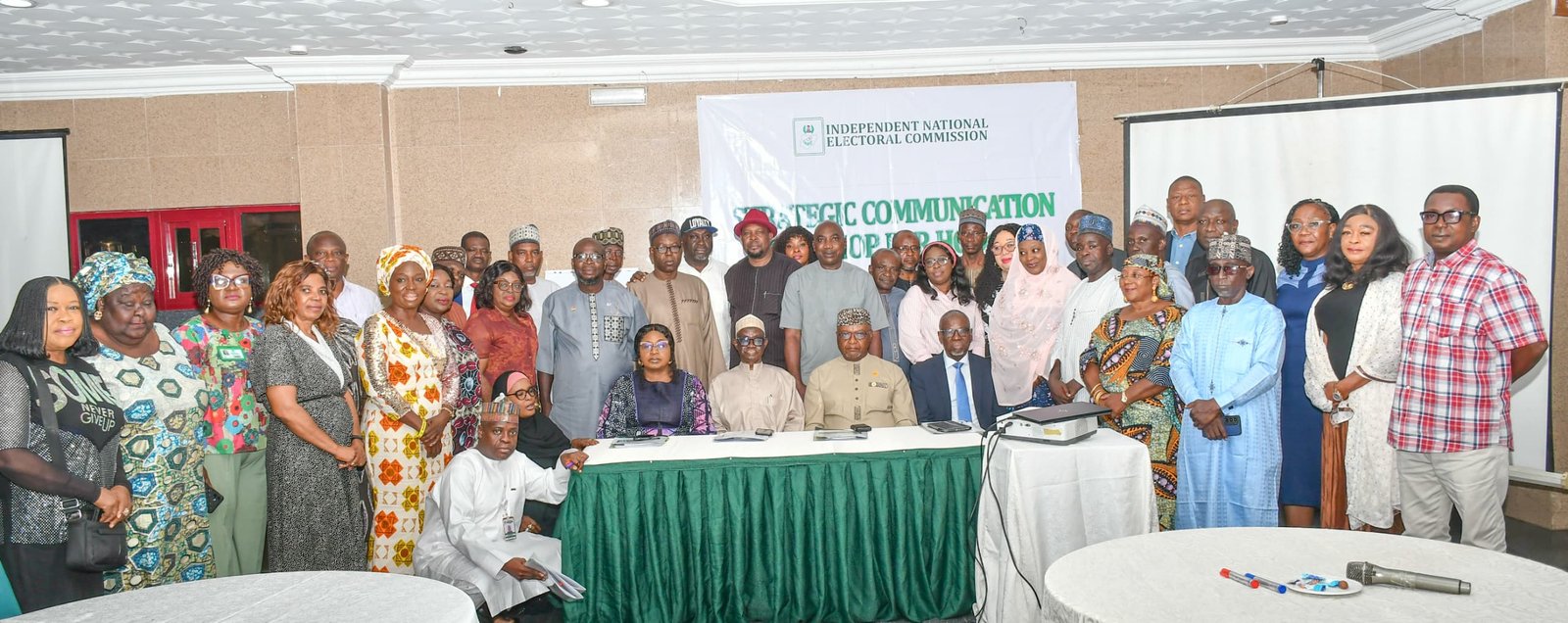
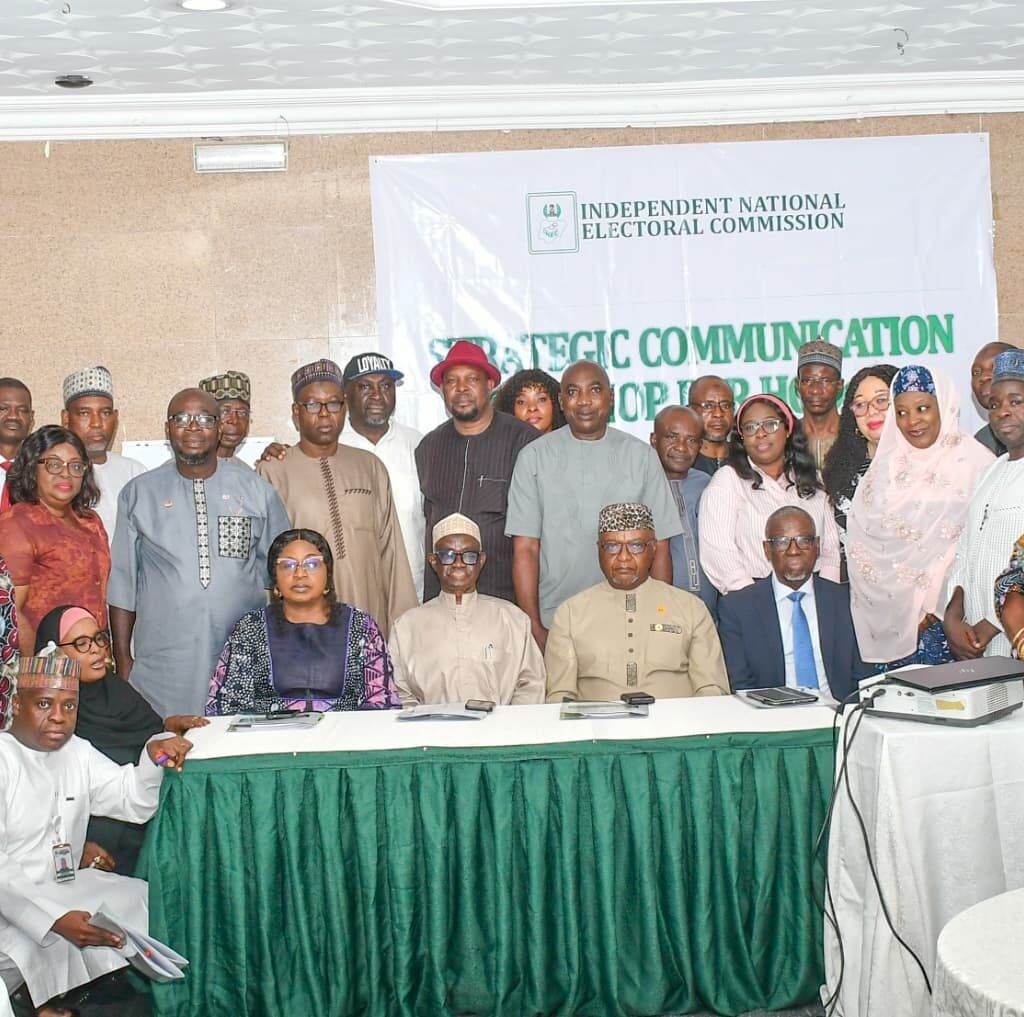
ABUJA, August 19, 2026 — The Independent National Electoral Commission (INEC) has commenced a two-day strategic communication workshop for Heads of Department, Voter Education and Publicity (VEP) from its state offices nationwide, as part of preparations for the 2027 General Election.
The workshop, which began in Abuja on Wednesday and ends Thursday, is focused on strengthening the capacity of INEC’s state-level communication officers to engage voters effectively, counter misinformation and disinformation, and build public confidence in the electoral process.
Declaring the workshop open, National Commissioner and Chairman of the Information and Voter Education Committee (IVEC), Mohammed Kudu Haruna, said INEC was facing several operational challenges, including funding constraints, an expanding electorate and the broad range of responsibilities assigned to the Commission.
Haruna said the recently suspended Nationwide Continuous Voter Registration (CVR) exercise is expected to leave the Commission with a voter register of more than 100 million voters, highlighting the scale of preparations required ahead of the 2027 elections.

He said the communication workshop was designed to address identified capacity gaps among state-level VEP officers and provide them with practical tools to effectively carry out their voter education and public information responsibilities.
Speaking to journalists on the sidelines of the event, Haruna said the training was particularly important as political parties begin preparations and campaigns ahead of the 2027 elections.
According to him, the training will help VEP officers develop effective communication strategies ahead of the elections scheduled for January 16, 2027, for the Presidential and National Assembly polls, followed three weeks later by the Governorship and State Assembly elections.
INEC Addresses Voter Apathy
Haruna also addressed concerns over voter apathy, cautioning against placing responsibility for low voter turnout entirely on INEC.
He said voter participation was a broader democratic challenge requiring the involvement of political parties, civil society organisations, the media and other stakeholders.
The National Commissioner pointed to recent off-cycle governorship elections, which he said had become increasingly credible and had received positive assessments from observers, civil society groups and the media.
While acknowledging that voter education is a statutory responsibility of INEC, Haruna said political parties also have an important role in mobilising their supporters to participate in elections.
He further suggested that weaknesses in internal party democracy, particularly the process of selecting candidates, could contribute to voter disengagement.
INEC Targets Communication Gaps
In her welcome remarks, Director of the Voter Education and Publicity Department, Victoria Eta-Messi, said the workshop was organised to address a longstanding shortage of professional communication training among VEP heads.
She said recent staff redeployments had further exposed the gap, with some officers without formal communication backgrounds taking on responsibilities involving media relations and public communication in politically sensitive environments.
Eta-Messi said the training would strengthen participants’ ability to manage misinformation campaigns, coordinate voter education activities and communicate election-related information and results clearly and accurately.
She reaffirmed the department’s commitment to making INEC’s communication more visible, accessible and accountable to citizens and other stakeholders.
The workshop’s resource persons include Prof. Okey Ikechukwu and Oluwole Osaze-Uzzi, whom Eta-Messi described as experienced communication professionals supporting the development of participants’ capacity as voter education practitioners.
The training is structured around five major areas: strategic voter education as development communication for sustainable citizenship; legal literacy and effective voter education; INEC’s internal and external communication policy; understanding and responding to deliberate misinformation in the electoral process; and the effective release of official information.
The workshop brings together Heads of Department, Voter Education and Publicity from INEC state offices across the country, alongside officials from the Commission’s Voter Education and Publicity Department.
With the 2027 elections approaching, the Commission’s latest initiative underscores the growing importance of credible, timely and accurate election communication in countering misinformation and strengthening public trust in Nigeria’s electoral process.