
0-0x0-0-0-{}-0-0#
By Gabriel Ameh
Nestlé Nigeria Plc has reaffirmed its commitment to improving access to safe and quality water as it partners with the Federal Ministry of Water Resources and Sanitation and the Organised Private Sector in Water, Sanitation and Hygiene (OPS-WASH) to expand water quality advocacy across Nigerian communities.
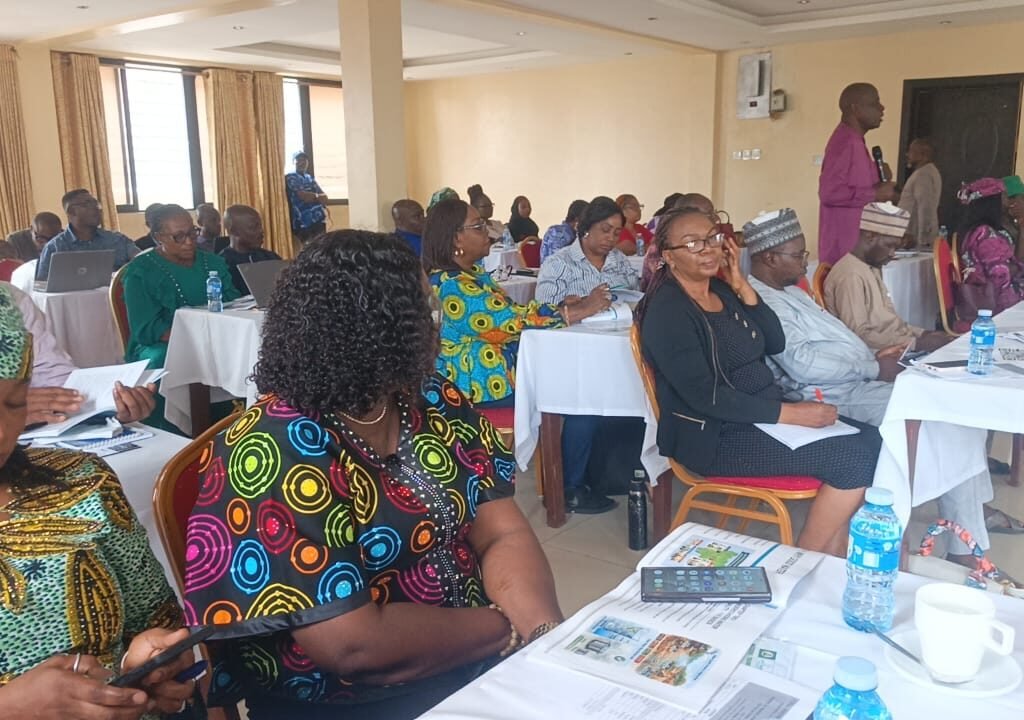
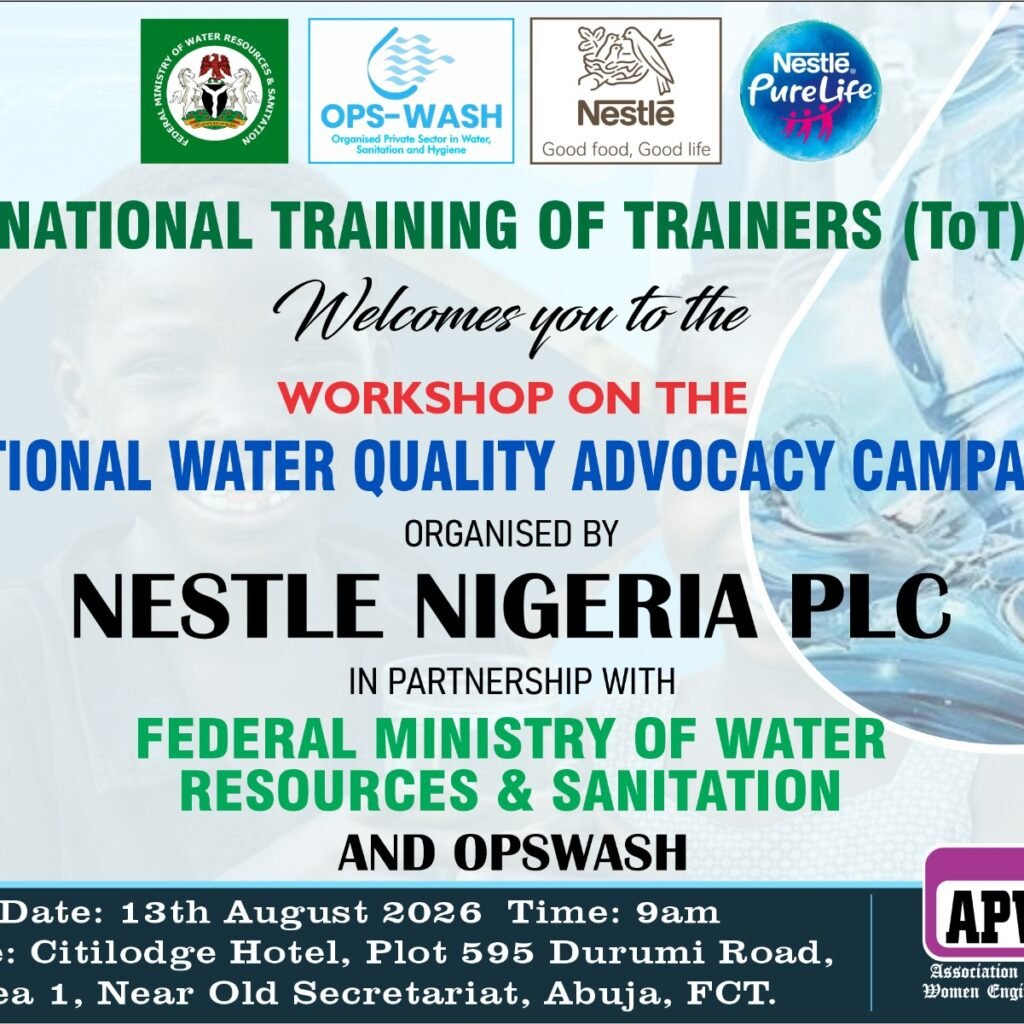
The partnership was highlighted at a National Training of Trainers (ToT) workshop on the Water Quality Handbook, designed to equip trainers with practical knowledge to take water quality education from government institutions to states, local governments and communities.
The initiative seeks to shift attention beyond the availability of water to the safety and quality of the water consumed by Nigerians.
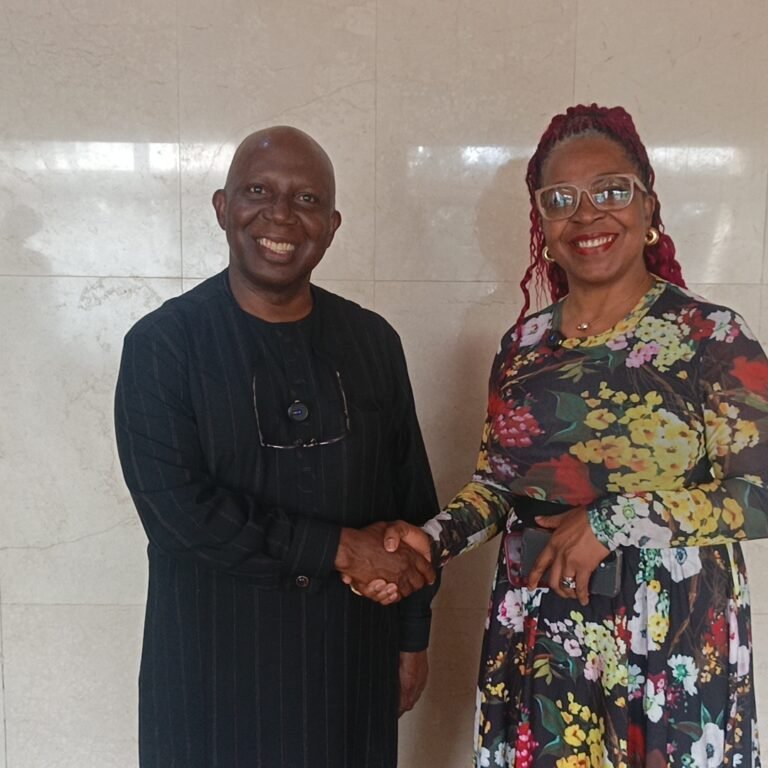
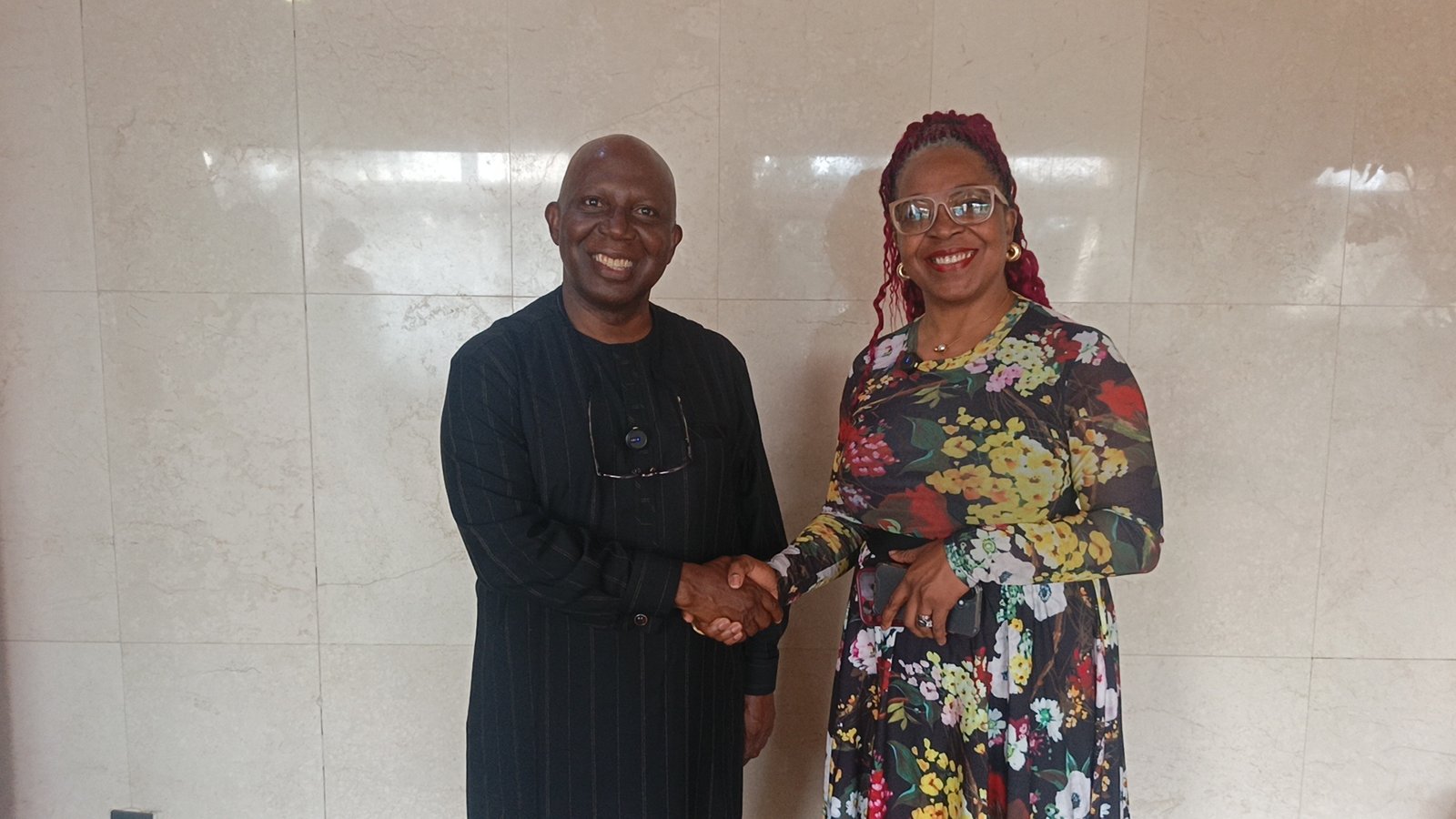
Speaking at the workshop, Victoria Uwadoka, who leads Corporate Affairs and Sustainability at Nestlé Nigeria, said the company’s participation reflected the importance of collaboration among government, the private sector, development stakeholders and communities in addressing water quality challenges.
Uwadoka said Nestlé Nigeria was part of the stakeholders involved in developing the Water Quality Handbook, describing it as one of the key outputs of the national water quality advocacy campaign launched during World Water Week in August 2025.
She said the handbook had subsequently been translated into a training manual designed to make water quality information easier for individuals, families and communities to understand and apply.
According to her, the objective is to ensure that communities are better equipped to understand and monitor the quality of their water.
“We want to see that there is better quality water across board because people know exactly what they need to do,” Waduka said.
She stressed that clear-looking water should not automatically be considered safe for consumption, noting that the handbook and training programme provide simple approaches for testing water supplies and identifying appropriate corrective measures.
Uwadoka added that the initiative would require continued investment in water-testing facilities across communities to make testing more accessible and enable residents to respond to water quality challenges.
She linked the campaign to public health and economic development, stressing that access to quality water is essential to healthy communities and productive economies.
“Water is critical. Nutrition is critical. And water is a core part of nutrition,” she said.
Uwadoka also highlighted Nestlé Nigeria’s broader water stewardship efforts, including improving water efficiency in its operations, harvesting rainwater for selected non-production processes and recycling water to reduce pressure on groundwater resources.
She said the company’s commitment extends beyond its factory operations to communities located around its areas of operation.
According to her, Nestlé Nigeria, in partnership with OPS-WASH, has supported the development of more than 30 water facilities in the Federal Capital Territory and Ogun State.
She said the facilities incorporate water-treatment systems, solar power and community governance structures aimed at ensuring that the infrastructure remains functional and sustainable over time.
Uwadoka explained that Nestlé Nigeria had also committed to providing communities around its operations with a volume of water equivalent to the amount extracted or used in its operations.
She said the company’s commitment includes providing quality and sustainable water rather than focusing only on access.
“We want to make sure that they have access to water, not just water, but quality, safe water, sustainably,” she said.
She called for a multi-stakeholder approach to addressing Nigeria’s water challenges, noting that government, private-sector organisations, communities and other stakeholders must work together because no single institution can solve the problem alone.
Also speaking, Dr. Nicholas Igwe, National Coordinator of OPS-WASH, described the training as an important step towards taking water quality knowledge to communities across Nigeria.
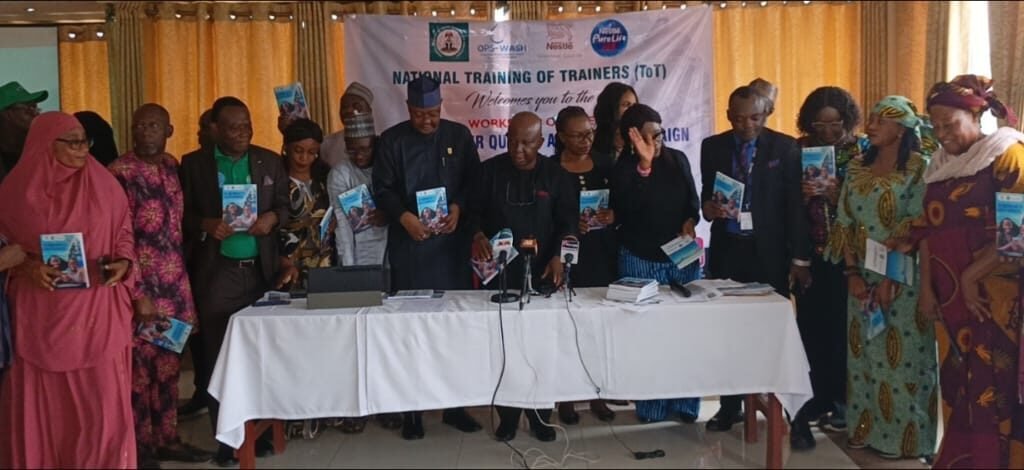
Igwe said the trainers participating in the programme would subsequently work with relevant state and community stakeholders to disseminate knowledge on water quality, its impact on health and its implications for local economies.
He said the Water Quality Handbook covers key aspects of water quality, including physical, chemical and biological parameters, as well as community-level interventions where water does not meet required standards.
According to Igwe, the handbook was developed through collaboration between OPS-WASH, the Federal Ministry of Water Resources and other stakeholders before being taken further through the current training initiative.
He commended Nestlé Nigeria for supporting the expansion of the campaign to rural communities and for its broader water stewardship commitments.
Igwe cited the company’s water commitments around its operations, including Abuja and Ogun State, where he said Nestlé Nigeria had committed to providing communities with volumes of water corresponding to the quantities used in its operations.
He said the company had committed to providing about 270,000 cubic metres of water annually to communities around its Abuja operations and approximately 130,000 cubic metres annually in Ogun State.
Beyond infrastructure, Igwe emphasised the importance of establishing governance structures that would help communities manage and sustain the facilities over the long term.
The National Training of Trainers is expected to strengthen the capacity of participating stakeholders to take water quality education to communities, with the broader objective of improving awareness, testing practices and community action around safe water.
The organisers also acknowledged the contributions of the Federal Ministry of Water Resources and Sanitation, relevant government agencies, the Ministry of Information, community leaders and other stakeholders involved in the campaign.
The initiative reinforces the growing emphasis on water quality as a critical component of public health, nutrition, community development and economic wellbeing in Nigeria.