
0-0x0-0-0-{}-0-0#
By Gabriel Ameh
The Federal Capital Territory Administration (FCTA) has officially flagged off the 2026 Seasonal Malaria Chemoprevention (SMC) campaign, targeting more than one million eligible children across the six area councils of the territory as part of efforts to reduce malaria prevalence and child mortality.
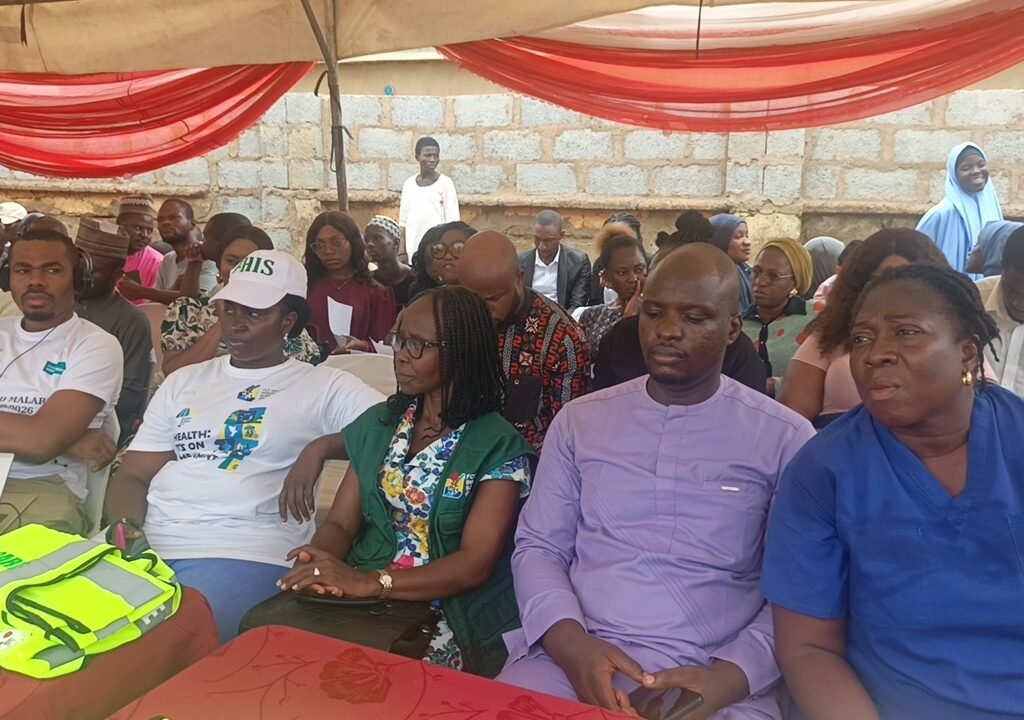
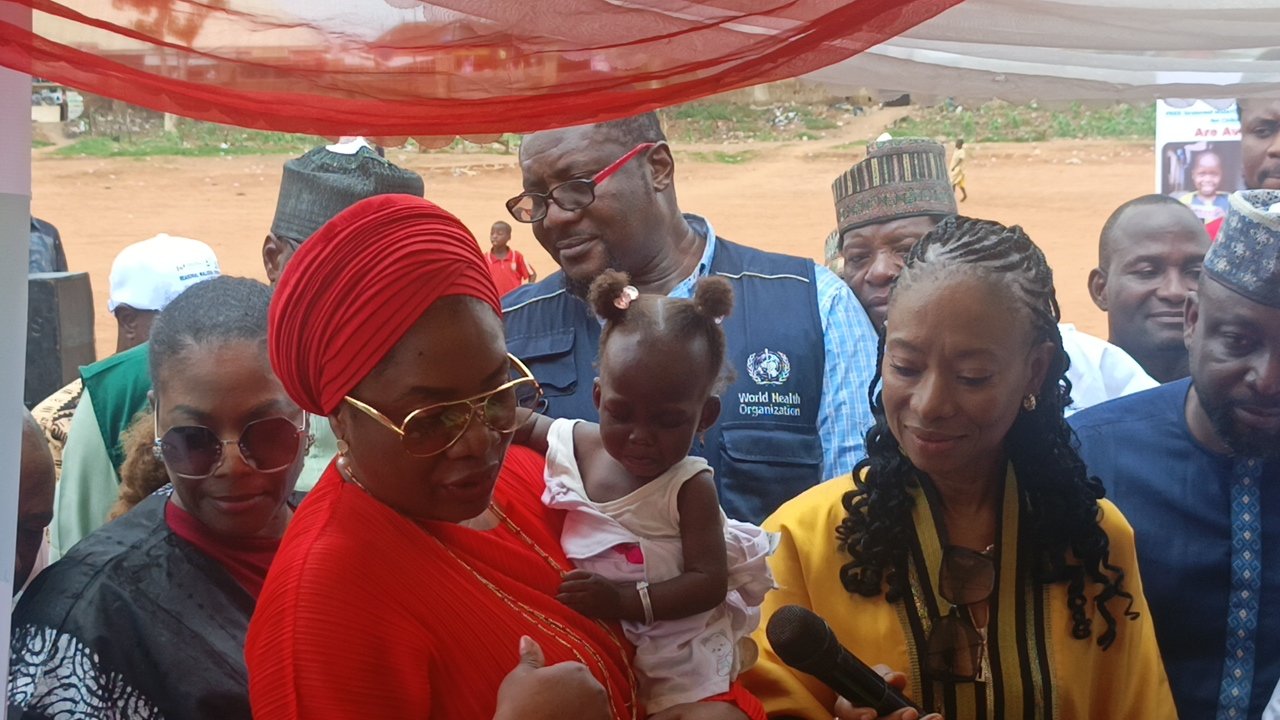
The flag-off ceremony, held in Abuja on Monday, was led by the Mandate Secretary, Health Services and Environment Secretariat, Dr. Dolapo Fasawe, alongside officials from Malaria Consortium, development partners, traditional leaders and key stakeholders in the health sector.
Speaking during the event, Dr. Jennifer Chukwumerije, Technical Specialist for the Philanthropic Funding Seasonal Malaria Chemoprevention (PF-SMC) Project at Malaria Consortium Nigeria, described malaria as one of the world’s biggest public health threats despite being preventable and treatable.

She noted that Nigeria currently bears the highest malaria burden globally, recording about 68.47 million malaria cases in 2024, representing 24.3 percent of all global cases, while accounting for 38.6 percent of global malaria deaths among children under five.
According to her, children under five years and pregnant women remain the most vulnerable groups affected by the disease.
“Malaria claims an estimated one life every minute globally, with the majority of deaths occurring in sub-Saharan Africa. There is no better time than now for all stakeholders to recommit to ending malaria,” she said.
Chukwumerije explained that Seasonal Malaria Chemoprevention is a World Health Organization-recommended intervention involving the monthly administration of Sulphadoxine-Pyrimethamine and Amodiaquine (SPAQ) to children between three and 59 months during the peak malaria transmission season.
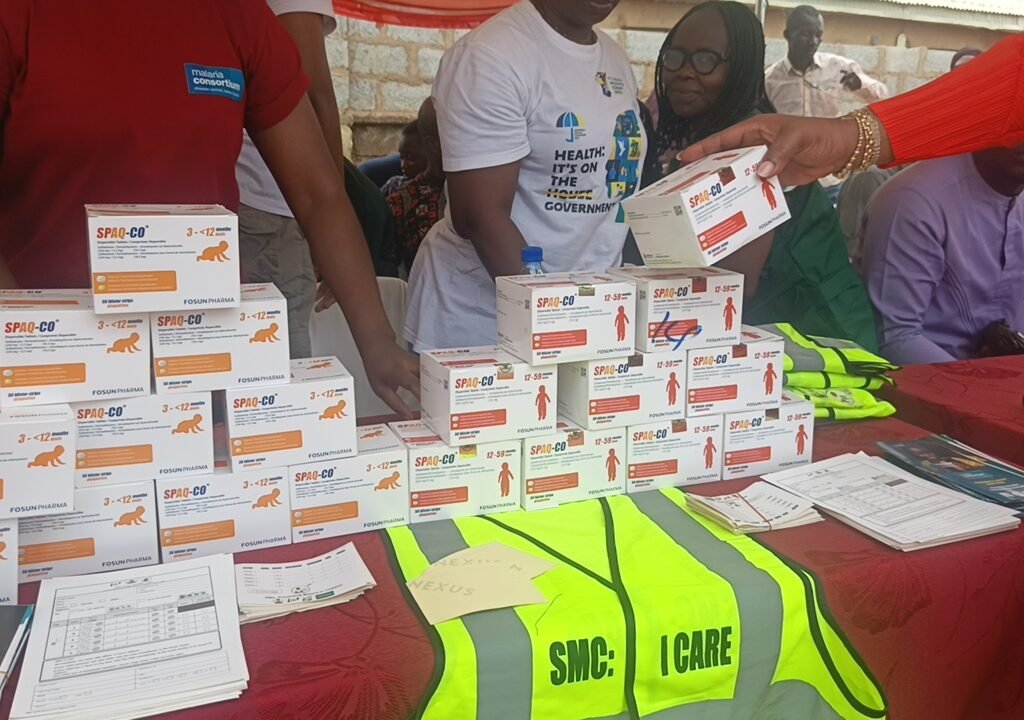
She disclosed that nearly one million children in the FCT benefited from SMC interventions through support from philanthropic funding and the Global Fund, adding that the programme has been implemented in the territory since 2022.
“This year, SMC aims to target 1,015,240 eligible children in the FCT. Malaria Consortium also plans to support the territory with insecticide-treated nets,” she stated.
She further revealed that malaria prevalence in the FCT reduced significantly from 18.8 percent in 2021 to 7.9 percent in 2025 due to collaborative interventions by government and partners.
Calling for stronger government ownership, Chukwumerije urged authorities to develop sustainable plans that would ensure continuity of the intervention beyond donor support.
In her keynote address, Dr. Dolapo Fasawe said the campaign aligns with the commitment of the FCT Administration under the leadership of the Minister of the FCT, Barrister Nyesom Wike, to improve healthcare delivery and protect children from preventable diseases.
She explained that SMC involves preventive administration of anti-malaria medicines to children during the rainy season when mosquito transmission is highest.
“What it means is that we can prevent malaria by taking this medicine. The medicines are preventive and not for treatment. We will administer them to children from three months to just below five years old,” she said.
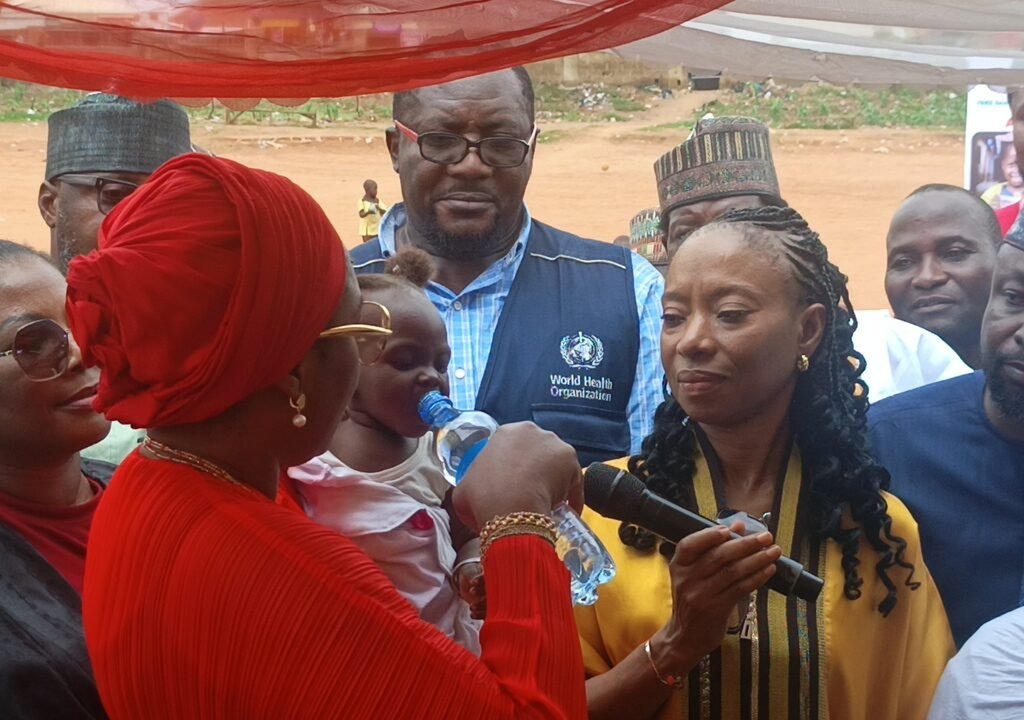
Fasawe stressed that malaria remains preventable and curable, noting that Nigeria unfortunately accounts for approximately 27 percent of global malaria cases.
“We are coming first in malaria deaths in Africa and that is not something palatable. But if we continue these interventions year after year, we can definitely beat malaria,” she added.
The Mandate Secretary disclosed that the first cycle of the 2026 SMC campaign will commence on Thursday, June 11, 2026, with trained community drug distributors expected to move from door to door across communities to administer the medicines free of charge.
According to her, the intervention would reduce hospital visits, ease financial burdens on families and help improve child survival rates across the territory.
“The drug is safe, free and provides protection during the peak transmission season. Together, we can build a future where no child dies from a simple mosquito bite,” she said.
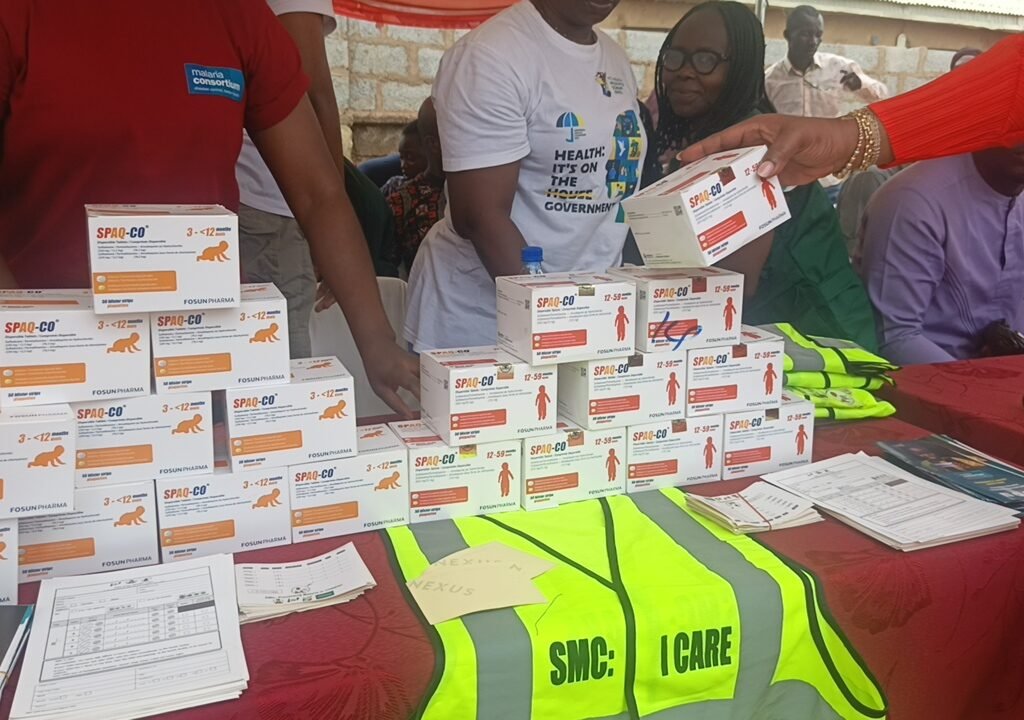
Health officials at the event also clarified that SPAQ, the combination of Sulphadoxine-Pyrimethamine and Amodiaquine administered during the campaign, has been certified safe by the World Health Organization and Nigeria’s Federal Ministry of Health, with side effects considered rare.
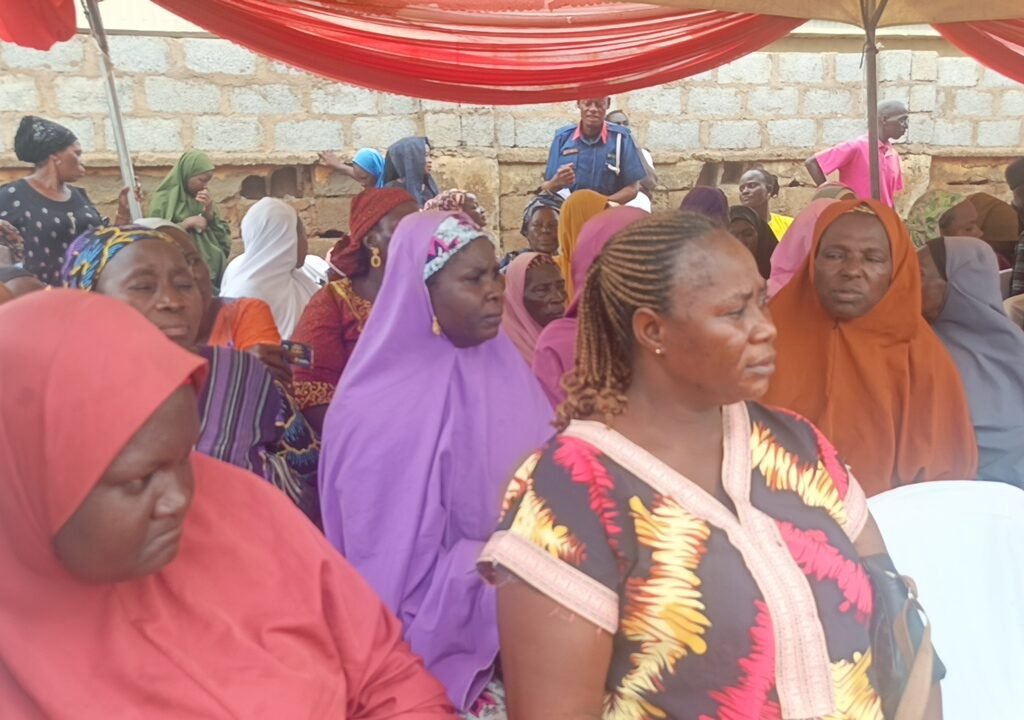
Traditional rulers, Area Council representatives, the Abuja Municipal Area Council Chairman and public health stakeholders at the event pledged continued support toward successful implementation of the campaign across the FCT.