
By Gabriel Ameh
The Centre for Social Justice (CSJ) has urged political parties and aspirants preparing for the 2027 general elections to shift attention from political rhetoric to practical and measurable economic policies capable of tackling Nigeria’s worsening poverty, unemployment, inflation and governance challenges.
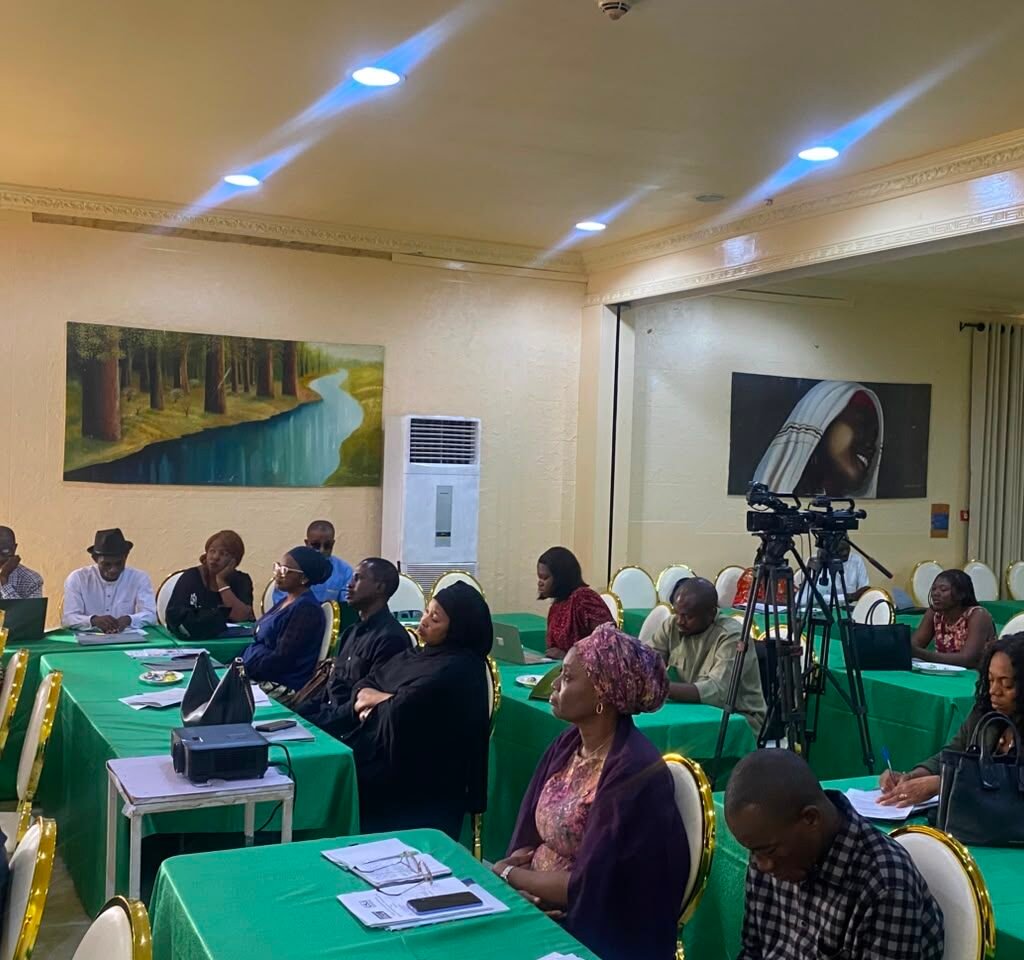
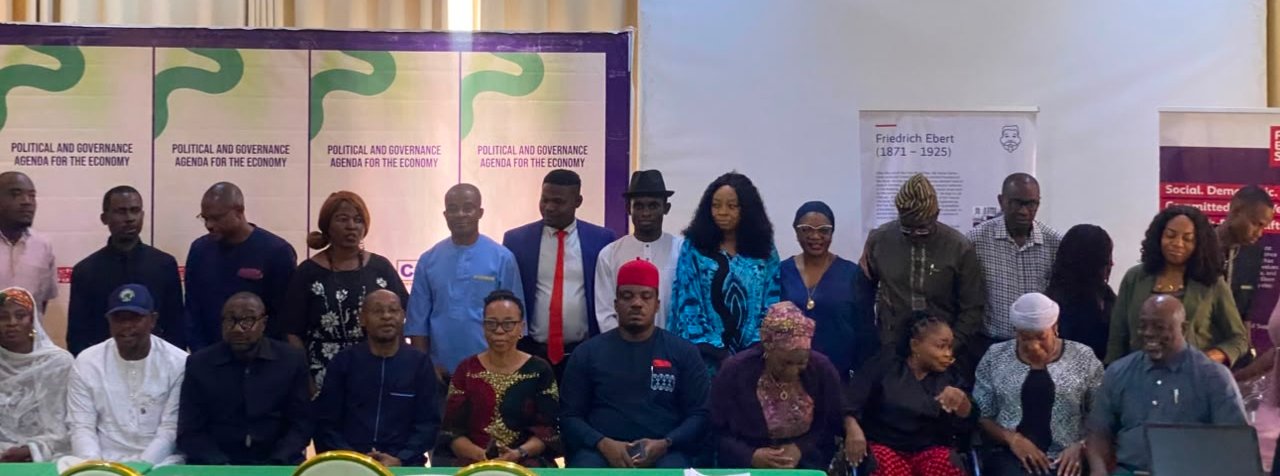
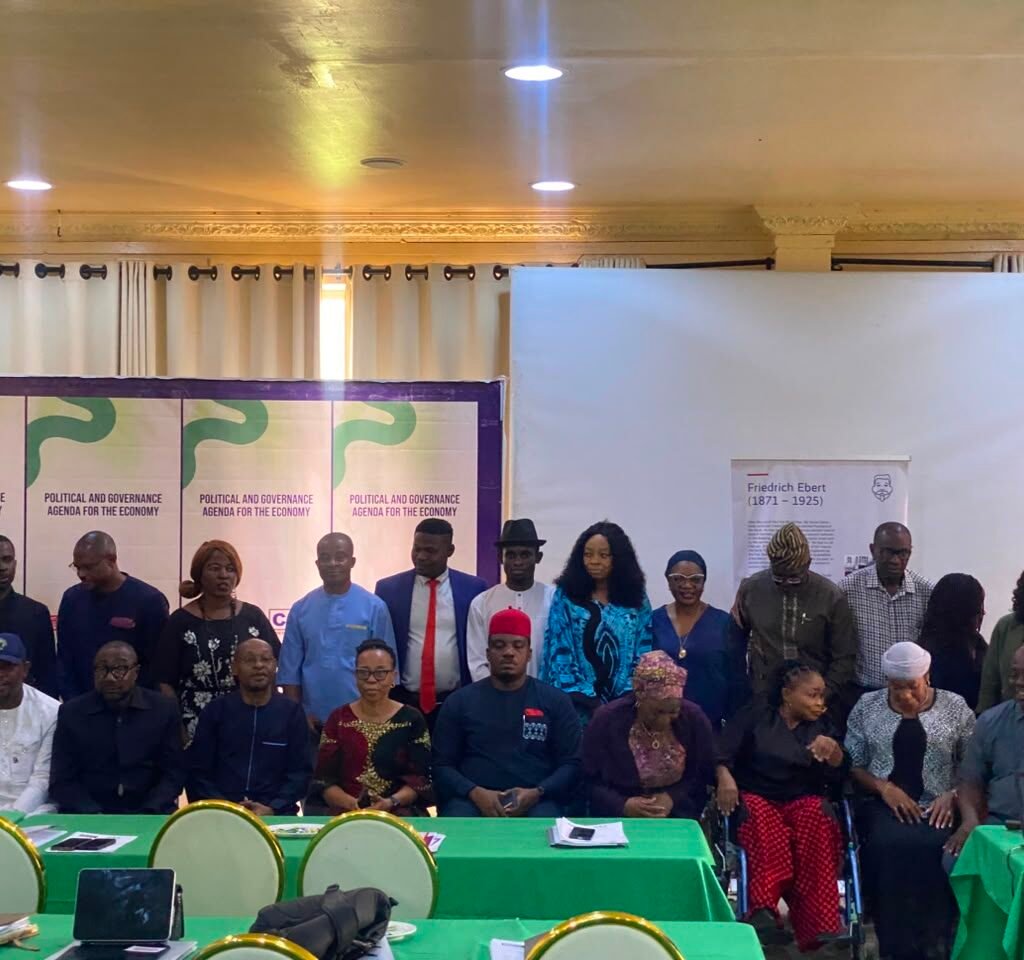
The call was made at a Political and Governance Dialogue on the Economy held in Abuja, where stakeholders stressed that the next election should be driven by policy debates rather than personality politics.
The dialogue, supported by the Friedrich-Ebert-Stiftung (FES) Nigeria, brought together representatives of political parties, civil society organisations, policy experts, professional groups and the media to discuss how economic development can become the centrepiece of political campaigns ahead of the 2027 polls.
Speaking at the event, FES Nigeria representative Juliana Anusike said Nigerians deserve leaders who present clear, realistic and properly costed economic plans instead of vague campaign promises.
She said political campaigns should focus on practical solutions to the country’s rising cost of living, unemployment, infrastructure deficits, healthcare, education, energy security and access to clean water.
According to her, the approaching 2027 elections provide an opportunity for citizens to assess candidates based on the quality and feasibility of their policy proposals.
“The election season should not distract Nigerians from the economic questions facing the country. Rather, it should provide an opportunity to demand practical solutions from those seeking public office,” she said.
Anusike also encouraged political leaders to participate in public debates, town hall meetings and policy engagements, describing such platforms as essential for strengthening accountability and democratic governance.
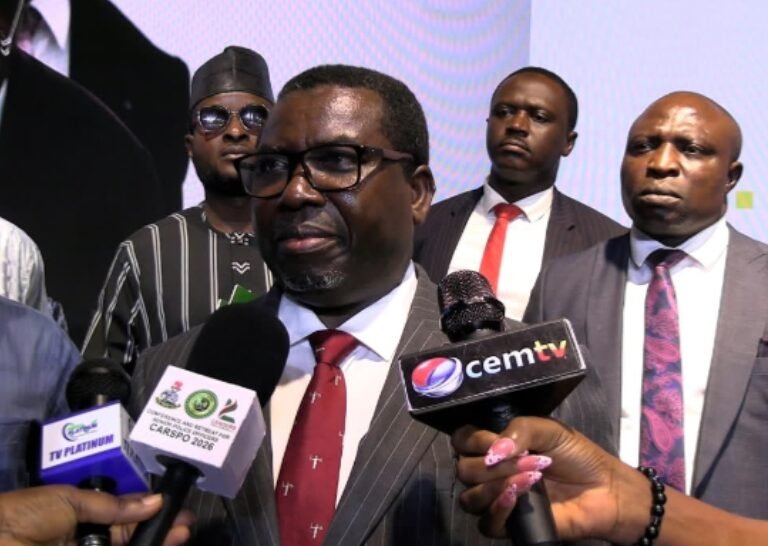
CSJ Executive Director Eze Onyekpere said elections should be contests of ideas, not just campaign slogans, stressing that political parties must continuously engage citizens on their economic vision.
He lamented that many candidates fail to explain how they intend to solve Nigeria’s economic challenges or subject their manifestos to public scrutiny.
Onyekpere described Nigeria’s economy as facing multiple crises, including widespread poverty, unemployment, inflation, food insecurity and declining living standards.
He noted that despite economic reforms, more than 145 million Nigerians remain multidimensionally poor, while millions of young people are unemployed or underemployed.
According to him, Nigeria needs to create at least four million new jobs within the next three years to significantly reduce unemployment.
He argued that economic growth figures alone are meaningless if they do not improve the living conditions of ordinary Nigerians.
“If economic growth remains almost equal to population growth, the benefits are practically wiped out. Nigeria requires sustained annual growth of between seven and ten per cent over a long period to substantially reduce poverty,” he said.
Onyekpere also urged government to ensure better coordination of fiscal, monetary, industrial, agricultural, trade, education and health policies to achieve inclusive economic growth.
He criticised policy inconsistencies in agriculture, warning that lowering import tariffs while borrowing heavily to support local farming could undermine Nigerian farmers through increased competition from cheaper imports.
The CSJ Executive Director further challenged political parties to present campaign promises that are specific, measurable, achievable, realistic and time-bound.
He disclosed that CSJ has developed a governance handbook covering more than 20 priority economic sectors, including public debt, taxation, employment, agriculture, budgeting and poverty reduction, to support evidence-based policy discussions ahead of the 2027 elections.
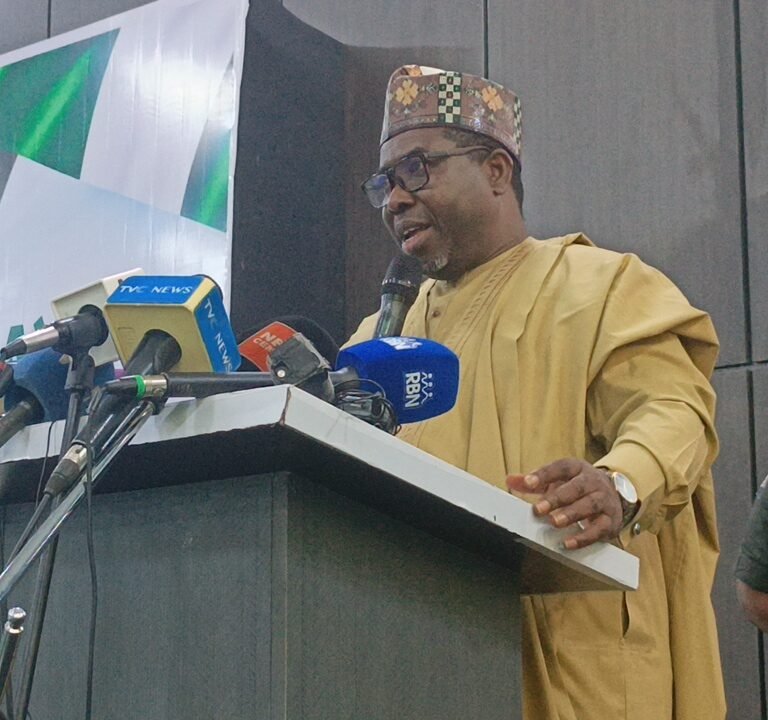
Labour Party presidential hopeful Chibuzor Okereke also addressed the gathering, dismissing concerns that Nigeria is drifting towards a one-party state.
He pledged to pursue reforms centred on innovation, accountability and inclusive governance while strengthening institutions that protect citizens’ socio-economic rights.
Onyekpere expressed optimism that sustained engagement among political parties, civil society organisations and the media would improve policy formulation and strengthen governance beyond the 2027 elections.