
By Gabriel Ameh
ABUJA — The Diplomatic Correspondents’ Association of Nigeria (DICAN) has urged Nigeria to draw practical lessons from China’s development experience while adapting them to the country’s unique political, economic and social realities.
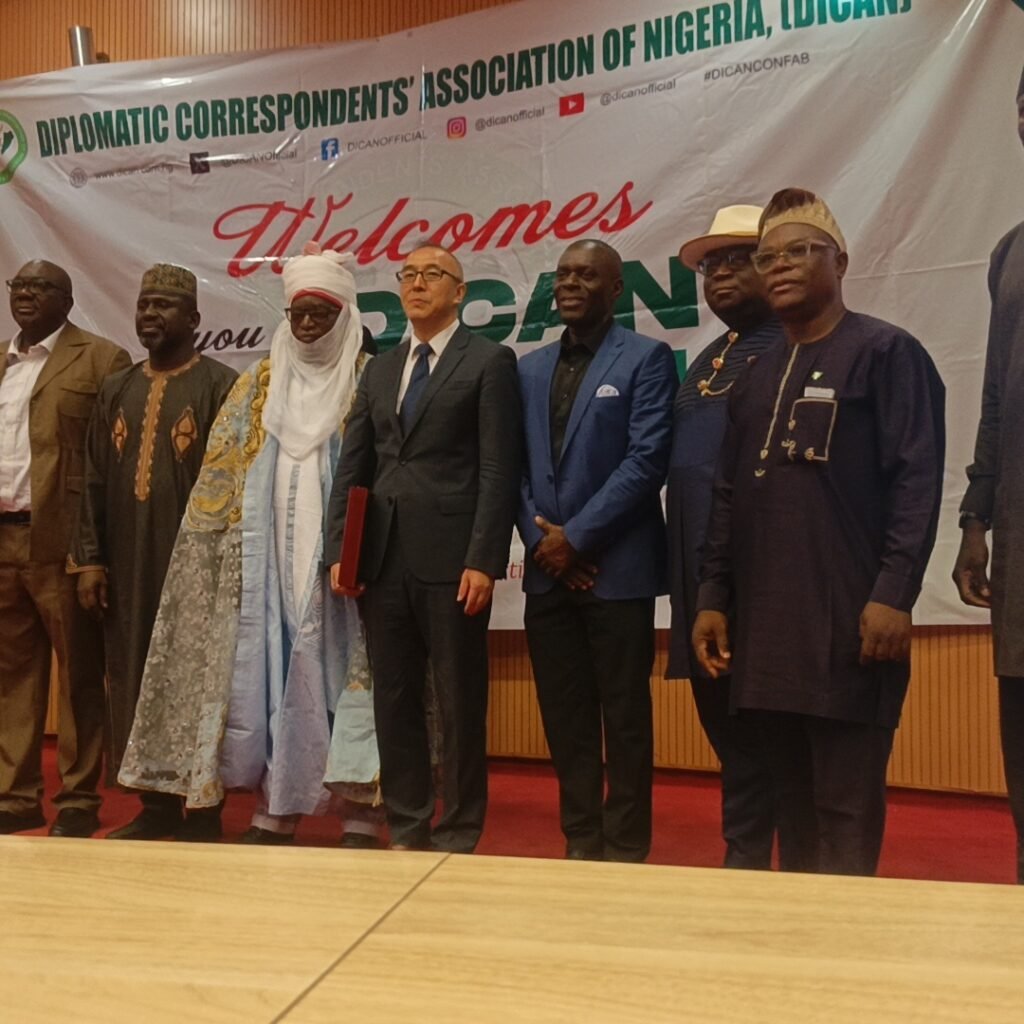
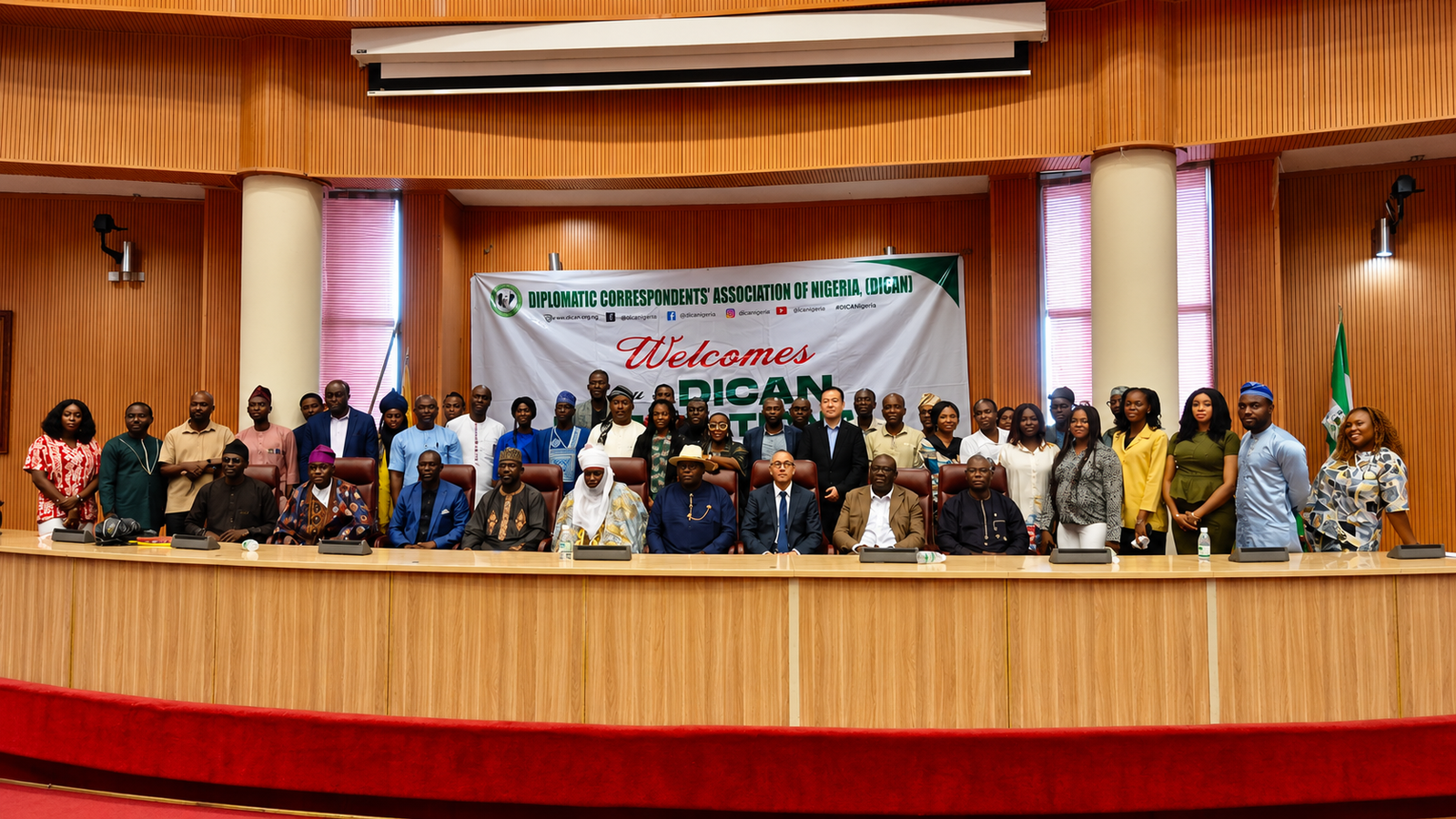
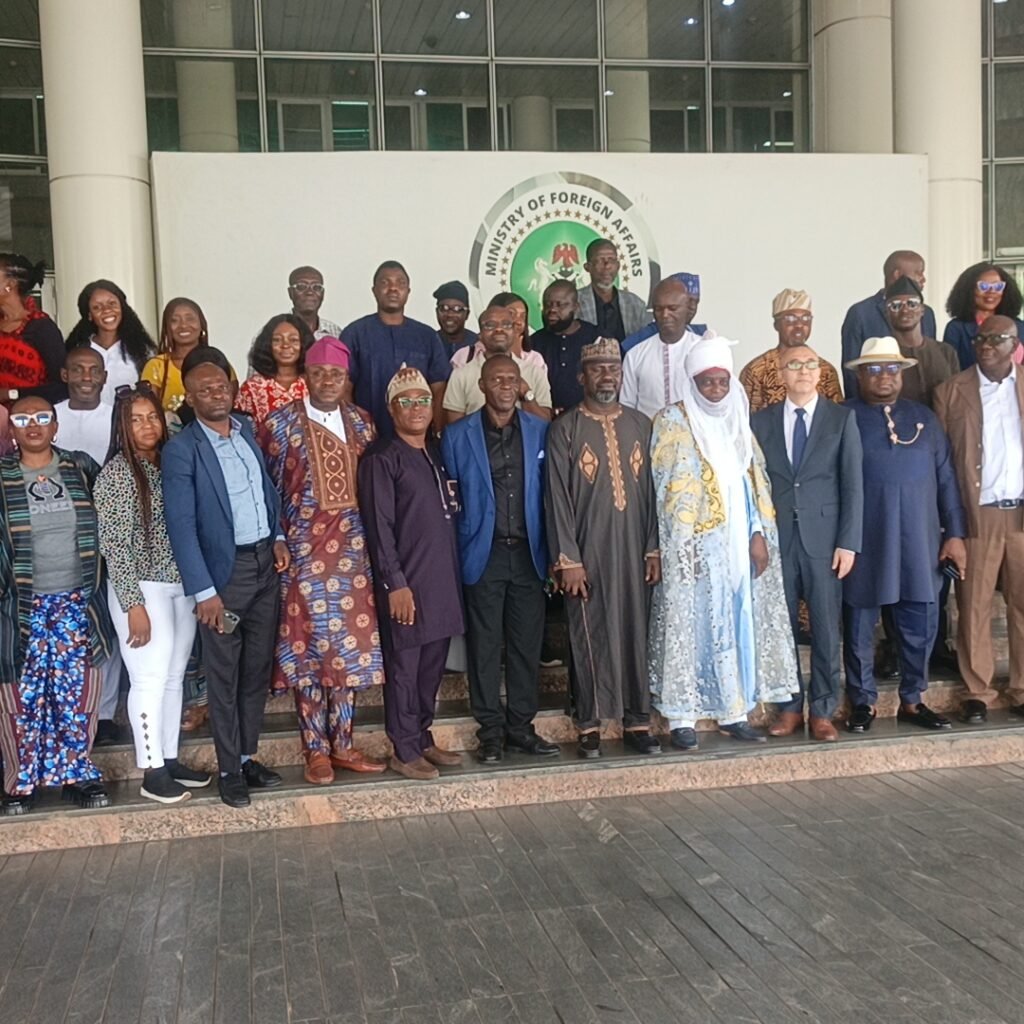
The call was made on Tuesday, August 25, 2026, at a one-day DICAN-China workshop held at Rotunda Hall, Ministry of Foreign Affairs, Abuja.
The workshop brought together diplomats, policymakers, development partners, journalists and other stakeholders to examine Nigeria’s poverty alleviation efforts and the relevance of China’s development experience to the country.
The event was themed “Nigeria’s Poverty Alleviation Efforts: Adopting China Modules and Its Relevance in a New Era: The Place of Policymakers, Development Partners, Key Stakeholders and Diplomatic Reporters.”
China’s poverty experience
In his welcome address, DICAN Chairman, Comrade Idehai Frederick, described the workshop as timely, noting that poverty alleviation remains a major concern across Africa as developing countries confront economic challenges, food insecurity and structural changes.
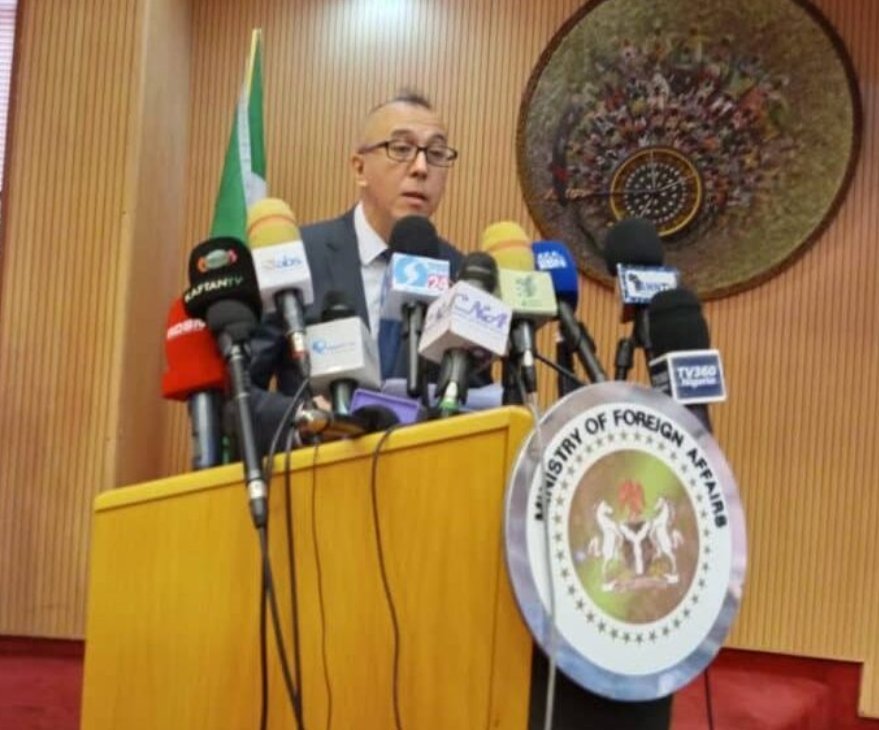
Frederick said the workshop was partly informed by his recent experience leading African mainstream media executives on a study tour of China, where he observed rural revitalisation projects.
He said China’s achievement of lifting more than 800 million people out of extreme poverty offered important lessons for developing countries.
“China’s historical feat of lifting over 800 million people out of extreme poverty provides a compelling blueprint. However, adaptation rather than direct replication is key to achieving meaningful impact within Nigeria’s unique socio-economic landscape,” he said.
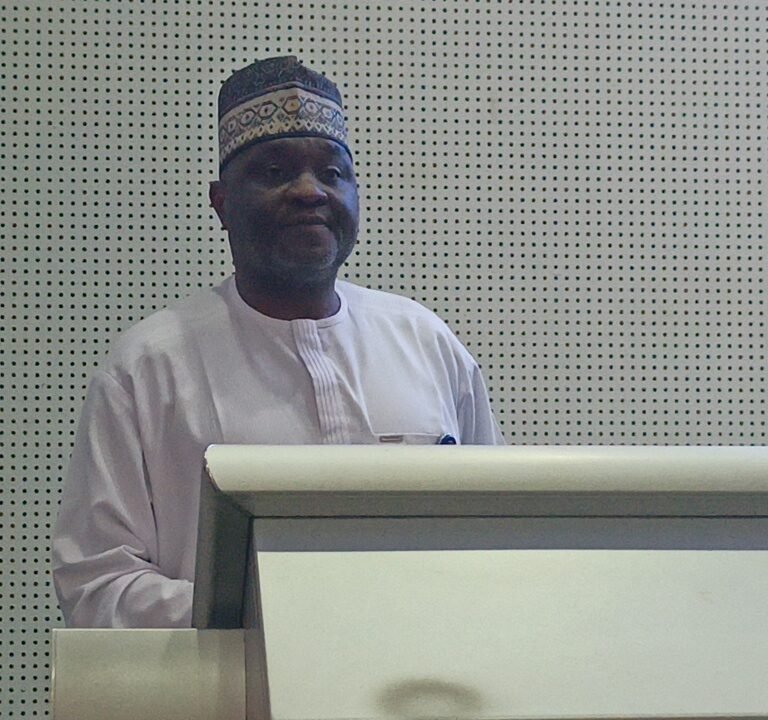
Presenting a paper titled “The Political Economy and Governance Mechanism of China’s Successful Targeted Poverty Reduction,” Prof. Sheriff Ghali Ibrahim, Provost of the Anti-Corruption Academy of Nigeria, highlighted the key elements of China’s poverty reduction strategy.
He identified sustained economic growth, targeted poverty alleviation, infrastructure investment, local industry development and bureaucratic accountability as major components of the Chinese approach.
According to Ibrahim, China’s strategy also involved detailed household profiling, deployment of officials to rural communities, collaboration between developed and less-developed regions, relocation programmes, infrastructure development, digital integration and verification mechanisms for poverty reduction outcomes.
‘Nigeria must adapt, not adopt’
Dr Austin Maho, media scholar and publisher of Daybreak Nigeria and Dragon Magazine, cautioned against attempting to transfer China’s model directly to Nigeria.
Presenting a paper on “The Critical Role of Diplomatic Correspondents and Media Executives in Contextualizing International Development Models,” Maho said Nigeria’s federal structure, institutional capacity, political economy and demographic realities require a different approach.
He pointed to differences in governance systems, civil service capacity and mechanisms for measuring and sustaining poverty reduction as factors that must be considered.
Maho also raised concerns about Nigeria’s rapidly growing population, describing poverty reduction as both a development priority and a national security concern.
“Our demographic trajectory makes poverty reduction/eradication not just a social policy, but a national security emergency,” he said.
He stressed that international development models should be carefully studied and contextualised before being applied in Nigeria.
“Models cannot be imported wholesale. They must be evaluated, communicated, and contextualized. This is the essential work of journalists, diplomatic correspondents, and media executives. We are the bridge between international experience and domestic policy, between data in Beijing and reality in Benue,” Maho said.
Foreign Affairs Ministry backs stronger cooperation
Delivering a goodwill message, the Permanent Secretary of the Ministry of Foreign Affairs, Ambassador Dunoma Umar Ahmed, reaffirmed the ministry’s commitment to strengthening international cooperation and partnerships that support Nigeria’s development objectives.
Ahmed said Nigeria’s challenges, including poverty, unemployment and inequality, require bold and collaborative responses.
“Nigeria, like most developing countries, faces complex development challenges—persistent poverty, unemployment, and inequalities—that require bold, pragmatic and collaborative responses. No single institution or country holds all the answers,” he said.
He stressed that Nigeria’s development path must reflect its own institutions, social structure and values, while allowing policymakers to identify aspects of China’s experience that can be responsibly adapted.
DICAN proposes new development reporting agenda
The workshop also produced recommendations aimed at strengthening development journalism and accountability.
Among the proposals were the creation of a dedicated Development Diplomacy reporting beat, quarterly “last-mile” reporting to local government areas, partnerships with data agencies to track poverty indicators and the adoption of measurable poverty performance indicators at subnational levels.
DICAN also called for increased fellowship opportunities, media exchange programmes and technical journalism training for Nigerian journalists.
The association further urged the Chinese Embassy to facilitate stronger engagement between the Chinese business community and DICAN to promote transparency around corporate social responsibility initiatives and bilateral trade activities.
DICAN honours diplomats
A major highlight of the workshop was the conferment of honorary DICAN titles on senior government officials.
The Minister of Foreign Affairs, Ambassador Bianca Odumegwu-Ojukwu, was conferred with the title of DICAN Grand Patron, while the Minister of State for Foreign Affairs, Ambassador Sola Enikanolaiye, and Permanent Secretary Ambassador Dunoma Umar Ahmed were recognised as DICAN Patrons.
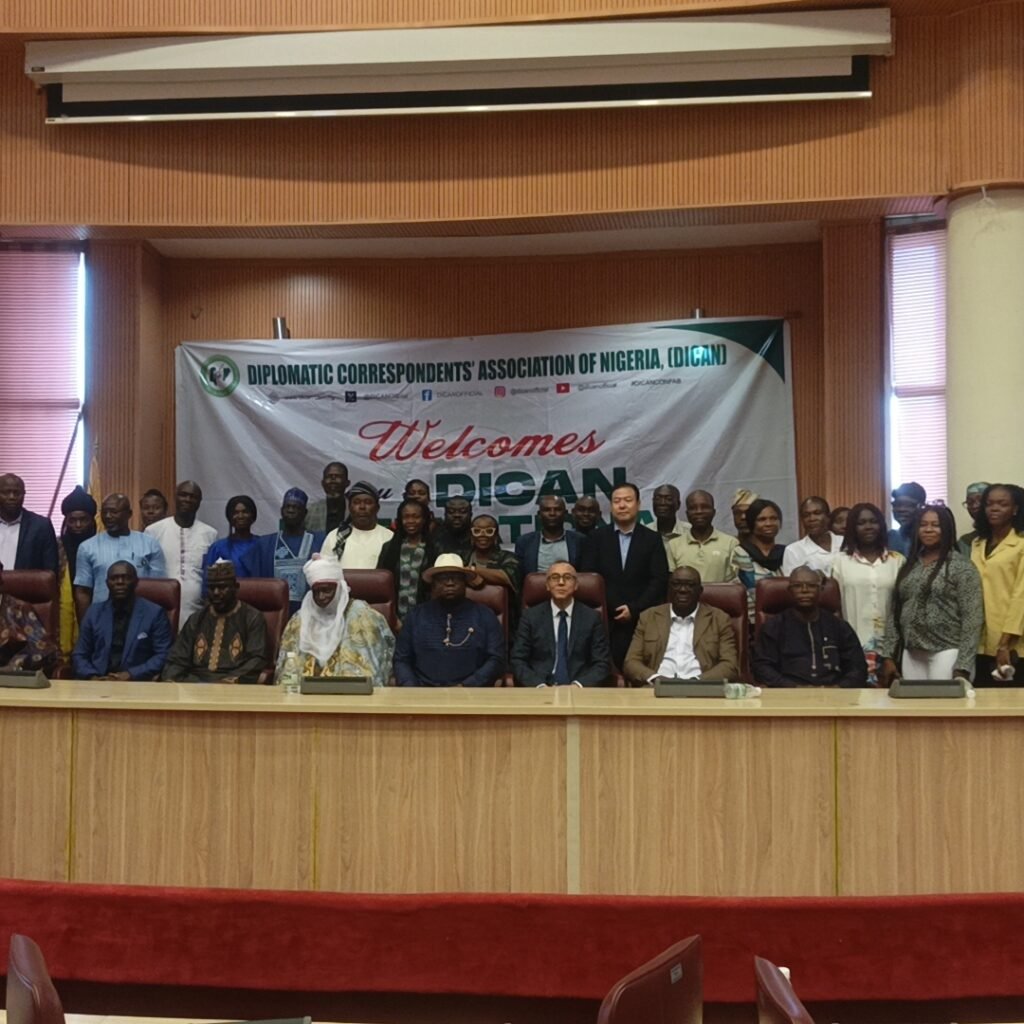
The Chinese Ambassador to Nigeria, Yu Dunhai, and Minister Zhou Hongyou also received Awards of Excellence.
Concluding the event, Frederick urged journalists to move beyond simply reporting government policies and become critical partners in documenting development outcomes.
He said diplomatic correspondents and media executives could help bridge the gap between international development experience and Nigeria’s domestic policy realities by critically examining foreign models and translating their lessons into practical local action.