
0-0x0-0-0-{}-0-0#
By Gabriel Ameh
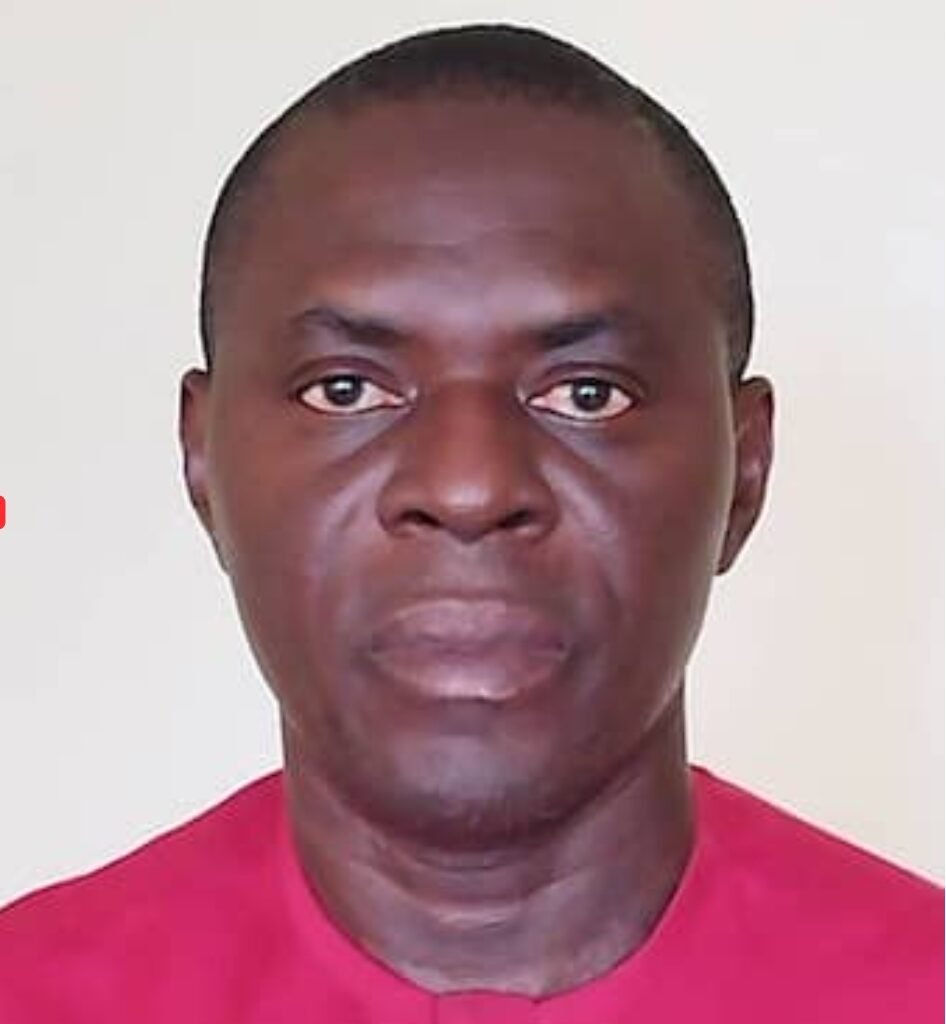
ABUJA — Nigeria must adapt lessons from China’s poverty reduction experience to suit its own realities rather than adopt the model wholesale, public affairs analyst and media scholar, Dr Austin Maho, has said.
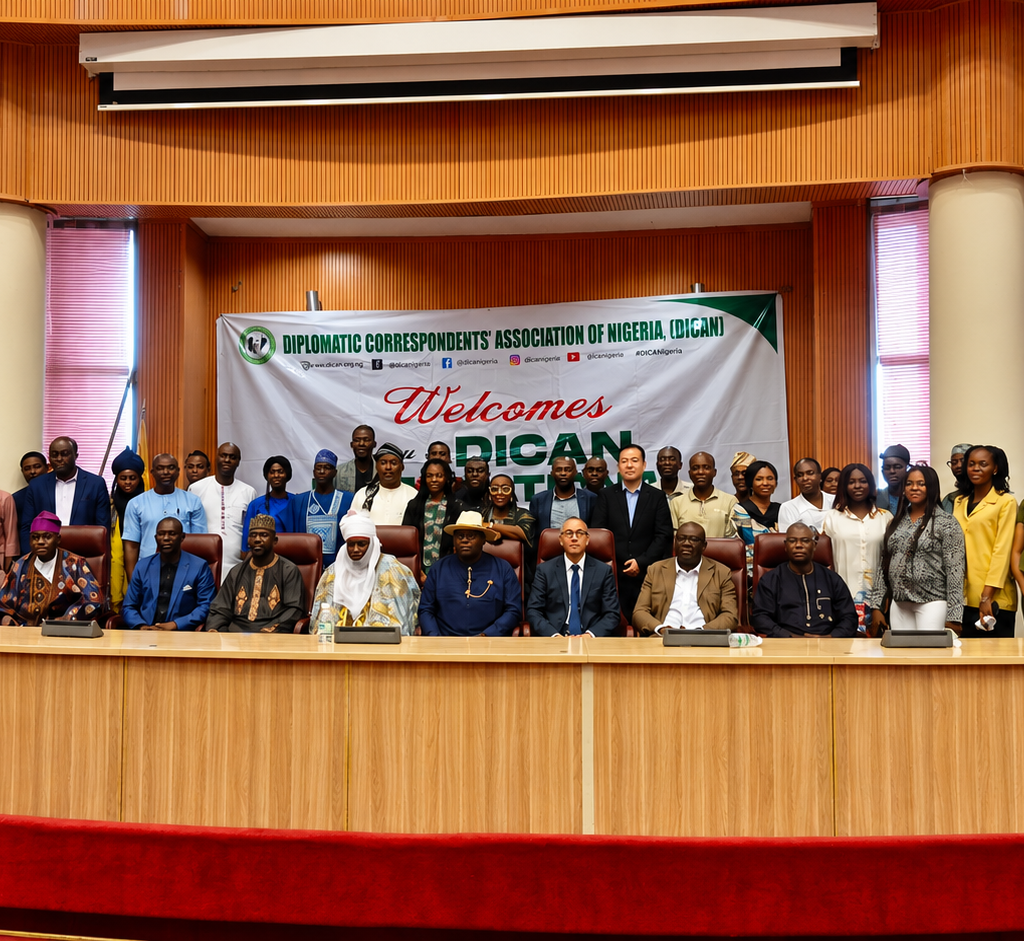
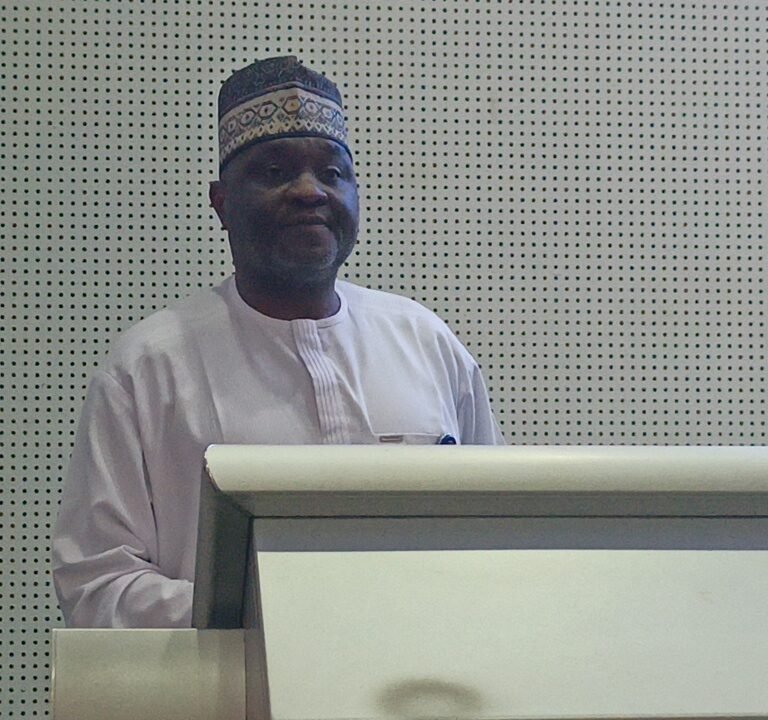
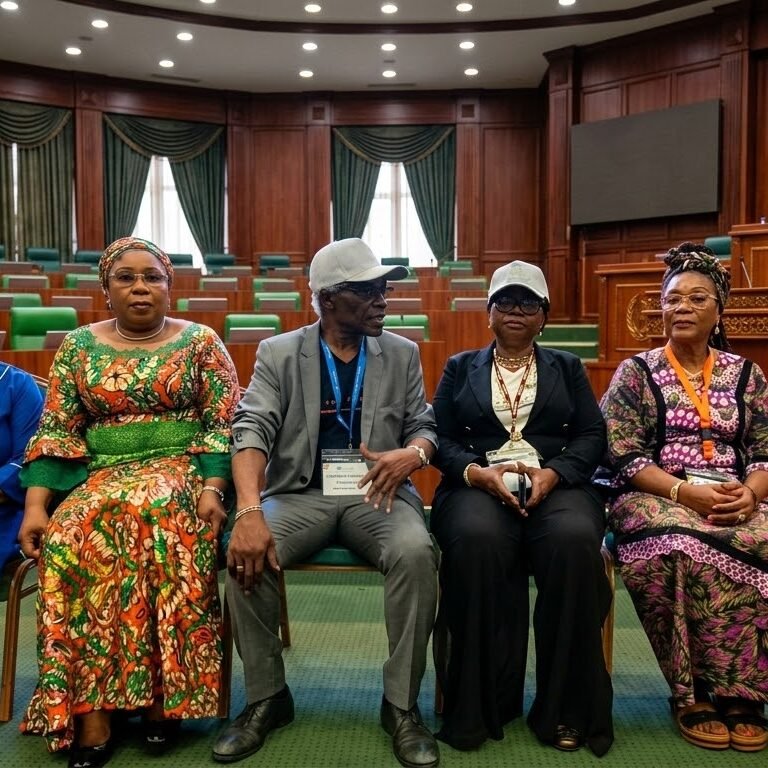
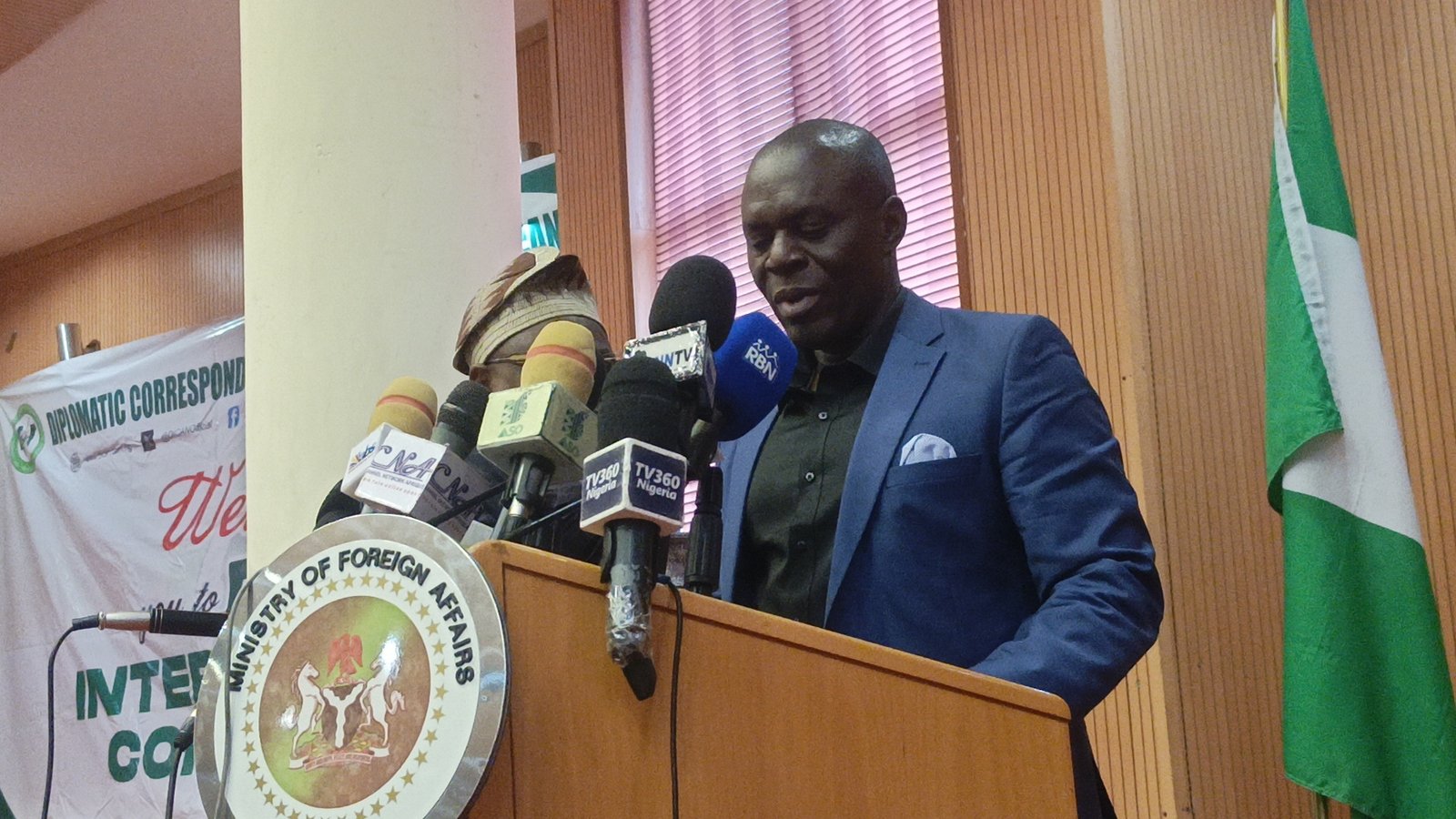
Maho made the call at a capacity-building workshop organised by the Diplomatic Correspondents’ Association of Nigeria (DICAN), where he challenged journalists and diplomatic correspondents to critically examine foreign development strategies and their impact on Nigerians.
He urged media practitioners to move beyond surface-level reporting and investigate how foreign-funded development projects perform after implementation, particularly in areas such as agriculture, road construction, digital learning and rural infrastructure.
Drawing from his observations at a Global South policy conference held in Yinchuan, China, in July 2026, Maho acknowledged the scale of China’s poverty reduction efforts.
He noted that China’s campaign lifted nearly 100 million people out of poverty between 2012 and 2020, while extensive infrastructure development also improved access to more than 100,000 villages.
According to him, the Chinese experience demonstrates what coordinated governance, targeted interventions and sustained development planning can achieve.
However, Maho cautioned against attempting to replicate the model directly in Nigeria, citing differences in political structures, administrative capacity, population dynamics and security conditions.
“What works in a centralized socialist system cannot simply be transplanted into a complex federal democracy with different historical trajectories,” he said.
He said Nigeria’s rapidly growing population, coupled with millions of new births each year, was placing additional pressure on social services and making poverty reduction an increasingly urgent national challenge.
Maho argued that Nigeria therefore needs measurable poverty-reduction targets and policies designed around its own economic, democratic and social realities.
Journalists as watchdogs
The media scholar also challenged journalists to play a stronger role in monitoring development programmes and foreign assistance, describing them as “interpreters and watchdogs” of development.
He called for journalists to track development projects from inception to completion and examine whether funds and interventions actually deliver the promised benefits to communities.
Maho recommended the creation of specialised reporting beats focused on development diplomacy, stronger fact-checking practices and localised scorecards that would enable journalists and citizens to monitor development outcomes at state and local government levels.
He warned that without sustained media scrutiny, journalists could either romanticise foreign development successes or dismiss them completely, with neither approach serving the interests of Nigerian citizens.
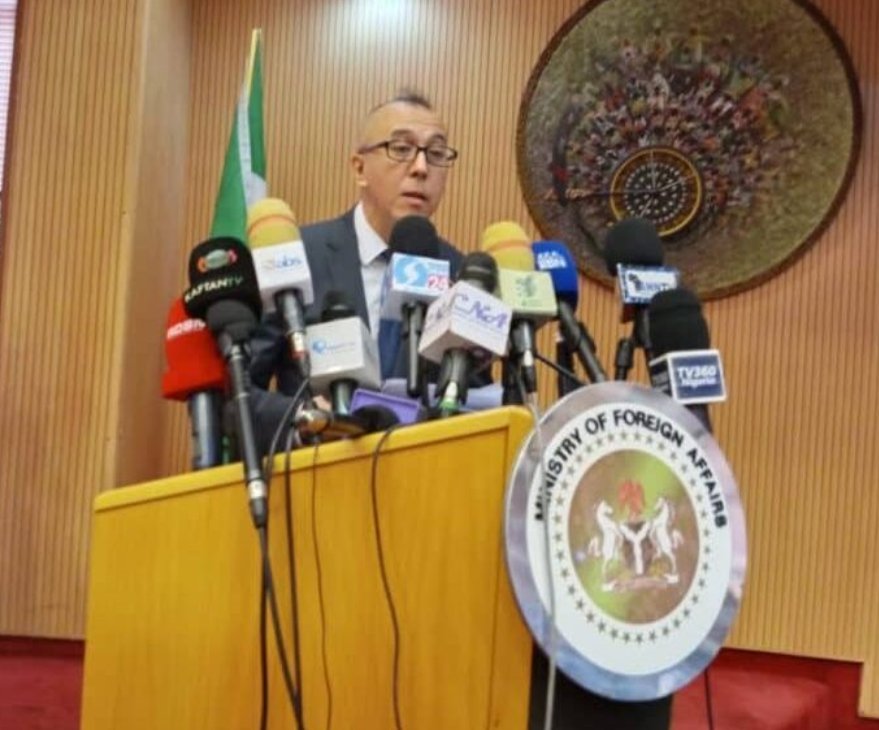
The workshop concluded with a call for Nigeria to draw useful lessons from China and other international development experiences while developing policies that reflect the country’s unique circumstances.
Participants also stressed the importance of an empowered and independent media in promoting transparency, accountability and evidence-based assessment of poverty alleviation and development programmes.