
By Media360Impact
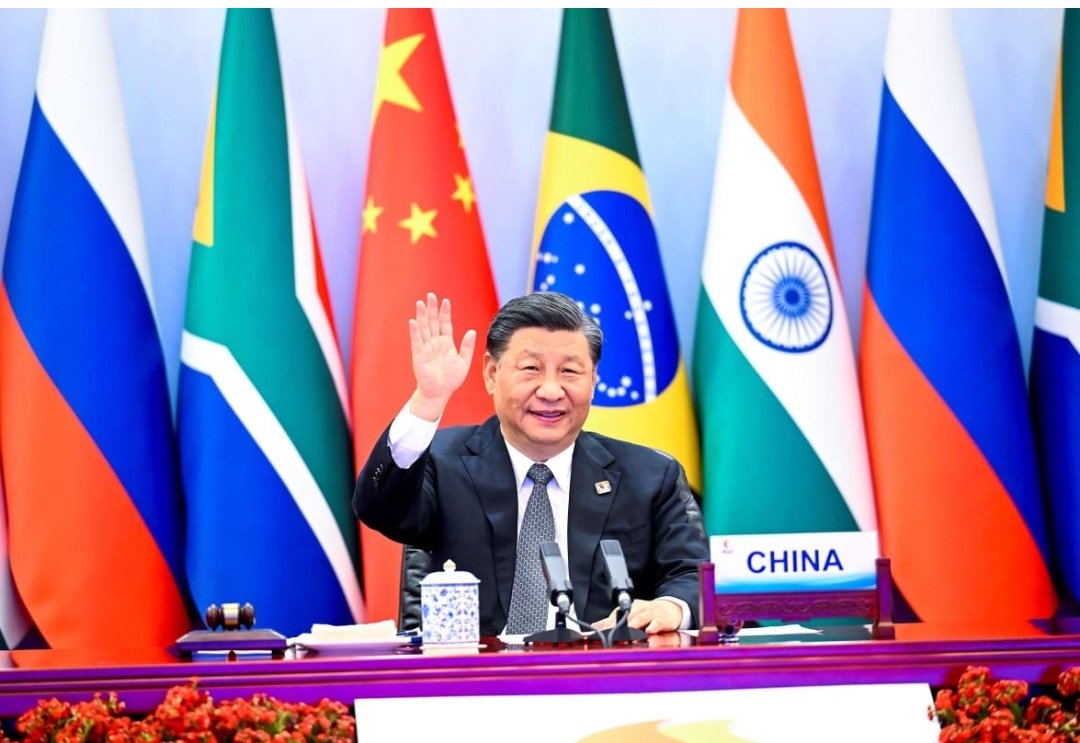
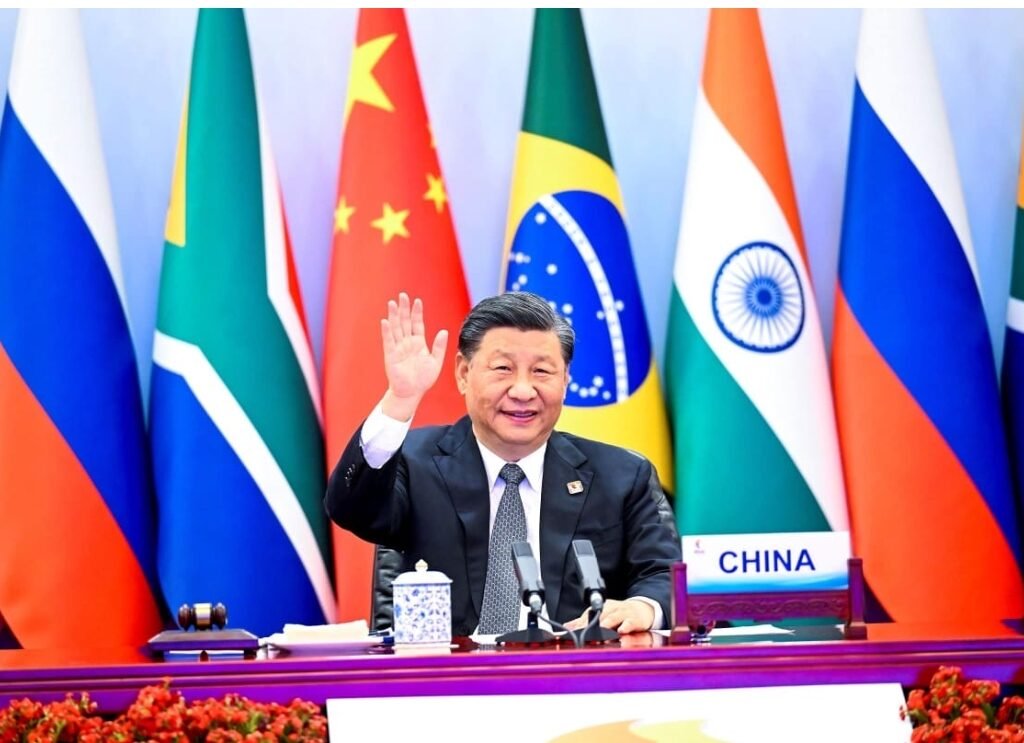
Five years after Chinese President Xi Jinping proposed the Global Development Initiative (GDI) at the United Nations General Assembly, the initiative has evolved from a Chinese policy proposal into a broad international cooperation framework focused on poverty reduction, food security, sustainable development and capacity building.
Xi introduced the GDI in 2021 against the backdrop of the COVID-19 pandemic and what he described as profound changes in the international system. The proposal called for stronger international cooperation to address development challenges and accelerate progress towards the United Nations 2030 Agenda for Sustainable Development.
The launch also came at a significant moment for China. The country was marking the centenary of the founding of the Communist Party of China (CPC) and the 50th anniversary of the restoration of its legitimate seat at the United Nations.
At the time, China had also announced the elimination of absolute poverty within its borders. Beijing presented the achievement as evidence of what it described as the potential of sustained policy commitment, investment and coordinated development to tackle poverty on a large scale.
From Domestic Experience to Global Initiative
The GDI emerged from China’s development experience and its argument that the lessons of poverty reduction could contribute to international efforts to address global development challenges.
The initiative places development at the centre of international cooperation and closely aligns with the implementation of the UN 2030 Agenda.
Its broad areas of focus include poverty alleviation, food security, COVID-19 recovery, industrial development, innovation, environmental sustainability and capacity building.
The framework also promotes policy dialogue, experience sharing, technical cooperation and development projects involving countries and international organisations.
Five years on, proponents of the initiative say it has recorded significant international participation. According to figures provided by China, more than 130 countries and international organisations have endorsed the GDI or participated in related cooperation programmes.
China says the initiative has supported about 1,800 livelihood-oriented projects, while more than 200,000 people have received professional training through related programmes. The country also puts the amount of mobilised funding connected to the initiative at more than $23 billion.
Focus on Practical Development
A major feature of the GDI has been its emphasis on practical projects and technology transfer.
China has promoted the use of Juncao technology, which uses grasses for mushroom cultivation and other agricultural applications, as part of poverty-reduction and agricultural development efforts.
Other initiatives have included satellite-based data-sharing technologies and disaster monitoring and early-warning platforms designed to help developing countries strengthen disaster preparedness and mitigation.
Supporters argue that such projects demonstrate the GDI’s stated emphasis on people-centred, inclusive, innovation-driven and environmentally sustainable development.
The initiative has also been advanced alongside China’s wider international economic engagement, including the Belt and Road Initiative, manufacturing cooperation, infrastructure development, renewable energy and investment in developing economies.
Africa and the Global South
The GDI has placed particular emphasis on developing countries, including countries across Africa and other parts of the Global South.
For many developing economies facing infrastructure deficits, food insecurity, limited industrial capacity and financing challenges, advocates argue that greater access to technology, investment and development partnerships is critical to narrowing development gaps.
China has subsequently established more than 30 cooperation mechanisms and platforms under the broader framework, aimed at supporting developing countries with skills, technology and institutional capacity.
The approach has also become part of China’s wider argument for a more balanced international development system at a time when developing countries continue to call for greater access to financing, technology and markets.
Global Development Challenges Persist
The GDI’s proponents point to the slow implementation of the UN Sustainable Development Goals as evidence of the need for renewed international cooperation.
With the 2030 deadline approaching, progress towards many of the SDGs remains inadequate, particularly in areas such as poverty, hunger, climate action, infrastructure and inequality.
Against this background, the GDI seeks to position development cooperation as a shared international responsibility rather than an issue confined to individual countries or regions.
China has continued to advocate for what it describes as a development path based on mutual respect, inclusiveness, cooperation and shared benefits.
Looking Ahead
Five years after its launch, the Global Development Initiative remains part of China’s broader engagement with developing countries and the international development system.
Its supporters argue that the initiative offers developing countries additional opportunities for investment, technology transfer, infrastructure development and human-capacity building.
However, its long-term significance will ultimately depend on the sustainability of the projects, transparency of financing, measurable development outcomes and the ability of participating countries to translate cooperation into lasting improvements in people’s lives.
As the deadline for the UN 2030 Agenda draws closer, the central question remains whether initiatives such as the GDI can help accelerate progress towards inclusive and sustainable development.
For China, the message remains clear: development should be shared, sustainable and accessible to all, with poverty reduction and improved livelihoods at the centre of international cooperation.