
By Gabriel Ameh
The Government of Benin has reaffirmed its commitment to regional integration, dialogue, and solidarity, urging member states of the Economic Community of West African States (ECOWAS) to work together in building a stronger and more resilient regional bloc amid emerging political, economic, and security challenges.
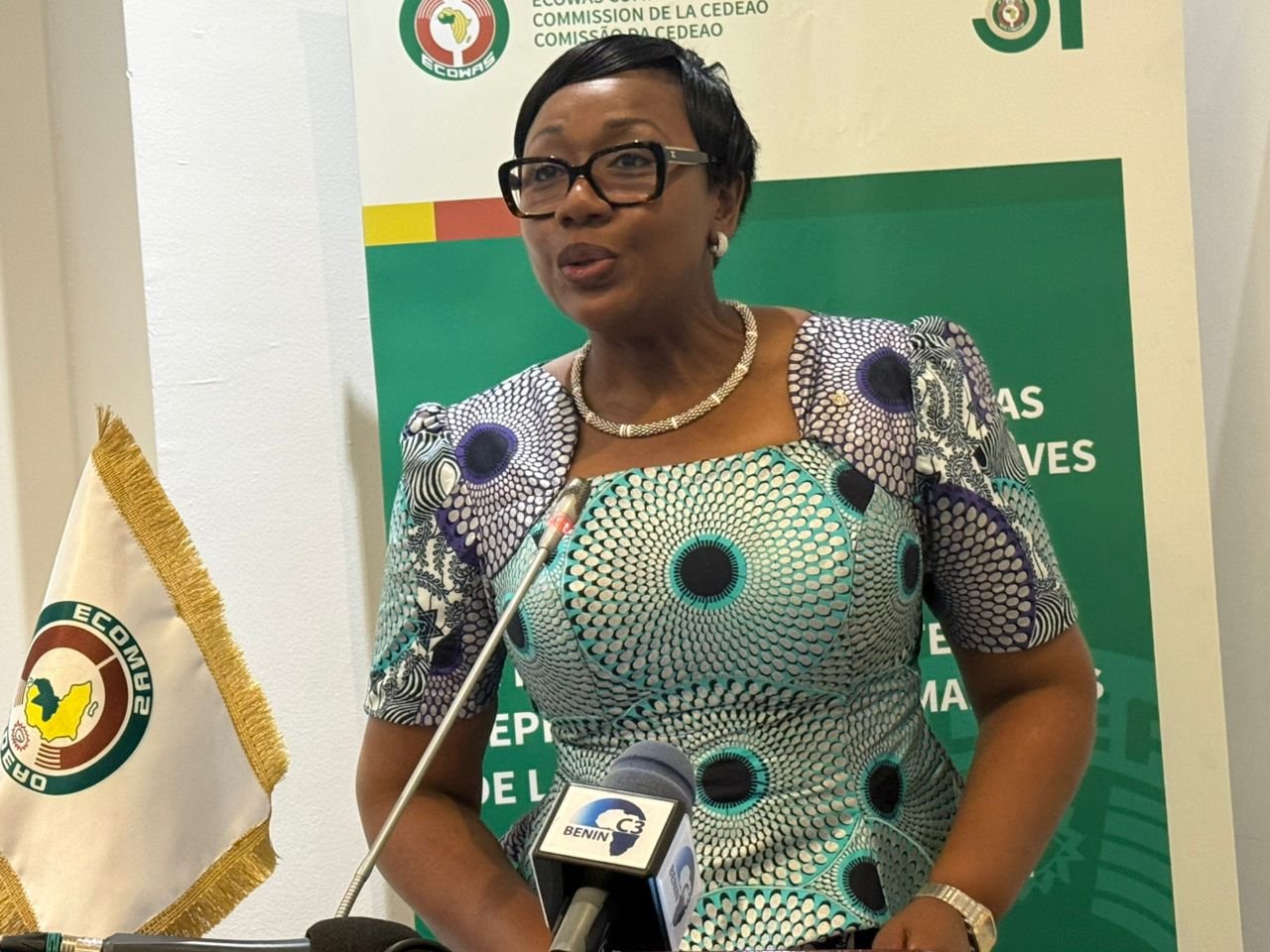
Speaking at the opening of the ECOWAS Committee of Permanent Representatives (COREP) sessions and the 7th Annual Retreat of the Committee in Cotonou, Ambassador Franck Afoukou, representing Benin’s Minister of Foreign Affairs, welcomed delegates and described the gathering as both timely and significant.
He conveyed the apologies of the Foreign Affairs Minister, who was unable to attend due to an official engagement, while extending the warm hospitality of the Government and people of Benin to participants.
According to Ambassador Afoukou, the retreat is taking place at a crucial period in the history of ECOWAS as the regional organization marks its 50th anniversary while confronting complex political, economic, and security challenges across West Africa.
“The future of ECOWAS is more than a discussion topic; it is a call for collective responsibility and strategic reflection,” he said.
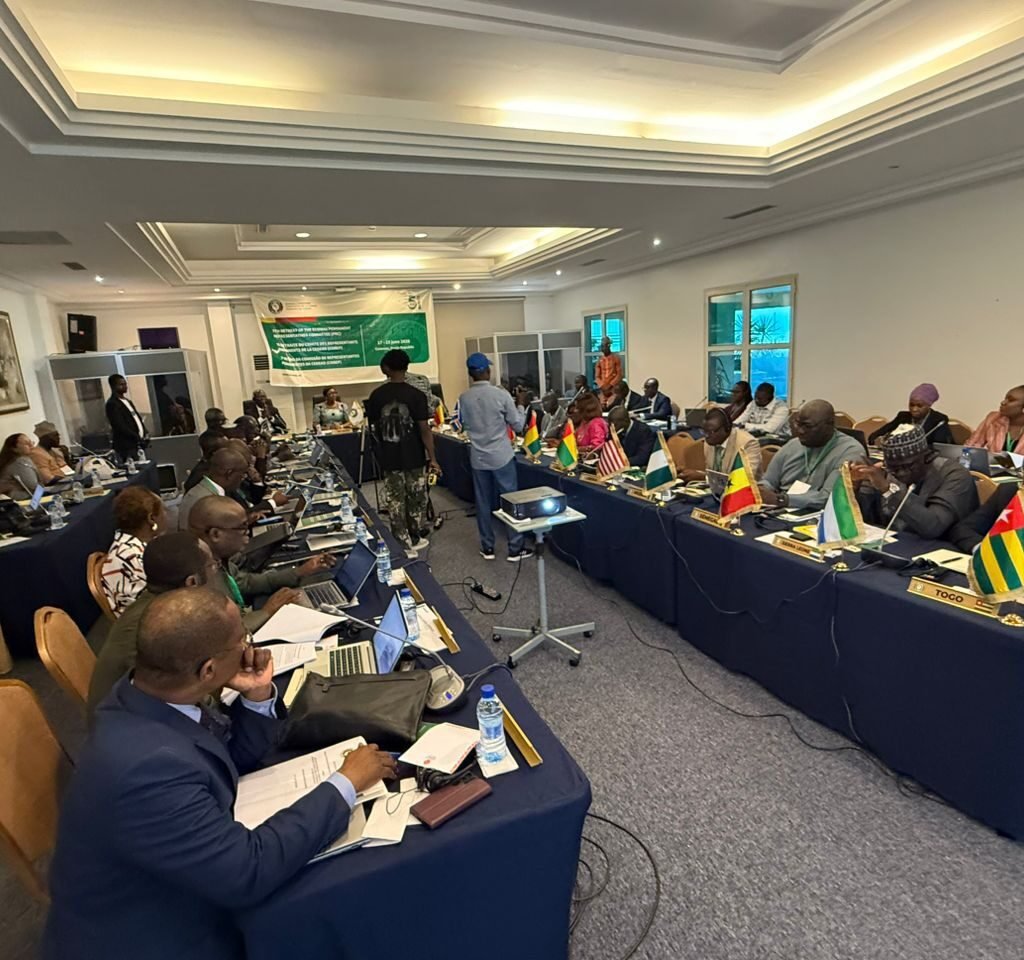
He stressed the need for the regional body to strengthen its credibility, adaptability, and effectiveness in responding to security threats, economic pressures, governance concerns, geopolitical shifts, and institutional challenges facing member states.
Addressing recent developments within the Community, Ambassador Afoukou acknowledged the withdrawal of some member states as a significant challenge requiring renewed efforts to preserve the vision of regional integration and cooperation.
He highlighted recent diplomatic engagements undertaken by Benin’s President, Romuald Wadagni, who embarked on consultations across the region aimed at fostering dialogue and strengthening relationships among West African nations.
According to him, the initiative demonstrates Benin’s belief that sustained political engagement, mutual understanding, and continuous dialogue remain essential tools for building trust among states and protecting the achievements of regional integration.
“The exchanges reaffirmed the commitment of our countries to the founding principles of solidarity, cooperation, and shared prosperity,” he noted.
The Ambassador further emphasized that isolationism cannot provide solutions to the region’s challenges, insisting that the strength of ECOWAS lies in unity and collective action.
While acknowledging the difficulties currently facing the region, he said the situation also presents an opportunity for member states to reinvent regional solidarity and refocus efforts on meeting the aspirations of West African citizens.
He also underscored the important role of Permanent Representatives in shaping the future of the organization and called on participants to contribute meaningfully toward building a more responsive, resilient, and people-centered ECOWAS.
As the Community celebrates five decades of existence, Ambassador Afoukou urged member states to preserve the gains of regional integration while embracing reforms necessary to address contemporary realities.
He identified free movement of persons, economic integration, peace and security, democracy, rule of law, and good governance as key pillars that must continue to guide ECOWAS’ actions and policies.
Expressing confidence in the outcome of the retreat, he said the deliberations in Cotonou would generate practical, innovative, and consensus-driven recommendations capable of strengthening the relevance and effectiveness of ECOWAS in a rapidly evolving regional landscape.
The COREP sessions and annual retreat are expected to contribute significantly to ongoing discussions on the future direction of ECOWAS as the regional body enters a new phase of integration, cooperation, and sustainable development.