
0-0x0-0-0-{}-0-0#
By Sarah Momoh
The Independent National Electoral Commission (INEC) has reduced the number of voters assigned to each Bimodal Voter Accreditation System (BVAS) machine from 1,250 to 850 ahead of the 2027 general elections.
The adjustment is aimed at reducing accreditation delays, preventing overcrowding at polling units and making voting easier for Nigerians.
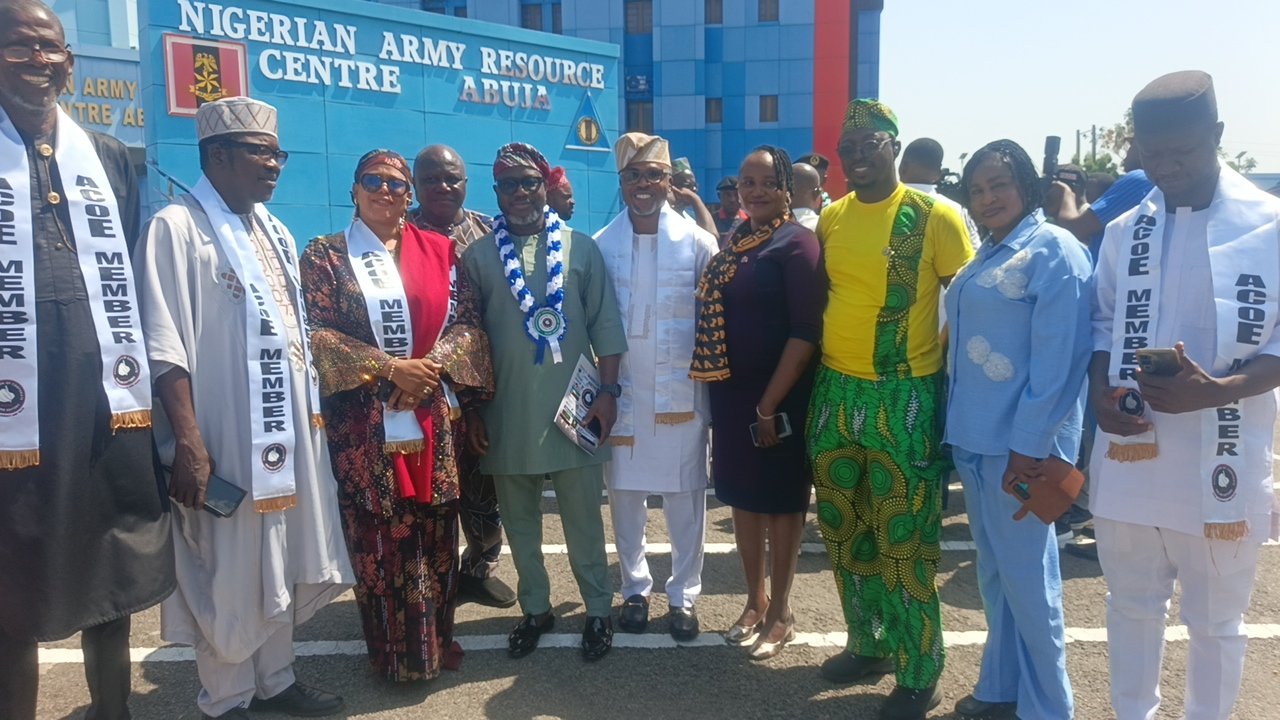
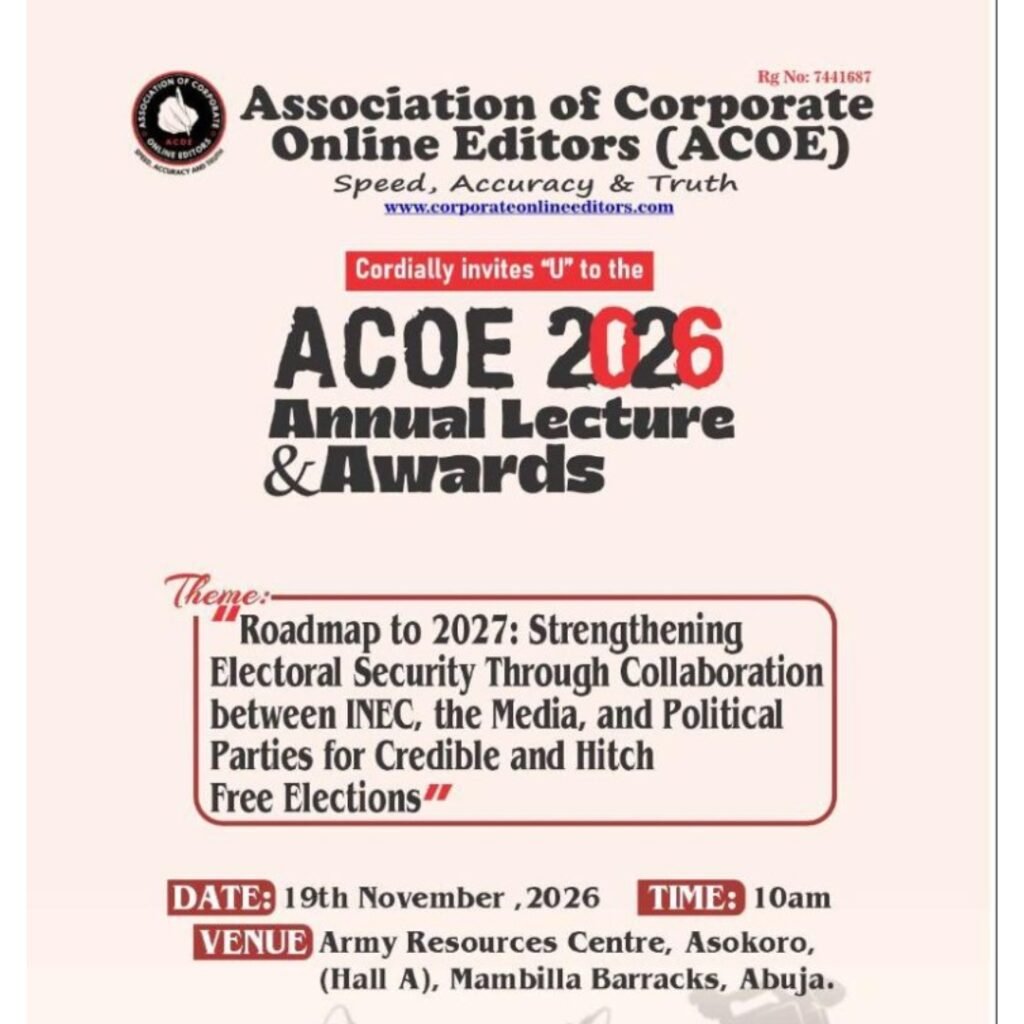
INEC Chairman, Professor Joash Amupitan, disclosed the development on Thursday, November 19, 2026, at the 2026 Annual Lecture and Awards of the Association of Corporate Online Editors (ACOE) in Abuja.
Amupitan, who was represented by his Chief Press Secretary, Adedayo Oketola, said the commission had also acquired 57,000 additional BVAS devices to strengthen its technological capacity ahead of the elections.
He added that INEC had established climate-controlled storage facilities across the states to ensure the proper preservation of its election technology and equipment.
The commission is also planning a nationwide mock accreditation and electronic result transmission exercise across the 36 states and the Federal Capital Territory to test its systems and identify possible weaknesses before election day.
According to the INEC chairman, the presidential and National Assembly elections will hold on January 16, 2027, while governorship and State Houses of Assembly elections are scheduled for February 6, 2027.
Amupitan said the commission had introduced automatic arithmetic consistency and over-voting checks into its result management system. The measures are designed to prevent results that fail validation from appearing on the INEC Result Viewing Portal.
He noted that INEC had also removed more than 1.6 million invalid, duplicate and deceased records from the national voter register.
The register currently contains 232,358 persons with disabilities, for whom the commission has introduced additional support arrangements to improve access to the electoral process.
INEC raises concern over election misinformation
Beyond its technological preparations, the commission expressed concern over the growing spread of misinformation, manipulated content and foreign information interference ahead of the 2027 elections.
Amupitan described disinformation as one of the major challenges facing election management, urging online media organisations to verify information before publication.
He disclosed that INEC had established a dedicated team within its Information and Communication Technology department to monitor system anomalies and address disinformation-related threats.
The chairman also called for stronger cooperation among INEC, media organisations and political parties to protect the credibility of the electoral process.
On election security, he said the Interagency Consultative Committee on Election Security was expanding its coordination structure to state, local government and ward levels.
The arrangement is expected to strengthen the protection of voters, election materials and approximately 1.41 million ad hoc personnel expected to participate in the elections.
Amupitan stressed that election security goes beyond deploying security personnel on election day, adding that institutional accountability, responsible political conduct and effective information management are equally important.
He warned political parties against hate speech, intimidation, threats and violence during campaigns.
Describing elections as a democratic process rather than a battle for political power, he urged political actors and their supporters to avoid actions capable of threatening lives and property.
“This is an election. It is not a do or die affair. Nobody should take the law into their own hands,” he warned.
He also cited Sections 96 and 97 of the Electoral Act 2026, which prohibit abusive and violence-inciting campaign activities, as well as the use of private guards and masqueraders at political rallies.
Amupitan further noted that Section 148 provides for direct prosecution by INEC after receiving relevant case files from security agencies.
He called on political parties to ensure discipline among their members and supporters, while reaffirming the commission’s commitment to impartiality and compliance with the Constitution and Electoral Act.
NOA, media leaders call for responsible election reporting
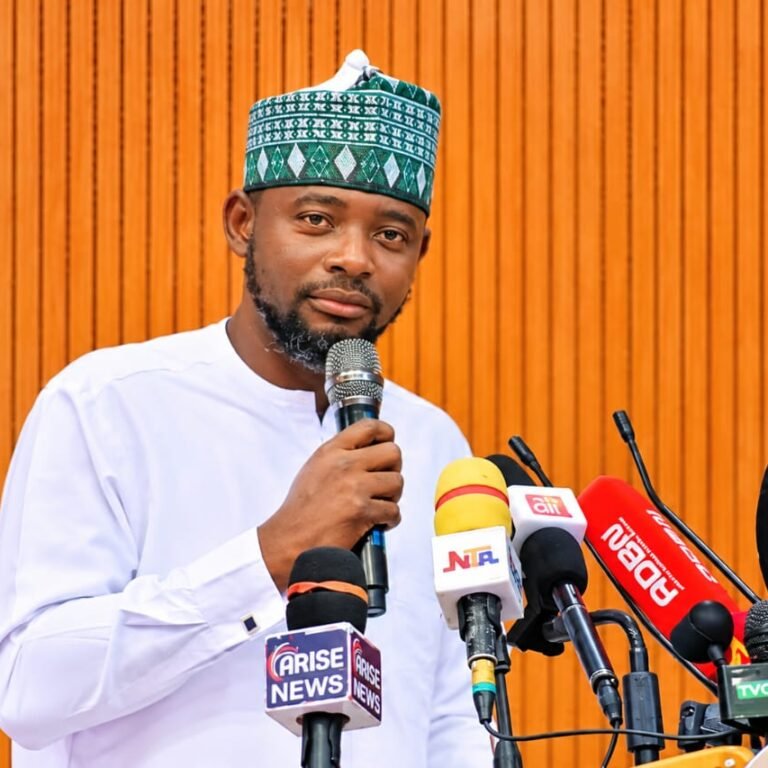
Also speaking at the event, the Director-General of the National Orientation Agency (NOA), Lanre Issa-Onilu, urged media organisations to promote national unity and responsible political discussions ahead of the elections.
Issa-Onilu cautioned journalists against reports that exploit ethnic and religious differences to create political tension.
He encouraged media practitioners to prioritise factual reporting, public enlightenment and responsible communication as political activities gather momentum.
“The media must be a force for enlightenment, not an instrument for polarisation. Unverified information should never be allowed to masquerade as credible news,” he said.
He also urged political parties to focus their campaigns on policies and development issues rather than personal attacks and divisive rhetoric.
Similarly, Chairman of Arise News Television, Nduka Obaigbena, called on online publishers to uphold professional standards and ethical journalism.
Obaigbena, represented by the network’s Director of News and Politics, Shagari Sambo, warned against sensational reporting, ethnic-based journalism and the misuse of artificial intelligence to manipulate information.

He reminded online publishers that operating on digital platforms did not exempt them from the professional and legal responsibilities expected of traditional media practitioners.
Earlier, ACOE Chairman, Sola Akingboye, said the association was established to promote professionalism, credibility and self-regulation among online media practitioners.
He explained that self-regulation was intended to strengthen public confidence in digital journalism rather than undermine press freedom.
The Executive Secretary of the National Commission for Colleges of Education, Dr Angela Ajala, represented by Ameh Oche, formally declared the lecture open and highlighted the importance of teachers and education to national development.
The event also featured the unveiling of the maiden edition of the ACOE Magazine and the presentation of awards to individuals recognised for their contributions to society.