
By Gabriel Ameh
Stakeholders in Nigeria’s democratic process have called for stronger political parties, internal discipline and sustained anti-corruption reforms, warning that the country’s democratic future depends on accountable leadership and credible institutions ahead of the 2027 general elections.
The call was made at an International Stakeholders Engagement Forum on Anti-Corruption, Party Building and Democratic Governance, organised by the Diplomatic Correspondents’ Association of Nigeria (DICAN) in Abuja.
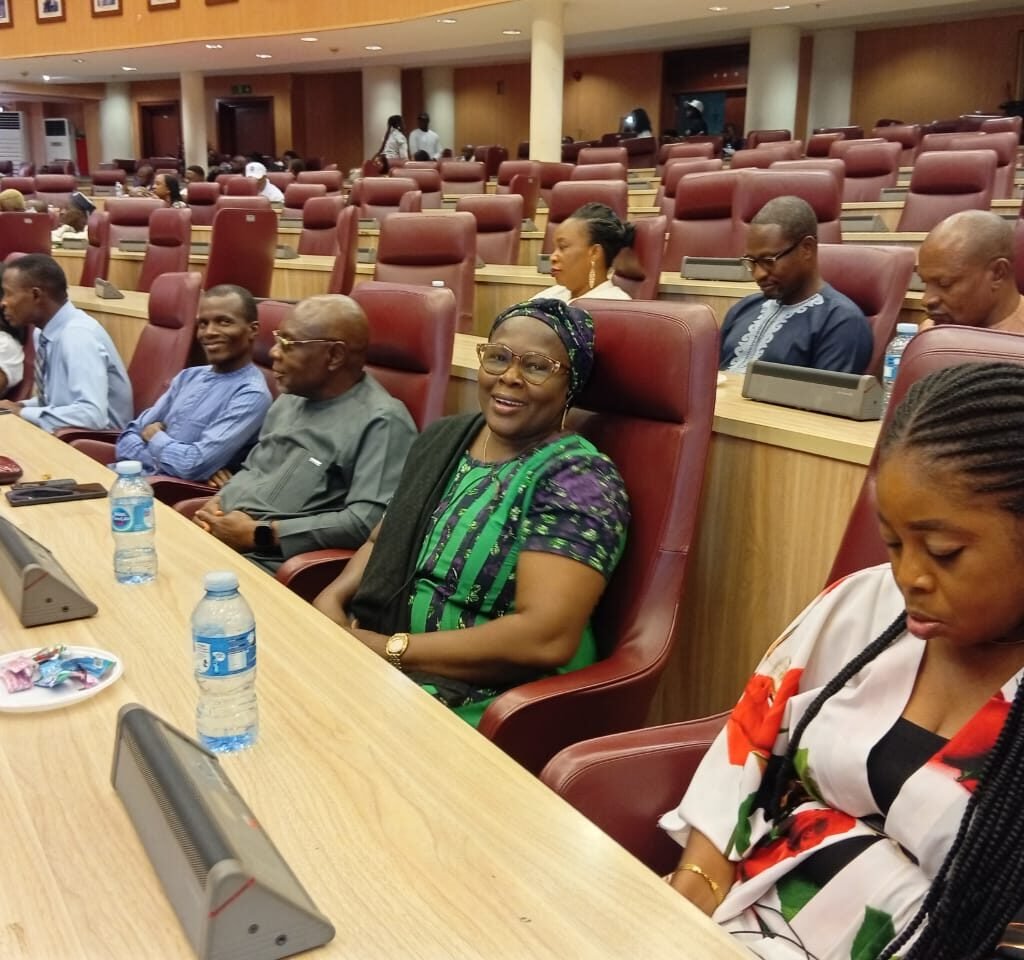
The forum, themed “Nigeria’s 2027 Poll: Promoting Party Organisation, Discipline and Anti-Corruption Reforms: Lessons from Xi Jinping Thought,” brought together diplomats, government officials, political stakeholders, academics, civil society organisations, anti-corruption advocates and journalists.
Participants examined how Nigeria could strengthen democratic institutions, improve political party organisation and promote accountability in public office.
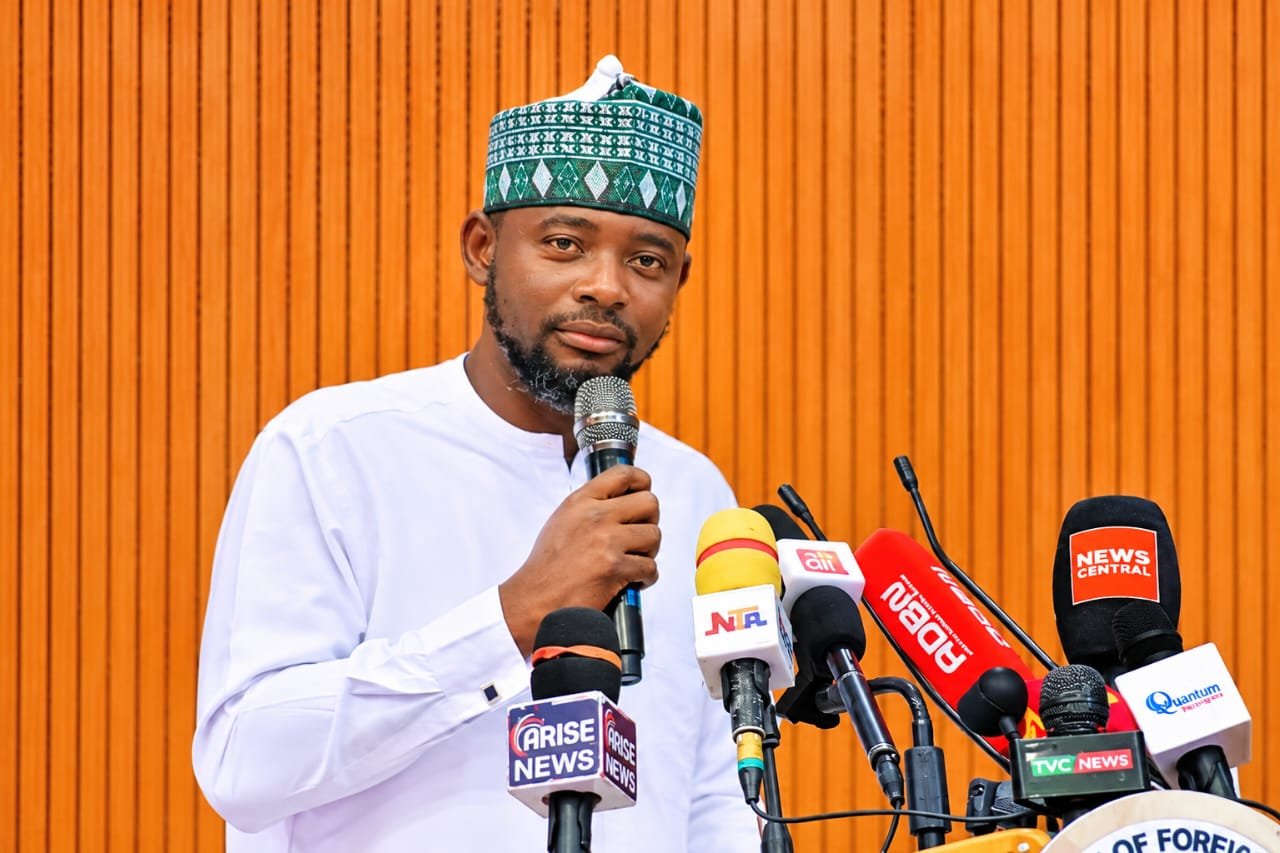
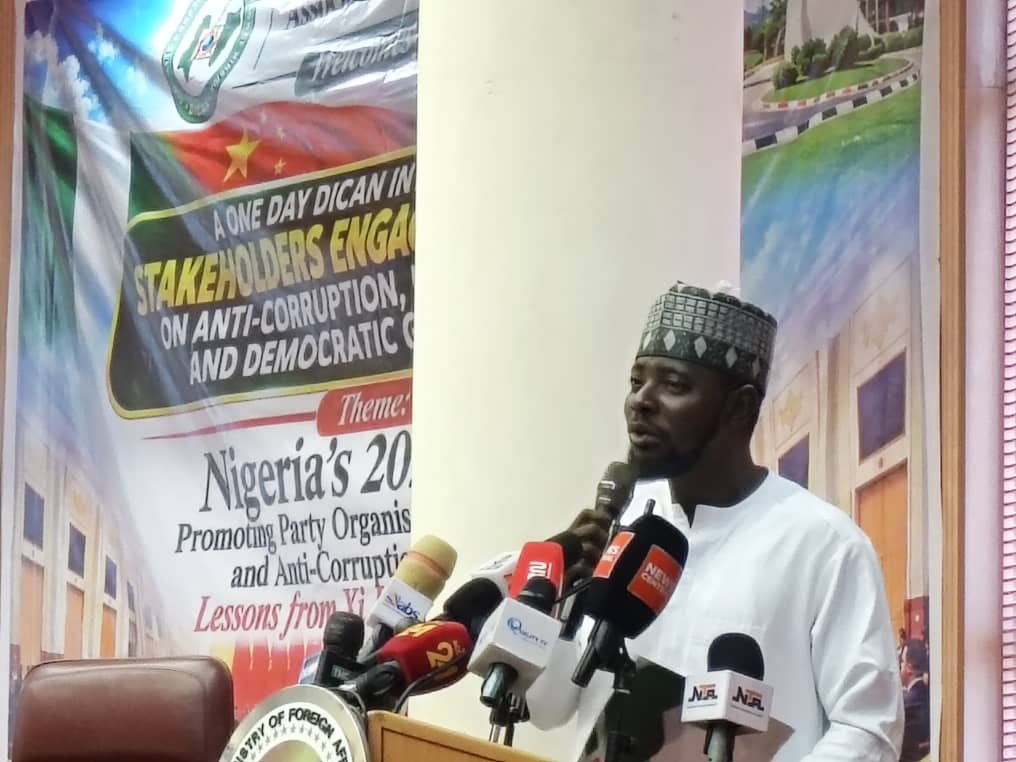
Declaring the event open, DICAN Chairman, Frederick Idehai, said preparations for the 2027 elections must go beyond election-day activities to address the institutional weaknesses affecting Nigeria’s democracy.
He identified strong institutions, principled leadership, responsible political parties, active citizenship and commitment to national interest as essential foundations for democratic stability and development.
Idehai said Nigeria could draw useful lessons from China’s governance experience without necessarily adopting its political system.
He explained that China’s political framework operates under the leadership of the Communist Party of China, with other legally recognised political parties participating in political consultation and state affairs.
Also speaking, the Chairman of the Nigeria Union of Journalists (NUJ), FCT Council, Grace Ike, represented by the Vice Chairman, Yahaya Ndambabo, described political party organisation, internal discipline and public accountability as critical to Nigeria’s democratic future.
Ndambabo commended DICAN for organising the engagement, noting that discussions on party reforms and anti-corruption had become particularly important as the 2027 elections approached.
He highlighted three areas requiring urgent attention: stronger political party structures, impartial enforcement of anti-corruption laws and a more active media role in promoting transparency.
According to him, political parties remain the gateway to public office, making transparent primaries, clear internal rules and consequences for misconduct necessary for producing credible political leaders.
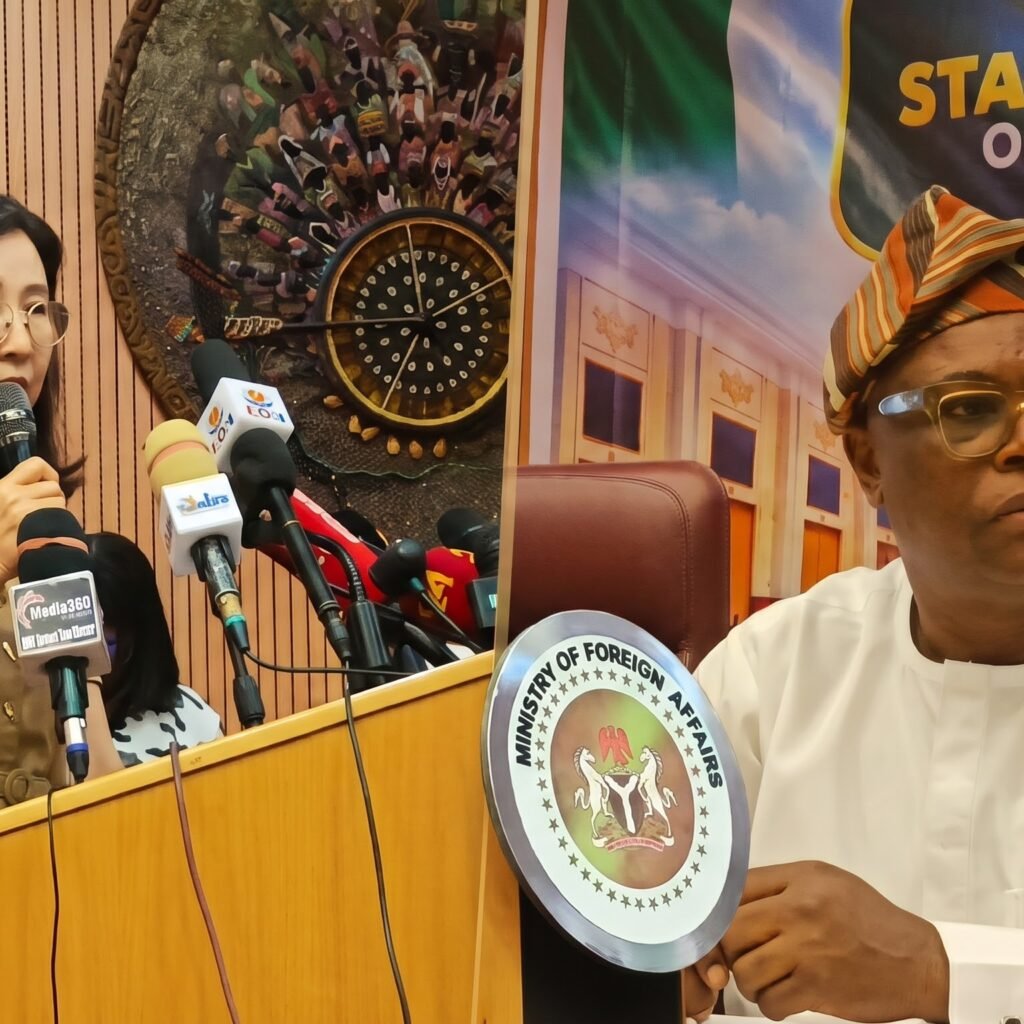
Counsellor at the Chinese Embassy in Nigeria, Dong Hairong, highlighted China’s approach to party discipline and anti-corruption, describing internal accountability as essential to effective governance and public confidence.
She said the Fifth Plenary Session of the 20th Central Committee of the Communist Party of China adopted a resolution on advancing full and rigorous party self-governance.
According to her, the resolution outlined measures to strengthen the party’s governing capacity, protect its integrity and maintain its connection with the people.
Hairong maintained that political parties must regularly review their internal structures, address weaknesses and hold members accountable to sustain public trust.
The Minister of State for Foreign Affairs, Ambassador Sola Enikanolaiye, represented by Assistant Director of Administration, Mahmud Aliyu, described anti-corruption and party building as fundamental pillars of democratic governance.
He said both were necessary for strengthening democratic institutions, promoting inclusive political participation, upholding the rule of law and improving transparency and accountability.
In a presentation titled “Nigeria’s Governance Prospects and Insights of the Xi Jinping Thought,” Director of the Centre for China Studies, Abuja, Dr Charles Onunaiju, argued that effective governance required more than good intentions.
He stressed the importance of discipline, institutional accountability, knowledge and sustained commitment to public service.
Quoting a Chinese governance philosophy, Onunaiju said, “Governing a big country is as delicate as frying a small fish.”
He explained that China’s experience highlighted the importance of building institutions that prevent corruption, enforce accountability and make corrupt practices difficult to sustain.
He identified three major dimensions of China’s anti-corruption approach: creating an environment that discourages corruption, establishing institutional mechanisms that make it difficult to occur and enforcing strict consequences for offenders.
However, he stressed that Nigeria must consider its own history, political realities and institutional challenges when applying lessons from China’s governance experience.
Similarly, Dr Austin Maho of Daybreak Newspaper called on Nigerian political parties to strengthen their internal structures and leadership ahead of the 2027 general elections.
Speaking on “Nigeria’s 2027 Polls: Promoting Party Organisation, Discipline and Anti-Corruption – Lessons from Xi Jinping’s Thought,” Maho argued that a stronger democracy required political parties with identifiable structures, internal discipline and credible leadership.
Drawing from the experience of China’s Communist Party, he said organisational discipline could promote unity, discourage corruption and improve public confidence.
He acknowledged, however, that Nigeria operates a multiparty democratic system, unlike China’s political structure, and should therefore adapt relevant lessons without abandoning its own democratic framework.
The engagement provided a platform for stakeholders to examine the role of political party reforms, anti-corruption measures, responsible journalism and accountable leadership in strengthening Nigeria’s democracy ahead of the 2027 elections.