
MEDIA360IMPACT | 2027 ELECTION EXPLAINER
As Nigeria prepares for the 2027 General Election, millions of citizens will once again have the opportunity to decide who occupies some of the country’s most powerful political offices.
But beyond the campaigns, political rallies, posters, promises and party slogans, an important question deserves attention: What exactly are Nigerians voting for in 2027?
For many citizens, elections are mainly about choosing a president or supporting a preferred political party. However, Nigeria’s general election involves much more than the presidential contest.
Voters will be making decisions about the leadership of the country, their states and the people who represent them at the National Assembly and State Houses of Assembly.
Understanding these positions is important because each office carries different responsibilities and powers that can directly affect people’s daily lives.
1. The President: Who leads Nigeria?
One of the most closely watched contests in the 2027 General Election will be the presidential election.
The President is the Head of State, Head of Government and Commander-in-Chief of the Armed Forces of the Federal Republic of Nigeria.
The office carries responsibility for providing national leadership, directing the Federal Government, implementing federal policies and coordinating the country’s response to major national challenges.

Decisions taken by the President and the Federal Government can influence national security, foreign relations, economic policies, federal infrastructure, public spending and other important areas.
When Nigerians vote for president, they are choosing the individual who will lead the executive arm of the Federal Government for the next four-year constitutional term, subject to the Constitution.
2. State Governors: Who governs your state?
While the President leads the Federal Government, governors are responsible for leading the executive governments of their respective states.
Nigeria has 36 states, each headed by an elected governor.
Governors play important roles in areas such as state infrastructure, healthcare, education, agriculture, local economic development, security coordination and the management of state resources, within their constitutional powers.
For residents, decisions made by state governments can have a direct impact on the quality of public schools, hospitals, roads, water supply and other public services.
This is why the governorship election is just as important to citizens as the presidential contest, even though it receives less national attention in some political discussions.
3. Senators: Who represents your state at the Senate?
The National Assembly is Nigeria’s federal lawmaking institution. It consists of two chambers: the Senate and the House of Representatives.
The Senate has 109 members representing the states and the Federal Capital Territory.
Each of Nigeria’s 36 states elects three senators, while the FCT elects one senator.
Senators participate in making federal laws, scrutinising government activities, approving certain presidential appointments and performing other constitutional responsibilities.
They also represent the interests of their constituencies and participate in decisions on national issues.
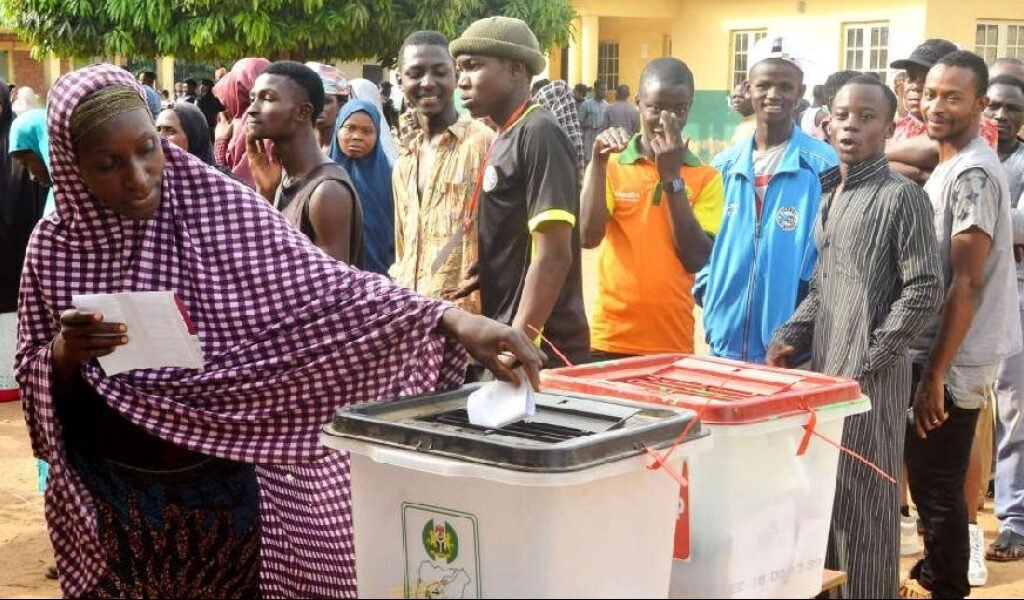
When citizens vote for senators, they are choosing people who will represent their interests in the upper chamber of the National Assembly.
Members of the House of Representatives: Who speaks for your constituency?
The House of Representatives is the second chamber of the National Assembly.
Its 360 members represent federal constituencies across the country.
Members of the House participate in making laws, approving public expenditure, investigating matters of public importance and overseeing government institutions.
They are expected to represent the interests and concerns of their constituencies in national discussions and legislative decisions.
For example, issues affecting communities, including infrastructure, employment, education, healthcare and public services, can be raised through their representatives.
A vote for a House of Representatives candidate is therefore a decision about who will represent your constituency at the federal level.
State House of Assembly members: Who makes laws in your state?
Every state in Nigeria has a State House of Assembly.
Members of the State House of Assembly are elected to represent constituencies within their respective states.
Their responsibilities include making laws on matters within the powers of state governments, approving state budgets and exercising oversight over state government activities.
They also perform important constitutional functions relating to accountability and the administration of their states.
These legislators can influence decisions concerning education, healthcare, infrastructure and other matters that fall within the legislative authority of the state.
Their work is particularly important because many government decisions affecting citizens are made at the state level.
What about elections in the Federal Capital Territory?
Residents of the Federal Capital Territory also participate in elections.
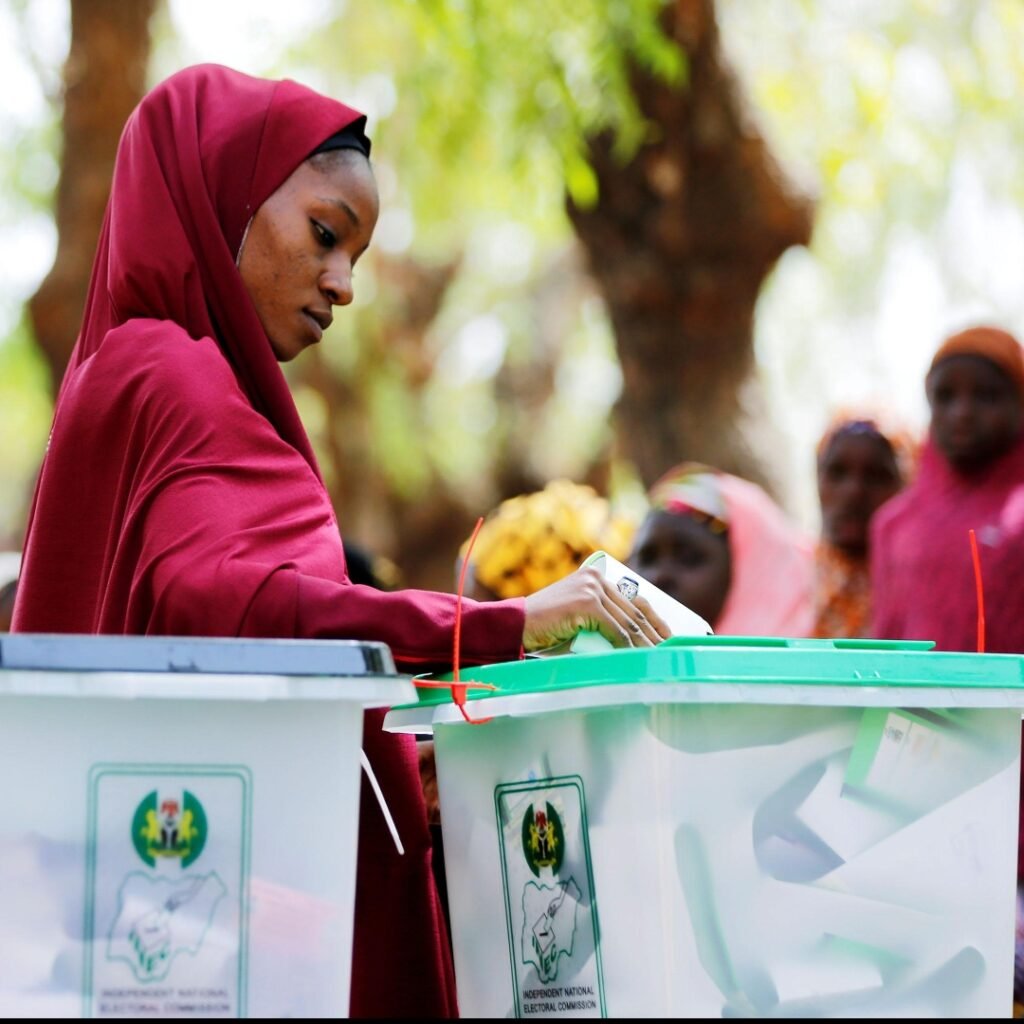
The FCT has a unique constitutional administrative arrangement. It does not have an elected state governor or a State House of Assembly like Nigeria’s 36 states.
However, FCT residents participate in presidential and National Assembly elections, including the election of a senator and members of the House of Representatives.
The FCT also has elections for its area council leadership and councillors, which are conducted separately from the general elections.
Why should citizens understand these positions before voting?
One major problem with election campaigns is that political discussions sometimes focus almost entirely on the presidential contest.
However, Nigeria’s political system distributes responsibilities across different levels and arms of government.
A president cannot independently perform every responsibility of a state governor. A senator does not administer a state, and a member of the House of Representatives does not automatically have the authority to execute government projects.
Understanding these differences can help voters avoid unrealistic expectations and hold elected officials accountable for the responsibilities of their offices.
It also helps citizens assess candidates based on their experience, competence, track records, policy proposals and understanding of the responsibilities they seek to perform.
What should Nigerians consider before voting?
Before choosing a candidate in 2027, citizens should consider the following:
- What constitutional responsibilities does the office carry?
- Does the candidate understand the problems facing the people they intend to represent?
- What has the candidate achieved in previous public or professional responsibilities?
- Are their campaign promises realistic and achievable?
- Do their proposals address the needs of ordinary Nigerians?
- Are they willing to be accountable to the people after winning?
Voters should also avoid allowing ethnic, religious, financial or political sentiments to replace careful consideration of candidates and their records.
The takeaway
The 2027 General Election is not just about choosing who becomes Nigeria’s next President.
It is also about deciding who governs your state, who makes laws on your behalf, who represents your constituency and who will be responsible for important public decisions over the next four years.
Every position matters because every level of government has responsibilities that can affect the lives of ordinary Nigerians.
An informed vote begins with understanding the office you are voting for.
Before you support a candidate, understand the responsibilities attached to the position they seek.
Media360Impact — Stories That Matter to Ordinary Nigerians.