
By Gabriel Ameh
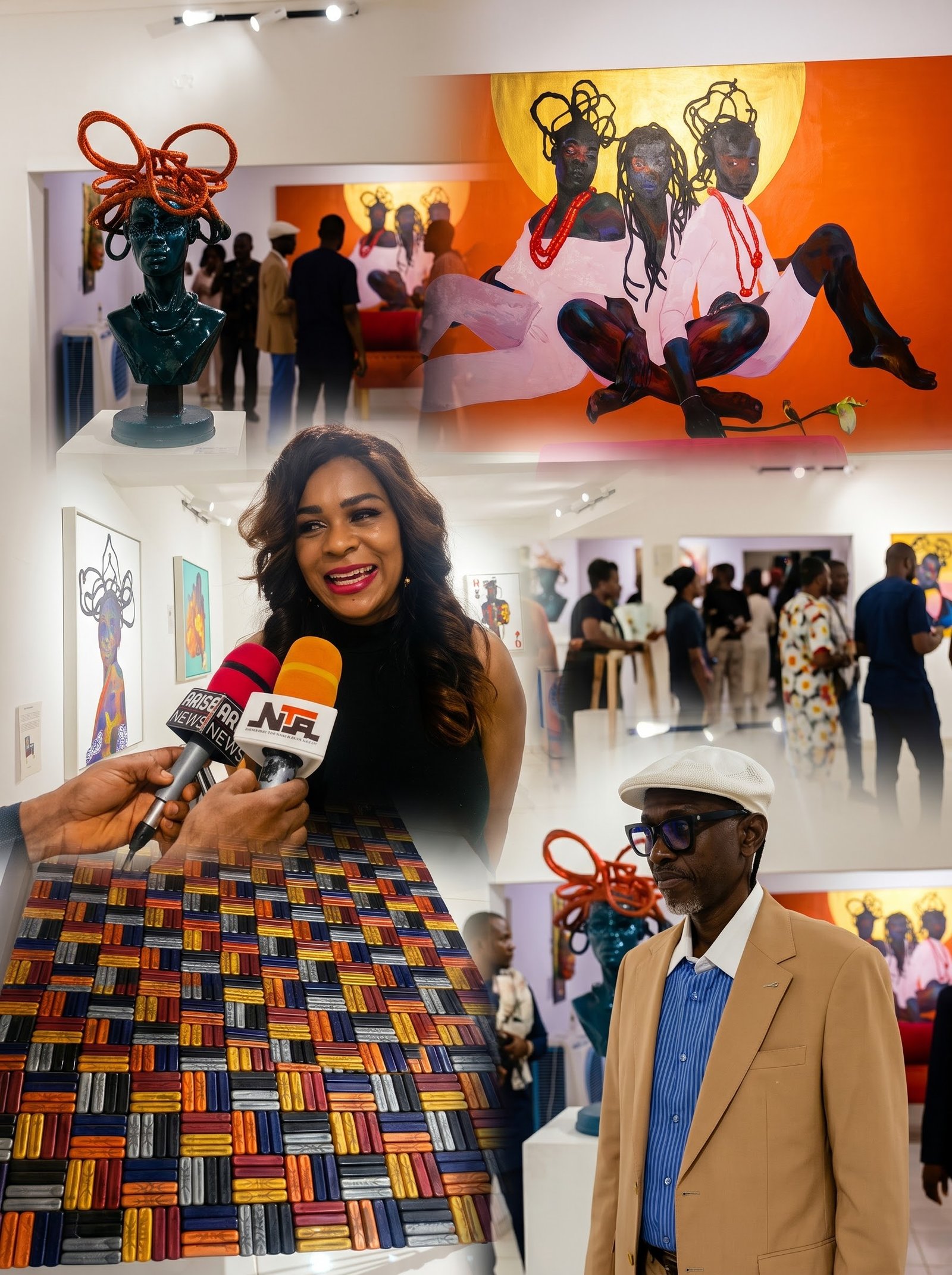
An art exhibition in Abuja is bringing together contemporary visual art, furniture design and African cultural expression, offering visitors an opportunity to explore how objects, human figures and everyday spaces reflect identity, memory and lived experiences.
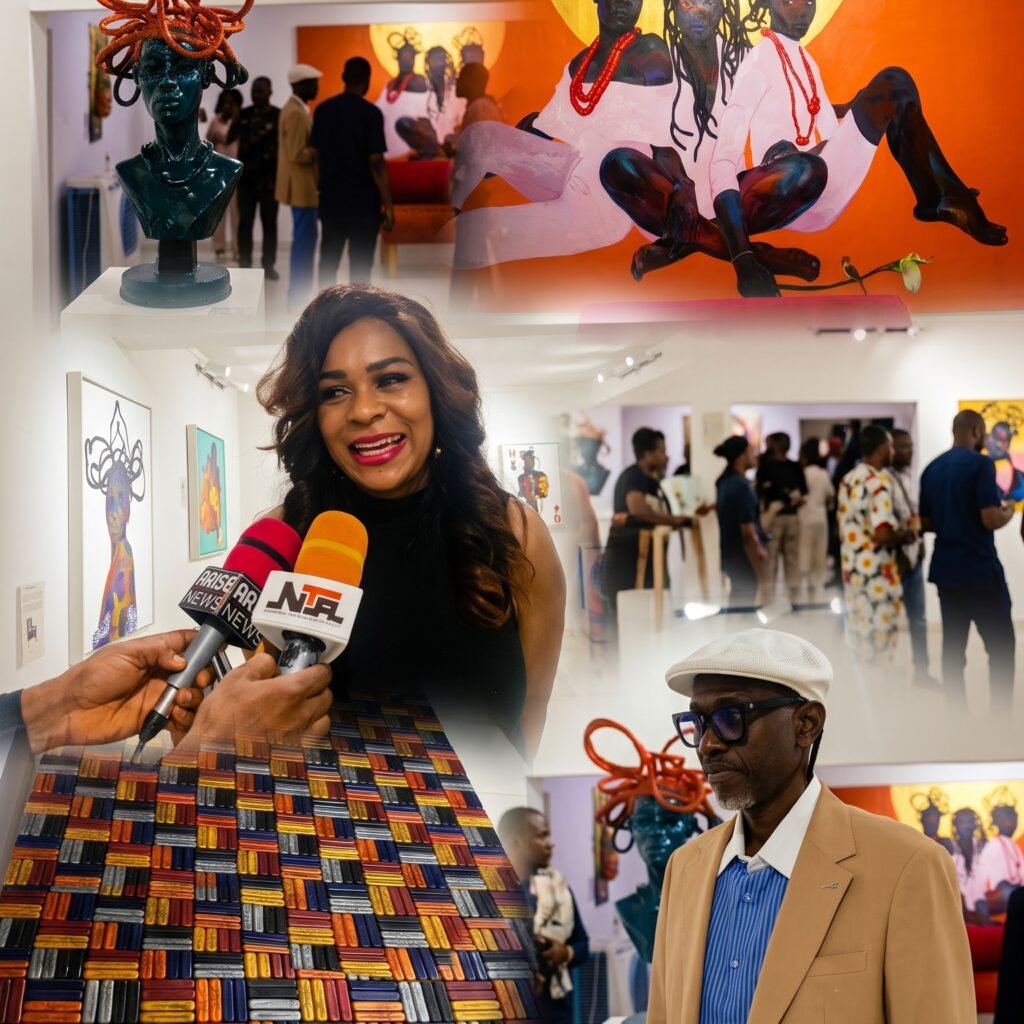
Titled “INHABITED FORMS: OBJECTS. FIGURES. ROOMS.”, the exhibition features the creative works of artists Timi Kakandar and Gbemi Elekula, whose different artistic practices converge around the relationship between people, objects and the spaces they inhabit.
While Kakandar explores the human figure, African cultural identity, symbolism and the expressive possibilities of hair and adornment, Elekula approaches creativity through furniture, interior spaces and everyday objects, examining how functional items can carry deeper meanings beyond their immediate purposes.
In his artist statement, Kakandar describes the human figure as a vessel for ideas, identity, memory and lived experiences.
His artistic practice examines the invisible experiences that shape human existence, including personal histories, cultural references, relationships, transformation and belonging.
He also explores how the human body can become a landscape for imagination, with hair serving as an artistic language capable of transforming into architectural forms, gardens, machines and other imaginative structures.
His movement into sculpture has further expanded this exploration through the use of fibreglass, metal, plastic and other unconventional materials, creating works that challenge familiar perceptions of the human figure.
For Kakandar, art goes beyond representing what people see. It is also about giving physical expression to experiences and ideas that cannot always be seen.
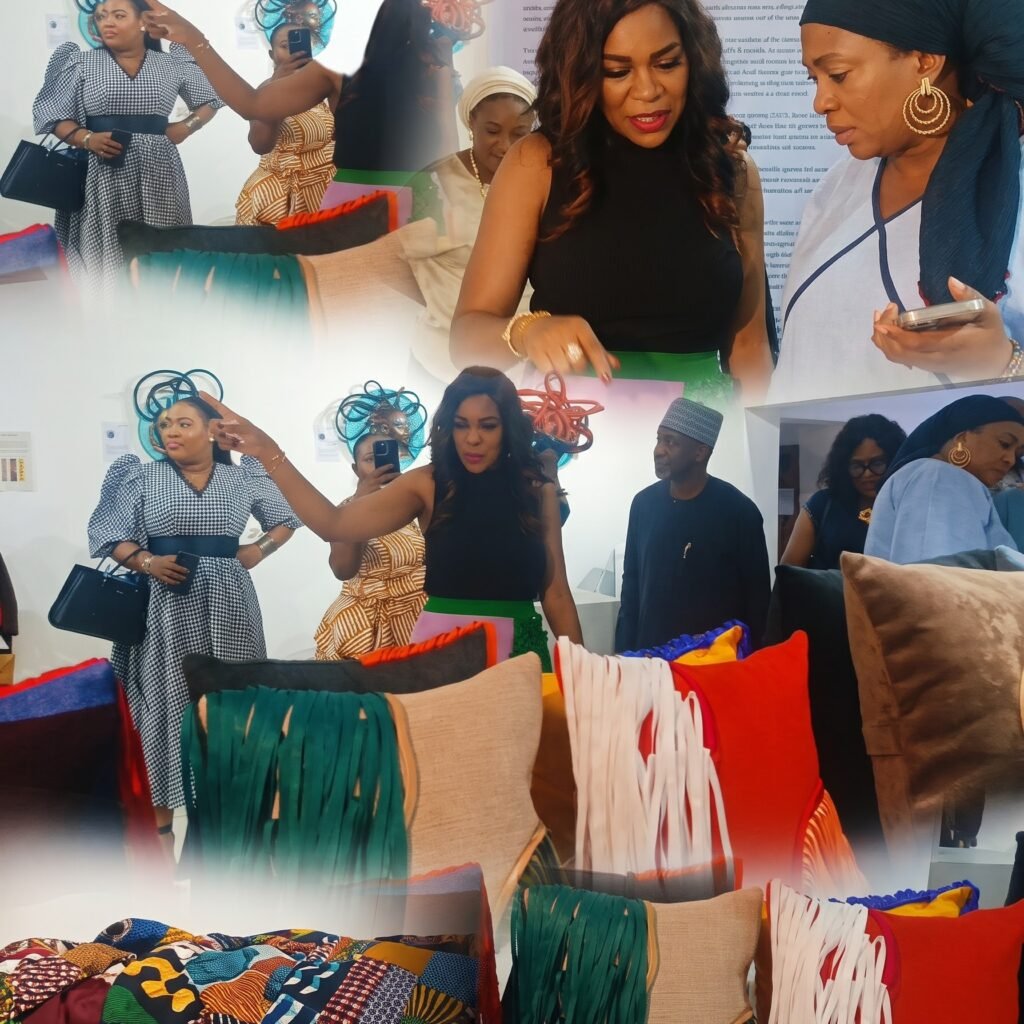
Similarly, Elekula’s practice explores the relationship between people and their surroundings, particularly how furniture and everyday objects become part of personal histories and experiences.
Tracing her creative journey to 2012, Elekula explains that her work has evolved from transforming interior spaces through design to exploring objects as expressions of thought, identity and emotion.

She views furniture as more than functional household items, describing tables and chairs as objects that occupy personal spaces, witness daily routines and become part of people’s intimate experiences.
Through material, form, texture, pattern and unexpected visual references, she seeks to challenge conventional perceptions of furniture and expand how everyday objects can be experienced.
Her approach also examines the relationship between function and expression, structure and spontaneity, and familiarity and reinvention.
The exhibition therefore brings two different creative disciplines into conversation, encouraging audiences to reconsider the meanings attached to familiar objects, figures and spaces.
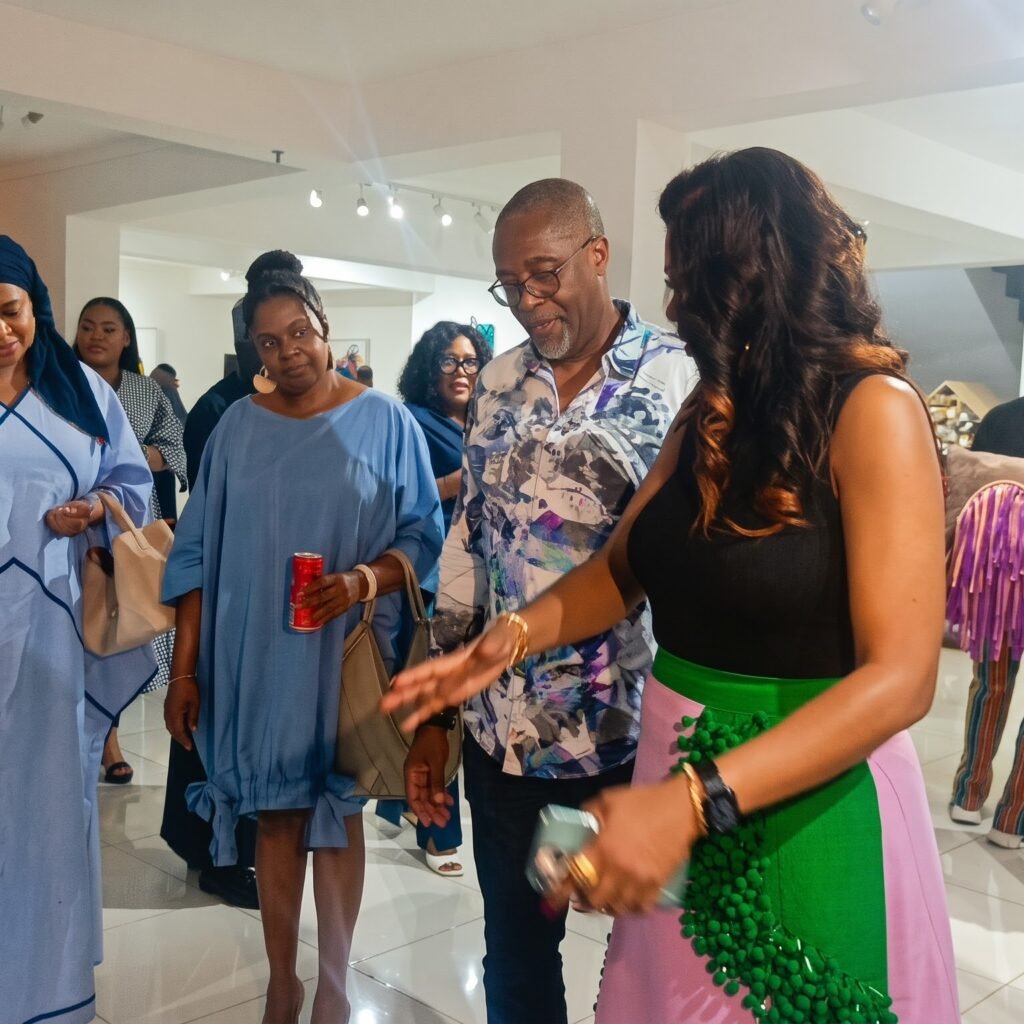
Speaking during an interview, Toapheek Babayeju welcomed the collaboration, describing the coming together of the two artists as an impressive creative experience, particularly for Abuja’s growing art and cultural scene.
He noted that the combination of different artistic approaches offered an opportunity to appreciate creativity and artistic expression in new ways.
Babayeju also highlighted the importance of African originality and cultural expression, arguing that Africans can achieve extraordinary creative results without necessarily adding exaggerated cultural elements to their work.
He pointed to the international visibility of Afrobeats and Nollywood as examples of how African creativity, indigenous influences and original expressions continue to attract attention beyond the continent.
According to him, African identity and originality remain important strengths that can shape the future of creative expression across different artistic disciplines.
Beyond the individual works, INHABITED FORMS invites audiences to reconsider their relationship with the objects and spaces around them and recognise how these elements can preserve memories, reflect identities and influence everyday experiences.
By bringing visual art and furniture design together, the exhibition presents creativity as a conversation between the artist, the material, the object and the people who encounter it.
It also reinforces the importance of contemporary African artists exploring new ways to communicate identity, culture and human experiences through different forms of artistic expression.