
Gabriel Ameh
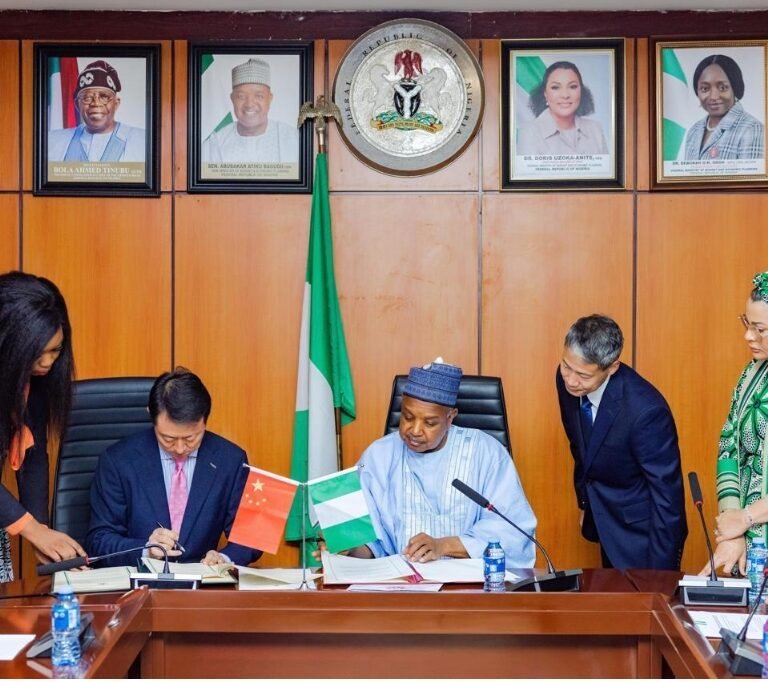
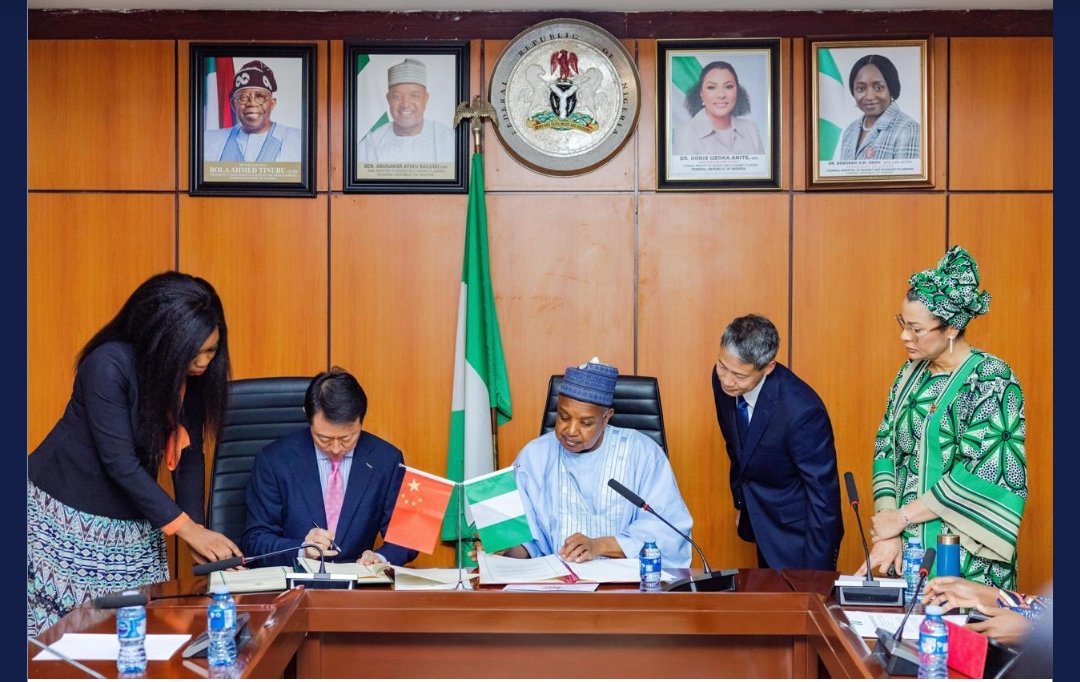
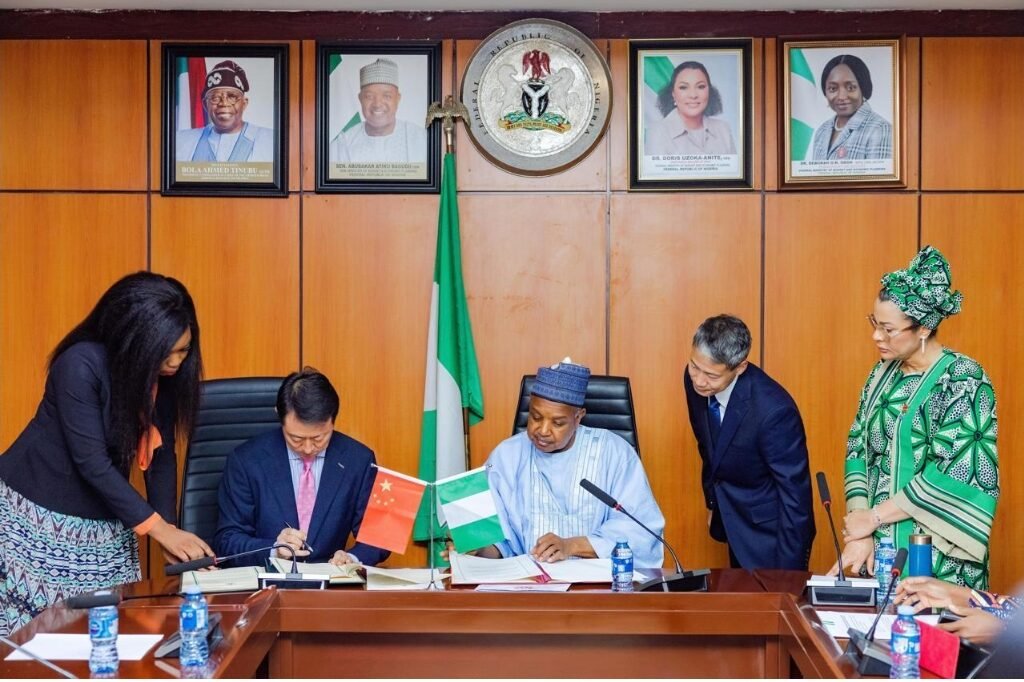
China has signed a 200 million yuan (approximately $30 million) grant agreement with Nigeria to support development projects aimed at improving living conditions and delivering direct benefits to communities across the country.
The agreement, signed on Thursday, October 29, 2026, at the Federal Ministry of Budget and Economic Planning in Abuja, is expected to fund small-scale projects with the potential to deliver quick and measurable results.
Chinese Ambassador to Nigeria, Yu Dunhai, described the initiative as part of the longstanding strategic partnership between both countries, stressing that the projects would focus on practical interventions that directly benefit ordinary Nigerians.
He explained that the funds would be allocated to projects jointly selected by the Nigerian and Chinese governments, particularly initiatives requiring modest investments but capable of producing visible results.
“We call them small but beautiful, meaning projects with less input, quick returns, and direct benefit to the livelihood of Nigerian people,” Yu said.
The ambassador expressed confidence that Nigeria would ensure the funds were properly utilised, with priority given to development needs at the community level.
He added that the agreement was part of efforts to implement commitments reached by both countries’ leaders, including outcomes of the Forum on China-Africa Cooperation (FOCAC) summit in Beijing.
Yu also highlighted China’s zero-tariff policy for Nigerian and other African products, which took effect on May 1, 2026.
According to him, bilateral trade between Nigeria and China reached $18 billion in the first half of 2026, with Nigerian exports recording significant growth following the introduction of the policy.
He said the preferential access to China’s consumer market could create opportunities for Nigerian exporters, attract investments and strengthen the country’s industrial capacity.
The ambassador urged both governments to maximise the remaining period of the zero-tariff arrangement by negotiating an economic development partnership agreement before the current arrangement expires on May 1, 2028.
In his response, Minister of Budget and Economic Planning, Senator Abubakar Atiku Bagudu, appreciated the Chinese government for its continued support towards Nigeria’s development.
Bagudu described the agreement as an important step in strengthening economic cooperation between both countries, noting that Nigeria must now ensure the financial assistance translates into meaningful improvements in people’s lives.
“Our responsibility is now to translate this commitment into tangible benefit for all Nigerians,” he said.
The minister disclosed that his ministry, working with the China-Nigeria Strategic Partnership Office, had been identifying potential projects across states under the initiative.
He said efforts would be accelerated to compile the proposed projects and ensure that the grant supports initiatives capable of delivering measurable benefits to local communities.
Bagudu also recalled that Nigeria received an earlier $1 million assistance package from China in 2026, with procurement processes nearing completion.
He further welcomed China’s zero-tariff policy, expressing optimism that it would expand trade opportunities and create better prospects for Nigerian producers and exporters.
The latest agreement represents another step in Nigeria-China development cooperation. However, its real impact will depend on how effectively the funds are deployed and whether the selected projects deliver measurable improvements in the lives of Nigerians.