
Media360impact Editorial of the week
There was a time when employment symbolized hope in Nigeria. Parents encouraged their children to stay in school with the assurance that education would lead to a good job, and a good job would lead to a better life. Hard work was expected to bring stability, dignity, and the opportunity to build a future.
Today, for millions of Nigerians, that promise is becoming increasingly difficult to believe.
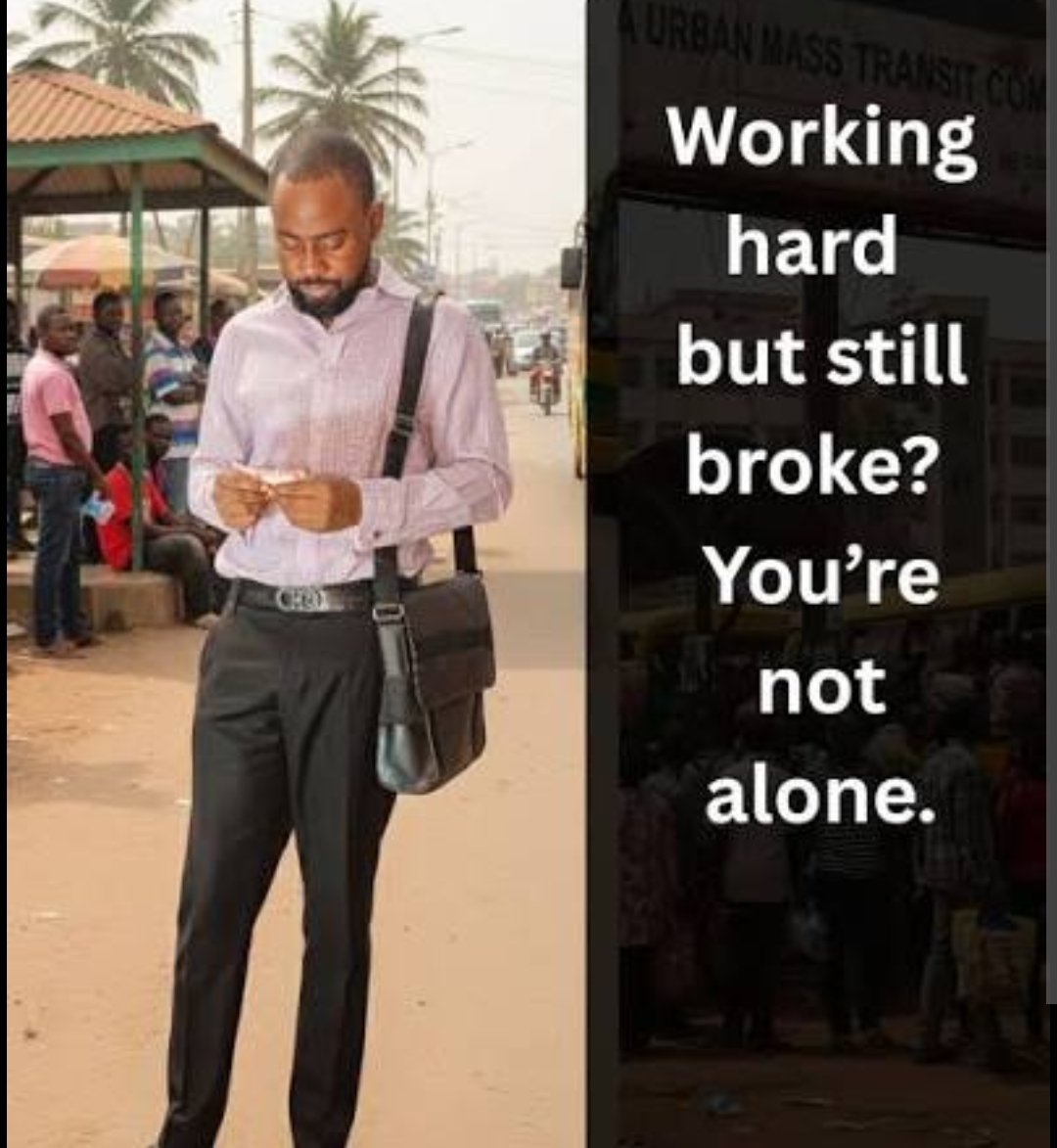
Across the country, teachers, nurses, journalists, civil servants, police officers, factory workers, drivers, cleaners, bank employees, artisans, and countless other hardworking citizens wake before sunrise, endure long commutes, put in full days of honest work, and return home wondering how to stretch a salary that no longer meets the basic demands of life.
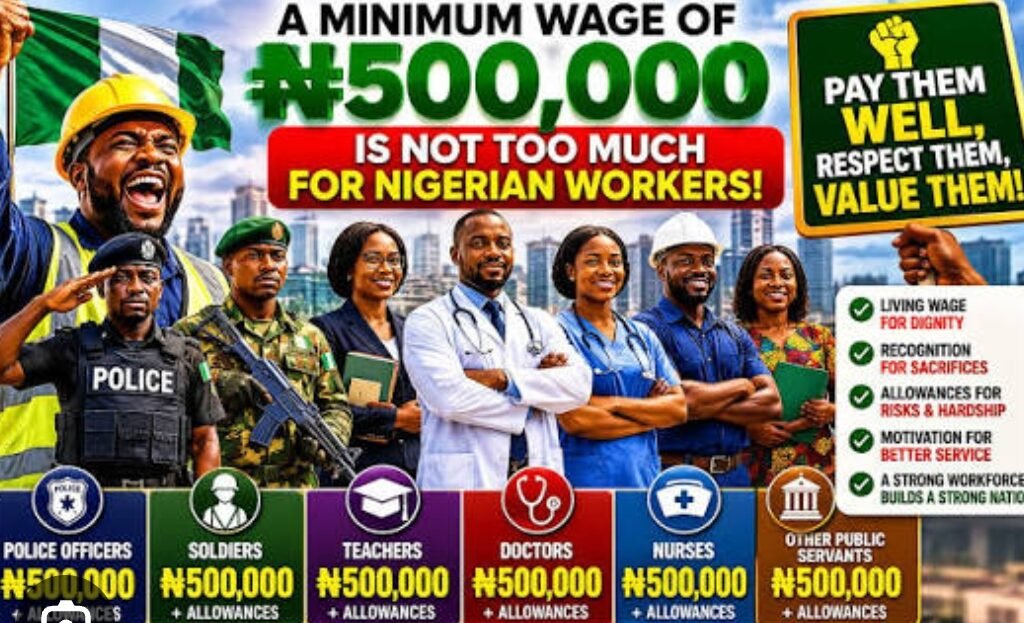
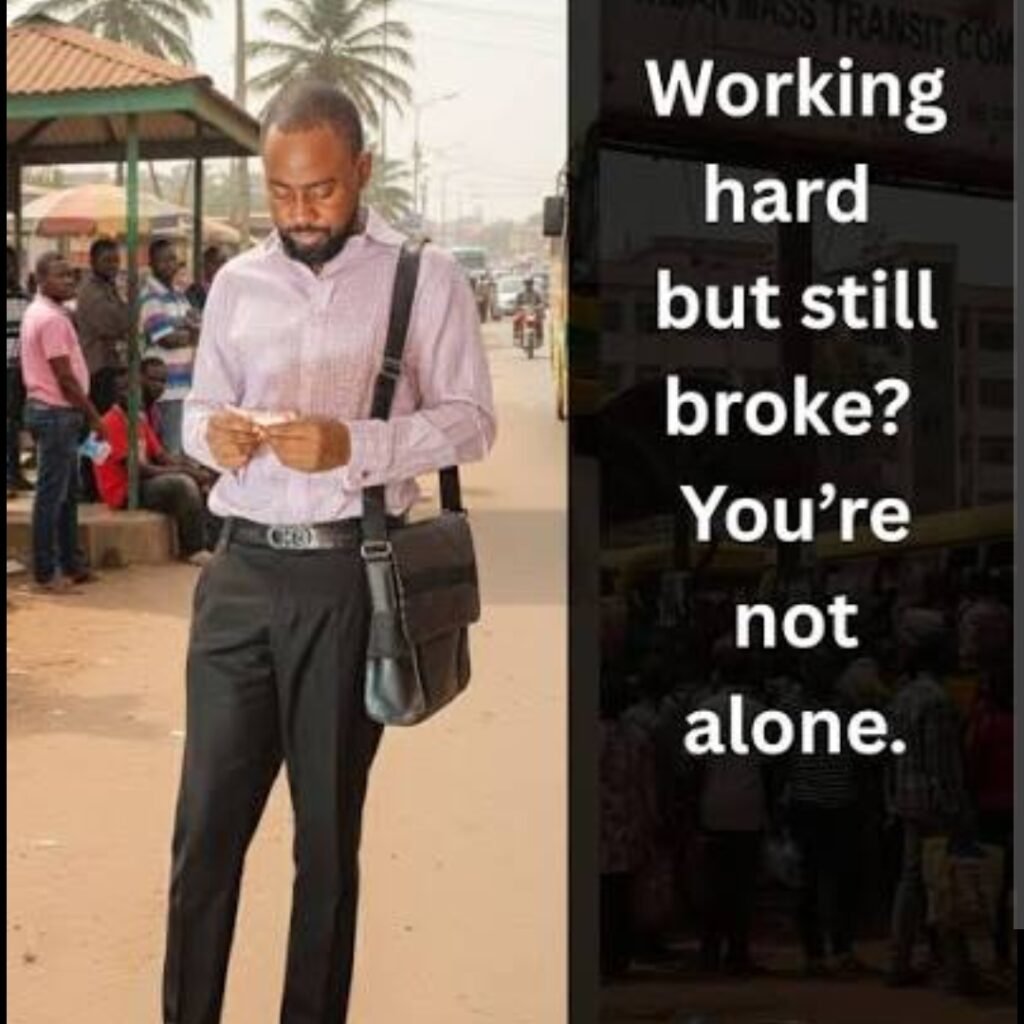
Nigeria is witnessing the emergence of a troubling reality the rise of the working poor. These are men and women who are employed, productive, and committed to their jobs, yet remain trapped in economic hardship.
This is not merely a personal struggle. It is a national concern with implications for productivity, family welfare, social stability, and the country’s long-term development.
Imagine the life of a junior civil servant in Abuja. By the time deductions, rent, transportation, electricity bills, food, school expenses, and medical costs are settled, little or nothing remains from the monthly salary. A medical emergency, a school fee, or an unexpected repair can upset the family’s entire financial plan.
The same reality is playing out in Lagos, Port Harcourt, Kano, Enugu, Makurdi, Ibadan, Jos, Maiduguri, and many other communities across Nigeria. A nurse working night shifts struggles to afford decent housing. A teacher offers extra lessons after school to supplement income. A security guard works twelve-hour shifts but still finds it difficult to provide balanced meals for his family. Young professionals in banking, telecommunications, media, and other sectors increasingly depend on side businesses, cooperative societies, or personal loans just to make it to the next payday.
The irony is difficult to ignore. Many Nigerians are working harder than ever before, yet they feel poorer with each passing year.
Several factors have contributed to this reality. Inflation has significantly reduced the purchasing power of wages. Rising transportation costs, increasing food prices, higher rents, and growing utility bills continue to place enormous pressure on household incomes. While salaries have seen adjustments in some sectors, many workers still struggle to keep pace with the rising cost of living.
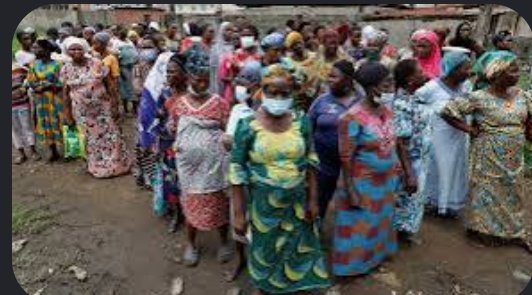
As a result, employment alone no longer guarantees financial security.
The impact extends far beyond household budgets. Economic pressure affects mental well-being, increases stress within families, delays marriage, influences decisions about raising children, and reduces workplace productivity. Many Nigerians now combine two or three sources of income, leaving little time for rest, family life, or personal growth.
Young graduates are among those most affected. After years of education and the excitement of securing employment, many discover that earning a salary does not necessarily translate into financial independence. Some continue to rely on family support, postpone important life decisions, or explore opportunities abroad in search of better prospects.
At the same time, businesses are also operating in a difficult environment. Rising operating costs, foreign exchange challenges, expensive energy, and reduced consumer spending have affected many employers’ ability to improve staff welfare. This creates a cycle in which businesses face genuine financial constraints while employees continue to struggle with increasing living expenses.
Government has introduced economic reforms aimed at improving public finances, strengthening the economy, and attracting investment. These reforms are intended to create long-term benefits, and efforts have also been made to improve workers’ welfare in some areas. However, many Nigerians continue to judge the success of these policies by their daily experiences whether they can afford transportation, put food on the table, pay school fees, and meet basic healthcare needs.
Ultimately, economic progress is meaningful only when it improves the lives of ordinary people.
No nation can achieve sustainable development when full-time employment is no longer enough to guarantee a decent standard of living.
Addressing this challenge requires a comprehensive approach. Wage policies should continue to reflect economic realities, while efforts to control inflation remain a priority. Greater investment in affordable public transportation, accessible healthcare, quality education, and affordable housing can significantly reduce the financial burden on working families. Supporting businesses, encouraging productivity, and creating more opportunities for decent-paying jobs are equally important.
Nigeria’s greatest strength has always been the resilience, creativity, and determination of its people. Yet resilience should not become a substitute for policies that improve quality of life. Hardworking citizens deserve an environment where honest labour provides not just survival, but dignity and opportunity.
The national conversation on poverty must also evolve. While unemployment remains a major challenge, increasing attention must be paid to those who are employed yet continue to live in hardship. Their experiences remind us that creating jobs is only part of the solution; ensuring that work provides a pathway to a decent life is equally important.
A society where millions of hardworking people struggle to meet basic needs risks weakening confidence in the value of honest labour. If hard work no longer appears to lead to progress, hope begins to fade especially among the younger generation.
Nigeria’s future depends not only on creating employment opportunities but also on improving the quality of life for those who keep the nation moving every day.
Teachers who shape future leaders, healthcare workers who save lives, journalists who inform the public, farmers who feed the nation, artisans who build communities, civil servants who keep institutions running, and millions of others deserve an economy that rewards effort with dignity.
At Media360Impact, we believe that people must remain at the centre of public policy and national development. Economic growth should ultimately be measured not only by statistics and projections but by whether ordinary Nigerians can afford to live with dignity, raise their families with confidence, and look to the future with hope.
Until that becomes the everyday reality, Nigeria must continue to confront an uncomfortable truth:
For far too many citizens, having a job is no longer enough.
Media360Impact Editorial Board
Credible. People-Centered. Impact-Driven Journalism.