
By Timothy Enietan-Matthews
For many Nigerians, election seasons have long been associated with hope tempered by anxiety. Questions about delayed voting materials, manipulation of results, logistical failures and political interference have repeatedly cast shadows over the country’s democratic process.
These concerns, fuelled by years of disputed elections and allegations of electoral malpractice, gradually weakened public confidence in the electoral system and the institutions responsible for managing it.
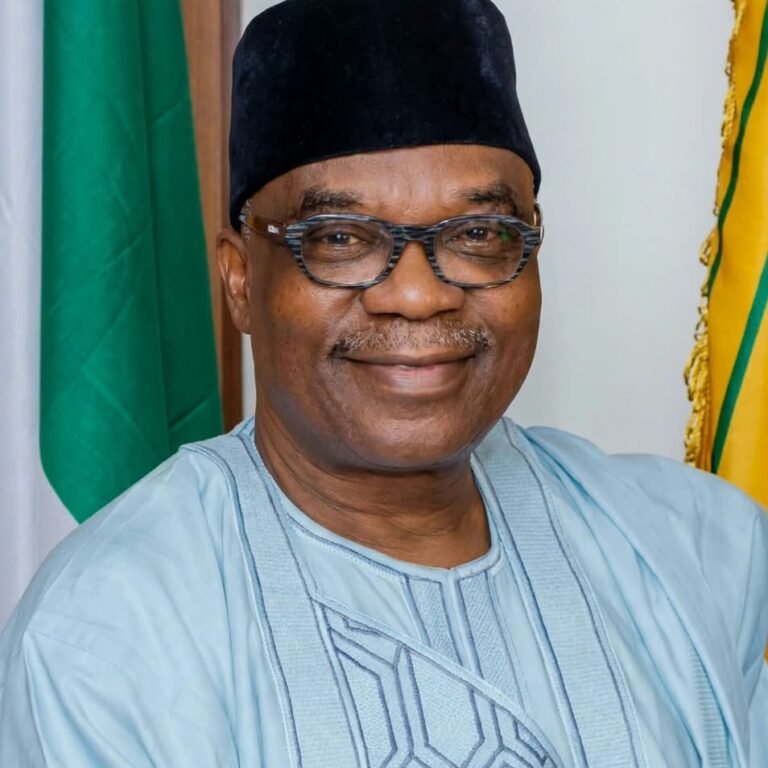
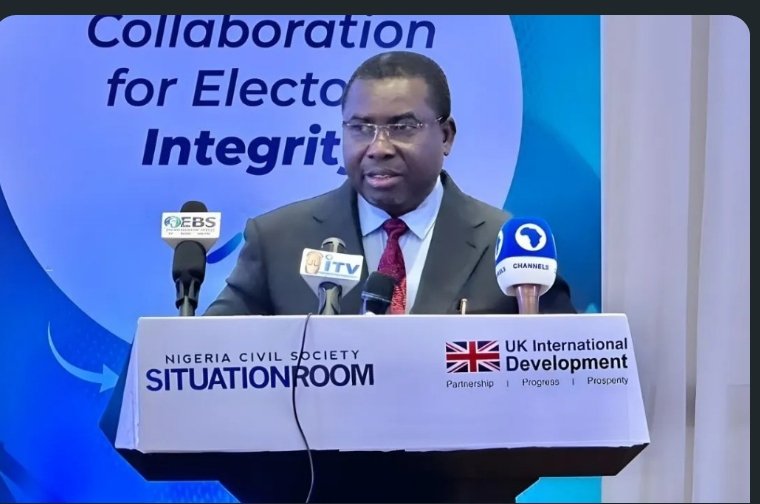
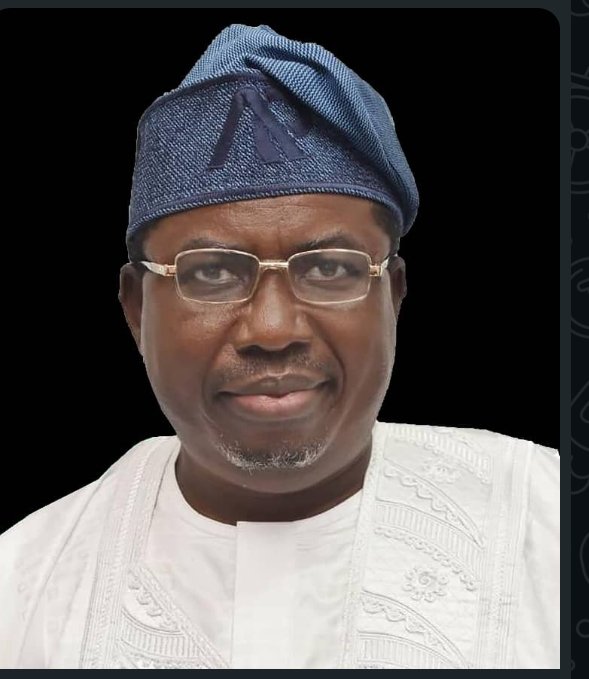
However, recent elections conducted under the leadership of the Chairman of the Independent National Electoral Commission (INEC), Professor Joash Ojo Amupitan, are prompting renewed optimism about the future of elections in Nigeria.
The recently concluded Ekiti State governorship election, alongside six bye-elections held across the country, has sparked conversations about an emerging culture of transparency, efficiency and professionalism within Nigeria’s electoral system.
Setting a New Benchmark
One of the most notable achievements of the elections was the smooth deployment of election materials and personnel.
Across urban and rural communities, polling officials reportedly arrived on schedule, accreditation commenced promptly, and voting proceeded with minimal disruption. Similar reports emerged from the six bye-elections conducted simultaneously.
For years, poor logistics had often been the trigger for controversies, creating opportunities for voter frustration and allegations of manipulation. The latest elections, however, presented a different narrative.
Election observers, civil society organisations, political stakeholders and voters acknowledged significant improvements in operational efficiency.
Technology Strengthens Transparency
A recurring criticism of previous elections has centred on the gap between polling unit results and final declarations.
The INEC Result Viewing Portal (IReV) was introduced to address this challenge by allowing polling unit results to be uploaded and viewed publicly in near real-time.
During the Ekiti governorship election and the bye-elections, results were uploaded promptly, enabling political parties, journalists, election observers and citizens to independently monitor the process.
The immediate availability of results reduced speculation, curbed misinformation and enhanced transparency by allowing stakeholders to compare polling unit results with officially declared outcomes.
Transparency is strengthened when citizens are able not only to trust the process but also to independently verify it.
Faster Results, Greater Confidence
Historically, prolonged result collation has often generated suspicion and heightened political tension.
The Ekiti election demonstrated a different approach.
Results were collated efficiently, transmitted promptly and announced within a reasonable timeframe without sacrificing credibility.
Because polling unit results had already been uploaded to the IReV platform, stakeholders were able to monitor the process from voting through final collation, helping to reinforce public confidence in the integrity of the exercise.
Positive Stakeholder Reactions
Perhaps the strongest endorsement of the elections came from stakeholders themselves.
Political parties, election observers, civil society groups and many voters acknowledged improvements in the conduct of the polls.
While no election is entirely free from imperfections, the relatively limited disputes over result transmission, collation and declaration marked a significant departure from controversies that have characterised many previous electoral exercises.
Public trust remains one of democracy’s most valuable assets, and every credible election contributes to rebuilding that confidence.
Vote Buying Remains a Major Concern
Despite the improvements, one challenge continued to attract attention during the elections—vote buying.
Reports of voter inducement surfaced in several locations, highlighting that electoral reforms remain incomplete.
However, responsibility for tackling vote buying extends beyond INEC.
While the Commission conducts elections, investigating and prosecuting electoral offences falls primarily within the mandate of security agencies and other institutions empowered by law.
Political parties and candidates also bear responsibility for conducting issue-based campaigns rather than relying on financial inducement.
Citizens equally have a role to play by resisting attempts to sell their votes, recognising that short-term financial gains often undermine long-term democratic accountability.
Democracy Requires Collective Responsibility
The success of Nigeria’s electoral process cannot rest solely on the shoulders of INEC.
Political parties must act responsibly.
Candidates must embrace issue-based campaigns.
Security agencies must remain professional and impartial.
The media must continue to report accurately and responsibly.
Civil society organisations must sustain independent monitoring, while citizens must actively protect the sanctity of their votes.
Credible elections are the product of collective commitment by every stakeholder.
Sustaining the Momentum
The improvements witnessed in Anambra, now reinforced by the Ekiti governorship election and six bye-elections, suggest that a new culture of electoral administration may be taking shape.
The challenge now is ensuring that these reforms become institutional rather than personality-driven.
Strengthening technology, improving logistics, enhancing transparency and deepening public confidence should remain central priorities for Nigeria’s electoral system.
Political actors also have a responsibility to strengthen democratic institutions through constructive engagement rather than undermining them whenever electoral outcomes prove unfavourable.
Looking Ahead
Nigeria’s democratic journey remains a work in progress.
No election is perfect, and no institution is beyond improvement.
Nevertheless, the recent elections provide encouraging evidence that credible electoral administration is achievable when professionalism, technology and transparency are prioritised.
Professor Joash Ojo Amupitan’s leadership has contributed to a growing belief that Nigeria’s elections can become more efficient, transparent and credible.
Whether this emerging electoral culture becomes permanent will ultimately depend on the commitment of political parties, security agencies, civil society organisations and citizens to protect and strengthen the country’s democratic institutions.
The progress made so far offers reason for cautious optimism, but sustaining it will require continued collective effort.