
By Gabriel Ameh
The Director-General of the World Intellectual Property Organization (WIPO), Dr. Daren Tang, has called on Nigeria to reposition its intellectual property (IP) system as a catalyst for jobs, investment, and inclusive economic growth.
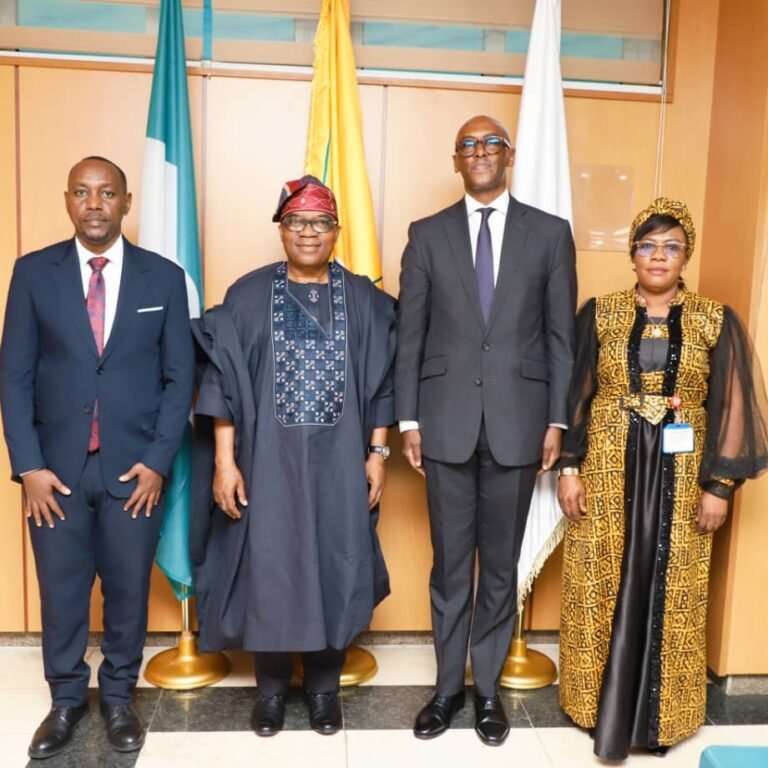
Dr. Tang made the call in Abuja during a high-level engagement hosted at the UN House, marking the conclusion of his official visit to Nigeria. The event was organized by the WIPO Nigeria Office in collaboration with the Nigerian Copyright Commission and brought together policymakers, legal experts, collective management organisations, and creative industry stakeholders.
The session, themed “Making IP Work for Creators in Africa: From Rights Protection to Real Economic Value,” focused on strengthening IP systems to better serve creators and drive economic development across the continent.
Speaking during the interactive dialogue, Dr. Tang emphasized that inclusivity must remain central to any reform of intellectual property frameworks. He noted that Nigeria’s growing influence in global culture, particularly through Afrobeats and Nollywood, demonstrates its potential as a creative powerhouse.
“We must set up to transform IP as a catalyst for jobs, investments, development and prosperity with every sense of inclusivity,” he said.
He also referenced Nigeria’s expanding innovation ecosystem, including over 3,000 startups and at least seven unicorns, describing them as evidence of untapped potential within the country’s creative and digital economy.
According to him, the focus should now shift toward strengthening partnerships that translate IP rights into real economic opportunities for creators and small businesses.
The Minister of Arts, Culture, Tourism and Creative Economy, Hannatu Musawa, also participated in the discussion, describing the creative sector as a powerful tool for unity across Africa’s cultural and linguistic diversity.
She stressed the importance of strong institutional frameworks and cross-ministerial collaboration to ensure IP policies effectively support growth in the creative economy.
Musawa further highlighted the creation of a dedicated ministry for the creative sector as a strategic step toward empowering young people and improving policy coordination.
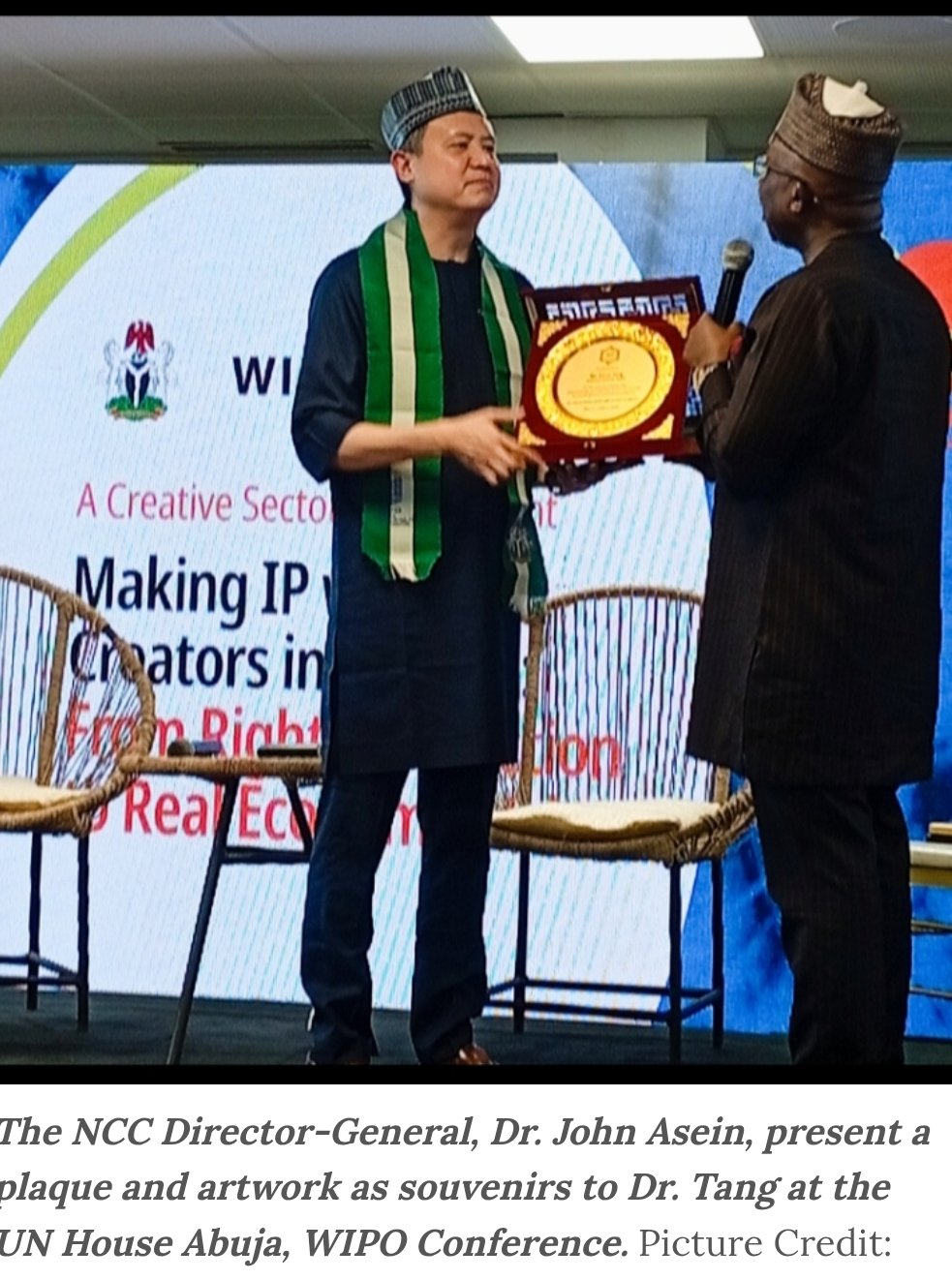
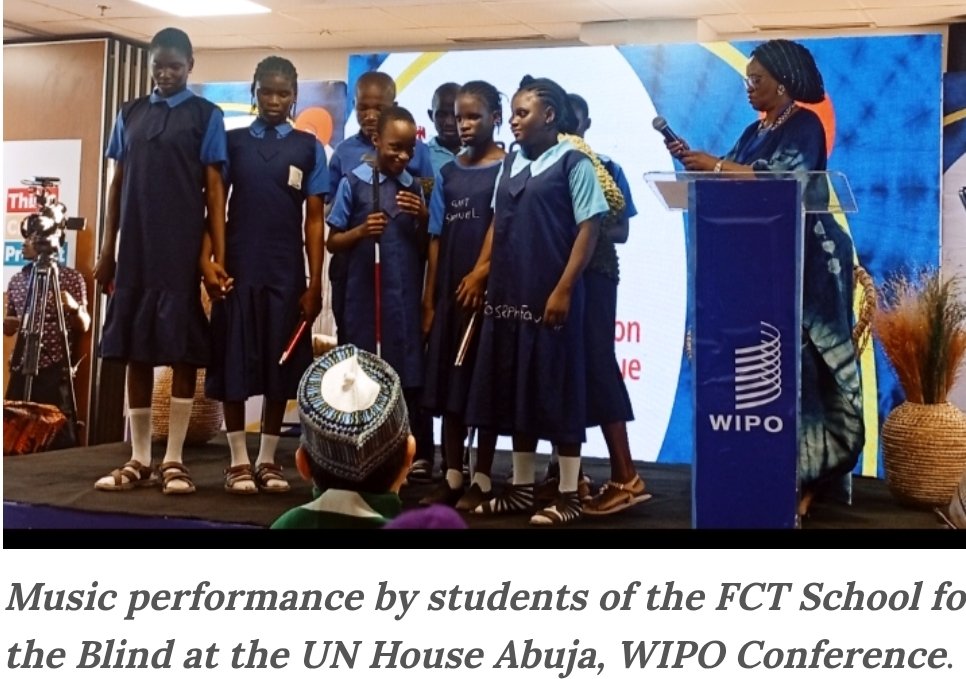
The event also featured a musical performance by students of the FCT School for the Blind, alongside a presentation of a plaque and artwork by the Director-General of the Nigerian Copyright Commission, Dr. John Asein, to Dr. Tang.
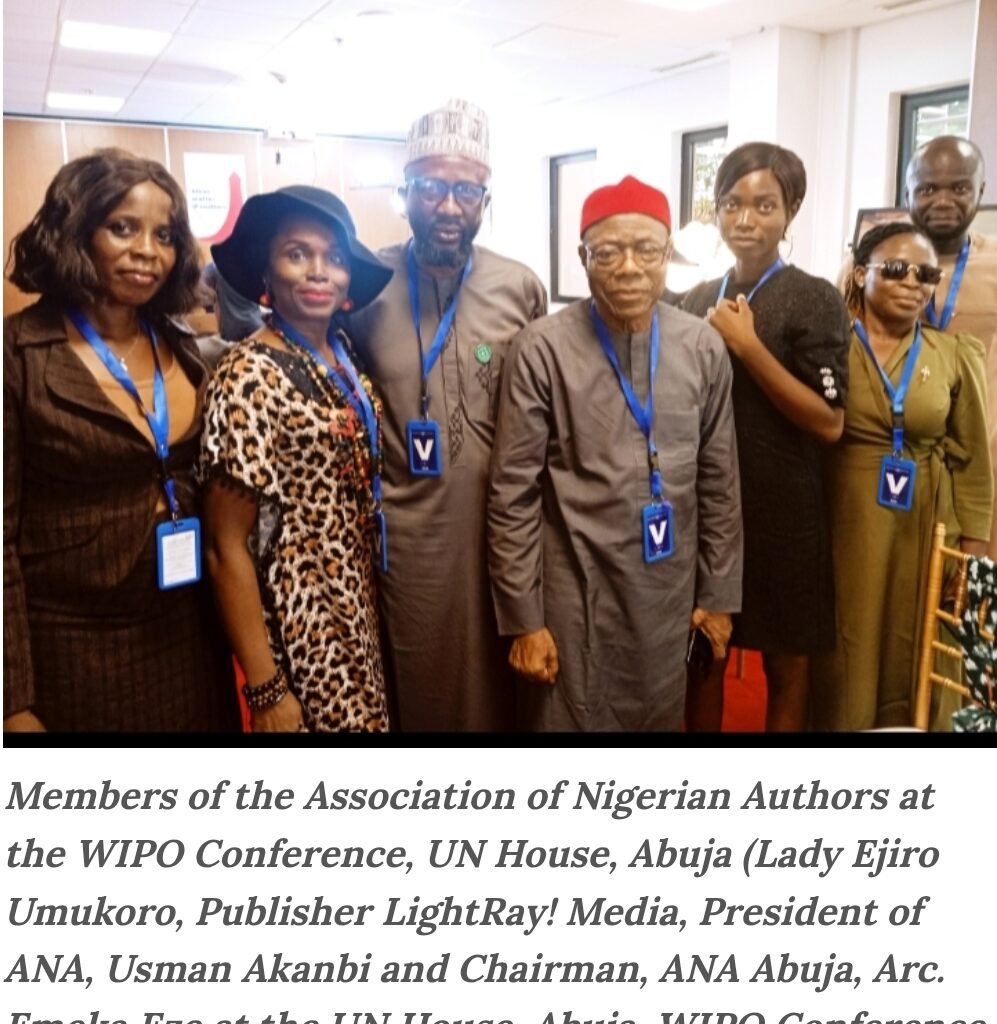
The engagement ended with networking sessions involving creators, rights managers, and policymakers, reinforcing a shared message: intellectual property must move beyond protection to become a direct driver of economic value for creators.
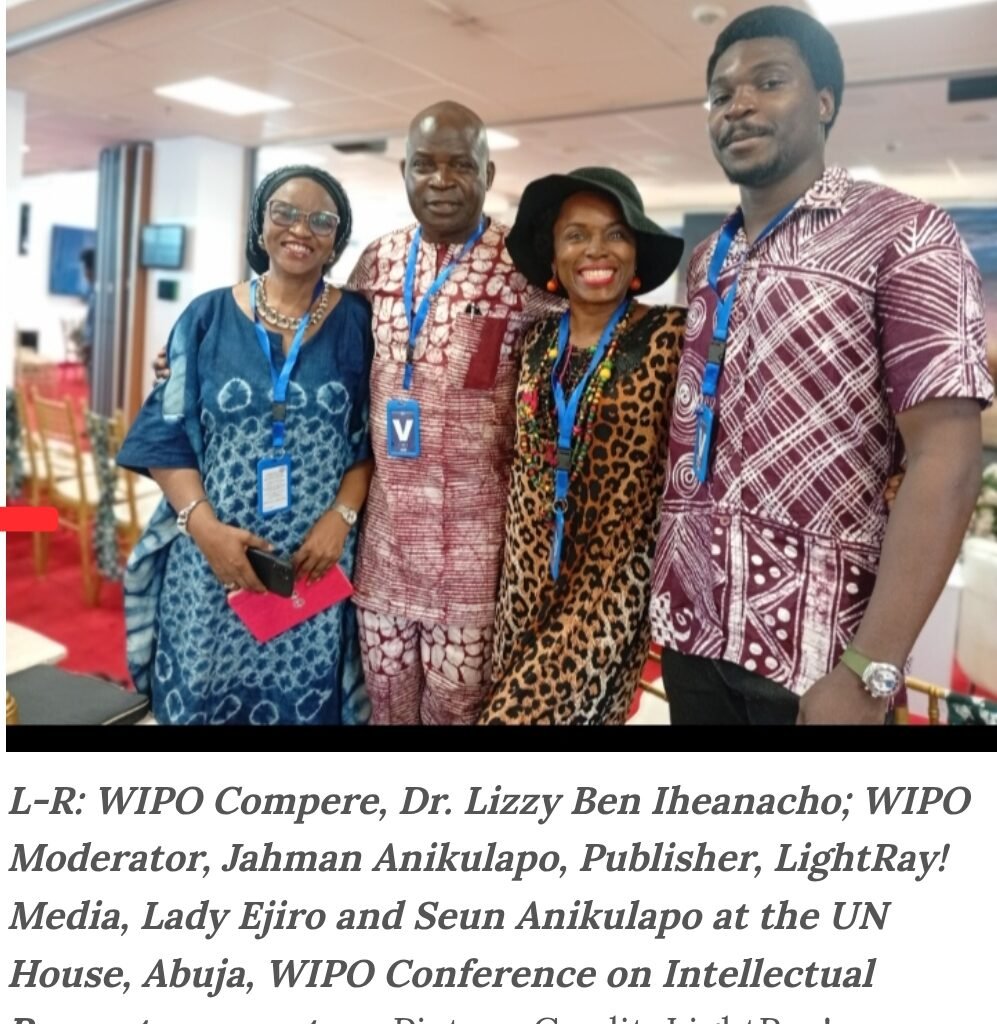
Photo Credit. LightRay