
By Gabriel Ameh
📍Abuja | Media360Impact Report
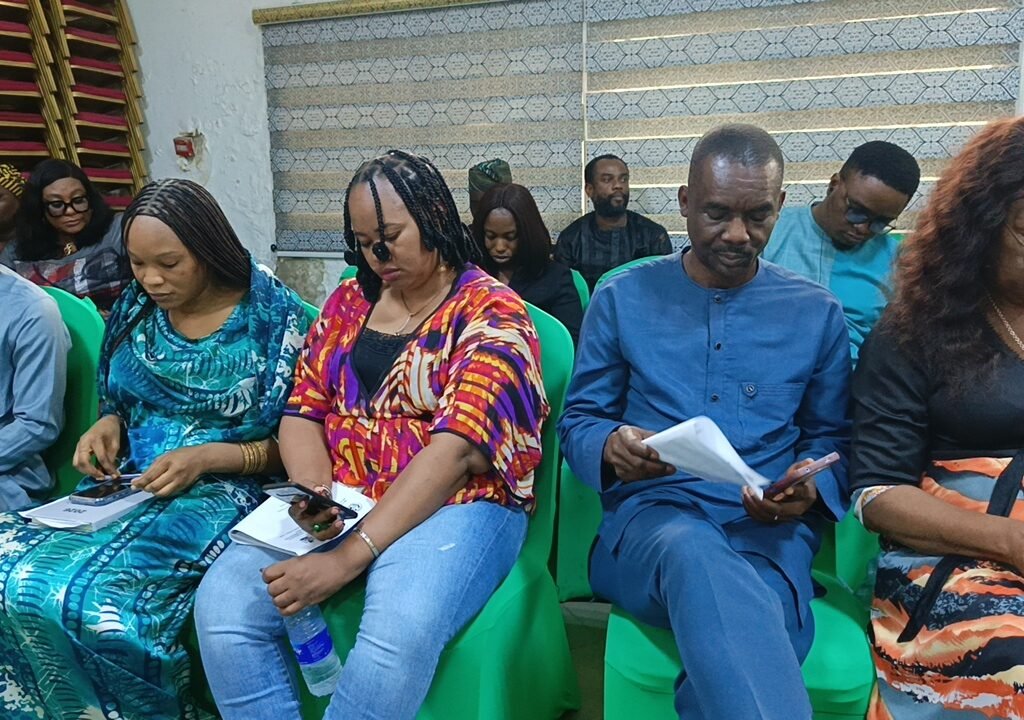
The National Human Rights Commission (NHRC) has raised fresh concerns over the worsening humanitarian crisis affecting displaced families across Nigeria, warning that thousands of children are growing up without safety, education, healthcare, or hope for a stable future.
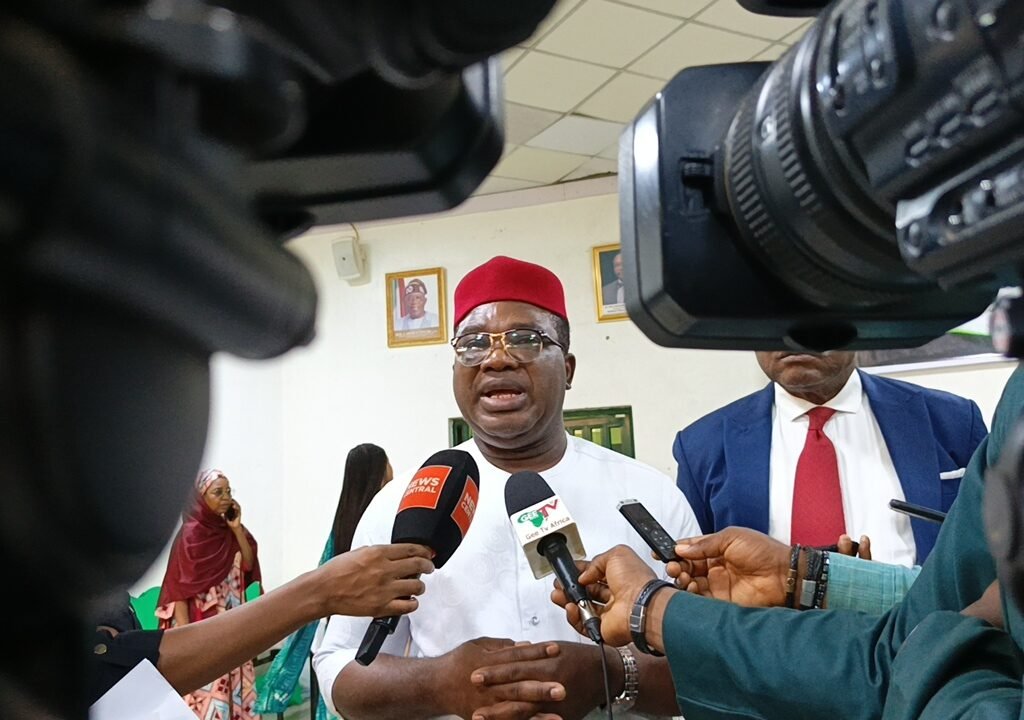
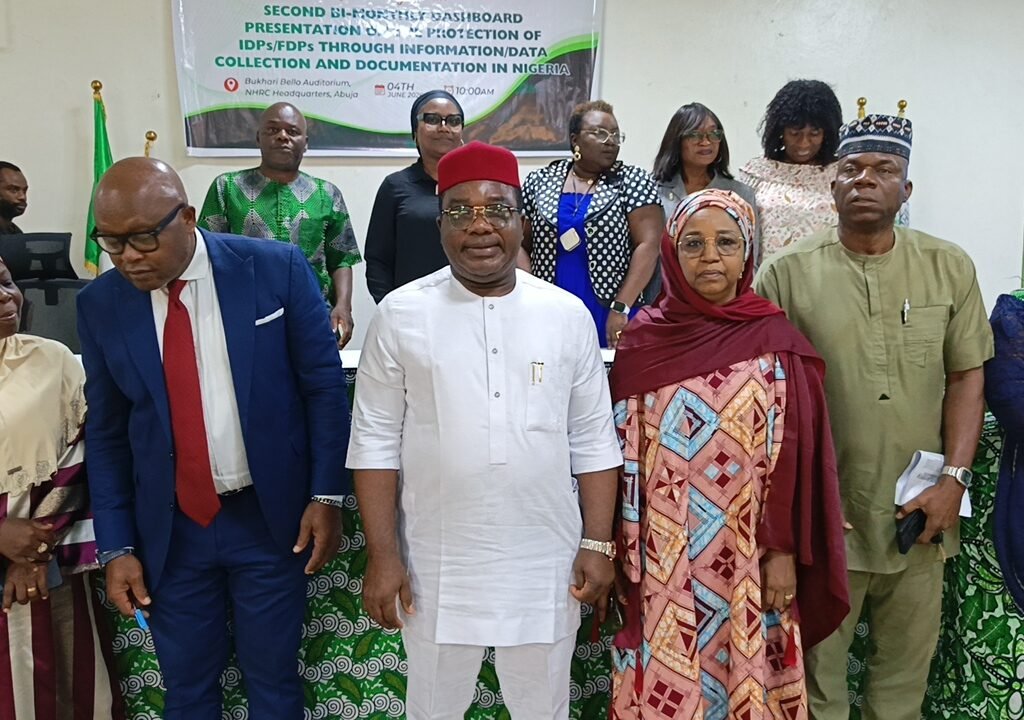
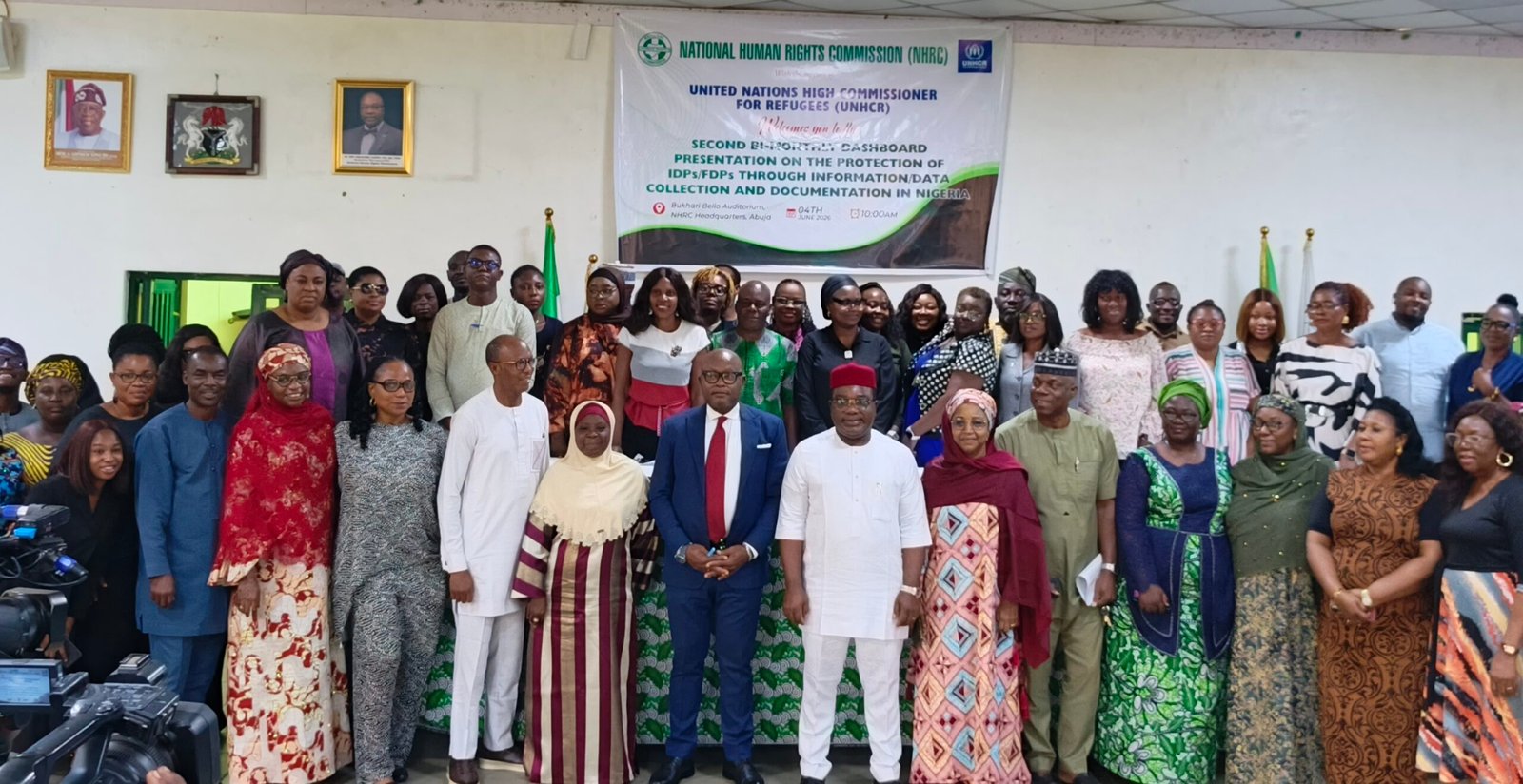
Speaking during the presentation of the NHRC March/April 2026 Human Rights Dashboard in Abuja on Wednesday, the Executive Secretary of the Commission, Dr. Tony Ojukwu, SAN, said the displacement crisis in Nigeria is no longer just about people losing homes.
“It is also a crisis of children losing their childhood, education, protection, and opportunities for a decent future,” he said.
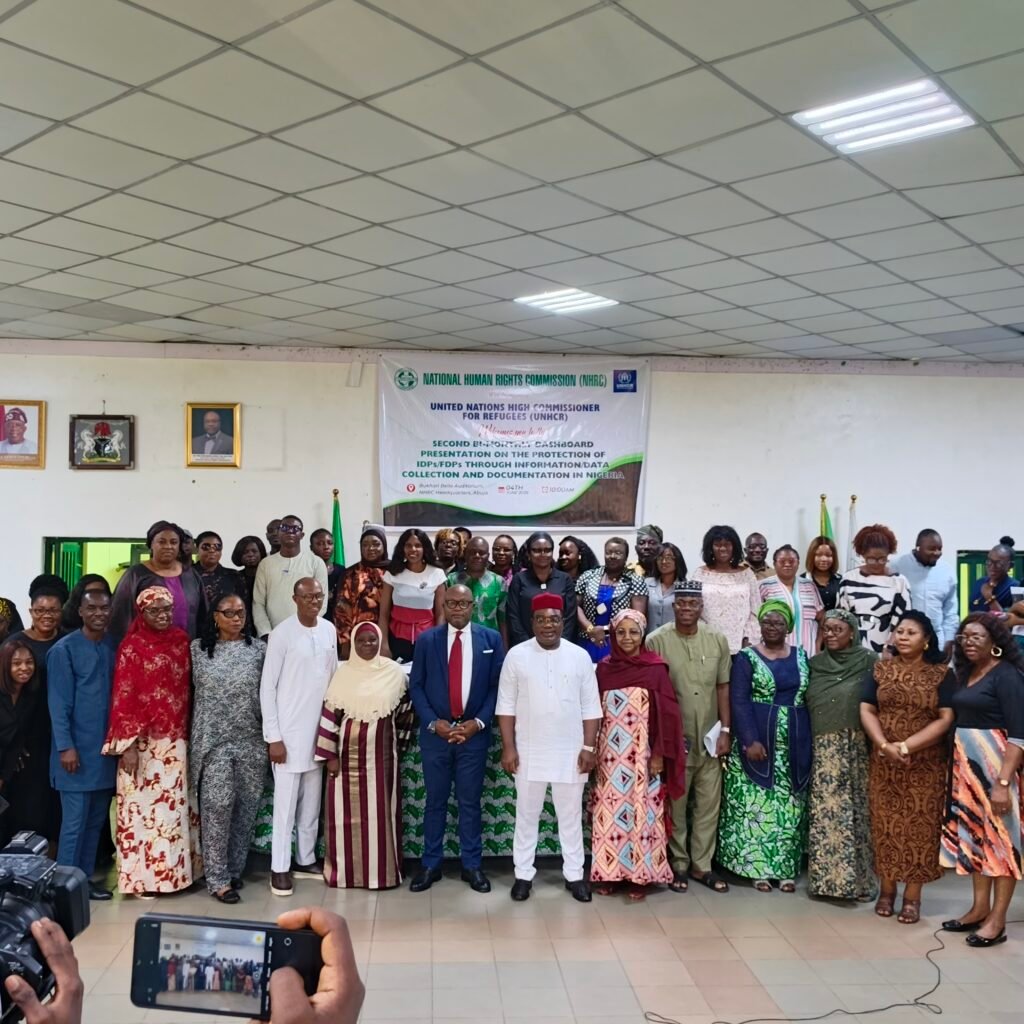
According to the Commission, 8,472 internally displaced persons (IDPs) were reached within the reporting period across nine project states, including 5,772 children.
Although the figures appear lower than previous months, Ojukwu explained that the decline was not because displacement had reduced, but because insecurity prevented humanitarian workers from reaching several dangerous communities.
“People are still displaced. Many communities have simply become too dangerous to access,” he stated.
The report revealed troubling increases in violence, insecurity, and child abuse cases across affected communities.
NHRC documented:
- 872 safety and security incidents
- 407 child protection violations
- 344 cases involving lack of food and shelter
- 26 domestic violence cases
- 68 social tension and land dispute cases
The Commission also disclosed that many displaced persons still lack proper documentation, making it difficult for them to access healthcare, education, legal protection, and employment opportunities.
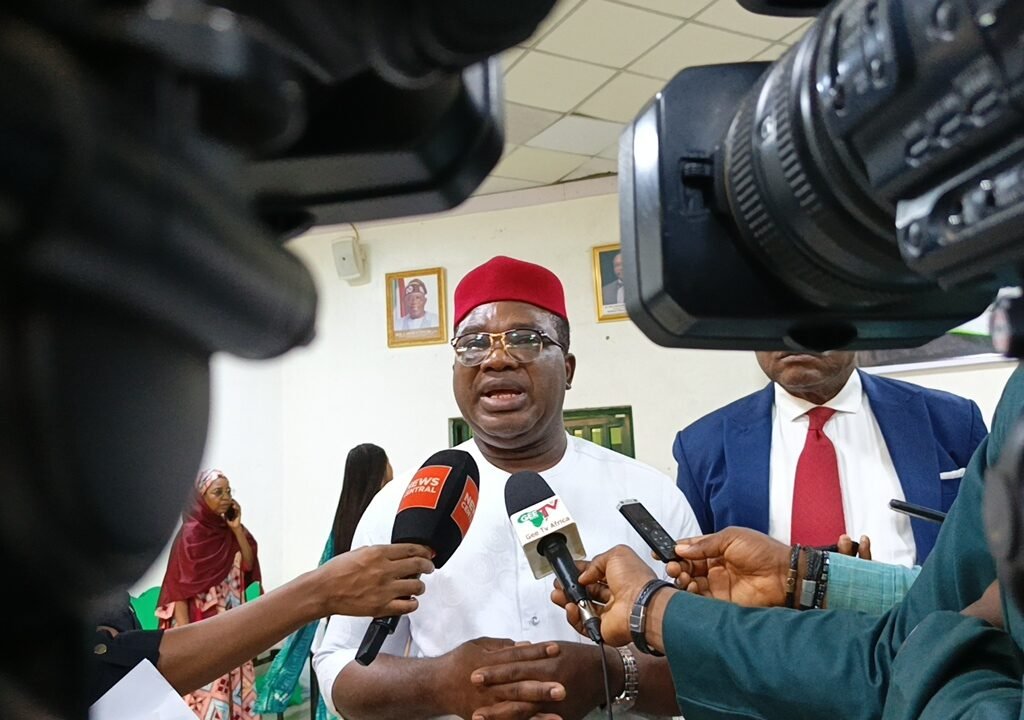
Also speaking during the dashboard presentation, UNHCR representative Dr. Oke Agwu said women and children continue to carry the heaviest burden in Nigeria’s displacement crisis.
According to him, the project team engaged 4,590 households involving 4,642 females and 3,830 males across the affected states, showing that women consistently outnumber men in displacement situations.
“Women and children remain the most vulnerable because in terms of numbers, they continue to outnumber the men,” Agwu explained.
He added that fear, insecurity, and restrictions around border communities contributed to the sharp drop in asylum seeker documentation during the reporting period.
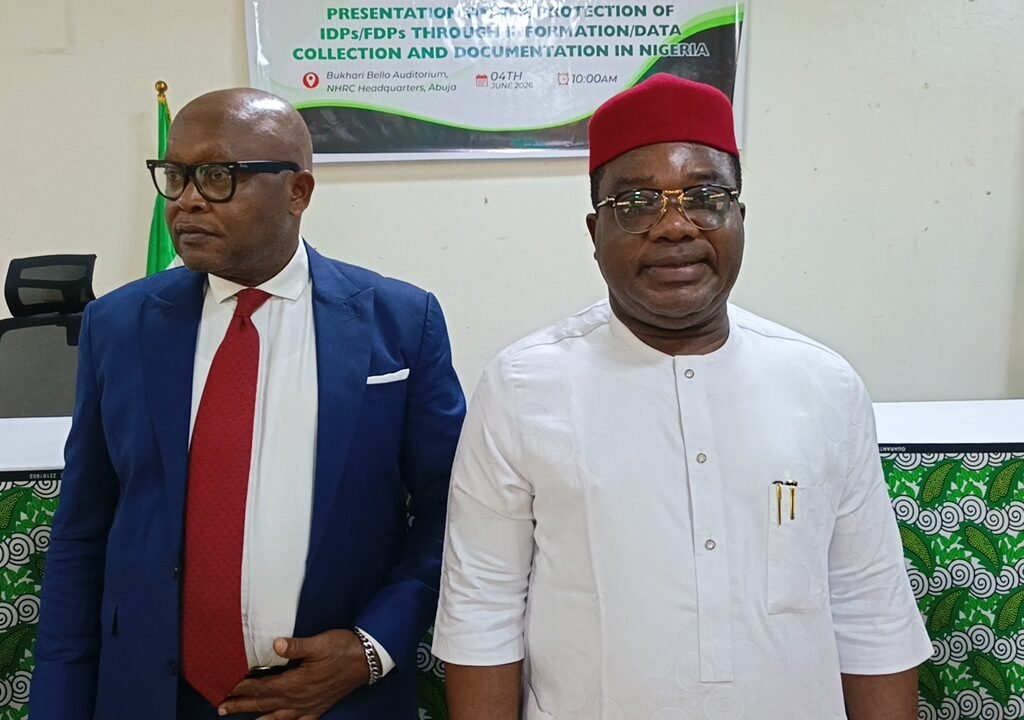
Agwu noted that many asylum seekers now avoid coming forward because of fears of arrest or harassment by authorities, while humanitarian workers are also unable to safely access several hard-to-reach communities.
He stressed that the lower figures being recorded should not be mistaken for a reduction in displacement.
“The numbers are low because access is difficult, not because people are no longer displaced,” he said.
The NHRC however highlighted some positive interventions recorded within the two-month period.
In Adamawa State, seven children rescued from child labour were re-enrolled into school, while 13 gender-based violence cases were resolved through alternative dispute resolution.
In Yobe, a 14-year-old Almajiri boy allegedly sodomized by his Islamic teacher received medical care and was reunited with his parents in Niger Republic.
The Commission also secured the release of another child reportedly chained by his teacher.
In Cross River, refugee children were enrolled back in school, displaced farmers regained access to farmland, and an abandoned police outpost inside a refugee camp was restored to improve security.
NHRC also disclosed that in Akwa Ibom State, timely referrals by the project team contributed to the rescue of 17 abducted students by the Nigerian Navy.
Ojukwu praised the partnership between NHRC and UNHCR, saying it has helped turn “data into dignity and reports into results.”
He called for stronger political will, increased funding, and sustained collaboration to prevent the humanitarian crisis from worsening.
“Every displaced person deserves not just assistance, but justice,” he said.