
By Gabriel Ameh
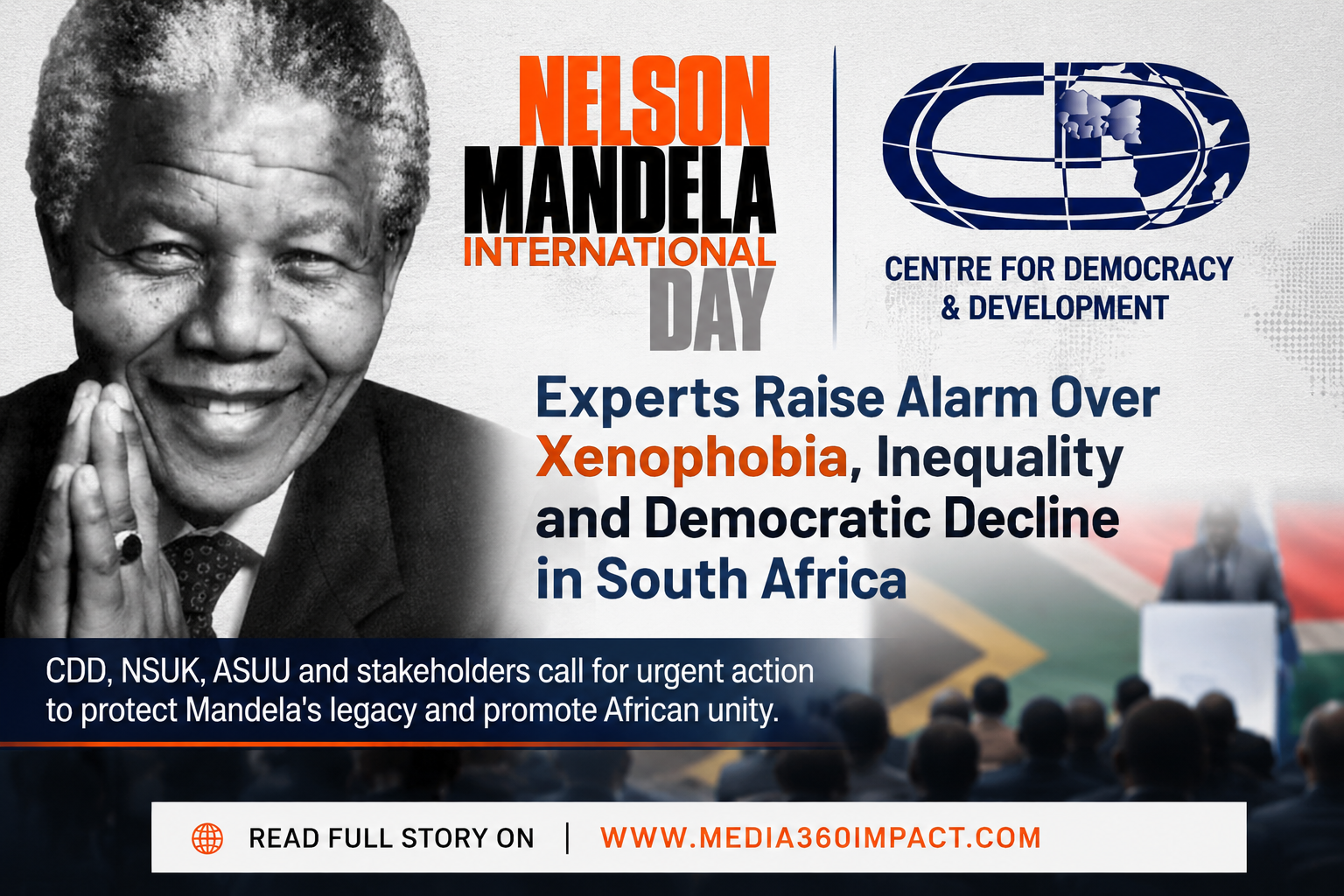
KEFFI, Nasarawa State — Scholars, democracy advocates, labour leaders and civil society organisations have called for urgent action to protect Nelson Mandela’s legacy, warning that rising xenophobic attacks and democratic challenges in South Africa threaten the ideals the anti-apartheid icon devoted his life to defending.
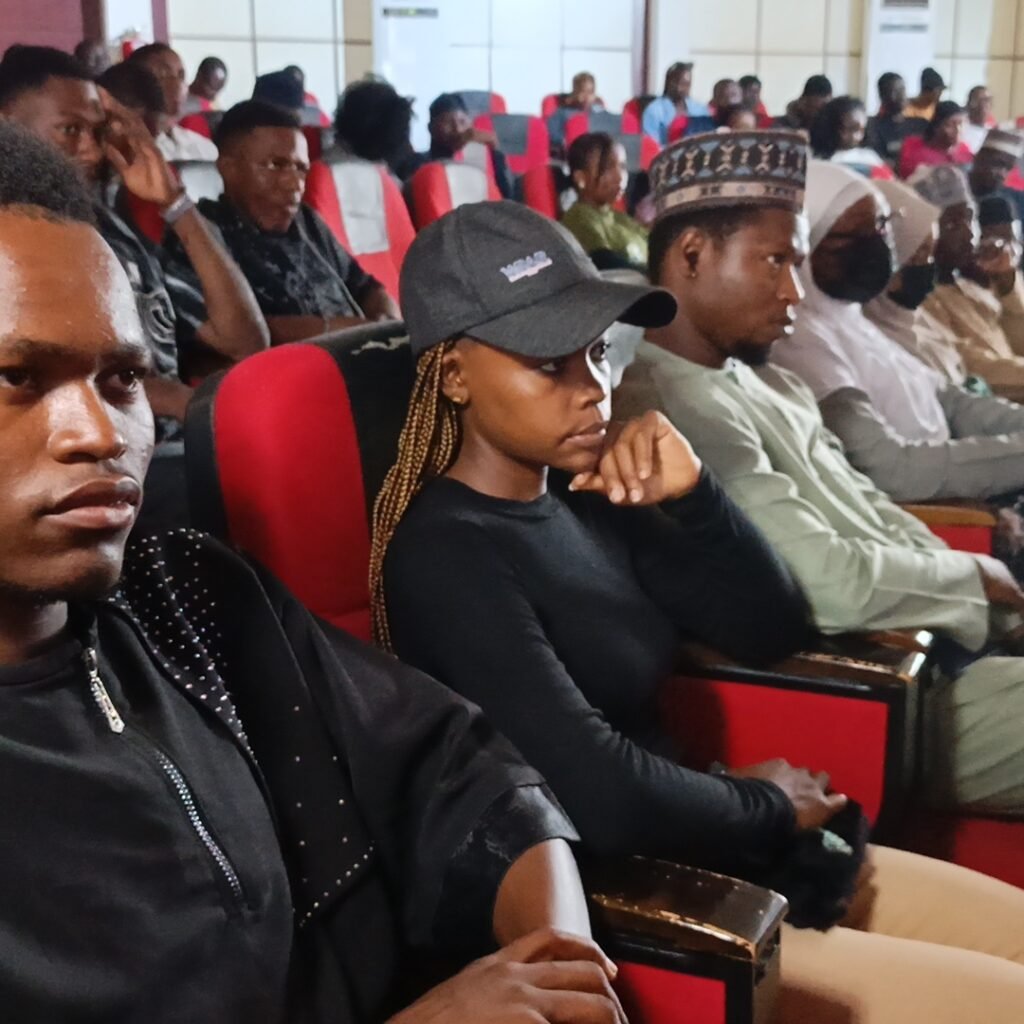
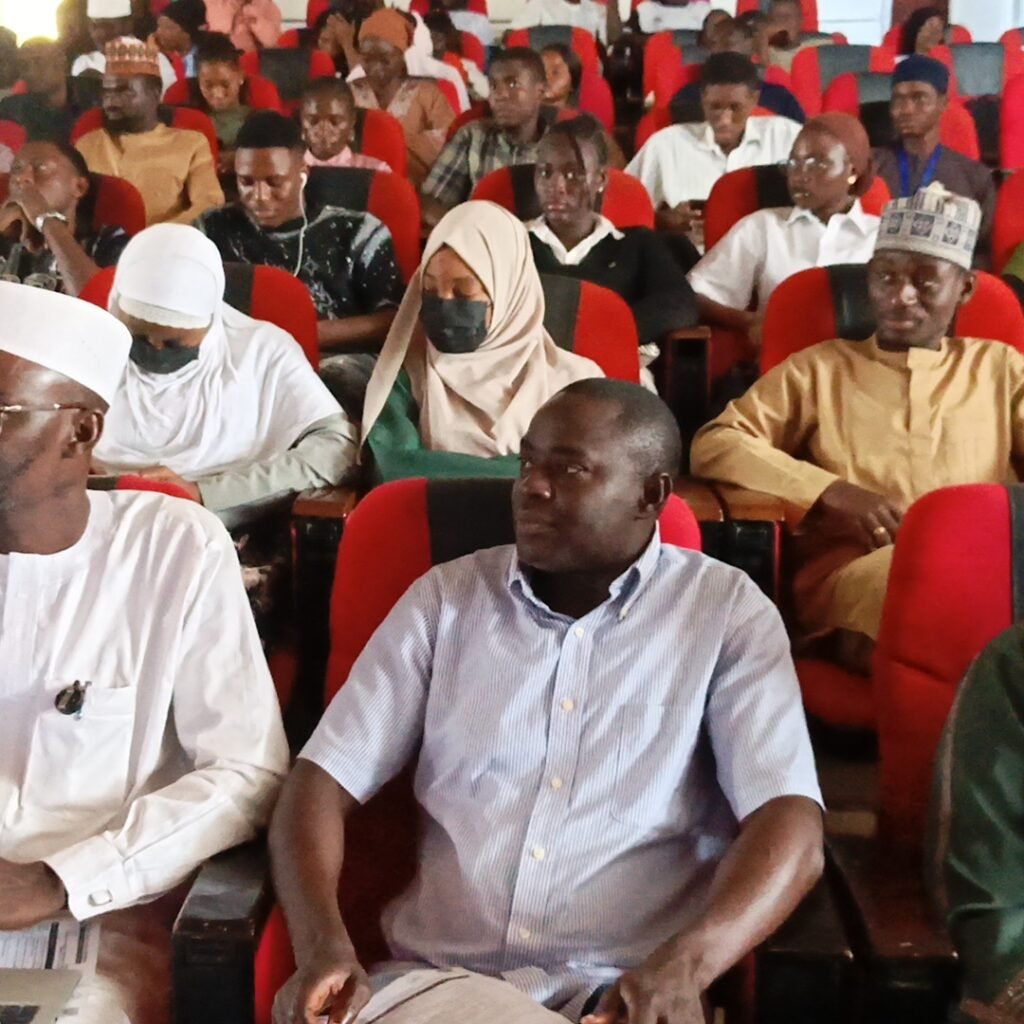
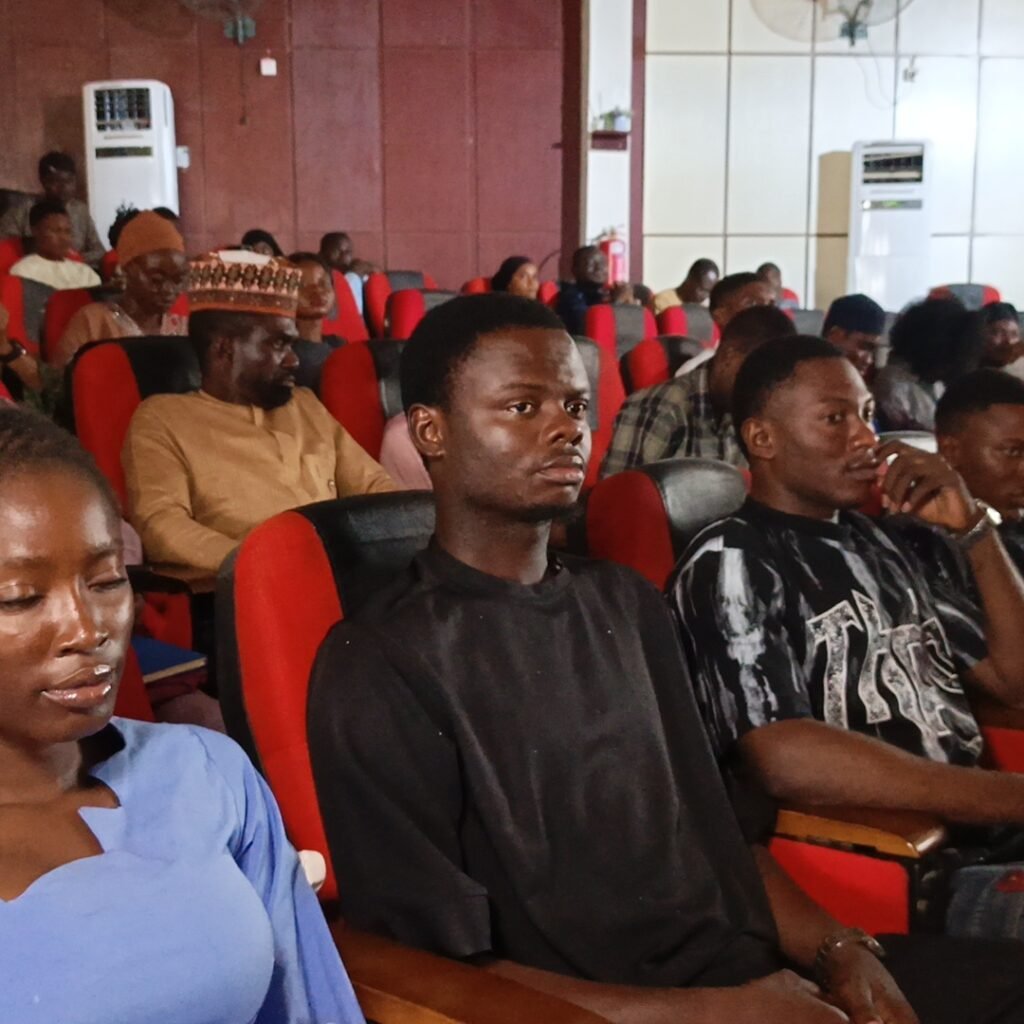
The call was made on Saturday during the 2026 Nelson Mandela International Day commemorated at Nasarawa State University, Keffi (NSUK), under the theme: “Mandela’s Long Shadow: Foreign Influence Campaigns and the Struggle for South Africa’s Democratic Identity.”
The event was organised by the Centre for Democracy and Development (CDD) West Africa in collaboration with NSUK and the Academic Staff Union of Universities (ASUU).
Speaking on behalf of the Vice Chancellor of NSUK, Prof. Sa’adatu Hassan Liman, the Deputy Vice Chancellor (Research and Innovation), Prof. Nghargbie Kitso, described Mandela’s legacy as timeless in promoting democracy, justice, equity and fairness.
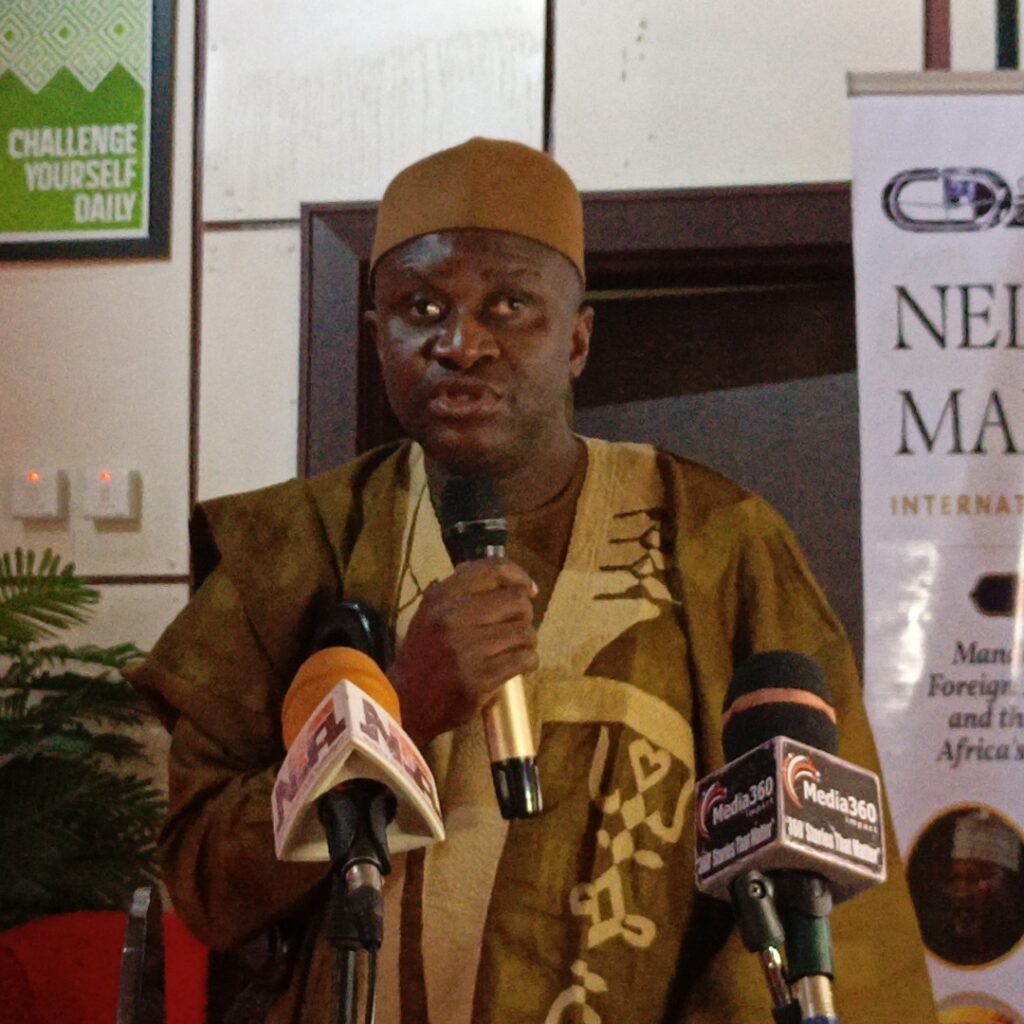
He thanked the organisers for choosing the university to host the event, saying the institution remained committed to producing advocates of good governance and democratic values.
According to him, Africa must deepen its understanding and practice of democracy while ensuring that citizens enjoy its dividends.
Reflecting on the current situation in South Africa, Prof. Kitso said Mandela would likely be disappointed by developments in the country if he were alive today.
He argued that persistent inequality, economic exclusion and recurring xenophobic violence contradict the ideals Mandela fought to establish.
“The people being attacked today should not simply be labelled illegal migrants. They are victims of failed policies,” he said.
He urged African leaders to fully implement the African Continental Free Trade Area (AfCFTA), arguing that freer movement of people and economic opportunities across the continent would reduce migration-related tensions and strengthen African integration.
Prof. Kitso also stressed that democracy should not be measured only by elections but by the extent to which governments improve citizens’ welfare.
“If the majority of black South Africans remain economically disadvantaged while a small minority controls much of the country’s wealth, democracy cannot be said to be fully delivering for the people,” he stated.
Delivering remarks on behalf of the Pro-Chancellor and Chairman of the Governing Council of NSUK, Prof. Attahiru Jega, Mr. Thomas Ari Ogiri described Mandela as a global symbol of justice, reconciliation and the rule of law.
He noted that Mandela’s leadership transformed South Africa from apartheid into a democratic nation founded on equality and human dignity.
Ogiri, however, expressed concern over recent xenophobic attacks targeting African migrants, saying such incidents undermine Mandela’s enduring vision of unity and peaceful coexistence.
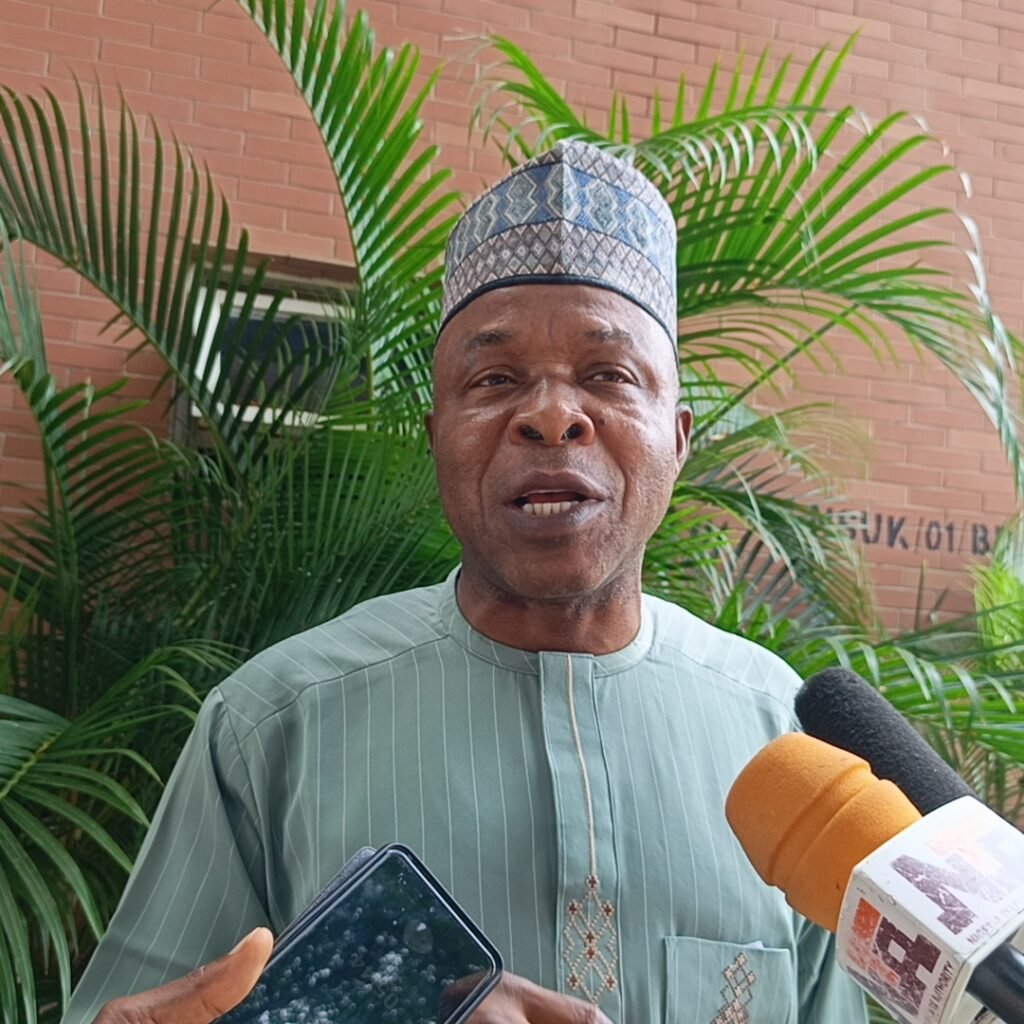
He also acknowledged Nigeria’s significant contribution to the struggle against apartheid, urging African countries to continue strengthening democratic institutions and regional solidarity.
Chairman of the International Governing Council of CDD West Africa, Comrade John Odah, said this year’s event coincided with renewed xenophobic attacks against African migrants in South Africa.
He explained that the United Nations established Nelson Mandela International Day to encourage citizens worldwide to devote 67 minutes to community service, symbolising Mandela’s 67 years of public service and commitment to humanity.
Odah disclosed that CDD marked the occasion by commissioning a solar-powered borehole in Shadadi Community, Kuje Area Council of the Federal Capital Territory, to provide clean water for a primary school and surrounding residents.
He said the theme of the lecture was deliberately chosen to examine the root causes of xenophobia and the broader struggle over South Africa’s democratic identity.
While condemning attacks on migrants, Odah noted that many South Africans had also resisted the violence by supporting affected migrants and organising peaceful counter-protests.
He also referenced the joint position of South Africa’s major labour unions, which publicly opposed anti-migrant demonstrations.
According to him, understanding the drivers of xenophobia is essential to preserving African unity and preventing forces capable of undermining democracy across the continent.
Drawing lessons from Europe, Odah noted that countries which once fought devastating wars now operate under a united European Union, saying Africa should remain committed to the vision of continental integration championed by its founding leaders.
In a solidarity message, the Academic Staff Union of Universities (ASUU) described Mandela as one of the greatest symbols of justice, freedom and equality in modern history.
The union said the 2026 theme highlighted new threats confronting African democracies, including foreign interference, misinformation, economic dependence, digital manipulation and divisive identity politics.
ASUU maintained that universities must remain centres of independent scholarship capable of defending truth, challenging injustice and promoting democratic accountability.
The union also strongly condemned xenophobic attacks against Nigerians and other African nationals in South Africa, describing them as a betrayal of Mandela’s ideals of reconciliation, Pan-Africanism and human dignity.
Participants at the event urged African governments, civil society organisations and regional institutions to strengthen democratic governance, address inequality, implement continental integration policies and reject all forms of xenophobia capable of weakening Africa’s collective future.