
By Achille Month
📍Kaduna
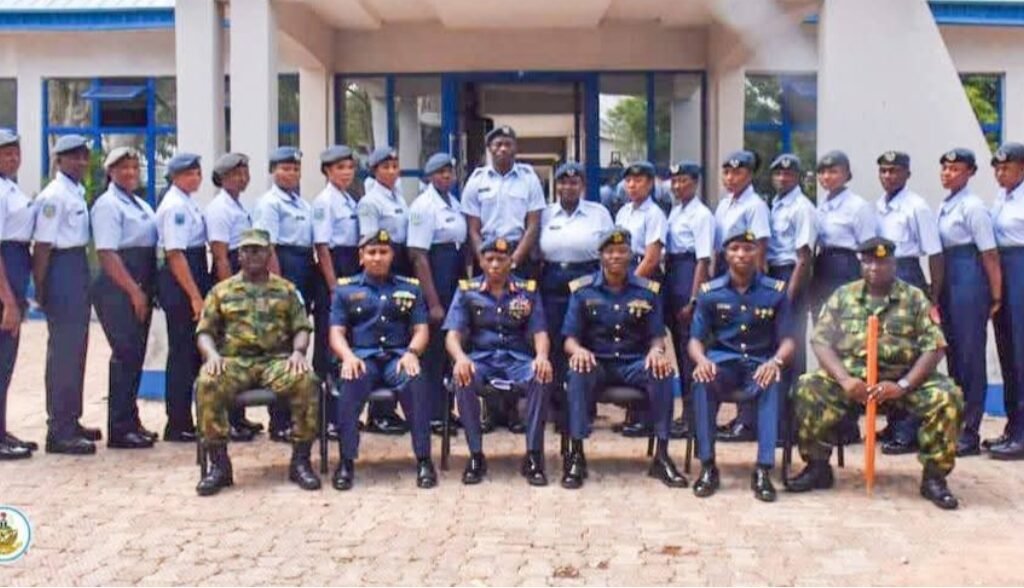
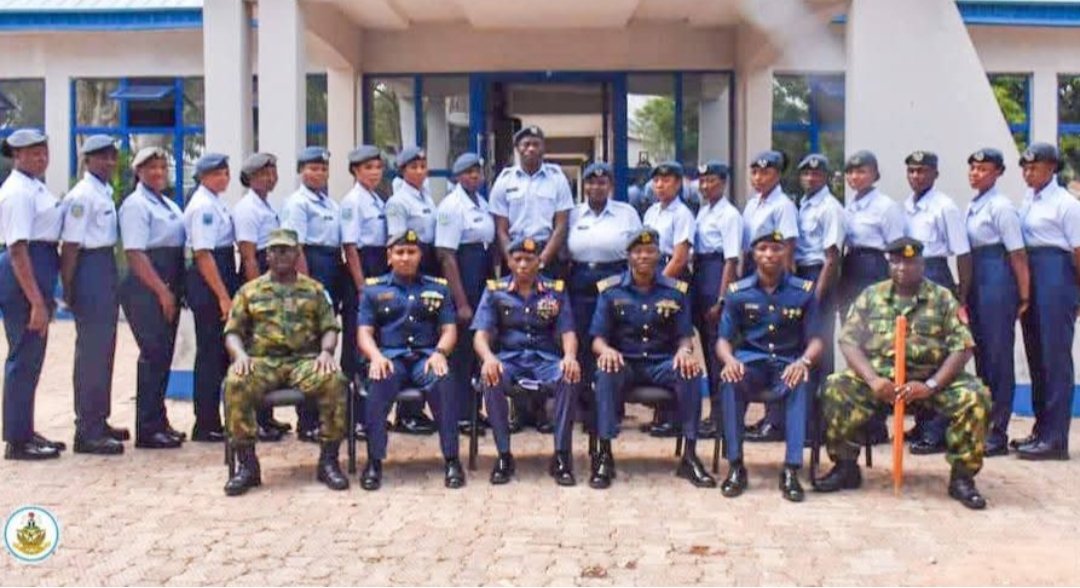
The Nigerian Air Force (NAF) has taken a significant step toward strengthening its operational sustainment capacity with the inauguration of trainees for Basic Catering Course 6/2026 at the Nigerian Air Force College of Logistics (AFCOL) annex in Kaduna.
The six-month training programme, which comprises 19 airmen and airwomen, is designed to equip personnel with essential skills in culinary services, hygiene, and food management key components required to sustain troops in diverse and demanding operational environments.
AFCOL, as the NAF’s premier logistics training institution, continues to play a critical role in building mission-support capabilities that enhance effective airpower delivery. The initiative reflects the Service’s commitment to strengthening both combat readiness and support operations.
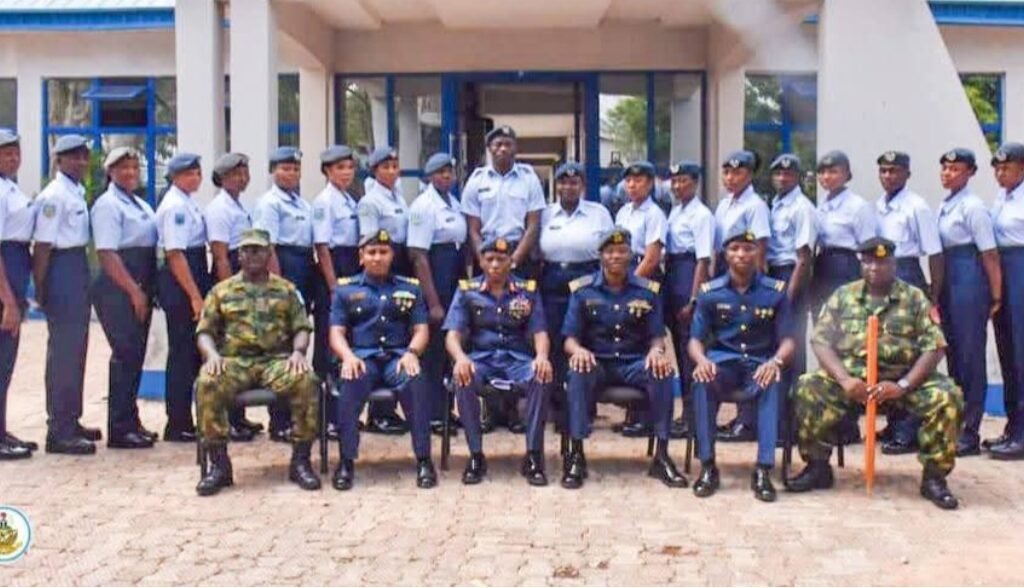
Speaking on behalf of the Commandant, Air Vice Marshal FSC Uwakara, the Dean of the School of Works and Services, YM Abdullahi, urged the trainees to take full advantage of the programme by acquiring modern skills in catering and hospitality management.
He stressed that quality nutrition and efficient service delivery are vital to troop morale, health, and overall combat effectiveness, adding that the professionalism of catering personnel plays a direct role in mission success.
Abdullahi further noted that the course is structured to instill discipline, precision, and adherence to global best practices in military logistics support.
He also highlighted the strategic importance of the School of Catering and Hospitality Services within AFCOL, describing it as a key component of the broader logistics framework of the NAF.
The Commandant acknowledged the support of the Chief of the Air Staff, Sunday Kelvin Aneke, whose commitment to standardized training and mission-driven capacity development continues to strengthen the Service.
The recent restructuring that integrated the School as the fourth faculty within AFCOL underscores a forward-looking approach to specialized logistics training, fostering synergy across support disciplines and enhancing the NAF’s ability to project sustainable and effective airpower.