
By Gabriel Ameh
📍Abuja | Media Report
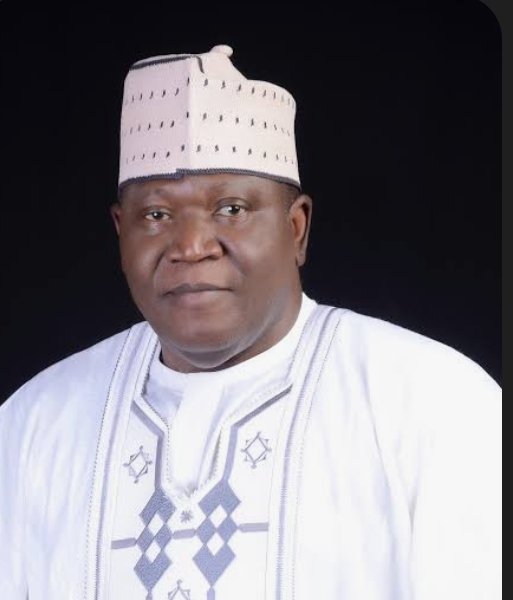
A prominent historian and public intellectual, Professor Yakubu A. Ochefu, has called for a fundamental political and economic reset in Benue South ahead of the 2027 general elections, urging leaders and citizens to embrace unity, strategic thinking, and people-centered governance.
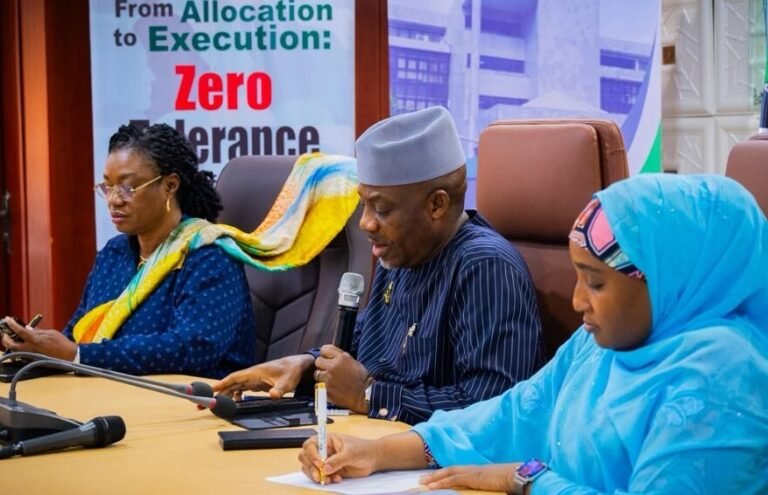
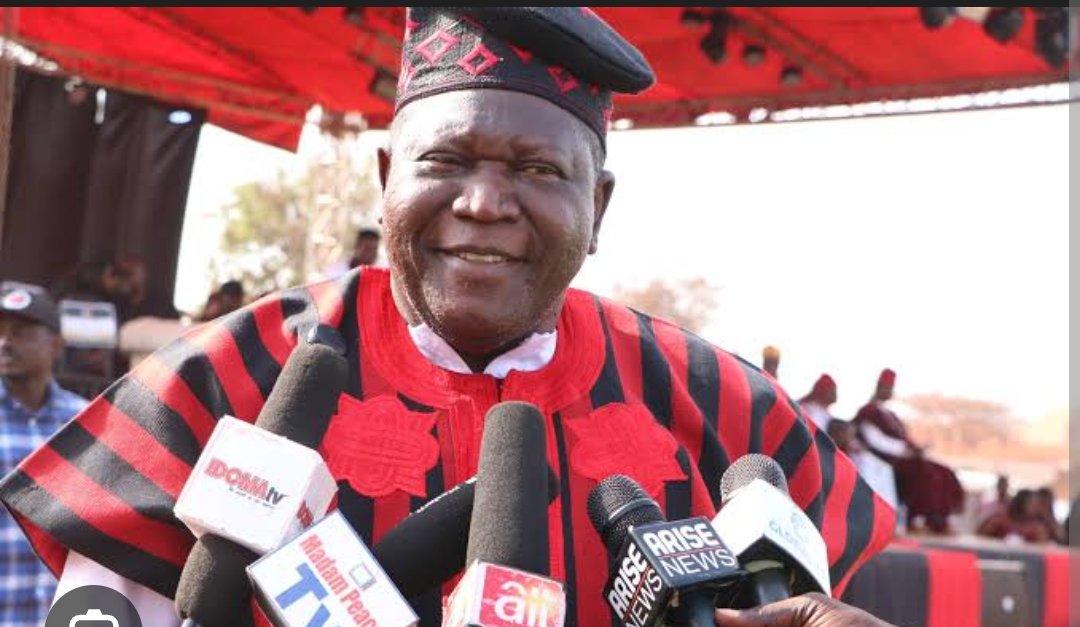
Speaking at the official launch of Idoma TV studio in Abuja, Ochefu described the moment as more than a media milestone, calling it “a declaration that the Idoma voice will be heard at the center of national discourse.”
A Defining Moment for Benue South
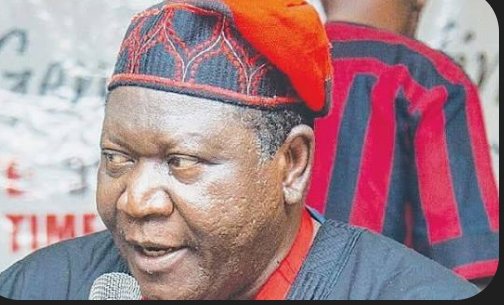
In his keynote address titled “Benue South Beyond 2027: Charting a New Political and Economic Future,” Ochefu reflected on the region’s political history, acknowledging its contributions to national leadership while lamenting missed opportunities caused by division and lack of coordinated action.
He warned that the 2027 elections must not be treated as just another political cycle but as a turning point for redefining the region’s future.
Security First: “A Matter of Survival”
Ochefu identified insecurity as the most urgent challenge facing Benue South, noting that persistent attacks and displacement have crippled agriculture and economic activities.
He strongly advocated for state policing, arguing that the current centralized system has failed to adequately protect communities.
“Without security, every other aspiration is built on sand,” he said, urging government at all levels to act decisively.
Rejecting Politics of Division
The professor criticized internal political rivalries, describing them as a major obstacle to progress. He called for a shift from identity-based politics to issue-driven leadership.
According to him, voters must begin to demand clear policy positions on agriculture, infrastructure, education, and youth employment rather than relying on sentiment or political loyalty.
Youth Inclusion and Civic Participation
Ochefu emphasized the need for increased voter participation and youth inclusion, stressing that young people must move beyond being used as political tools to becoming active decision-makers.
He proposed a target of at least 100,000 votes per local government in 2027 to demonstrate political seriousness.
Economic Repositioning and Infrastructure
Highlighting the region’s economic potential, Ochefu called for a transition from subsistence farming to a full agricultural value chain, including processing and export.
He also stressed the importance of supporting small and medium enterprises through access to credit, training, and infrastructure.
On infrastructure, he urged urgent government action on key projects such as the Otobi Dam and the rehabilitation of the Oweto Otukpo road, describing them as critical to economic transformation.
Media as a Tool for Development
Ochefu commended the establishment of Idoma TV in Abuja, describing it as a strategic platform for shaping narratives, promoting accountability, and preserving cultural identity.
He challenged the media to prioritize investigative reporting, particularly on environmental degradation, warning that unchecked exploitation of natural resources poses a serious threat to the region’s future.
Looking Beyond 2027
Concluding his address, Ochefu called for a shift from “politics of survival” to “politics of transformation,” where governance is measured by tangible improvements in people’s lives.
He stressed the need for visionary leadership, policy continuity, and a collective commitment to development.
“2027 is a vehicle, not the destination,” he said. “The real goal is a Benue South where people can live, work, and thrive with dignity.”